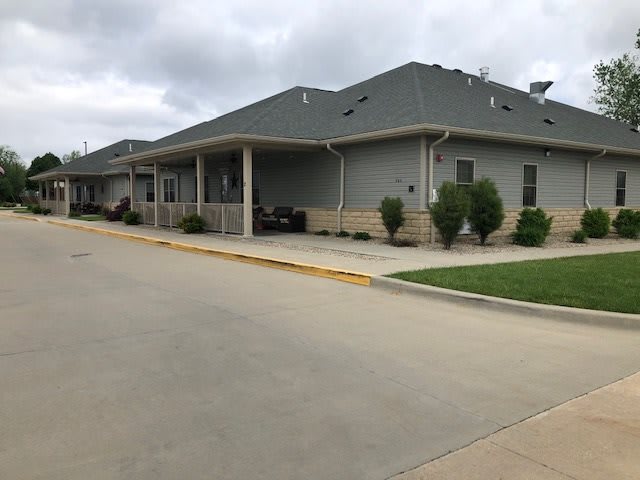
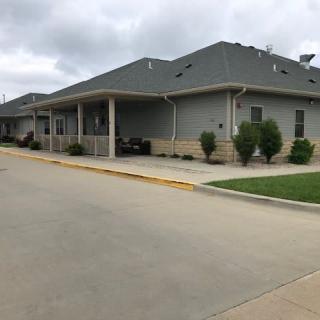

1002 N 2nd St, Marshall, IL 62441
To contact a resident: (217) 293-1246
For more information about senior living options: (866) 208-4318
Willowbrook Memory Support of Marshall Costs & Pricing
Willowbrook Memory Support of Marshall offers a 1-bedroom unit at a monthly cost of $4,900, positioning it notably higher than the average costs in both Edgar County and across Illinois. In contrast, the average monthly cost in Edgar County stands at $3,980, while the state average is even lower at $3,527. This pricing reflects the specialized care and services provided by Willowbrook aimed at supporting individuals with memory-related challenges, suggesting an emphasis on quality of life and comprehensive support that may justify the premium over regional and state averages.
| Floor plans | Willowbrook Memory Support of Marshall | Edgar County | Illinois |
|---|---|---|---|
| 1 Bedroom | $4,900 | $3,980 | $3,527 |
Memory care communities with a similar price nearby
-
About the same
Signature Healthcare Of Terre Haute
$4,980 to $5,130 / month18.5 miles away -
About the same
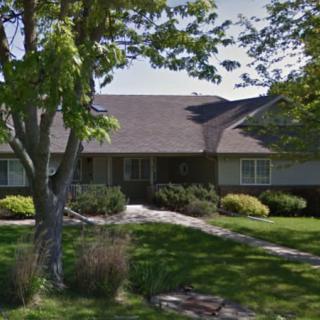
Carriage Crossing Paris
$4,800 / month14.6 miles away -
from -$700 / mo
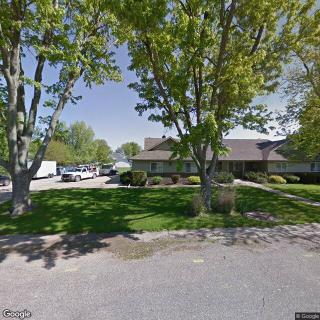
Life's Journey Senior Living - Paris
$4,200 / month14.6 miles away
Overall Review of Willowbrook Memory Support of Marshall
Pros
 The staff have a caring demeanor.
- They take care of the residents’ needs.
- They keep the residents clean and their rooms well maintained.
- The residents are watched over by attentive staff.
- They offer good meals and a well-planned activities program for residents.
- The staff are diligent about following up with doctors and residents’ families.
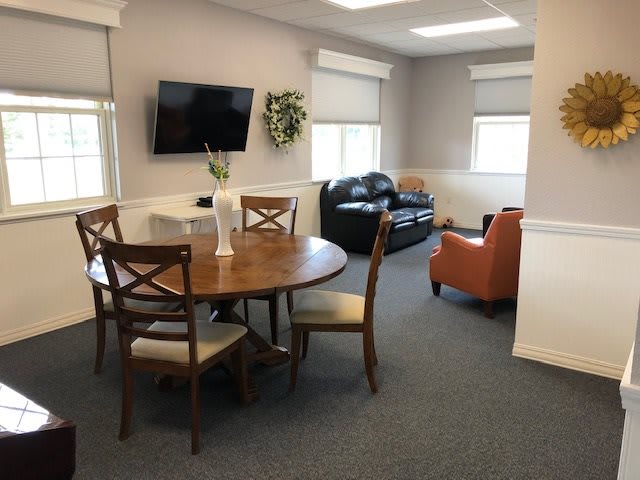
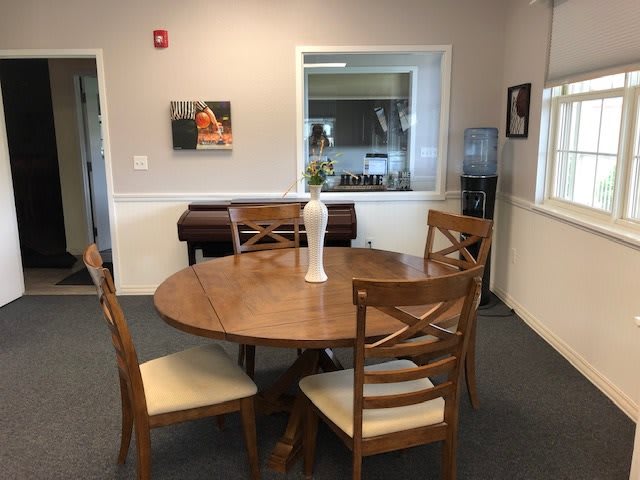
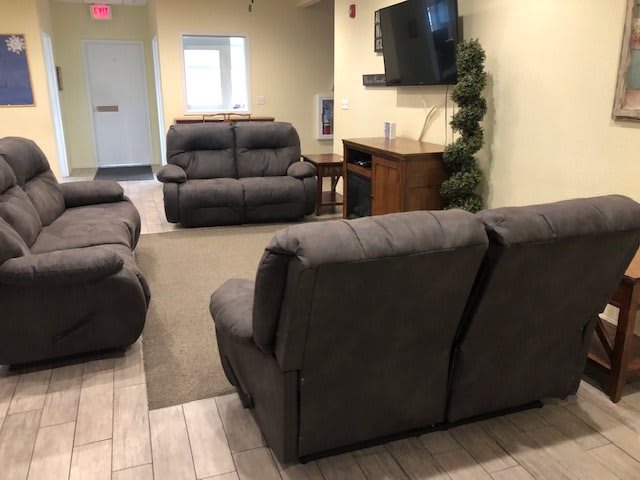
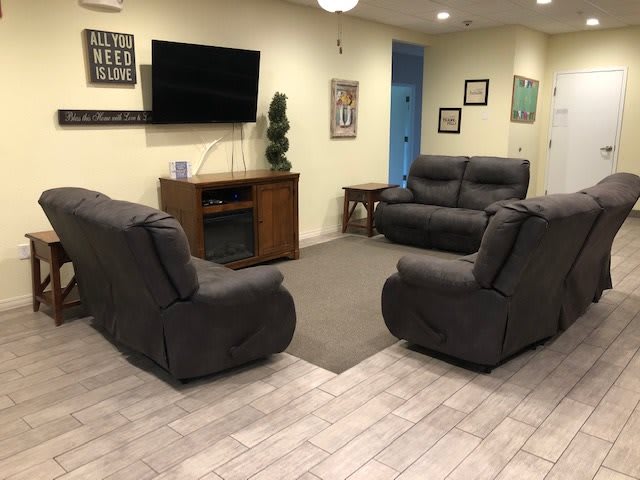
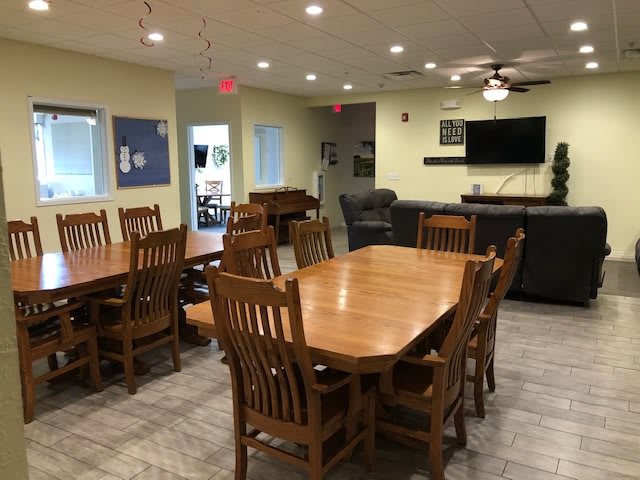
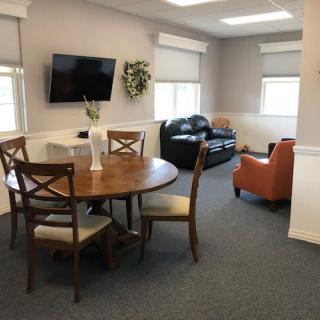
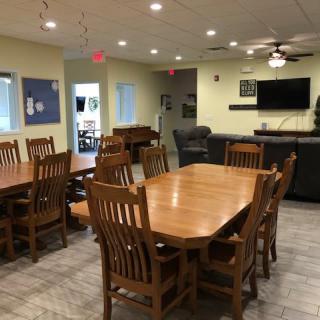
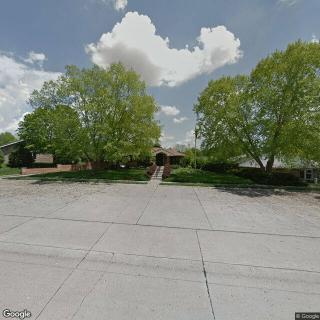
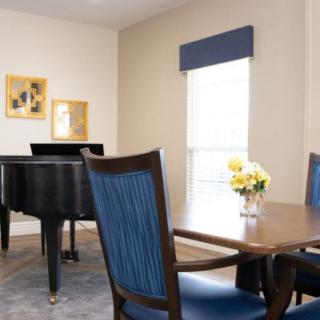
- The community is well cared for, nicely decorated, and appears to be in new condition.
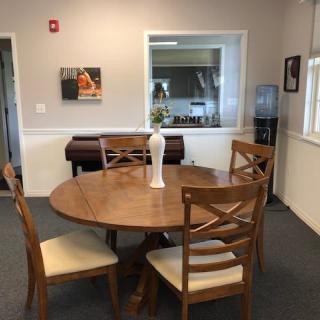
- The setting feels like a home environment rather than a nursing home.
Review
Willowbrook Memory Support of Marshall is best suited for families seeking a warm, home-like memory care environment in Marshall, Illinois, where attentive staff, dependable daily routines, and strong family communication are the core advantages. The community presents itself as a place that prioritizes everyday comfort and personal connection, with caregivers who are described as genuinely caring and able to attend to individual needs. For residents who value a sense of normalcy, clean rooms, welcoming décor, and a schedule that emphasizes not just safety but quality of life, this setting aligns well with those expectations. The emphasis on maintaining cleanliness, monitoring residents, and offering reliable meals and activities makes it a compelling option for seniors who prefer a more residential atmosphere over a clinical, institutional feel.
Those considering alternatives will want to weigh options that emphasize different priorities. If the decision hinges on more intensive medical oversight, a larger campus with on-site physicians, or programming tailored to more specialized or aggressive dementia care needs, other communities may deliver a more clinical or diversified array of services. Families that prioritize high staff-to-resident ratios across the entire day and night, or that require extensive on-site rehabilitation services, might find more targeted options elsewhere. In short, Willowbrook shines for those who value a home-like environment and proactive communication; alternatives may serve better those with heavier medical demands or broader therapeutic offerings.
The standout pros build a cohesive case for choosing this community. Staff demeanor is repeatedly described as caring, translating into consistent attention to daily needs, personal care, and supervision. The reliability in keeping residents clean and their rooms orderly supports a sense of dignity and security for families, while the visible vigilance of staff helps mitigate common concerns about safety in memory care. Meal quality and a thoughtfully designed activity plan add layers of daily satisfaction, reducing the risk of withdrawal or restlessness that can accompany memory-related challenges. Moreover, the facility’s maintenance and décor reinforce a comfortable, homelike impression, reinforcing emotional reassurance for both residents and their families.
These strengths offset potential downsides by addressing core fears that often accompany memory care transitions: fear of neglect, isolation, and impersonal treatment. The ability of staff to follow up with doctors and families signals a continuity of care that minimizes gaps in communication, a critical factor when memory-impaired residents require timely medical attention and clear care coordination. The home-like atmosphere, coupled with a structured yet engaging schedule, tends to reduce confusion and agitation, supporting a smoother daily experience. In this light, the tangible caregiving commitments and the inviting environment convert into practical advantages that counterbalance the absence of a more hospital-like setting.
It is important to acknowledge the data limitation inherent in a single-review snapshot. With only one positive review forming the basis of the impression, prospective families should approach due diligence with a practical mindset, confirming that current staffing levels, programming variety, and medical oversight continue to meet evolving needs. Visiting the campus to observe interactions, taste-test meals, and review the current activity calendar will provide a more complete read on fit. Asking about nighttime staffing, personalized care plans, and family communication protocols will further illuminate how well the community can sustain the high level of attentiveness noted in the review.
Bottom line: Willowbrook Memory Support of Marshall presents a persuasive option for families prioritizing a home-like memory care setting, where engaged staff, clean, comfortable surroundings, reliable meals, and structured activities combine with strong family communication. It is a particularly strong fit for residents who benefit from consistent supervision and a warm, non-institutional atmosphere. Families weighing alternatives should consider options offering deeper medical acuity or broader therapeutic offerings if those needs are present. For most memory-care candidates who value everyday comfort and attentive care, a guided tour and careful checking of current programming will likely confirm Willowbrook as a sensible, practical choice.
 12 resident community capacity
 Assisted Living
 Memory Care
 Cable or satellite TV
 Dining room
 Fully furnished
 Garden
 Housekeeping services
 Move-in coordination
 Outdoor space
 Respite or short term stays offered
 Telephone
 Wi-Fi/high-speed internet available
 24-hour supervision
 Activities of daily living assistance
 Ambulatory care
 Assistance with bathing
 Assistance with dressing
 Assistance with transfers
 Diabetes diet
 Hospice waiver
 Incontinence care
 Meal preparation and service
 Medication management
 Mental wellness program
 Special dietary restrictions
 Transportation arrangement (medical)
 Transportation to doctors appointments



 When Dementia Sparks Anger and Aggression: Understanding the Connection and Ways to Cope
 Dementia Behaviors: In-Depth Understanding and Effective Coping Strategies
 5 Early Indicators of Dementia and What You Can Do