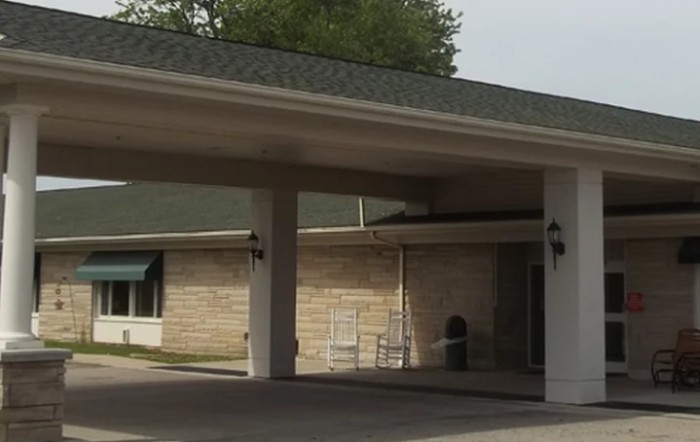
410 North Second Street, Marshall, IL 62441
For more information about senior living options: (866) 208-4318
Overall Review of Marshall Rehab & Nursing
Pros
 The staff are warm and caring.
- It is a great place for a loved one.
- Robert Flowers Village provides independent living with private apartments and entrances.
- Residents can stay independent with options to cook, dine out, or order meals.
- Burnsides Community Health Center offers above-average care with kind, friendly, and knowledgeable staff.
- The facilities are well maintained and comfortable, with indoor visiting areas and activities for residents.
Cons
 The staff do not care.
- Staff do not wear masks consistently; they only put masks on when family members walk in.
- There is no visitor check-in procedure.
- Staff wear masks on their chins, not covering their mouth or nose.
- The doors are not alarmed or closed; they are left unsecured.
- The food is terrible.
- The staff's work ethic is very poor, and the facility is understaffed with high turnover.
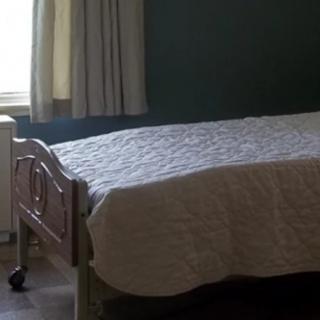
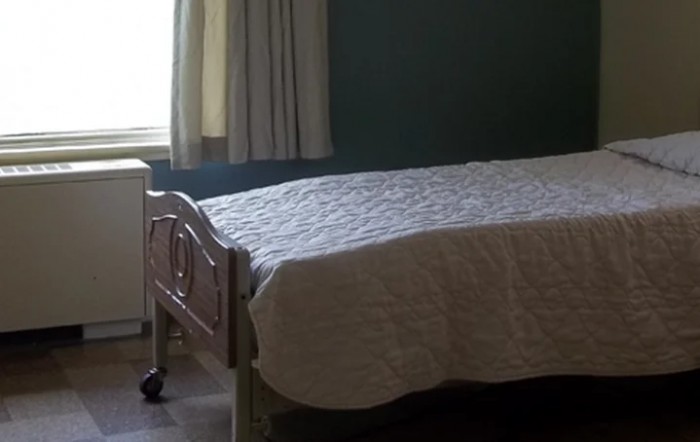
- The shared rooms offer little privacy; more private rooms would be appreciated.
- There are signs on the front door indicating a Covid-positive resident.
- There is no outdoor visiting area; a fenced outdoor space would be beneficial.
Review
Marshall Rehab & Nursing is best suited for families that want a traditional skilled-nursing environment in Marshall, Illinois, where care basics are straightforward and cost matters. This community tends to work best for residents whose needs are steady rather than highly complex, and for families that value visible, approachable staff over glossy amenities. It suits those who favor a practical, no-frills setting where caregivers are meant to be consistently available during visits and where a predictable routine can anchor transitions from hospital to daily living. In short, it’s a solid option for budget-conscious families seeking reliable nursing and rehabilitation without chasing a premium campus experience.
Those who may want to consider alternatives include families prioritizing unwavering staffing reliability, robust daily programming, and consistently high dining standards. If true 24/7 attentiveness and a proactive care culture are non-negotiable, other facilities in the region may deliver more clearly on those attributes, even if at a higher price. For families seeking greater independence within a senior-living framework, a model like Robert Flowers Village, offering private, individual entrances and self-directed living with optional access to care, offers a different rhythm and level of autonomy. Burnsides Community Health Center also represents a distinct choice, with a longstanding reputation for kindness and competence, though it comes with its own staffing and organizational trade-offs.
On the positive side, there are credible reminders that caring, attentive staff can and do make a meaningful difference for residents. Several reviewers describe warm, compassionate interactions that translate into a more reassuring daily experience for families visiting or communicating about a loved one. The practical benefits include accessible nursing care, a straightforward rehab pathway, and a setting where visits do not feel like navigating an impersonal campus. For families who prioritize a clearly defined care team and a budget-friendly option, these relational strengths can be decisive, especially when paired with a stable routine and predictable daily life.
But the facility faces credible, documented concerns that cannot be dismissed. One account portrays care as uneven, with perceived gaps in engagement and oversight at times, including a chance impression of lax procedural checks during admissions and daily rounds. Food quality emerges as a notable shortcoming, suggesting that dining may disappoint residents or family members who expect meals that are more appealing or varied. Safety and operations impressions also factor in, with comments that point to inconsistent enforcement of routines and some disconcerting anecdotes about how spaces are monitored during visits. Taken together, these cons challenge the overall experience and will matter most to families who plan frequent on-site engagement or who weigh daily quality of life as a decisive criterion.
Those pros and cons do not cancel each other out; they must be weighed against personal priorities. If the priority is warmth, straightforward nursing, and value, Marshall Rehab & Nursing remains worth a closer look, provided visits are prioritized to verify consistency in care over time. If, instead, reliability of staffing, superior dining, and a more proactive care culture are non-negotiables, consider Burnsides or a model that leans into independent living alongside care options, where autonomy is preserved and staff engagement is less variable. For families who want true private living alongside care resources, the Robert Flowers Village pathway is worth evaluating, recognizing it shifts the balance toward independence rather than a traditional nursing-floor experience.
To move from impression to decision, conduct targeted due diligence. Schedule multiple tours with different times of day to observe staffing patterns and meal quality, and request candid conversations with frontline caregivers and the current activities staff. Ask about turnover rates, how check-ins are managed, and how safety and privacy are handled on daily rounds. Compare short-term rehabilitation outcomes, long-term care trajectories, and meal plans side by side with Burnsides and any available independently living options in the same market. The goal is to align the chosen community with the resident’s medical needs, daily living preferences, and the family’s capacity to stay engaged. The right fit will demonstrate reliable care, acceptable dining, and a practical, sustainable routine that supports peace of mind for loved ones.
 75 resident community capacity
 Skilled Nursing Facility
 Air-conditioning
 Beauty salon
 Cable or satellite TV
 Computer center
 Dining room
 Fitness room
 Fully furnished
 Gaming room
 Garden
 Housekeeping services
 Kitchenette
 Move-in coordination
 Outdoor space
 Private bathrooms
 Restaurant-style dining
 Small library
 Telephone
 Wellness center
 Wi-Fi/high-speed internet available
 Community operated transportation
 12-16 hour nursing
 24-hour call system
 Activities of daily living assistance
 Assistance with bathing
 Assistance with dressing
 Assistance with transfers
 Diabetes diet
 Medication management
 Mental wellness program
 Special dietary restrictions
 Concierge services
 Planned day trips

 Nurturing Our Elders: Linda's Journey of Supporting Her Mother
 A Comprehensive Exploration of Common Misunderstandings about Powers of Attorney
 Senior Move Management: Understanding the Role, Value, and Associated Costs