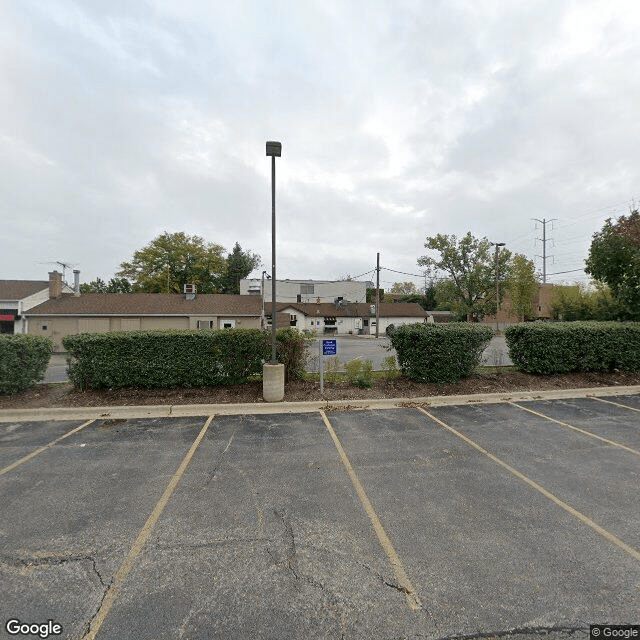
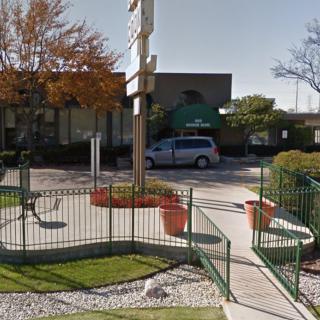
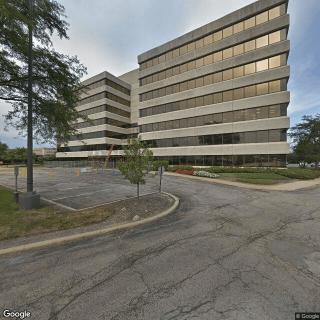
Glen Oaks Nursing Home in Northbrook, IL
Save
Information last verified:
270 Skokie Blvd, Northbrook, IL 60062
For more information about senior living options: (844) 490-3973
Glen Oaks Nursing Home offers competitive pricing for its residents, with monthly costs that align favorably compared to the broader market in Cook County and the state of Illinois. For a semi-private room, Glen Oaks charges $4,650 per month, which is notably lower than the county average of $5,192 and the state average of $5,146. Similarly, their private rooms are priced at $5,700 - still slightly higher than both the county's rate of $5,168 and Illinois' average of $5,049. This positioning suggests that Glen Oaks strives to provide quality care while maintaining affordability within a challenging economic landscape for nursing home services.
| Floor plans | Glen Oaks Nursing Home | Cook County | Illinois |
|---|---|---|---|
| Semi-Private | $4,650 | $5,192 | $5,146 |
| Private | $5,700 | $5,168 | $5,049 |
Glen Oaks Nursing Home in Northbrook is best suited for families seeking a skilled-nursing environment where frontline caregivers shoulder a heavy, practical load and meaningful, personal attention is a definable daily feature. This community tends to fit residents who need rehab support, wound care, and intensive daily assistance, including ventilator or dialysis-capable care, with a culture that rewards hands-on involvement from families who want to stay engaged. The strongest appeal lies in the people: seasoned nurses and aides who know residents by name, social workers who advocate for families, and therapy teams that push for mobility and recovery. For families that value trust built through daily interactions and expect staff to respond with genuine attentiveness, Glen Oaks offers a credible, action-oriented option rather than a generic, impersonal experience.
But this facility is not the right fit for everyone. Alternatives deserve consideration for families prioritizing a consistently pristine environment with uniformly high cleanliness, or for those who fear variability in care quality across floors and shifts. Some reviews allege outdated equipment, lingering odors on certain units, and uneven maintenance, which can erode confidence if not addressed. In addition, a few residents’ families report communication gaps and instances where care plans or transfers were not managed with the expected rigor. Prospective residents who require a consistently flawless campus atmosphere, or who cannot tolerate the possibility of fluctuating standards, should explore other options with equal scrutiny and visit multiple facilities before deciding.
The strongest pro cluster centers on staff devotion and practical competence. Long-tenured nurses, compassionate CNAs, and engaged social workers create a reliable daily rhythm and a sense that residents are known and valued. The care environment is frequently described as respectful, patient, and human-centered, with particular strength in wound care management and rehab services that emphasize mobility and independence. Management is repeatedly praised for listening to families, asking the right questions, and acting on concerns. When these elements align with a clean, home-like setting and accessible specialty services, the overall experience becomes more cohesive and reassuring, offsetting some of the facility’s aging-era physical drawbacks.
Yet the narrative includes hard cautions. Several accounts point to inconsistent experiences across floors, with one family describing an environment that felt neglected in places, and others flagging lingering odors and aging equipment. Reports of serious mismanagement or neglect, though not universal, cannot be dismissed; they underscore the reality that care quality at any campus can vary by unit, shift, and individual staff. Communication gaps, delays in status updates, missed transportation arrangements, and incomplete follow-through, occasionally surface and can undermine confidence even when the core caregiving remains solid. Families should plan to verify that there is a reliable mechanism for real-time updates, quick escalation of issues, and consistent coordination across departments and shifts.
The facility’s capacity to support complex medical needs is a decisive variable. Several reviews commend ventilator and dialysis-capable care and note that rehab teams actively push residents toward better function. However, there are conflicting anecdotes about whether those high levels of competency are guaranteed across every case and unit. For residents with heavy medical complexity, it is essential to obtain current, unit-specific assurances about staffing expertise, equipment availability, and transfer protocols before admission. The overarching message is clear: the human-centered strengths, compassion, consistency, and proactive engagement, must be matched by robust, system-wide reliability in medical and logistical supports to prevent fragile moments from becoming costly setbacks.
In practical terms, families should approach a tour with a critical eye. Observe how staff interact with residents during routine care, ask about nurse-to-patient ratios, and request to meet floor nurses on different shifts. Probe the specifics of wound care, dialysis or ventilator support, and the plan for emergency transfers. Review the latest survey or quality data, and verify how dining, housekeeping, and maintenance are managed on all floors, not just the most polished areas. A candid conversation with the administrator and the director of nursing about staffing stability and accountability can reveal whether the promises seen in reviews translate into daily operations.
Overall, Glen Oaks Nursing Home represents a pragmatic, people-first option for families who can harmonize active oversight with a strong belief in what dedicated caregivers can deliver. It is well-suited to residents who benefit from hands-on nursing, structured rehab, and an environment where staff strive to treat each person with dignity and respect. Caution is warranted for families wary of aging infrastructure, intermittent cleanliness issues, or the possibility of uneven care quality. For those who can commit to vigilant, ongoing collaboration, regular visits, clear expectations, and proactive problem-solving, the facility can provide a compassionate, capable home during recovery or long-term care. For others, exploring alternatives with a track record of uniformly high facility standards and steadier day-to-day operations may better align with risk tolerance and peace of mind.
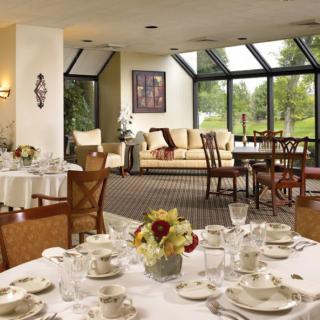
Glen Oaks Nursing Home in Northbrook, IL is a welcoming assisted living community that provides residents with a comfortable and supportive environment. Our community offers a range of amenities to enhance the quality of life for our residents. We have an on-site beautician who can help residents look and feel their best, as well as devotional services for those who wish to engage in spiritual activities.
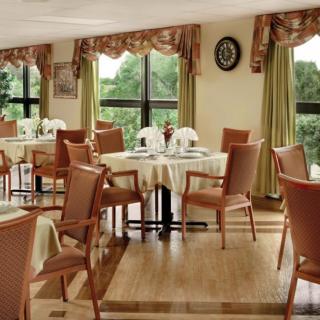
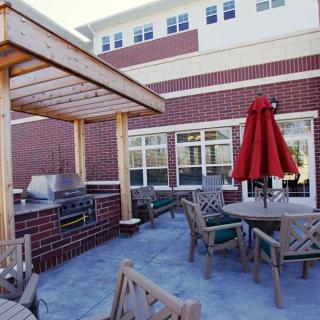
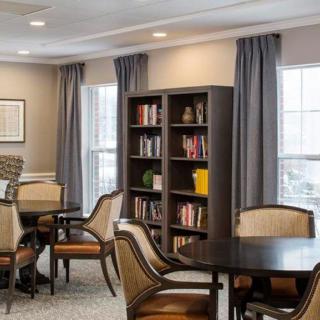
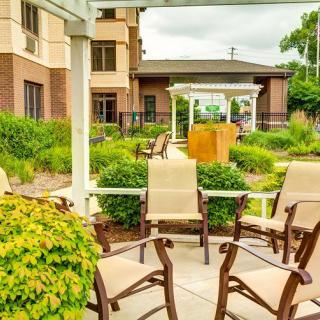
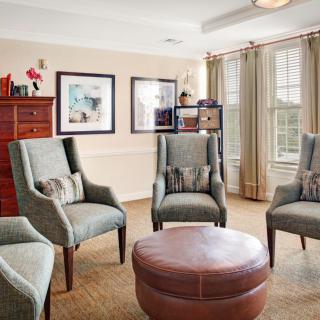
Our indoor common areas provide opportunities for socializing and connecting with fellow residents, while our outdoor common areas offer a beautiful space to enjoy fresh air and nature. We understand the importance of privacy, which is why we offer private accommodations for our residents. In addition, we also provide respite or short-term stays for those who may need temporary care.
At Glen Oaks Nursing Home, we prioritize the comfort and safety of our residents. We have wheelchair accessible showers to ensure ease of use and promote independence. Our dedicated staff are trained in providing excellent care, including specialized services such as incontinence care.
We believe that an active lifestyle is important for overall well-being, which is why we offer devotional activities on-site. Residents have the opportunity to engage in spiritual practices without leaving the comfort of our community.
Conveniently located near various amenities, our community offers easy access to cafes, parks, pharmacies, physicians' offices, restaurants, transportation options, places of worship, and hospitals. This ensures that our residents have all the resources they need within close proximity.
At Glen Oaks Nursing Home in Northbrook, IL, we strive to provide a nurturing environment where residents can feel at home while receiving high-quality care and support.
This part of Northbrook, Illinois offers a diverse range of amenities and services that cater to residents of all ages, including seniors. There are several options for dining out, from casual fast food choices like McDonald's and Chick-Fil-A to more upscale restaurants like P.F. Chang's China Bistro. In terms of healthcare, there are multiple pharmacies and physician offices nearby, providing convenient access to medical services. The area also boasts several parks for outdoor recreation and relaxation, as well as easy access to public transportation options such as Metra trains for those who prefer not to drive. Additionally, the proximity to hospitals like Glenbrook Hospital and Northwestern Lake Forest Hospital offers peace of mind in case of any medical emergencies. Overall, this part of Northbrook provides a well-rounded community with plenty of opportunities for an active and comfortable senior living experience.
Glen Oaks Nursing Home offers competitive pricing for its residents, with monthly costs that align favorably compared to the broader market in Cook County and the state of Illinois. For a semi-private room, Glen Oaks charges $4,650 per month, which is notably lower than the county average of $5,192 and the state average of $5,146. Similarly, their private rooms are priced at $5,700 - still slightly higher than both the county's rate of $5,168 and Illinois' average of $5,049. This positioning suggests that Glen Oaks strives to provide quality care while maintaining affordability within a challenging economic landscape for nursing home services.
Glen Oaks Nursing Home is located at 270 Skokie Blvd, Northbrook, IL 60062 in Cook County, Illinois
Exploring the World of Home Health Nurses: Qualifications, Roles, and Hiring Tips

Home health nursing is an expanding field where licensed professionals provide specialized medical care in patients' homes, addressing the needs of an aging population through personalized services like assessments and medication management. Effective collaboration with healthcare teams, cultural sensitivity, and quality assurance measures are essential for fostering trust and ensuring positive patient outcomes.
Navigating Medicare Coverage for In-Home Care Services

Medicare covers in-home health care services, which are medical and provided by licensed professionals under a physician's supervision, whereas non-medical personal assistance is generally not covered unless part of a broader skilled care plan. Eligibility for benefits depends on being homebound and needing intermittent skilled services from a Medicare-certified agency, with specific coverage limitations and additional resources available for navigating options.
In-Home Care Costs in 2025: A Detailed State-by-State Exploration
In-home care is increasingly sought after by older adults for maintaining independence, with average private home care rates in 2025 varying by state and service type, reflecting geographical and local labor market influences. As demand rises, families are considering funding options like Medicaid waivers and long-term care insurance to manage costs effectively while ensuring quality care.