Glen Oaks Nrsg & Rehab Center in Northbrook, IL

Save

  • Interior

    A modern reception desk adorned with an orchid in a minimalist interior.
  • Decor

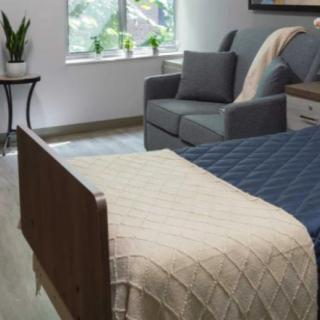
    A cozy room with a bed, sofa, and potted plants near a window.
  • Living Room

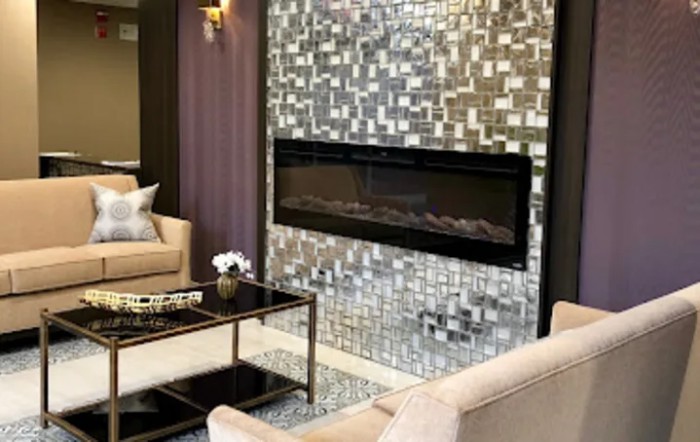
    A modern living room with a sleek fireplace and mosaic tile wall.
  • Bedroom

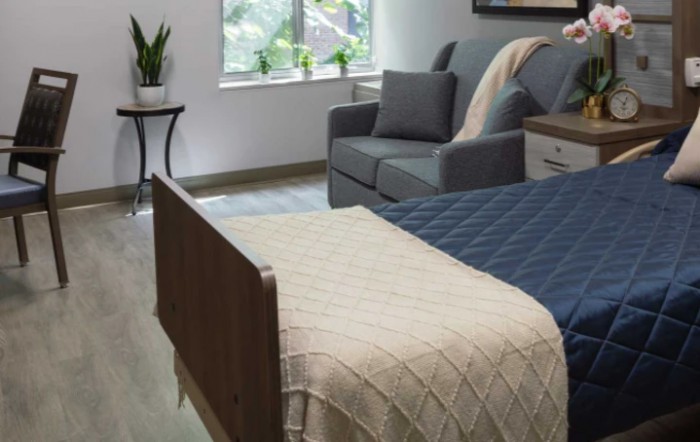
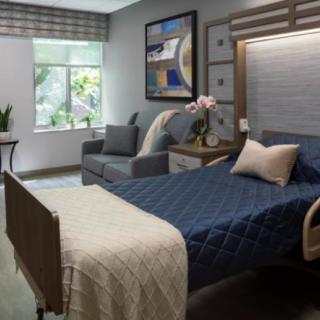
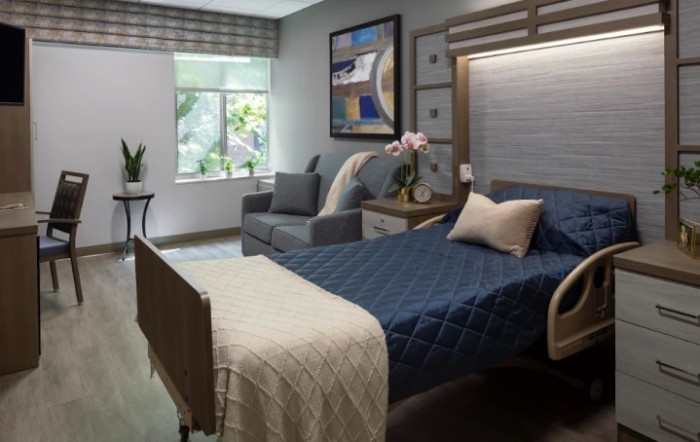
    A well-furnished hospital room with a bed, sofa, and decorative elements.
  • Trees

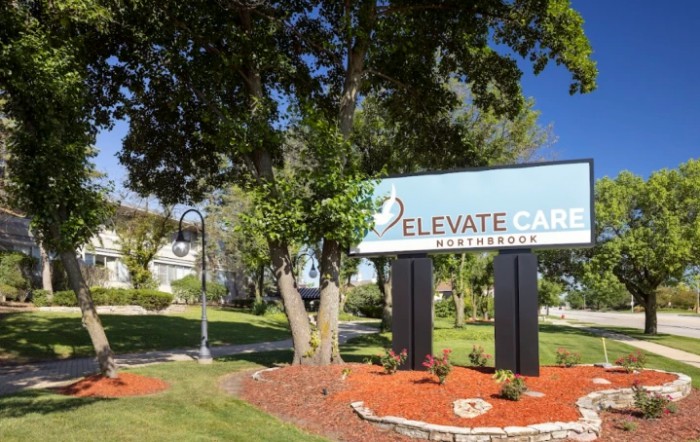
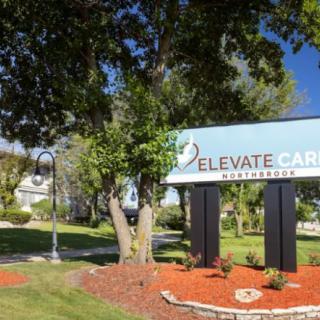
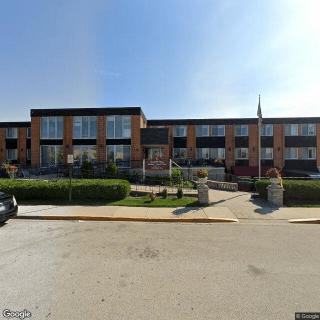
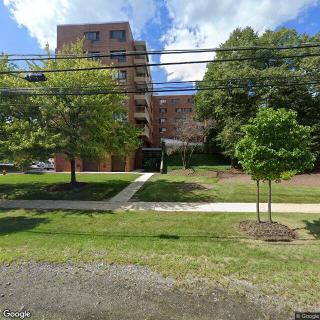
    A sign for Elevate Care nursing home with trees and landscaping in the background.
  • Lighting

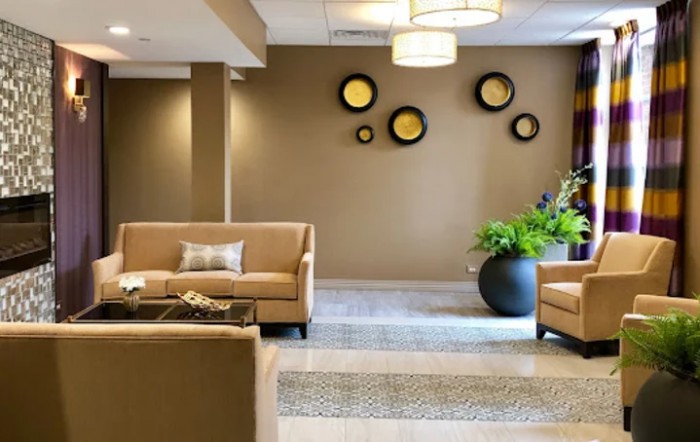
    A modern lobby with beige sofas, circular wall art, and a large potted plant.
  • Artwork

    A modern reception area featuring a curved front desk, decorative plants, and contemporary artwork.
  • Wall Art

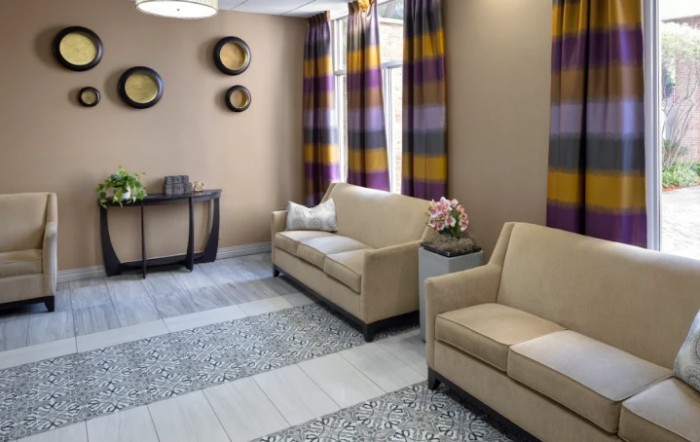
    A modern living room with beige sofas, colorful striped curtains, and decorative wall art.
  • Exercise Equipment

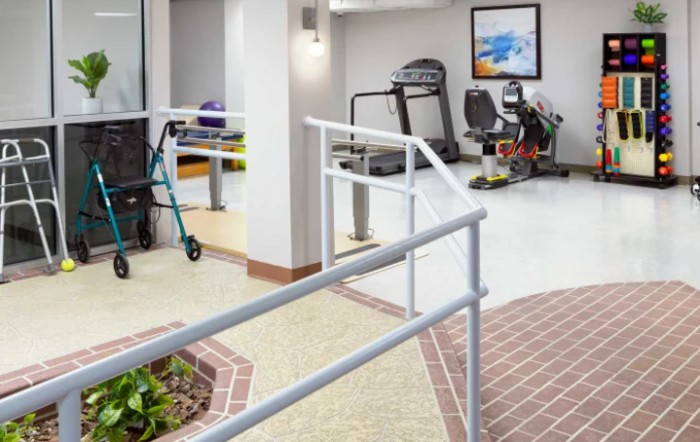
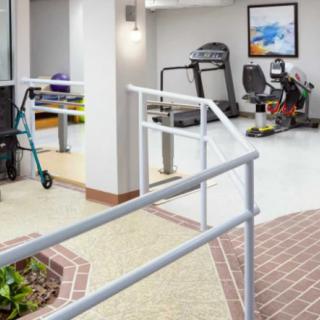
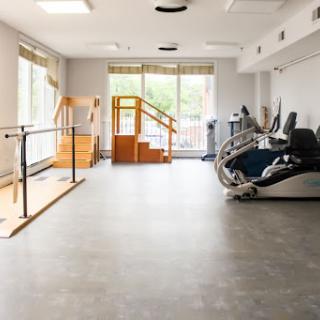
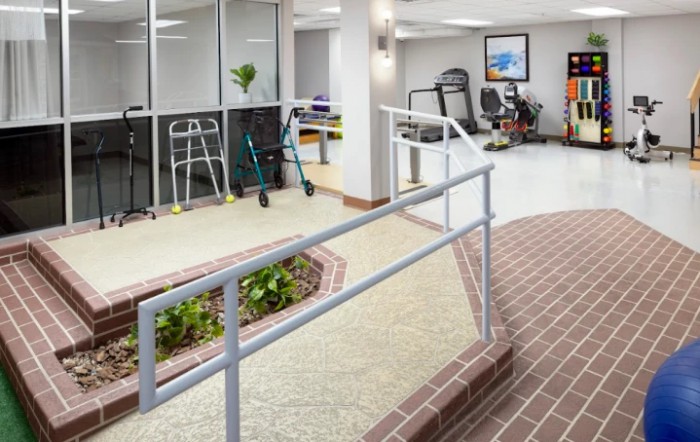
    A rehabilitation center featuring exercise equipment for physical therapy.
  • Rehabilitation

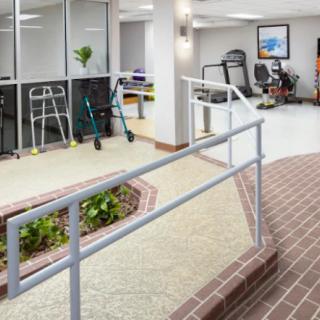
    A healthcare facility featuring a wheelchair ramp and various rehabilitation equipment.

Glen Oaks Nrsg & Rehab Center in Northbrook, IL

270 Skokie Highway, Northbrook, IL 60062

For more information about senior living options: (844) 490-3973

4.3 from 101 reviews
5 stars
70
4 stars
14
3 stars
3
2 stars
1
1 stars
13

Overall Review of Glen Oaks Nrsg & Rehab Center

Pros

  • pro The staff provide great customer service and great patient care.
  • pro Elevate Care has a great staff, and the facility is clean with no bad odors.
  • pro The facility is very welcoming, with clean surroundings and attentive staff.
  • pro The patient was doing better and eating on her own, which was a blessing to see.
  • pro The staff are warm, caring, and very helpful.
  • pro The facility is clean and quiet, and the staff are kind and caring.
  • pro There is real care at Elevate Care, and the facility is very clean.
  • pro The nursing staff frequently visit rooms and promptly attend to residents' needs.

Cons

  • pro The food is terrible and always cold, and the staff are described as very bad; patients sometimes have to wait 20–30 minutes for a CNA.
  • pro The ambulance service (Elite) is consistently late, causing repeated rescheduling.
  • pro The facility cannot even open windows to provide fresh air.
  • pro What was once very good has declined, and the place is no longer something they would recommend to anyone.
  • pro The administrators, Eric and Taylor, won’t call the patient’s wife and do not return messages.
  • pro The patient has been there over three months and things have worsened; the therapy is useless and there is muscle atrophy in both legs.
  • pro Glasses ordered four weeks ago have not been received or tracked.
  • pro The equipment is outdated and the facility has a smelly atmosphere; patients are ignored.
  • pro The place is described as a complete slum with unprofessional staff and unsanitary conditions.
  • pro The facility is understaffed, with poor phone service and inadequate care.
  • pro The administrator (Mary) is described as uneducated and ineffective at running the facility.
  • pro A reviewer warns not to bring loved ones to this facility due to neglect and possible abuse; “run away.”

Review

Glen Oaks Northbrook is best suited for families that prize hands-on, resident-centered care delivered by long-tenured staff who know their people and tirelessly work to maintain daily routines and rehabilitation momentum. Review patterns repeatedly highlight a caregiving culture where aides, nurses, and rehab professionals often display genuine warmth, respect, and diligence. For families seeking a homey atmosphere where staff greet residents by name, communicate with families without chasing them down, and keep a patient’s day-to-day needs front and center, Glen Oaks can feel like a solid match. The facility’s strongest value sits in the care ethic and the rehab-focused approach, with several accounts praising attentive bedside manners, reliable wound care, and consistent therapy engagement. For such families, the main decision hinge is whether the facility’s age and administration constraints can be managed without eroding trust in the care team.

Those who should consider alternatives are families prioritizing flawless administration, absolute consistency in communication, or top-tier facility condition. A sizable share of reviews flag administrative responsiveness as a fault line: messages not returned, calls not answered, and leadership that seems hard to reach. When family members must battle for attention or for timely updates, the emotional and logistical strain can swamp otherwise solid daily care. Additionally, the building itself is aged, and the environment can feel dated or imperfect in places, which some families see as a meaningful downside when compared with newer or better-maintained campuses. For residents with high expectations for spotless facilities, or for those requiring a healthcare governance that feels consistently proactive, alternatives may offer a smoother experience.

On balance, the key pros, staff attentiveness, a culture of respect, and a rehab-forward approach, almost invariably offset several notable cons, but not all. The best outcomes emerge when the care team remains focused on individualized attention, promptly addressing wounds and mobility concerns, and keeping families in the loop. Where Glen Oaks excels is in the day-to-day humanity of care: responsive nurses, compassionate aides, and therapists who push for meaningful progress. Yet the most persistent cons temper that strength: intermittent administrative follow-through, occasional lapses in communication clarity, and some reports of outdated equipment or facility wear. In practical terms, families should weigh the strong direct-care backbone against governance gaps that can fray the experience during stress points, hospital transfers, care plan changes, or discharge planning.

Therapy and medical support present a nuanced picture. Rehab services and wound care frequently emerge as standout components, with residents showing mobility gains and families noting proactive treatment plans and skilled therapists. Several reviews describe therapy as purposeful and effective, contributing materially to mobility and independence. However, other accounts describe mixed therapy results or skepticism about the perceived value of rehab efforts, which underscores a broader truth: outcomes hinge on consistent medication management, timely progress notes, and the coordination between therapy, nursing, and medical oversight. Families should verify current therapy staffing levels, therapy-to-patient ratios, and whether rehab goals align with the resident’s rehabilitation timeline. Without this alignment, even well-intentioned therapy can feel insufficient.

The facility’s environment and operational rhythm are a composite story. Cleanliness and a welcoming front-of-house experience are repeatedly noted, with several reviewers praising a home-like atmosphere and courteous staff. At the same time, there are recurring cautions about outdated equipment, odor issues on some floors, and areas where maintenance lags behind resident expectations. Elevators and day rooms receive mixed comments, and some narratives describe rooms or common spaces that fail to reflect the level of care on display in the nursing and therapy teams. These tensions matter: a clean, orderly environment reinforces trust in care, while persistent odor or structural wear can undermine comfort and confidence, particularly for new admissions or visitors who are assessing long-term livability.

Ultimately, a disciplined decision framework is essential. Prospective families should plan multiple, extended visits at different times of day, request a meeting with the director of nursing and the rehab manager, and insist on current, written care plans that reflect specific mobility, wound care, and daily living goals. Ask for concrete examples of response times to call lights, room changes, and discharge planning conversations. Validate the facility’s ability to support the resident’s medical needs, including ventilator or dialysis requirements, if applicable, and seek recent survey results or quality reports that illuminate staffing stability and safety metrics. If the priority is a compassionate, resident-focused caregiving culture and robust rehab potential, and there is readiness to monitor administrative responsiveness, Glen Oaks Northbrook offers a compelling option. If, however, predictable administration, pristine facilities, and uncompromising safety oversight are non-negotiables, it is prudent to explore alternatives that place governance and facility modernization on equal footing with clinical care.

Features

Housing

  • 298 resident community capacity 298 resident community capacity

Types of Care

  • Skilled Nursing Facility Skilled Nursing FacilitySkilled Nursing Facilities are crucial for seniors as they provide round-the-clock medical care, rehabilitation services, and assistance with daily activities. These facilities ensure that seniors receive the specialized care they need to maintain their health and well-being as they age.

Amenities

  • Air-conditioning Air-conditioningAir conditioning is important for seniors as they are more vulnerable to heat-related illnesses and may have underlying health conditions that make it difficult for them to regulate their body temperature. It helps to keep them comfortable, safe, and healthy in hot weather.
  • Beauty salon Beauty salonBeauty salons are important for seniors because they provide a space for them to feel pampered, socialize, and maintain their personal grooming and hygiene. Regular visits to a beauty salon can help boost seniors' self-esteem and overall well-being.
  • Cable or satellite TV Cable or satellite TVCable or satellite TV is important for seniors because it provides entertainment, news, and companionship, helping to combat loneliness and boredom. It also offers a wide range of programming options tailored to different interests and preferences.
  • Computer center Computer centerA computer center is essential for seniors as it provides access to technology, communication tools, and resources that can enhance their daily lives. It allows them to stay connected with loved ones, engage in online activities, and learn new skills, ultimately promoting socialization and mental stimulation.
  • Dining room Dining roomDining rooms are important for seniors as they provide a space for socialization, connection, and nutritious meals. They offer opportunities for residents to bond over shared meals, foster a sense of community, and promote healthy eating habits. Dining rooms also ensure that seniors have access to well-balanced meals tailored to their dietary needs and preferences.
  • Fitness room Fitness roomHaving a fitness room in a senior living community is essential for seniors to stay active, maintain their physical health, and improve their overall well-being. Regular exercise can help prevent falls, reduce the risk of chronic diseases, and promote mental sharpness. It also provides social opportunities for residents to connect with others and enjoy a sense of community.
  • Fully furnished Fully furnishedFully furnished senior living communities are important for seniors because they provide convenience, comfort, and a hassle-free moving experience. Seniors can easily settle into their new living space without the stress of having to buy and move furniture. This allows them to focus on enjoying their new home and community.
  • Gaming room Gaming roomGaming rooms are important for seniors as they provide a fun and engaging environment for socializing, cognitive stimulation, and physical activity. Games can improve memory, problem-solving skills, and overall mental well-being while fostering friendships and reducing feelings of isolation.
  • Garden GardenGardens are important for seniors as they provide a peaceful and therapeutic environment for relaxation, physical activity, and socialization. Being in nature has been shown to reduce stress, improve mood, and promote overall well-being. Gardens also offer opportunities for seniors to engage in gardening activities, which can improve mobility, flexibility, and cognitive function. Additionally, gardens create a sense of community and connection with others who share a passion for plants and outdoor spaces.
  • Housekeeping services Housekeeping servicesHousekeeping services are important for seniors because they help maintain a clean and safe living environment, promote independence, and reduce the risk of accidents or illnesses. Additionally, having assistance with household chores can alleviate physical strain and allow seniors to focus on other aspects of their well-being.
  • Kitchenette KitchenetteKitchenettes are important for seniors living in senior living communities because they provide the convenience and independence of being able to prepare simple meals and snacks in the comfort of their own living space. This can help promote a sense of autonomy and well-being for seniors, allowing them to maintain some level of control over their dietary choices and daily routines.
  • Move-in coordination Move-in coordinationMove-in coordination is important for seniors because it helps ease the transition into their new living environment. It ensures that all logistics, such as packing, organizing movers, and setting up utilities are taken care of, allowing seniors to focus on settling in and adjusting to their new home. Having a smooth move-in process can alleviate stress and anxiety, making the transition smoother and more enjoyable for seniors.
  • Outdoor space Outdoor spaceOutdoor spaces are important for seniors as they provide opportunities for physical activity, social interaction, exposure to natural light and fresh air, and a sense of connection to nature. Having access to outdoor spaces can improve overall well-being and quality of life for older adults living in senior communities.
  • Private bathrooms Private bathroomsPrivate bathrooms are important for seniors in senior living communities because they provide independence, dignity, and comfort. Having a private bathroom allows seniors to maintain their personal hygiene routines without the need for assistance, promoting a sense of autonomy and privacy. Additionally, private bathrooms help prevent the spread of infections and provide a safe and clean environment for seniors to navigate safely.
  • Restaurant-style dining Restaurant-style diningRestaurant-style dining is important for seniors because it allows them to enjoy delicious, nutritious meals in a social and upscale setting. This enhances their dining experience, promotes healthy eating habits, and fosters socialization with fellow residents, ultimately contributing to their overall well-being and quality of life.
  • Small library Small librarySmall libraries are important for seniors as they provide access to a variety of reading materials, including books, newspapers, and magazines. This can help stimulate their minds, keep them engaged, and provide a sense of community through book clubs and other social activities. Additionally, reading has been shown to improve cognitive function and overall mental well-being in older adults.
  • Telephone TelephoneTelephones are important for seniors as they provide a lifeline for communication with loved ones, emergency services, and healthcare providers. They offer a sense of security and independence, enabling seniors to stay connected and access assistance when needed.
  • Wellness center Wellness centerWellness centers are important for seniors because they offer a variety of programs and services that promote physical, mental, and emotional well-being. These centers provide opportunities for exercise, socialization, education, and relaxation, helping seniors maintain their overall health and quality of life.
  • Wi-Fi/high-speed internet available Wi-Fi/high-speed internet availableWi-Fi/high-speed internet is important for seniors to stay connected with loved ones, access online resources, and participate in virtual activities to combat feelings of loneliness and isolation. It also allows them to easily manage healthcare needs, access entertainment, and engage in lifelong learning opportunities.

Transportation

  • Chicago O'Hare International (10 miles away) Chicago O'Hare International (10 miles away)
  • Chicago Midway (20 miles away) Chicago Midway (20 miles away)
  • Community operated transportation Community operated transportationCommunity operated transportation is crucial for seniors as it provides them with the means to access essential services, social activities, and medical appointments. It allows seniors to maintain their independence and quality of life by ensuring they can participate in activities outside of their homes. Additionally, community-operated transportation services offer a safe and reliable way for seniors to travel without having to rely on family or friends for assistance.
  • Transportation arrangement Transportation arrangementTransportation arrangements are crucial for seniors as they may face challenges with driving, mobility, or access to public transportation. Having reliable transportation services ensures that seniors can easily attend appointments, social activities, and maintain their independence and quality of life.
  • Transportation arrangement (non-medical) Transportation arrangement (non-medical)Transportation arrangements are essential for seniors as they provide access to essential services, activities, and social interactions outside the home. This service helps maintain independence, mobility, and overall well-being for seniors who may have limited transportation options.
  • Transportation to doctors appointments Transportation to doctors appointmentsTransportation to doctors appointments is crucial for seniors as it ensures they have access to necessary medical care and support, promoting their health and well-being. It allows them to receive timely treatment, monitor existing conditions, and address any new health concerns efficiently. Additionally, transportation services can help seniors maintain their independence and quality of life by enabling them to stay connected with their healthcare providers.

Care Services

  • 12-16 hour nursing 12-16 hour nursing12-16 hour nursing care is crucial for seniors in order to ensure around-the-clock monitoring, timely medication administration, and prompt response to any health concerns or emergencies. This level of care helps to promote the overall well-being and safety of seniors living in senior living communities.
  • 24-hour call system 24-hour call system24-hour call systems are important for seniors because they provide peace of mind and immediate assistance in case of emergencies. This technology ensures that help is always available, promoting safety and security for elderly individuals living alone or in assisted living facilities.
  • 24-hour supervision 24-hour supervision24-hour supervision is important for seniors to ensure their safety, well-being, and access to immediate assistance in case of emergencies or health issues. This constant support provides peace of mind for both seniors and their loved ones, allowing them to age in place with dignity and security.
  • Activities of daily living assistance Activities of daily living assistanceActivities of daily living assistance are important for seniors because they provide essential support with tasks such as eating, bathing, dressing, and mobility. This assistance helps seniors maintain their independence, dignity, and overall quality of life as they age.
  • Assistance with bathing Assistance with bathingAssistance with bathing is crucial for seniors as it helps maintain personal hygiene, prevents infections, and ensures their overall well-being and comfort. It also provides a sense of dignity and independence for seniors who may struggle with this task on their own.
  • Assistance with dressing Assistance with dressingAssistance with dressing is important for seniors because it helps maintain their independence, promotes personal hygiene, prevents accidents and injuries, and improves overall quality of life. This service ensures that seniors can continue to dress comfortably and confidently, despite any physical limitations they may have.
  • Assistance with transfers Assistance with transfersAssistance with transfers is crucial for seniors as it helps prevent falls and injuries, maintains their independence, and ensures they can safely navigate their living environment. It also provides peace of mind for both seniors and their loved ones.
  • Diabetes diet Diabetes dietA diabetes diet is crucial for seniors as it helps manage blood sugar levels, reduce risks of complications, and improve overall health and well-being. By following a balanced and nutritious diet tailored to their specific needs, seniors can better control their diabetes and enhance their quality of life.
  • Meal preparation and service Meal preparation and serviceMeal preparation and service are crucial for seniors as they may have limited mobility or energy to cook nutritious meals. Having access to healthy and convenient food options can ensure they are getting the proper nutrition needed to maintain their overall health and well-being.
  • Medication management Medication managementMedication management is crucial for seniors to ensure they are taking the right medications at the correct dosages and times. This helps prevent adverse drug interactions, reduces the risk of medication errors, and promotes overall health and well-being. Proactive management also allows for adjustments as needed based on changing health conditions or new prescriptions.
  • Mental wellness program Mental wellness programMental wellness programs are essential for seniors as they promote cognitive stimulation, emotional support, and social engagement. These programs help prevent isolation, depression, and cognitive decline, ultimately enhancing the overall quality of life for older adults.
  • Special dietary restrictions Special dietary restrictionsSpecial dietary restrictions are important for seniors because age-related changes in metabolism and health conditions can make it difficult for their bodies to process certain foods. By following a diet tailored to their specific needs, seniors can maintain their overall health and well-being, manage chronic conditions, and reduce the risk of complications such as malnutrition or food interactions with medications.

Dining

  • Diabetes diet Diabetes dietA diabetes diet is crucial for seniors as it helps manage blood sugar levels, reduce risks of complications, and improve overall health and well-being. By following a balanced and nutritious diet tailored to their specific needs, seniors can better control their diabetes and enhance their quality of life.
  • Special dietary restrictions Special dietary restrictionsSpecial dietary restrictions are important for seniors because age-related changes in metabolism and health conditions can make it difficult for their bodies to process certain foods. By following a diet tailored to their specific needs, seniors can maintain their overall health and well-being, manage chronic conditions, and reduce the risk of complications such as malnutrition or food interactions with medications.

Activities

  • Community-sponsored activities Community-sponsored activitiesCommunity-sponsored activities are important for seniors as they provide opportunities for social interaction, mental stimulation, and physical activity. These activities can help improve overall well-being, combat loneliness and isolation, and promote a sense of belonging and purpose among older adults.
  • Concierge services Concierge servicesConcierge services are essential for seniors as they provide assistance with daily tasks and errands, enhance their quality of life by offering convenience and personalized care, and promote a sense of safety and security.
  • Fitness programs Fitness programsFitness programs are crucial for seniors as they help improve strength, flexibility, balance, and overall well-being. Staying active can reduce the risk of chronic diseases, improve mental health, and enhance quality of life in older adults.
  • Planned day trips Planned day tripsPlanned day trips are important for seniors because they offer opportunities for socialization, mental stimulation, and physical activity. They provide a change of scenery and help seniors stay engaged and connected to their community, promoting overall well-being and quality of life.
  • Resident-run activities Resident-run activitiesResident-run activities are important for seniors as they encourage social interaction, creativity, and a sense of autonomy. These activities empower seniors to stay engaged and active in their community while fostering meaningful connections with their peers.
  • Scheduled daily activities Scheduled daily activitiesScheduled daily activities are important for seniors because they provide structure, socialization, mental stimulation, and physical activity. Engaging in regular activities can improve overall well-being and quality of life for seniors living in a community setting.

Description

Glen Oaks Nursing & Rehab Center is a premier assisted living community located in Northbrook, IL. Our facility offers a range of amenities and care services to ensure that our residents are well taken care of and can enjoy a comfortable and fulfilling lifestyle.

In terms of amenities, we provide various options for relaxation and entertainment. Our beauty salon ensures that residents can always look their best, while our cable or satellite TV allows them to stay connected to their favorite shows. We also offer community-operated transportation for outings and appointments, as well as a computer center for technology needs. Our on-site dining room provides restaurant-style meals, and the fitness room is available for residents to stay active. For leisure activities, we have a gaming room, small library, and beautiful garden space where residents can relax. Additionally, our community offers Wi-Fi/high-speed internet for those who want to stay connected.

At Glen Oaks Nursing & Rehab Center, we prioritize the well-being of our residents through our comprehensive care services. Our 24-hour call system and supervision ensure that there is always assistance available when needed. Our dedicated staff provides assistance with activities of daily living such as bathing and dressing, as well as transfers for those who require mobility support. We offer specialized diets like diabetes diet and can accommodate special dietary restrictions. Medication management is also provided to ensure proper administration of medications. Mental wellness programs are available to support the emotional health of our residents.

Our dining options cater to special dietary restrictions, ensuring that all nutritional needs are met. In terms of activities, residents can enjoy concierge services for personalized assistance, fitness programs to stay active, planned day trips for adventure, resident-run activities for socialization, and scheduled daily activities for engagement.

Glen Oaks Nursing & Rehab Center also boasts an excellent location with many nearby cafes, parks, pharmacies, restaurants, places of worship, theaters, physicians' offices in close proximity for convenience.

Overall, Glen Oaks Nursing & Rehab Center offers a comfortable, safe, and enriching assisted living community where residents can receive the care they need while enjoying a vibrant and fulfilling lifestyle.

Nearby Places of Interest

Cafes

  • Starbucks (0.5 miles)
  • Starbucks (2 miles)
  • Starbucks (2.7 miles)
  • Starbucks (3.1 miles)
  • Starbucks (3.6 miles)
  • Little Beans Cafe (4.1 miles)
  • Starbucks (7.7 miles)

Pharmacies

  • Walgreens (2.2 miles)
  • Walgreens (2.2 miles)
  • Walgreens (2.7 miles)
  • Walgreens (2.9 miles)
  • Walgreens (3.4 miles)
  • CVS Pharmacy (4 miles)
  • Walgreens (4 miles)

Parks

  • Clarkson Park (2.7 miles)
  • Leahy Park (3.1 miles)
  • Dawes Park (4 miles)
  • Centennial Park (4 miles)
  • Dubkin Park (5.3 miles)
  • Warren Park (5.5 miles)
  • Briarwood Park (7.3 miles)

Transportation

  • CTA-Linden (2.9 miles)
  • Cta (5.1 miles)
  • CTA Jarvis (5.4 miles)
  • Cta (6.8 miles)
  • Jefferson Park Bus Terminal (6.8 miles)
  • Cta (8.2 miles)
  • Metra (8.3 miles)

Restaurants

  • Glenview Dairy Bar (3 miles)
  • Raising Cane's Chicken Fingers (3.2 miles)
  • Wildfire (3.7 miles)
  • Chick-Fil-A (4 miles)
  • Panda Express (4.6 miles)
  • Superdawg Drive-In (5.4 miles)
  • R Public House (5.4 miles)

Places of Worship

  • Baha'i House of Worship (3.2 miles)
  • North Shore Congregation Israel (5.7 miles)
  • Congregation Solel (6.9 miles)

Physicians

  • North Shore Physicians Group (3.7 miles)
  • Resurrection Medical Center Professional Building (6.6 miles)
  • Northwestern Memorial Physicians Group (7 miles)
  • NorthShore Medical Group (7.3 miles)

Theaters

  • AMC Village Crossing Theatre (4.2 miles)

Hospitals

  • Saint Francis Hospital (4.4 miles)
  • Glenbrook Hospital (5.7 miles)
  • Swedish Covenant Hospital Cancer Care (6.9 miles)

Frequently Asked Questions

Where is Glen Oaks Nrsg & Rehab Center?
What photos are available for Glen Oaks Nrsg & Rehab Center in Northbrook, Illinois?

Nearby Communities

  • Mather Place

    Mather Place

    Wilmette, IL

    4.6 from 95 reviews
    $3,950 to $6,302 / month

    pro Strong sense of community with a dedicated staff.


  • Alden Estates Of Skokie

    Alden Estates Of Skokie

    Skokie, IL

    4.6 from 38 reviews
     

    pro Extensive on-site amenities and care options.

  • Shalom Love Care

    Shalom Love Care

    Chicago, IL

    4 from 2 reviews
     

    pro Compassionate caregiver offering thorough personal care, mobility support, and assistance with meals and medications.

  • Cambridge Rehab & Nursing

    Cambridge Rehab & Nursing

    Skokie, IL

    4.3 from 63 reviews
    $4,400 to $5,550 / month

    pro Warm, clean environment with a small, personalized community.

  • Cambridge Nursing & Rehab Center

    Cambridge Nursing & Rehab Center

    Skokie, IL

    4.3 from 47 reviews
     

    pro 24/7 supervision with extensive on-site amenities (dining, fitness, salon, outdoor spaces).

  • Lieberman Center for Health and Rehabilitation

    Lieberman Center for Health and Rehabilitation

    Skokie, IL

    4.3 from 104 reviews
    $9,150 / month

    pro On-site amenities and accessible family communication options (e.g., FaceTime).

  • Westminster Place in Evanston

    Westminster Place in Evanston

    Evanston, IL

    4.2 from 37 reviews
    $3,000 to $4,500 / month

    pro Beautiful campus with attentive staff, strong care options, and extensive on-site amenities.

  • Three Crowns Park

    Three Crowns Park

    Evanston, IL

    4.3 from 50 reviews
    $2,510 to $8,070 / month

    pro Luxurious facility with attentive staff and diverse activities.

  • Avidor Evanston,  55+ Active Adult Apartment Homes

    Avidor Evanston, 55+ Active Adult Apartment Homes

    Evanston, IL

    4.7 from 63 reviews
    $1,995 to $4,350 / month

    pro Spacious, light-filled apartments with a vibrant activity calendar and a strong sense of community in a prime Evanston location.

Related Resources

  • what does the sandwich generation meanUnderstanding the Sandwich Generation: Stress and Responsibilities for Multigenerational Caregivers

    The Sandwich Generation comprises adults managing the dual responsibilities of caring for aging parents and raising children, leading to significant emotional, logistical, and financial challenges. This situation is exacerbated by longer life expectancies and cultural expectations, necessitating effective coping strategies and support resources to alleviate caregiver stress and burnout.

  • assistive devices for elderly8 Essential Assistive Devices for Older Adults

    The article highlights eight essential assistive devices that improve the independence and safety of older adults, addressing issues related to mobility, balance, vision, hearing, and dexterity. It emphasizes the importance of proper selection guided by healthcare professionals to enhance seniors' quality of life while allowing them to age in place.

  • how to pay for nursing homeNavigating the Financial Road to Nursing Home Care: In-Depth Guidance and Resources
    The article offers detailed guidance on the financial complexities of nursing home care, covering costs, payment methods, and alternative funding strategies while emphasizing the importance of proactive planning and legal considerations for individuals and families making care decisions.