For more information about senior living options: (866) 208-4318
4.2 from 34 reviews
5 stars
26
4 stars
2
3 stars
0
2 stars
0
1 stars
6
Overall Review of Vonderlieth Living Center
common20 reviews mention this
Staff are attentive and communicative
Families and residents describe staff who stay involved and keep them in the loop.
Across the reviews, people repeatedly mention attentive care and regular communication with families. Several describe staff being easy to reach with questions and giving updates about changes in health. Residents and families also highlight long-tenured team members and professional competence during rehab and nursing needs. A smaller set of reviews counter that experience by raising staffing concerns, which suggests care consistency may vary by time and unit.
common11 reviews mention this
Facility is consistently clean
Residents and visitors consistently point to a clean, well-kept building.
Multiple reviews call out the facility as clean and well maintained, with some noting it does not have the unpleasant odors they experienced at other places. Cleanliness is mentioned both by long-term families and by people who stayed for shorter rehab or hospice care. One reviewer also ties the overall cleanliness to confidence in day-to-day nursing care.
differentiator8 reviews mention this
Rehab and skilled care quality
Reviews highlight both therapy and skilled care support during transitions.
Several reviews describe strong outcomes during short-term rehab after an injury or hospital stay, including successful recovery and a return home. Others mention therapy and medical staff support as part of longer-term nursing and end-of-life care. While most feedback is positive about competence and follow-through, one critical review alleges serious care failures related to infections and medication issues.
common3 reviews mention this
Activities keep residents engaged
Residents and families describe ongoing activities that help people stay engaged.
Some reviews specifically mention an activities program that includes arts and crafts, games, exercise, devotions, and outside time. Families also describe events and projects aimed at keeping residents active, and visitors mention being able to participate alongside loved ones. This matches the community’s focus on scheduled daily activities and on-site programs.
caveat2 reviews mention this
Staffing concerns come up
A few reviews raise concerns about staffing levels and reliance on agency help.
While most feedback emphasizes personal attention, at least a couple of reviews say the facility is understaffed and needs agency workers to cover gaps. These reviews also add negative remarks about how staff are treated internally. Taken together, the reviews suggest residents may benefit from the team’s care, but staffing consistency is a point some families worry about.
How we summarize
Counts show how many written reviews mention each theme; a review can touch several themes, and only frequently mentioned themes are displayed.
Features
Housing
90 resident community capacity
Types of Care
Independent Living
Skilled Nursing Facility
Amenities
Activities on-site
Air-conditioning
Beauty salon
Cable or satellite TV
Computer center
Devotional services off-site
Dining room
Fitness room
Fully furnished
Gaming room
Garden
Housekeeping services
Indoor common areas
Kitchenette
Move-in coordination
Outdoor space
Private bathrooms
Restaurant-style dining
Small library
Telephone
Wellness center
Wi-Fi/high-speed internet available
Transportation
Capital (24 miles away)
Community operated transportation
Transportation arrangement
Transportation arrangement (non-medical)
Transportation to doctors appointments
Care Services
12-16 hour nursing
24-hour call system
24-hour supervision
Activities of daily living assistance
Ambulatory care
Assistance with bathing
Assistance with dressing
Assistance with transfers
Diabetes diet
Diabetic care
High acuity care
Meal preparation and service
Medication management
Mental wellness program
Special dietary restrictions
Transportation to doctors appointments
Dining
Diabetes diet
Meals provided
Special dietary restrictions
Activities
Activities on-site
Community-sponsored activities
Concierge services
Devotional activities offsite
Fitness programs
Planned day trips
Resident-run activities
Scheduled daily activities
Nearby Places of Interest
This area of Mount Pulaski, Illinois offers a peaceful and close-knit community with various places of worship nearby for spiritual fulfillment. The abundance of restaurants in the area provides convenient dining options, including Italian cuisine, ice cream shops, and local cafes. For recreation, there are several parks within a short drive, offering opportunities for outdoor activities and relaxation. Additionally, there are multiple physicians and pharmacies within close proximity for easy access to healthcare services. Transportation options such as the Amtrak station and railway provide convenient travel possibilities. Overall, this part of Mount Pulaski would be an ideal location for senior living with its combination of amenities and community resources.
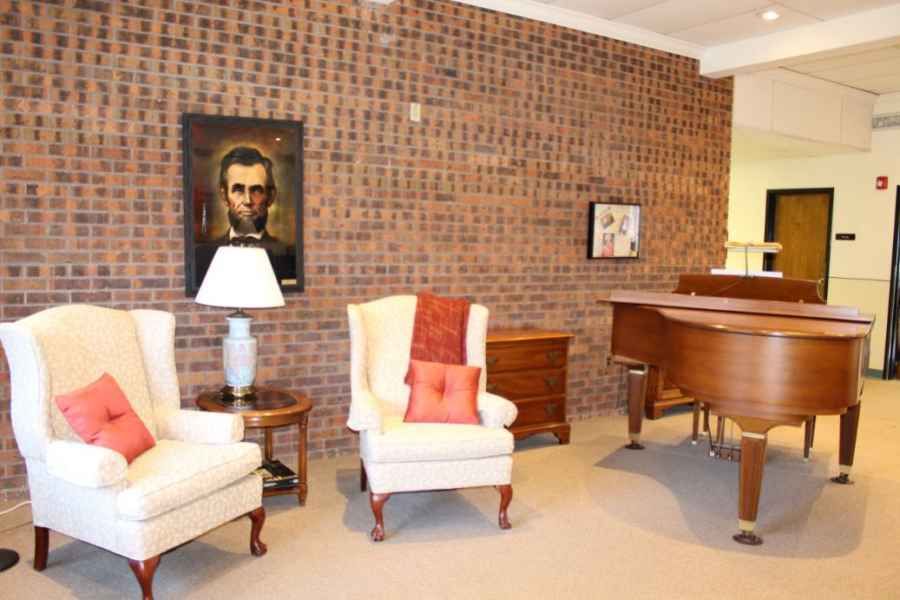
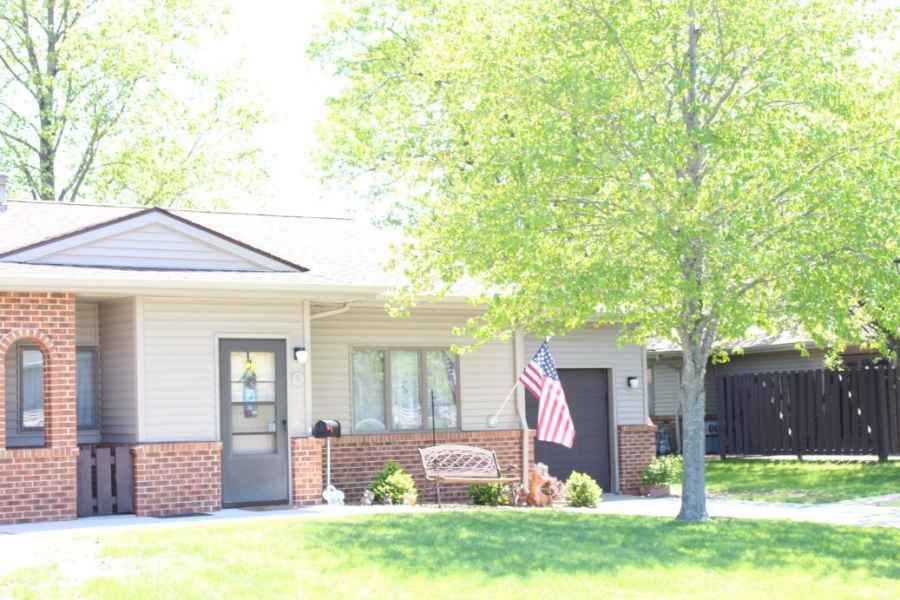
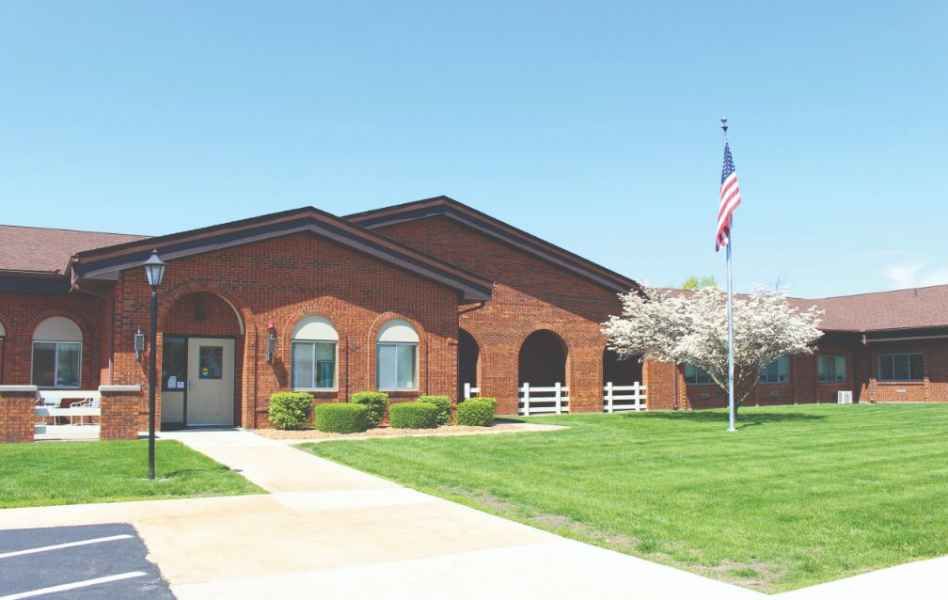
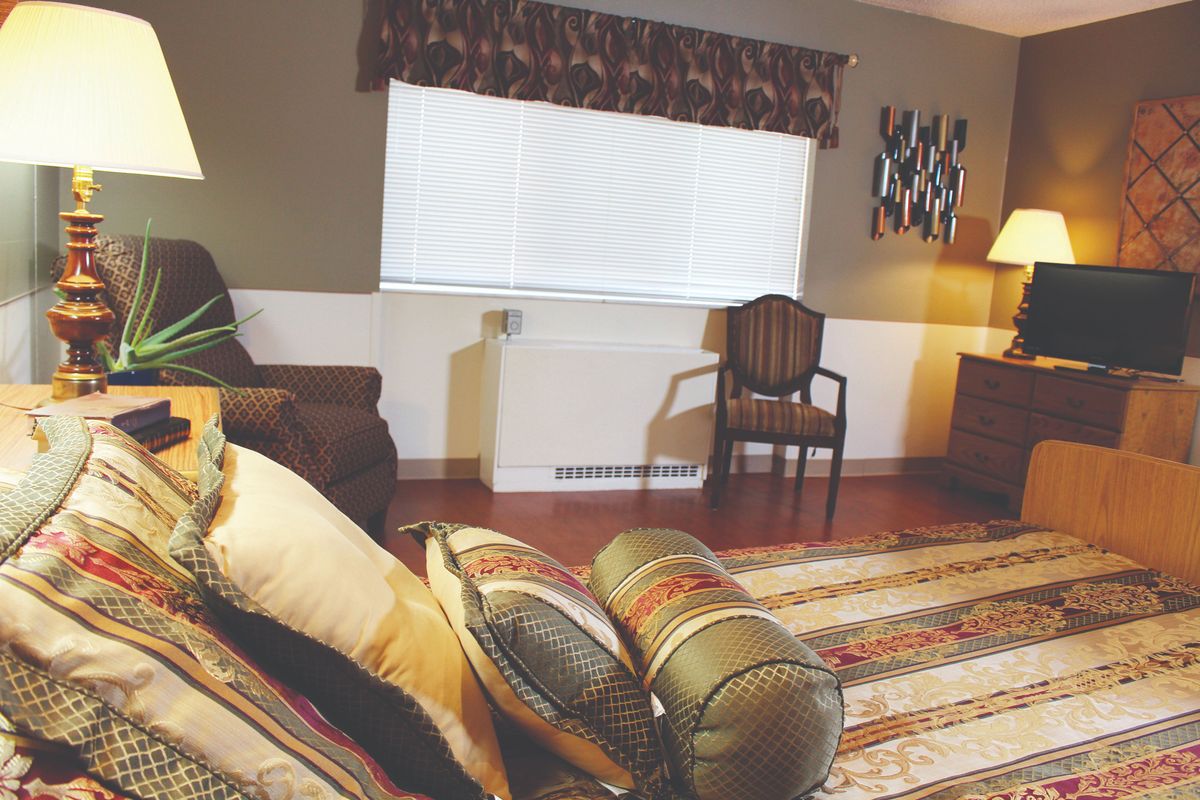
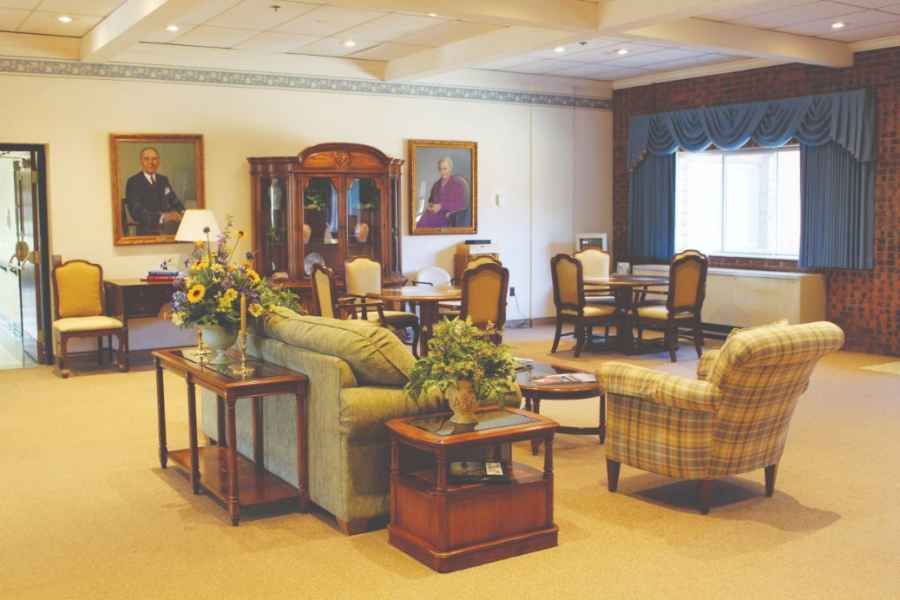
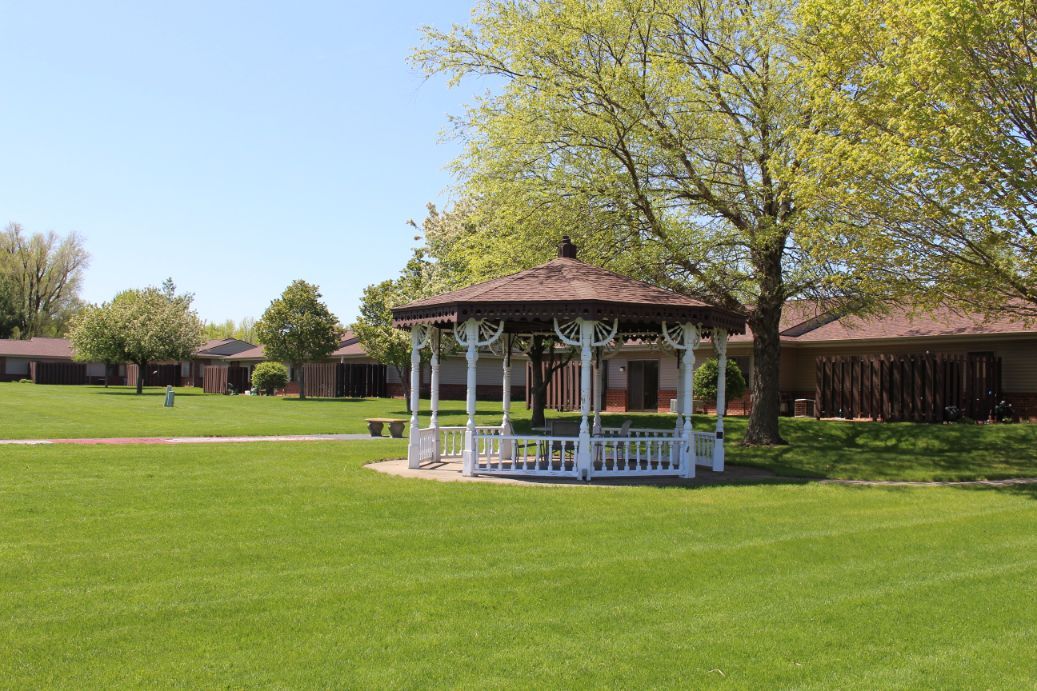
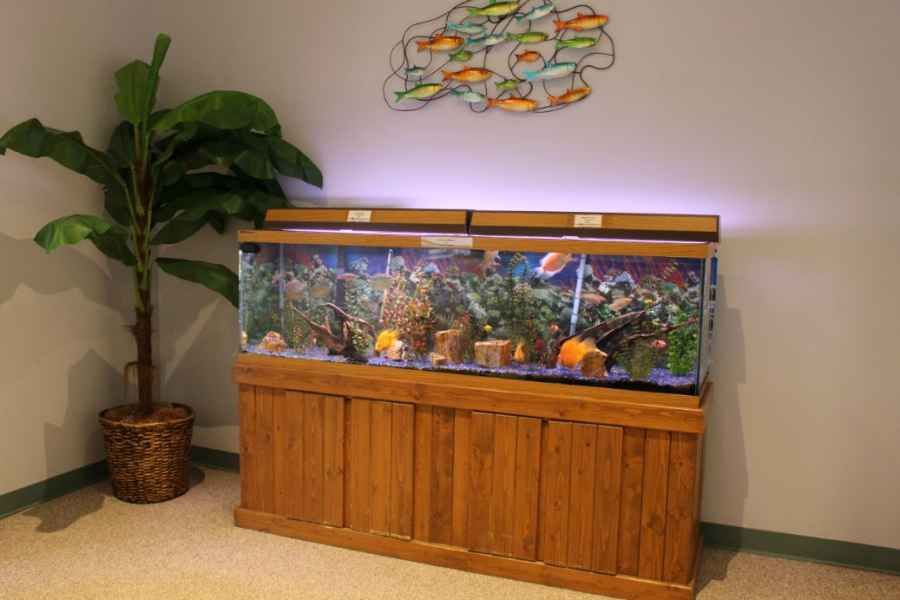
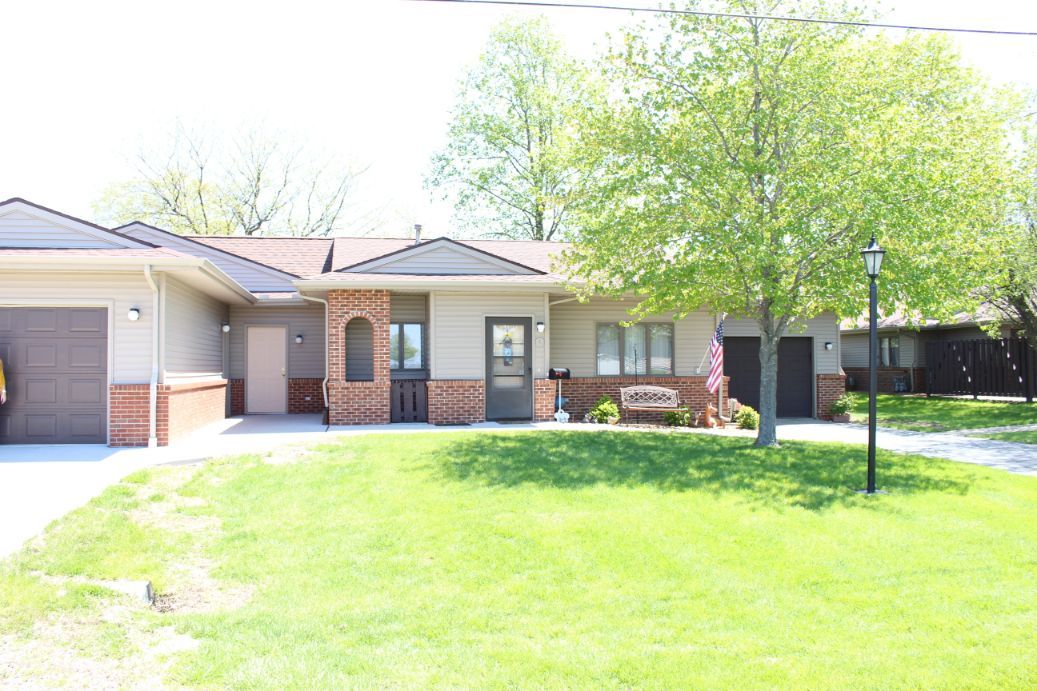
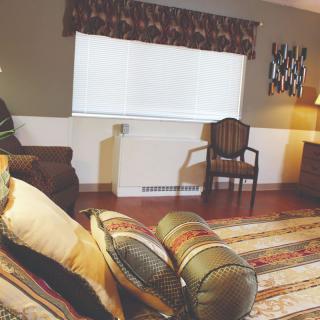
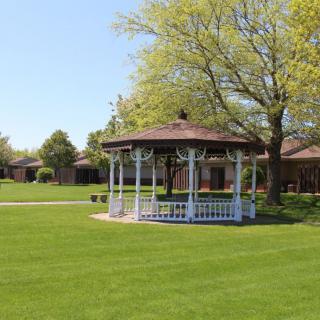
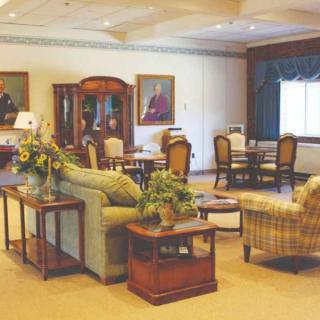
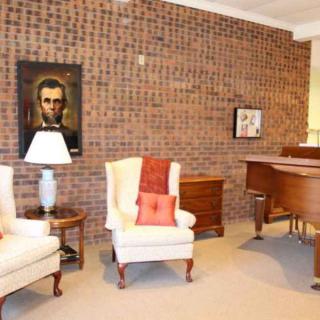
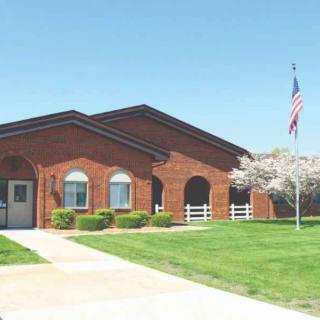
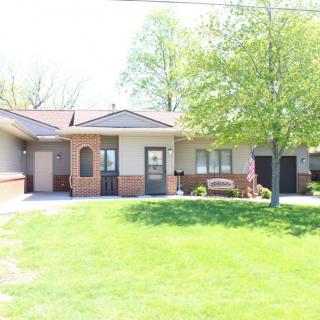
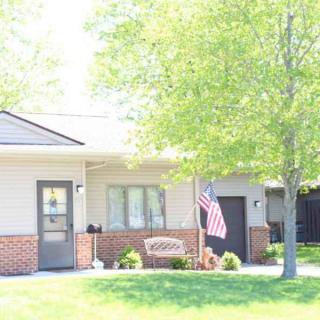
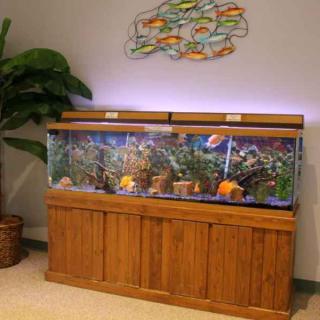
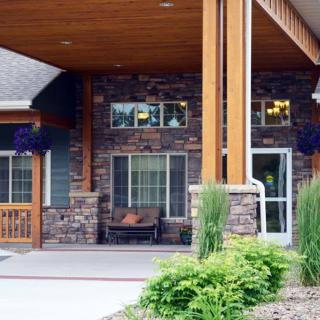
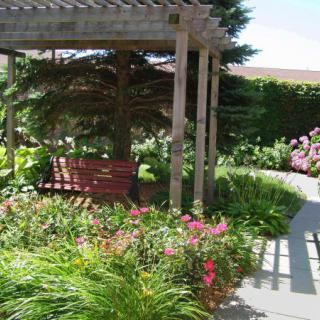
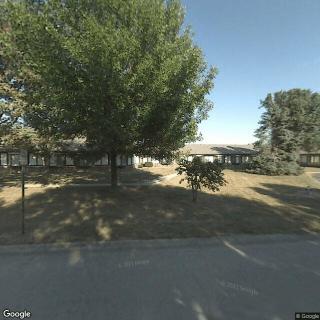
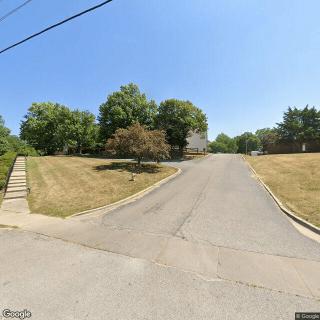
Vonderlieth Living Center on seniors.fyi includes 9 photos including images showing tree, landscaping, living room, interior, decor, aquarium, flag, piano, and more.
Nearby Communities
Friendship Manor
Lincoln, IL
3.8 from 14 reviews
Potential for improvement with better upkeep, staff training, and record-keeping
Lincoln House
Lincoln, IL
4 from 1 review
Convenient location with abundant nearby amenities (parks, pharmacies, doctors, restaurants, transport, and places of worship).
Timber Creek Village Assisted Living of Lincoln
Lincoln, IL
4.6 from 13 reviews
$3,458 to $4,507 / month
Caring staff, clean facilities, and engaging activities in a convenient one-floor, lodge-style setting.
Christian Nursing Home
Lincoln, IL
Comprehensive care options (independent, assisted, and memory care) with on-site amenities and transportation services
The Woods Garden Villa
Lincoln, IL
Home-like setting with personalized care, 24-hour supervision, ADL assistance, medication management, dining, and a garden.
Generations At Lincoln
Lincoln, IL
2.2 from 10 reviews
Extensive amenities and 24/7 staff with transportation, meals, wellness, and private baths
Hickory Point Christian Village
Forsyth, IL
4.1 from 53 reviews
Peaceful, well-maintained campus with accessible spaces and compassionate Christian-oriented care.
Villa Health Care West
Sherman, IL
4.5 from 30 reviews
Caring staff in a clean, well-maintained facility.
Oxford House
Decatur, IL
3.9 from 39 reviews
$543 to $594 / month
Very affordable pricing compared to local county and state averages.
California's Form 602A is a vital tool for evaluating the health needs of seniors seeking residential care, detailing their medical conditions and daily living requirements to ensure proper service alignment. This standardized form enhances communication among physicians, families, and facilities, serving as a regulatory measure for admissions and ongoing care while adapting to changing healthcare practices.
The overview of blood pressure management for seniors emphasizes the importance of monitoring and interpreting blood pressure readings, noting that normal ranges can vary due to age-related factors and individual health conditions. It highlights tailored guidelines for systolic and diastolic levels, the necessity of early detection and consistent management to prevent serious health complications, and advocates for personalized care strategies that incorporate lifestyle changes and medication adherence.
Dogs can greatly improve the lives of older adults by offering emotional support and encouraging physical activity, with factors such as size, temperament, and grooming needs being crucial in selecting a suitable breed. Senior dogs often make ideal companions for this demographic, promoting social connections and requiring care routines that align with seniors' capabilities.
Get PricingAsk A QuestionSchedule A TourContact Senior Advisor
By clicking submit, you agree to our Partner's Terms of Use. You
also consent to receive calls and texts, which may be autodialed, from our Partner. Your consent is not a condition to
using our Partner's service. Please visit our Partner's Privacy Policy for information about their privacy practices.

 90 resident community capacity
 Independent Living
 Skilled Nursing Facility
 Activities on-site
 Air-conditioning
 Beauty salon
 Cable or satellite TV
 Computer center
 Devotional services off-site
 Dining room
 Fitness room
 Fully furnished
 Gaming room
 Garden
 Housekeeping services
 Indoor common areas
 Kitchenette
 Move-in coordination
 Outdoor space
 Private bathrooms
 Restaurant-style dining
 Small library
 Telephone
 Wellness center
 Wi-Fi/high-speed internet available
 Capital (24 miles away)
 Community operated transportation
 12-16 hour nursing
 24-hour call system
 Ambulatory care
 Assistance with bathing
 Assistance with dressing
 Assistance with transfers
 Diabetes diet
 Diabetic care
 High acuity care
 Medication management
 Mental wellness program
 Special dietary restrictions
 Concierge services
 Planned day trips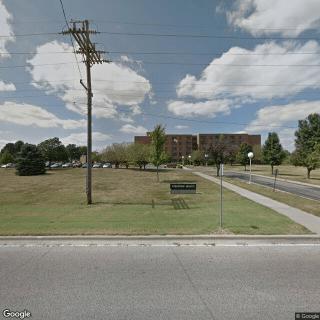
 Potential for improvement with better upkeep, staff training, and record-keeping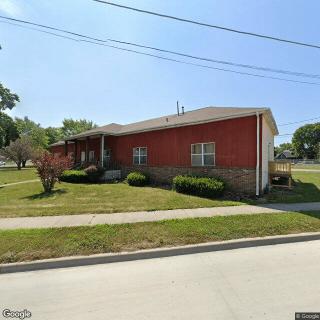



 California's Form 602A: An In-Depth Examination of Senior Care Assessment
 Comprehensive Look at Senior Blood Pressure Charts: Normal and Elevated Levels by Age
 Top Canine Companions for Older Adults