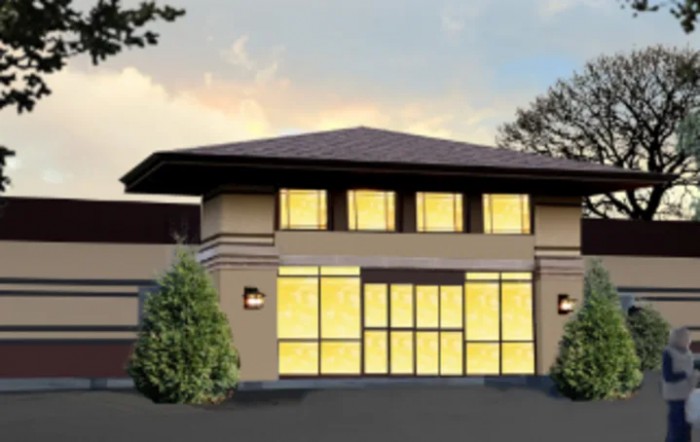
2202 North Kickapoo Street, Lincoln, IL 62656
For more information about senior living options: (866) 208-4318
Overall Review of Generations At Lincoln
Pros
 The place is amazing.
- The staff are amazing with the residents.
- There have been no issues there.
- The brother has been there for seven years.
- More stars could be given.
Cons
 Lori Seger's ventilation wasn’t cleaned, leading to a 14-minute breathing lapse and a life-threatening outcome.
- The facility is described as terrible.
- The place is not what it claims on the website and should be shut down; it’s dirty with old stained ceiling tiles and old furniture.
- The staff are really bad at answering phones, making it hard to reach them for a loved one.
- A loud, unnecessary beeping from a machine continued for seven minutes, indicating neglect of proper care.
Review
Generations At Lincoln is best suited for families seeking steady, hands-on nursing-home care where frontline staff can become familiar with residents and respond with a personal touch. The strongest argument in its favor is the presence of caregivers who can form relationships and provide day-to-day attention, a reality reflected by at least one family’s long-term experience: a relative who has been there for seven years and praised the staff’s dedication. It is not marketed as luxury; the setting remains a traditional skilled-nursing environment focused on ongoing care rather than upscale amenities. For residents who value consistent human contact over frills, this community can deliver meaningful, if not flawless, care.
Nevertheless, serious red flags recur in the feedback. Several reviewers question cleanliness and upkeep, old tiles, stained ceilings, and worn furniture, that undermine comfort and safety. Communications emerge as a chronic weakness: phones that go unanswered and staff that appear hard to reach; alarms and beeping devices that persist without timely attention. A particularly alarming account describes a ventilation-related medical crisis, underscoring vulnerabilities where maintenance and rapid response intersect with resident safety. The combination of these concerns makes it hard to trust that basic day-to-day operations are consistently reliable.
Taken together, the community’s pros hinge on the human element, the care staff, while the cons expose systemic gaps. When staff are personally engaged, residents can feel known, valued, and supported, which matters deeply in a setting with complex health needs. Yet that goodwill does not erase the risk from environmental neglect or communication breakdowns. The most compelling negative narratives, dirtier conditions, unresponsive phones, and repeated maintenance lapses, tend to dominate impressions and raise questions about how well leadership oversees daily operations. In practice, the good days rely on frontline warmth to mask underlying process weaknesses that may surface under stress.
Operational transparency and safety become central concerns. Several reviewers report that essential signals, such as a beeping machine, remain unresolved for long periods, suggesting insufficient staff availability or follow-through. The disconnect between what the facility presents online and what families observe in person adds to skepticism about overall quality control. For families, these patterns translate into practical risk: delays in care, missed cues for medical needs, and a facility more prone to odor and maintenance issues than a hospital-adjacent environment. In short, the safety net feels thinner than expected for a setting that should prioritize vulnerability and routine monitoring.
Families evaluating Generations At Lincoln should approach with a hard checklist before committing. Request an unannounced tour and observe how staff interact with residents at different times of day. Review state inspection and deficiency reports, and ask for concrete examples of improvements made in response to past concerns. Speak with current residents and families about accessibility to staff, wait times for call-bell responses, and the cleanliness of rooms and common areas. Verify the availability of rehabilitation services and the cadence of maintenance, housekeeping, and dietary oversight. Demand a current, measurable care plan and a clear escalation path when needs are not met.
The bottom line: this community presents a mixed proposition where the potential for compassionate, steady caregiving sits beside persistent operational red flags. For families prioritizing reliability, cleanliness, and responsive communication, stronger alternatives should be pursued. If selecting Generations At Lincoln, enter with explicit expectations, set up ongoing oversight, and insist on clear milestones for maintenance, staff responsiveness, and transparency. Only if credible progress is demonstrated and leadership shows a concrete commitment to fixing the long-standing concerns reflected in the reviews should this option be reconsidered.
 126 resident community capacity
 Skilled Nursing Facility
 Air-conditioning
 Beauty salon
 Cable or satellite TV
 Computer center
 Dining room
 Fitness room
 Fully furnished
 Gaming room
 Garden
 Housekeeping services
 Kitchenette
 Move-in coordination
 Outdoor space
 Private bathrooms
 Restaurant-style dining
 Small library
 Telephone
 Wellness center
 Wi-Fi/high-speed internet available
 Community operated transportation
 12-16 hour nursing
 24-hour call system
 Activities of daily living assistance
 Assistance with bathing
 Assistance with dressing
 Assistance with transfers
 Diabetes diet
 Medication management
 Mental wellness program
 Special dietary restrictions
 Concierge services
 Planned day trips




 Comprehensive Guide to Medicare Coverage for Hospice Care
 Caring for Those Who Care: Recognizing, Understanding, and Overcoming Caregiver Burnout
 Caregiver Exhaustion: Recognizing the Signs and Restoring Your Well-Being