For more information about senior living options: (866) 208-4318
3.8 from 110 reviews
5 stars
63
4 stars
13
3 stars
6
2 stars
3
1 stars
25
Bella Terra Costs & Pricing
Bella Terra's monthly costs for room types are positioned slightly above the averages found in Cook County and across Illinois. For a semi-private room, residents at Bella Terra will pay $5,760, which is higher than both the county's average of $5,192 and the state's average of $5,146. Meanwhile, for a private room, the cost is set at $6,780 - again exceeding both local and statewide benchmarks of $5,168 and $5,049 respectively. This pricing reflects Bella Terra's commitment to providing premium services and comfortable living arrangements that may justify the higher cost compared to comparable facilities in the region.
Floor plans
Bella Terra
Cook County
Illinois
Semi-Private
$5,760
$5,192
$5,146
Private
$6,780
$5,168
$5,049
Skilled Nursing Facilities with a similar price nearby
Residents and families repeatedly mention the facility’s cleanliness.
Many reviewers say the building is clean and well maintained, sometimes noting fresh-smelling rooms and attention to upkeep. A few also describe details like daily room cleaning and housekeeping keeping rooms comfortable. The negative reviews contrast this by describing dirty rooms, unsanitized items, and poor room sanitation, including one account of pests/bugs.
common6 reviews mention this
Care team responds quickly
Caregivers are described as attentive and quick to respond.
Several reviewers describe staff as friendly and responsive, including being quick to answer call buttons and keeping families informed about care. Others add that nurses and therapists listen to concerns and follow up on requests. A smaller set of reviews disputes this, describing delayed responses to call lights and feeling that patients weren’t getting timely help.
common9 reviews mention this
Rehab therapy supports recovery
Rehabilitation therapy is a consistent focus in reviews.
Many residents and families mention physical and occupational therapy as part of their rehab experience, often linking therapy to mobility gains and recovery momentum. Reviews also highlight coordinated care involving nurses, CNAs, and therapists during short rehab stays and longer recoveries. In contrast, a few negative reviews criticize therapy quality and discharge experiences, saying the level of therapy didn’t match expectations.
differentiator2 reviews mention this
On-site dialysis is convenient
On-site dialysis is described as a practical convenience.
Two reviewers specifically mention kidney dialysis being available on site and describe it as convenient for scheduling and day-to-day care. In both cases, the dialysis experience is paired with individualized attention from the clinical team.
How we summarize
Counts show how many written reviews mention each theme; a review can touch several themes, and only frequently mentioned themes are displayed.
Features
Types of Care
Skilled Nursing Facility
Amenities
Private
Respite or short term stays offered
Transportation
Chicago O'Hare International (7 miles away)
Chicago Midway (17 miles away)
Nearby Places of Interest
This part of Morton Grove, Illinois, offers a variety of amenities and services that cater to the needs of seniors. With a selection of pharmacies nearby such as Walgreens and CVS Pharmacy, accessing medication and healthcare supplies is convenient. The area also features reputable healthcare facilities like North Shore Physicians Group and Glenbrook Hospital for medical care. Additionally, there are several dining options ranging from fast food restaurants like Raising Cane's Chicken Fingers to more upscale choices like Wildfire, providing seniors with diverse dining experiences. For leisure activities, there are theaters such as AMC Village Crossing Theatre for entertainment options and parks like Clarkson Park for outdoor recreation. Overall, this part of Morton Grove offers a balanced mix of essential services, dining options, entertainment venues, and green spaces that make it a desirable location for senior living.
Restaurants
Raising Cane's Chicken Fingers (0.5 miles)
Panda Express (2.1 miles)
Chick-Fil-A (2.2 miles)
Portillo's Hot Dogs (2.4 miles)
Superdawg Drive-In (2.7 miles)
Glenview Dairy Bar (2.7 miles)
Wildfire (3.2 miles)
Pharmacies
Walgreens (1.6 miles)
CVS Pharmacy (1.6 miles)
Walgreens (2.2 miles)
Rise Dispensaries Niles (2.4 miles)
Walgreens (2.7 miles)
Walgreens (3.1 miles)
Walgreens (3.2 miles)
Theaters
AMC Village Crossing Theatre (2.5 miles)
AMC Rosemont 18 (5.1 miles)
Physicians
North Shore Physicians Group (3.2 miles)
Resurrection Medical Center Professional Building (3.3 miles)
Bella Terra's monthly costs for room types are positioned slightly above the averages found in Cook County and across Illinois. For a semi-private room, residents at Bella Terra will pay $5,760, which is higher than both the county's average of $5,192 and the state's average of $5,146. Meanwhile, for a private room, the cost is set at $6,780 - again exceeding both local and statewide benchmarks of $5,168 and $5,049 respectively. This pricing reflects Bella Terra's commitment to providing premium services and comfortable living arrangements that may justify the higher cost compared to comparable facilities in the region.
Senior drivers prioritize comfort, safety, and ease of use in vehicles due to age-related challenges, seeking features like easy entry, clear visibility, and modern driver-assistance technologies. Recommended models include the Subaru Forester, Honda CR-V, and Toyota Camry, with emphasis on test-driving for personal comfort and evaluating crash-test ratings alongside insurance considerations.
Private pay home care offers a flexible caregiving option for older adults and families who don't qualify for government programs, allowing them to directly fund in-home care services that range from daily assistance to specialized support. This model's customization potential enables aging in place while addressing financial considerations through strategic planning options, though clients must navigate marketplace challenges and ensure quality compliance.
Arthritis encompasses over 100 joint disorders affecting people of all ages, leading to symptoms like pain and stiffness that impair mobility and quality of life. Effective management involves early diagnosis, lifestyle changes, medical treatments, emotional support, and ongoing monitoring with healthcare professionals.
Get PricingAsk A QuestionSchedule A TourContact Senior Advisor
By clicking submit, you agree to our Partner's Terms of Use. You
also consent to receive calls and texts, which may be autodialed, from our Partner. Your consent is not a condition to
using our Partner's service. Please visit our Partner's Privacy Policy for information about their privacy practices.

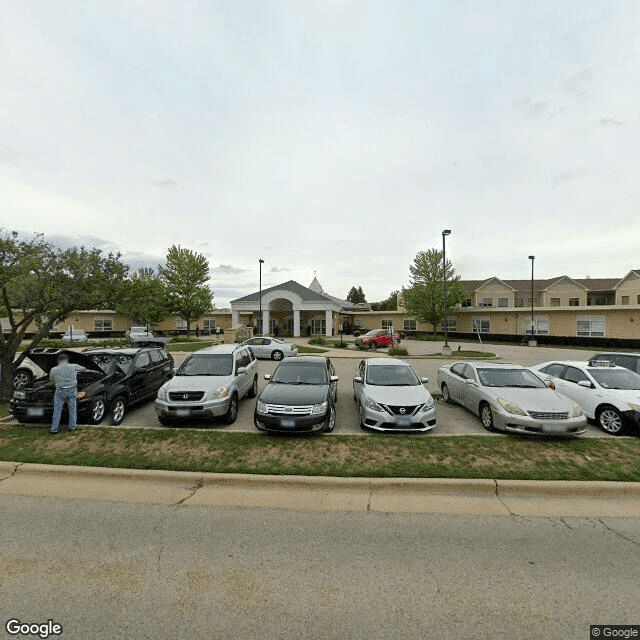
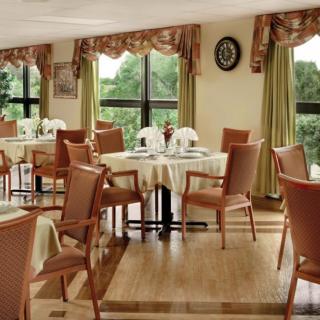
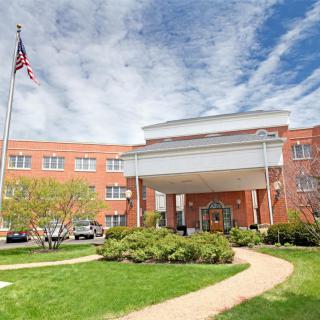
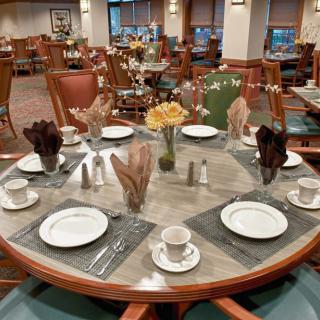
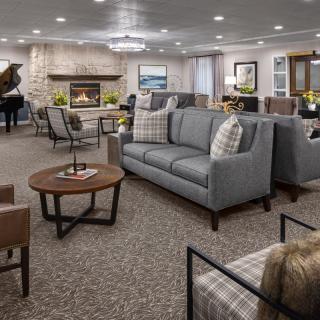
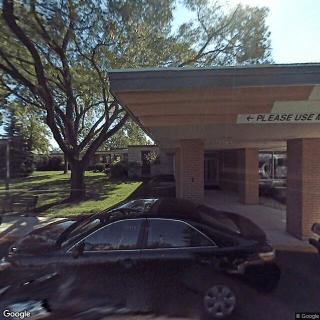
 Skilled Nursing Facility
 Private
 Respite or short term stays offered
 Chicago O'Hare International (7 miles away)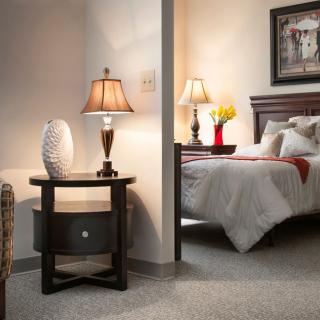
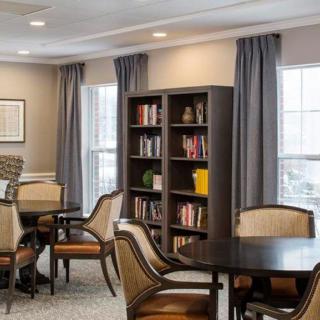
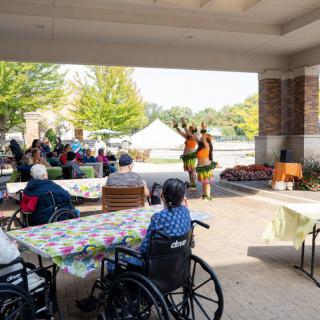
 Caring staff in a clean, intimate setting with all-inclusive pricing.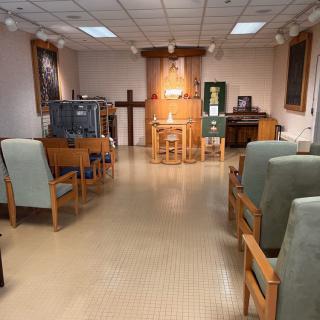

 Top Cars for Senior Drivers and Essential Safety Innovations
 A Closer Look at Private Pay Home Care
 Comprehensive Approaches for Arthritis: A Detailed Guide to Symptoms, Causes, and Care