
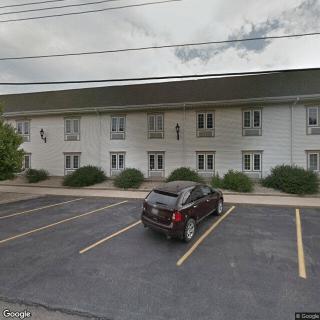
8 Doctors Ln, Macomb, IL 61455
To contact a resident: (309) 833-5555
For more information about senior living options: (866) 208-4318
Overall Review of Heartland Health Care Ctr
Pros
 A former resident highly recommends Macomb Post Acute Care Center for short-term care, long-term care, wound care, and physical/occupational/speech therapy, praising the staff as caring, compassionate, and sincere.
- The care provided to a patient during rehab is described as great, with the therapy department helping prepare her to go.
- The facility is described as delivering great care, with friendly staff and very clean surroundings.
- Kim and Savannah are praised for their hard work in arranging a smooth short-notice admission.
- The staff’s help over a weekend is gratefully acknowledged by the family for a smooth admission and attentive service.
Cons
 The facility is severely understaffed and residents do not receive the care they need, and upper management are condescending and gaslight families.
- The social worker refused to help with VA paperwork, kept the forms for a month, and told them she wouldn’t do them, leaving the husband on his own.
- Staff cannot be reached by phone for weeks during business hours, making it hard for relatives to contact their loved ones.
- The nurse refused to call a doctor, leaving the patient in pain over the weekend.
- The facility is filthy and poorly maintained, with dead bugs in the windows, crusty toilets, crumbs under beds, and cobwebs; staff are unprofessional and the place should be shut down.
- A resident was found on the floor with a tray table on top of her and a soiled diaper, indicating neglect and safety concerns.
- The food is terrible and not nutritious; residents do not get the items they order.
- The pace of care is a nightmare, and residents deserve better.
- The place is the worst; residents do not stay.
Review
Heartland Health Care Center in Macomb is best suited for families prioritizing skilled rehabilitation and short-term recovery, where a capable therapy team can drive measurable gains even if daily care is uneven. When the rehab staff is engaged, residents can expect meaningful progress in physical, occupational, or speech therapy, and discharge planning that supports returning home. This makes the community a reasonable option for post-acute needs after a fracture or surgery, provided there is comfort with some variability in daily operations and a willingness to closely monitor care. It is not the right pick for families seeking consistently high-touch daily care, constant nursing availability, or transparent, proactive management that presses for timely physician input. Those requirements exist in a way that makes alternatives worth considering, especially if staffing patterns and administrative responsiveness are nonnegotiable. The bottom line: if rehab momentum is the sole priority and oversight is planned, the odds tilt toward a favorable outcome; if reliable day-to-day care and steady leadership are paramount, consider other options.
On the positive side, the strongest discernible advantage belongs to the rehab trajectory. Several reviewers describe therapists as capable and dedicated, with patients showing real improvement and a clear path toward discharge after surgery or injury. A former resident’s account reinforces the sense that post-acute services can be strong when therapy is actively engaged, and families point to therapy staff’s competence as a reason to value the facility for short-term stays. When staffing aligns, care teams can be described as caring and sincere, and the environment can feel clean and professional during those shifts. In essence, the therapy department can deliver tangible benefits, and that potential remains a credible reason to consider Heartland for appropriate rehab needs.
Yet the most persistent and corrosive undercurrent across reviews is understaffing and the resultant impact on daily care and safety. Residents and families report slow or unreliable responses to routine needs, difficulty reaching staff by phone, and occasional gaps in basic monitoring. Instances of delayed pain relief and hesitancy to escalate medical concerns point to a system where urgent needs may not be promptly addressed. Safety concerns surface in at least a couple of disturbing anecdotes, including a resident left unattended and a room not properly cared for, which fuel anxiety about what happens when attention is diverted due to staffing constraints. Cleanliness and upkeep are described as uneven, some days look orderly, while other reports detail dirty rooms, old debris, and crumbs that suggest inconsistent housekeeping rigor. Taken together, these factors erode trust and place a higher burden on families to intervene to ensure basic standards.
The benefits of strong rehab and selective compassionate care do not fully offset the broad pattern of risk from staffing gaps and management gaps. When the operation runs smoothly, therapy advances and attentive staff can produce solid outcomes, especially for short-term goals. But the reliability of daily care, timely medication administration, and transparent communication about a resident’s condition remain vulnerable to fluctuation. Management tone matters here: reports of condescension toward families and perceived gaslighting undermine confidence and complicate decision-making for anxious relatives. For long-term residents, these dynamics can magnify stress, limit timely escalation of problems, and make it difficult for families to feel assured that care plans are being followed with rigor. In short, the rehab upside exists, but it is consistently tempered by operational fragility and trust concerns.
For families evaluating Heartland, a practical set of questions becomes essential before making a commitment. First, verify current staffing levels and shift coverage, especially on weekends, to understand the likely experience on a day-to-day basis. Request direct access to the director of therapy and the nursing supervisor to gauge responsiveness and problem-solving styles. Probe the social worker’s capacity and track record with benefits processing, including VA paperwork, and insist on a documented care plan with measurable rehab goals and pain-management protocols. Seek recent quality assurance updates, incident reports, and actions taken to address cleanliness and safety concerns. Finally, tour with an eye for routine and accountability, observe how staff communicate with families, how quickly call lights are answered, and whether the dining and housekeeping teams can demonstrate a consistent standard across shifts.
The decision at heart rests on risk tolerance and care priorities. Heartland Health Care Center can be a solid choice for families prioritizing short-term rehab outcomes when staffing is predictable and oversight is balanced by proactive leadership. For those who require consistently attentive daily care, rapid pain control, and frank, non-defensive communication, alternatives deserve serious consideration. The most reliable path is to align expectations with what the facility can consistently deliver: strong, goal-driven therapy and a basic, compassionate daily care framework when staffing is sufficient; heightened vigilance and backup options when it is not. In the current landscape, this community presents a meaningful opportunity for rehab-focused admissions but demands rigorous ongoing oversight to guard against the significant and documented gaps that accompany the broader care experience.
 Skilled Nursing Facility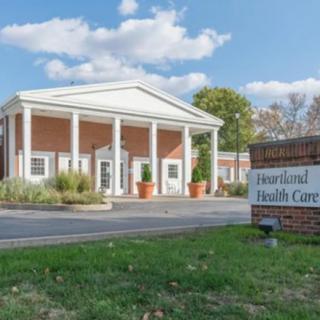




 Comprehensive Exploration of Living Wills and Other Advance Directives
 A Detailed Exploration of Living Wills and Advance Directives
 Comprehensive Guide to Medicare Coverage for Hospice Care