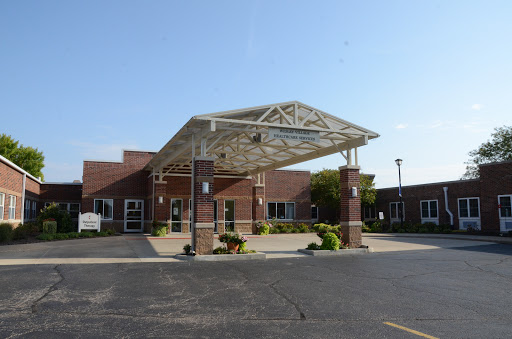


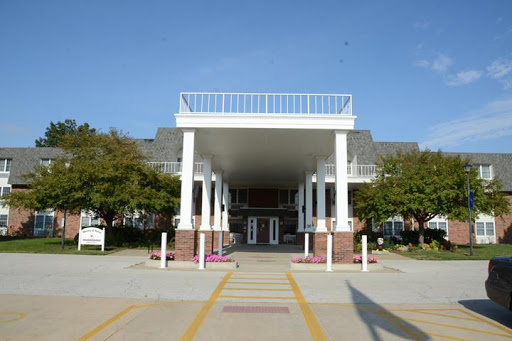



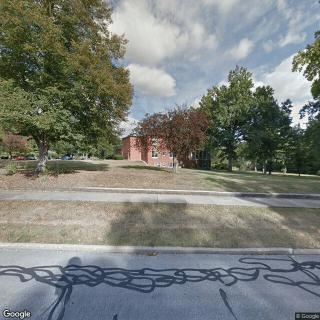
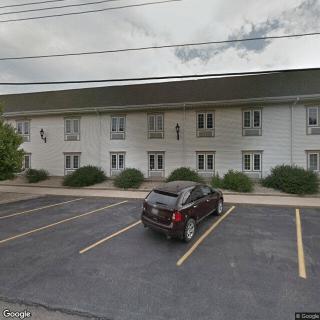
1200 East Grant Street, Macomb, IL 61455
For more information about senior living options: (866) 208-4318
Overall Review of Wesley Village
Pros
 Everyone is very caring at Wesley Village Retirement Center.
- The place is very nice.
- The staff is very nice and very helpful.
- The memory care side is very clean and it doesn't smell.
- Her mother is eating better than before.
- She participates in activities, and there is an activity person who engages residents.
- The tour representative was friendly and very helpful.
- The building is accessible with elevators.
- The administration is great.
Cons
 They were very disappointed with this place and its staff.
- There was no apology given.
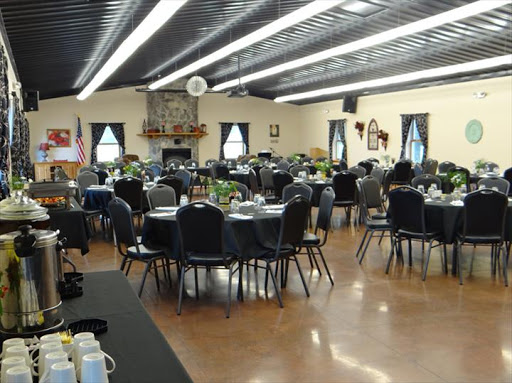
- They were three weeks from graduation with out-of-town guests and had no venue.
- The venue was promised to them but was given to another person who had recently booked it.
- One reviewer quit because of the staff and how they handle situations, and was not allowed back in the facility.
- The staff would not change the grandmother during the night, leaving her with bedsores.
- This had happened multiple times.
Review
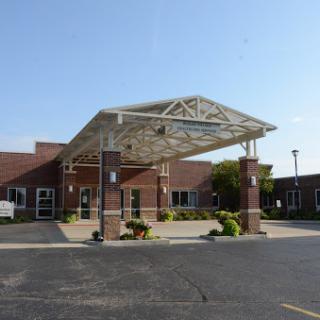
Wesley Village is best suited for seniors who want a clean, well-kept campus with solid memory care options, active programming, and practical rehab services on site. Families seeking an action-oriented environment where social activities are part of the daily rhythm, and where the building layout supports easy movement with elevators on a two-story campus, will find this community appealing. The memory care wing earns particular value for those who prioritize a odor-free, orderly setting, and the presence of an activity professional suggests residents will have structured engagement. For households juggling post-acute needs alongside ongoing daily living, the combination of outpatient rehab and generally respectful administration provides a coherent care continuum worth considering.
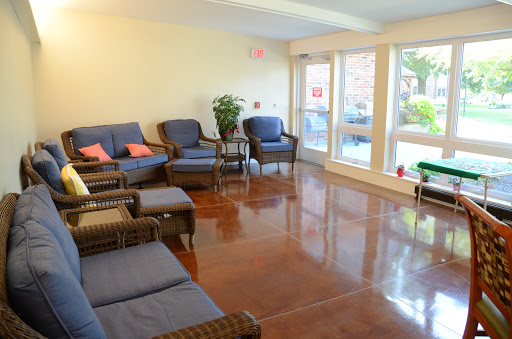
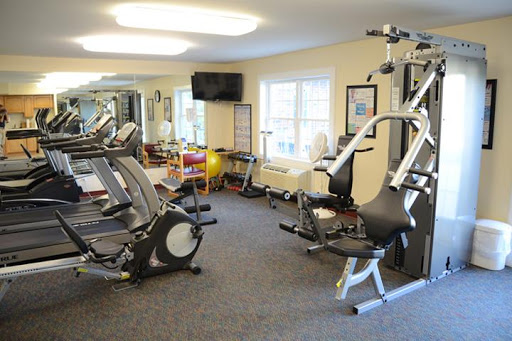
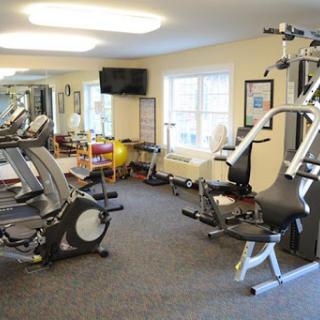
On the plus side, reviewers consistently praise the staff for warmth and attentiveness, and they note a generally nice, well-kept facility with comfortable rooms that feel liberating rather than cramped. The memory care environment is highlighted for cleanliness and a lack of pervasive odors, which matters to families concerned about dignity and comfort. The campus offers useful amenities, an exercise room and a recreation area, that align with a lifestyle focused on wellness, not merely supervision. The presence of an active program led by dedicated staff, plus a generally positive impression from tours, reinforces the sense that daily life there emphasizes engagement and social connection. Administrative leadership is described as effective by several families, contributing to the perception of dependable day-to-day operations.
However, the most troubling threads in the experience are hard to ignore. One family recounts a dramatic failure in event-related communication and accountability that ended with a lost booking and no apology, signaling that even non-clinical touchpoints can fracture trust. More troubling still are reports of friction between families and leadership that culminated in being barred from the campus after a dispute, raising questions about accessibility and how disagreements are resolved. A separate, severe care concern describes a resident left unassisted during the night, resulting in painful sores and a decision to move out, an incident that cannot be rationalized away by talk of amenities or programming. These stories cast a long shadow over the stronger points and must be weighed seriously in any decision.
Those clean, positive notes do offset the concerns to some extent, but only if a family treats them as contingent on steady, transparent accountability. When staff responsiveness and a consistent, compassionate approach are in place, Wesley Village offers a credible blend of care options, social opportunities, and practical services that support both independence and security. The clinical and memory care environments appear capable of maintaining a respectful standard of living, and the rehab and outpatient services provide a bridge to recovery or ongoing support. Yet the contrast with the worst-case anecdotes means this is not a place to choose lightly; the facility’s strengths can be realized only when administrative and clinical communication are consistently reliable.
For families where risk tolerance is low, where a resident requires unwavering, proactive supervision and a culture of immediate accountability, alternatives deserve serious consideration. If steadfast, transparent leadership and a track record of conflict resolution matter as much as floor plans and activity calendars, exploring other nearby options may yield a safer fit. Prospective residents who prize a strong sense of continuity of care, with clear escalation paths and dependable night-time routines, should compare not just the amenities but the reputation for reliability and accountability across staff and management. In short, Wesley Village can be a fit for the right resident, but it hinges on steady governance and unambiguous, compassionate care.
Decision steps are practical: tour with a specific focus on memory care, sleep routines, and what happens when concerns arise, who is accessible, how quickly issues are resolved, and what documentation accompanies care plans. Speak with the DON and several front-line staff to gauge consistency of responses, ask for recent care schedules, and request references from families with residents in both general and memory care units. Obtain a detailed cost breakdown and compare it against nearby communities with similar amenities and a steadier safety track record. If the answers align with a high standard of accountability and clear, humane care practices, Wesley Village can be a solid home; if not, it would be prudent to expand the search to options with more consistently documented reliability and fewer red flags in terms of resident oversight and staff communication.
 73 resident community capacity
 Assisted Living
 Continuing Care Retirement Community (CCRC)
 Independent Living
 Memory Care
 Skilled Nursing Facility
 Activities on-site
 Air-conditioning
 Beauty salon
 Cable or satellite TV
 Computer center
 Devotional services off-site
 Fitness room
 Fully furnished
 Gaming room
 Garden
 Housekeeping services
 Indoor common areas
 Kitchenette
 Move-in coordination
 Outdoor space
 Private bathrooms
 Restaurant-style dining
 Small library
 Telephone
 Wellness center
 Wi-Fi/high-speed internet available
 Community operated transportation
 24-hour call system
 Ambulatory care
 Assistance with bathing
 Assistance with dressing
 Assistance with transfers
 Diabetes diet
 Diabetic care
 High acuity care
 Medication management
 Special dietary restrictions
 Concierge services
 Planned day trips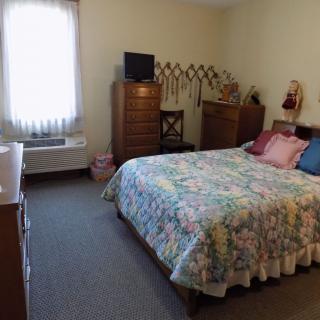




 8 Important Indicators That Memory Care May Be Necessary
 Delving into the Inner World of Dementia: Insights into Thoughts and Awareness
 Five Subtle Dementia Indicators to Observe: An In-Depth Guide to Understanding “Does My Mom Have Dementia?”