

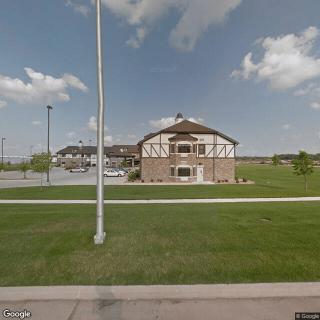
1450 Castle Manor Drive, Lincoln, IL 62656
For more information about senior living options: (866) 208-4318
Overall Review of St. Clara's Rehab & Senior Care
Pros
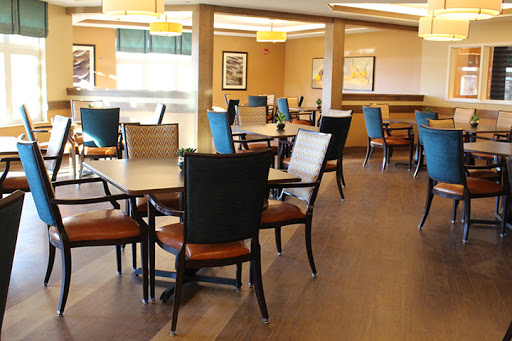
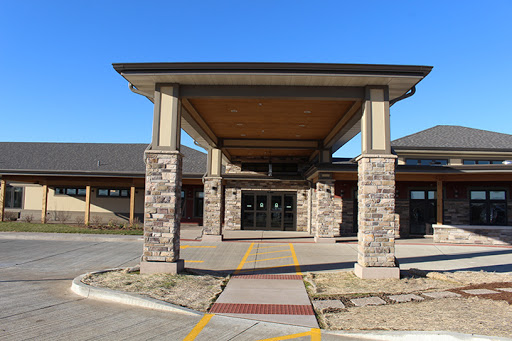
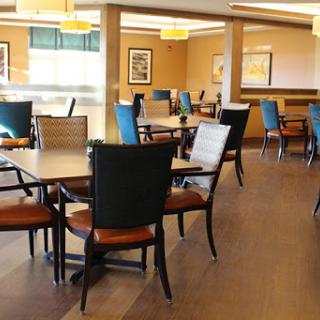
 The staff are very attentive and friendly, and the facility is kept clean with a beautiful terrace and inviting indoor seating for visitors.
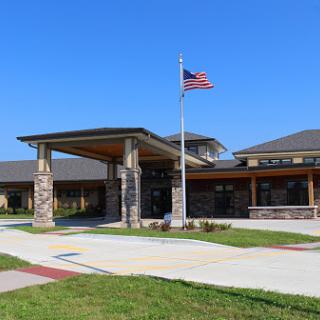
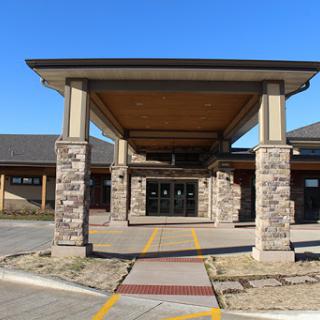
- The facility is beautiful, well managed, and the team works together to put residents at ease.
- The facility is not only beautiful but also clean and well organized, with a family-like atmosphere and a healing energy.
- The staff are compassionate and caring, keeping families up to date and involved, and the new location has great staff.
- It has been a great experience providing quality care for a diverse population.
- The atmosphere feels warm and welcoming, with residents being well cared for.
Cons
 The admissions office never returned calls.
- They would not recommend the facility because it failed to provide the needed answers.
- They described the care as horrible and claimed staff mistreated their loved one.
- They alleged their loved one was over-medicated and kept drugged.
- They observed staff on cell phones at the desk while call lights rang.
- They advised others not to send their loved ones there.
Review
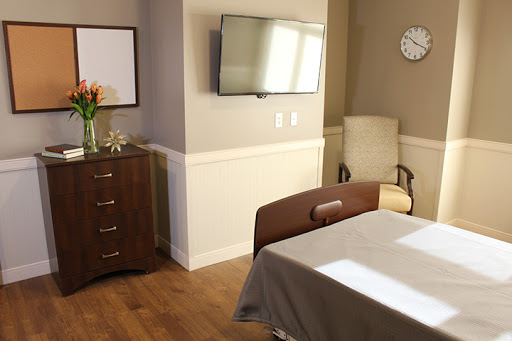
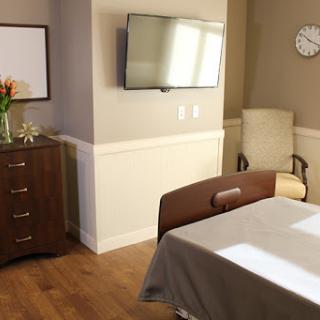
St. Clara's Rehab & Senior Care in Lincoln, IL is best suited for families seeking a facility that feels warm, well cared-for, and aesthetically inviting, with a clear emphasis on a cohesive, team-oriented staff. The campus presentation, clean, welcoming common areas, and private rooms, can provide immediate comfort to families and residents who place value on atmosphere and personal interactions. This community tends to work well for residents who can benefit from a strong sense of belonging and regular family involvement in care decisions, rather than those who require highly centralized medical oversight every hour of the day. For seniors who operate well in a supportive, socially engaged environment and who can tolerate variable staffing, St. Clara’s can offer a livable, reassuring backdrop.
Those weighing alternatives should take note of several red flags that recur in the reviews. Families needing consistent, proactive medical oversight and transparent, timely communication from administration should consider other options. A number of reviews point to admissions experiences that were difficult or unresponsive, and to a pattern of short staffing and perceived gaps in day-to-day responsiveness. Equally troubling are claims of medication management issues and mixed or conflicting medical input that left loved ones under heavier sedation or unclear about diagnoses and treatment plans. For caregivers who insist on rigorous oversight, clear updates, and a reliable escalation path when concerns arise, the cautionary experiences described here justify exploring other communities.
On the positive side, multiple reviews highlight a facility that is exceptionally clean, visually appealing, and staffed by individuals who express warmth and a genuine willingness to help. The environment often feels like a team-centric operation where the whole staff pulls together to support residents and keep families informed. In several accounts, private rooms, pleasant visiting spaces, and a clean, well-organized campus contribute to a sense of safety and comfort. When the mood in the halls is calm and respectful, residents respond with better mood and engagement, and family visits feel productive rather than stressful. These strengths matter a great deal for residents who thrive on routine, social interaction, and a trustworthy, personable staff demeanor.
Yet the climb from warmth and cleanliness to consistent care is where the tension lies. The most persistent criticisms focus on staffing levels and the resulting impact on care quality, timeliness, and attentiveness. Reports describe moments of staff being occupied with other duties or distracted, with call lights left unanswered and therapy sessions skipped or delayed. Some families recount medication administration practices that seem misaligned with daytime needs, and there are troubling anecdotes about doctors offering divergent opinions or a lack of cohesive diagnostic direction. In essence, the environment can be bright and welcoming, but the daily experience in care delivery can feel unstable for residents who require steady hands and predictable routines.
The pros do not fully offset the cons when patient safety and reliable medical coordination are the top priorities. A beautifully kept facility and a friendly staff can stabilize anxiety and encourage family engagement, yet those advantages become moot if care plans are inconsistently implemented, if medication management is unclear, or if important medical updates fail to reach families promptly. For residents who can tolerate and participate in active oversight, with regular direct conversations with nursing leadership and clear, documented care plans, the environment can still yield positive, meaningful days. For others, especially those with complex medical needs or a history of urgent or evolving health concerns, the risk profile warrants serious consideration of alternatives.
Practical next steps for families evaluating St. Clara’s include insisting on direct access to the Director of Nursing and the medical director to review current staffing patterns, care coordination practices, and med administration policies. Request a candid tour during peak activity to observe response times, therapy consistency, and how call lights are managed. Ask for a written, individualized care plan with explicit goals, timelines, and daily schedules, plus a monthly progress report. Check recent CMS ratings and state survey results, and speak with current residents or family members about communication responsiveness over the past quarter. If choosing this community, set expectations upfront, arrange structured family updates, and ensure there is a robust escalation path for concerns.
Bottom line: St. Clara’s can be a solid fit for families who prize a welcoming atmosphere, visible teamwork, and a well-kept campus, with active family involvement guiding care decisions. For those who require dependable, transparent medical oversight, consistent staffing, and timely, clear communication, it is wise to compare other options first and to test-drive processes with concrete, measurable assurances. In the right hands, where care plans are explicit, and oversight is ongoing, St. Clara’s offers a livable, compassionate environment; in other scenarios, a more consistently coordinated option may be preferable.
 140 resident community capacity
 Skilled Nursing Facility
 Air-conditioning
 Beauty salon
 Cable or satellite TV
 Computer center
 Dining room
 Fitness room
 Fully furnished
 Gaming room
 Garden
 Housekeeping services
 Kitchenette
 Move-in coordination
 Outdoor space
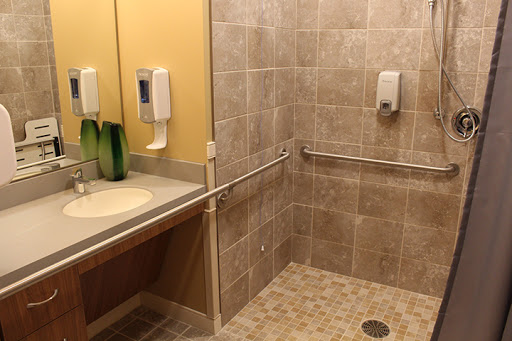
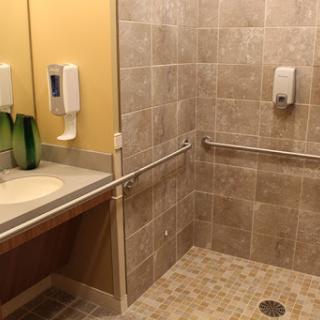
 Private bathrooms
 Restaurant-style dining
 Small library
 Telephone
 Wellness center
 Wi-Fi/high-speed internet available
 Community operated transportation
 12-16 hour nursing
 24-hour call system
 Activities of daily living assistance
 Assistance with bathing
 Assistance with dressing
 Assistance with transfers
 Diabetes diet
 Medication management
 Mental wellness program
 Special dietary restrictions
 Concierge services
 Planned day trips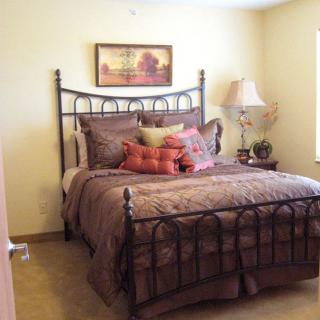






 Exploring Nonmedical Home Care: Understanding Services, Costs, and Financial Approaches
 Engaging Brain Games and Innovative Apps to Keep Senior Minds Active
 Effective Strategies for Keeping Seniors' Minds Active: A Deep Dive into Brain Games and Apps