1550 Castle Manor Drive, Lincoln, IL 62656
For more information about senior living options: (866) 208-4318
Overall Review of Castle Manor Supportive Living
Pros
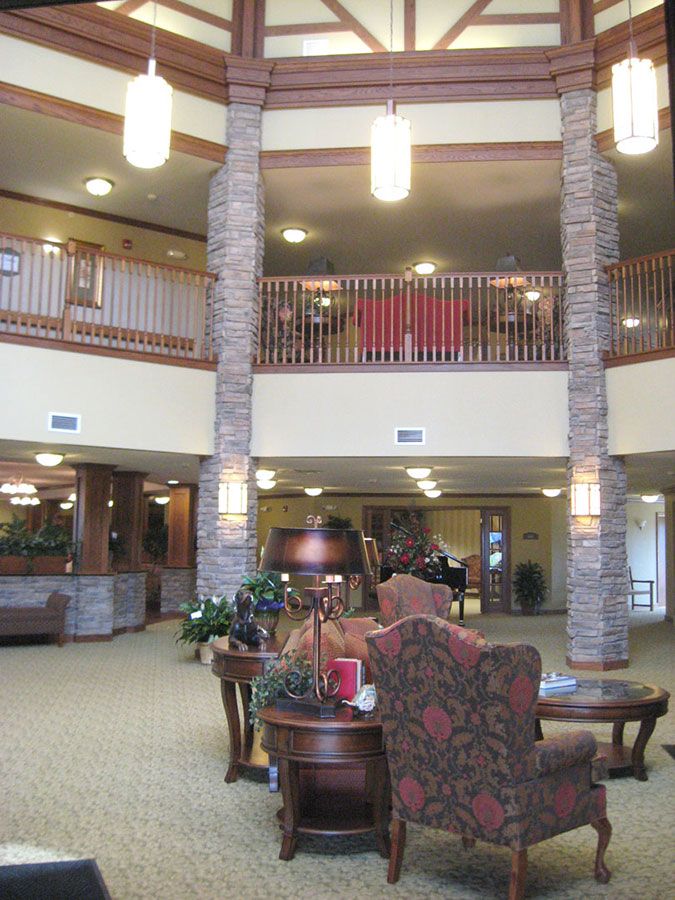
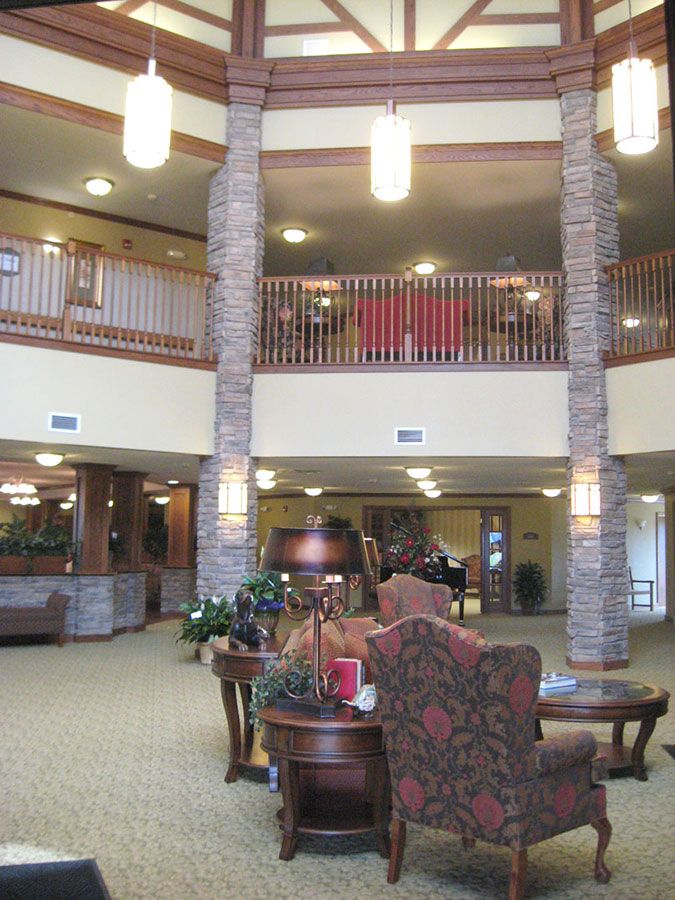
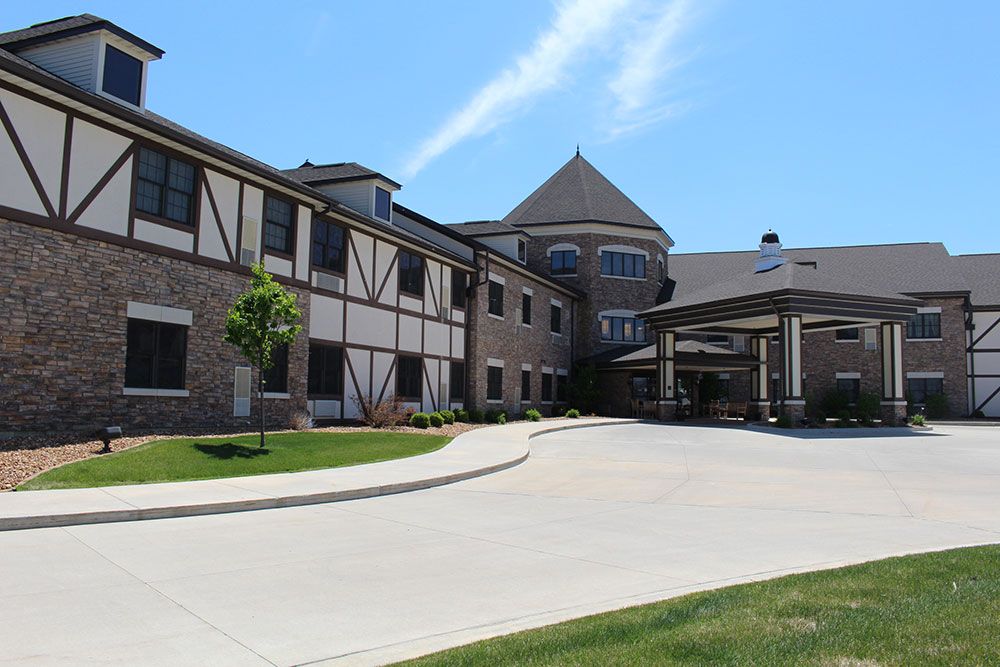
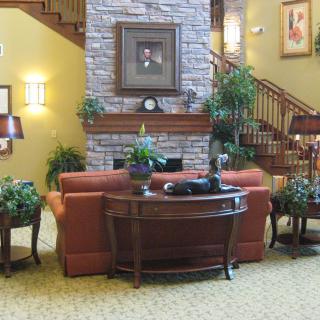
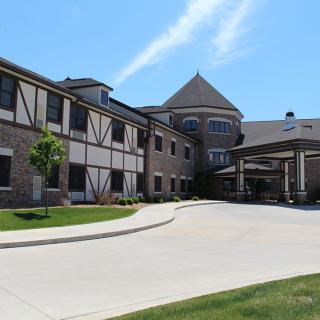
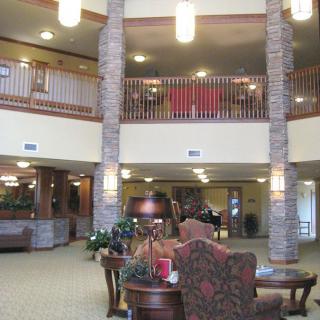
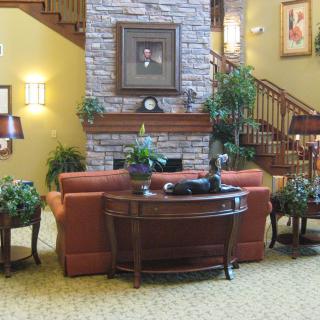
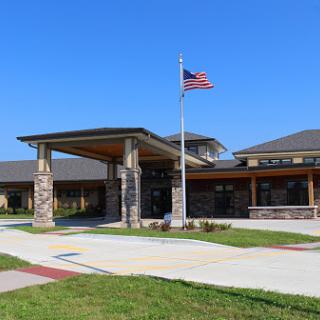
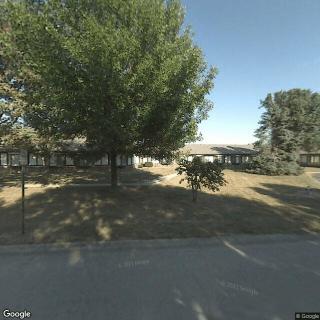
 The architectural design is stunning and makes a striking first impression.
- The staff are welcoming and residents seem happy.
- Castle Manor has a very welcoming environment with inviting and friendly staff.
- They take excellent care of residents and keep families well informed of any issues.
- Castle Manor is the only supportive living community in Logan County and is described as a blessed retirement home in Lincoln.
- The staff are top-notch and provide outstanding care.
Cons
 They claim Castle Manor doesn’t care for its workers, citing bullying among staff and the rehiring of someone who had treated another employee badly, implying how residents would be treated.
- They suggest that if that worker could act that way toward a coworker, it’s obvious how she would treat the people staying there.
Review
Castle Manor Supportive Living in Lincoln, Illinois is best suited for seniors who want a warm, aesthetically inviting setting with attentive staff, clear family communication, and a genuine sense of community. It serves those transitioning from independent living to assisted living who still value an active social atmosphere and regular, transparent updates about care. As the only supportive living option in Logan County, it offers a convenient, local home base where families can stay connected with daily care without sacrificing a feeling of belonging.
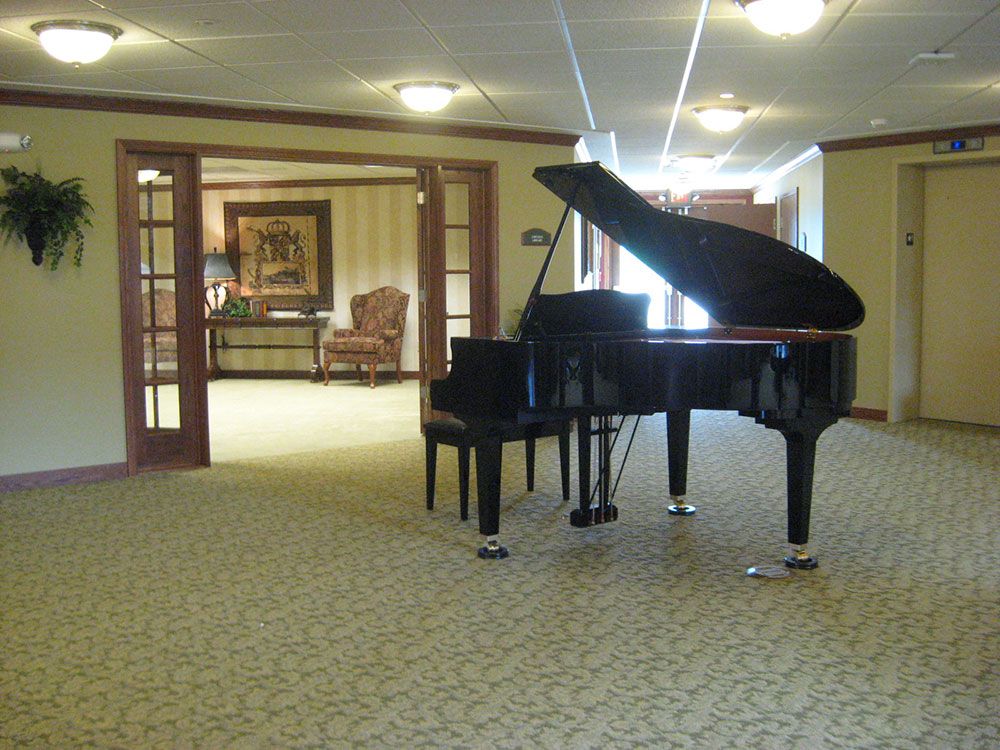
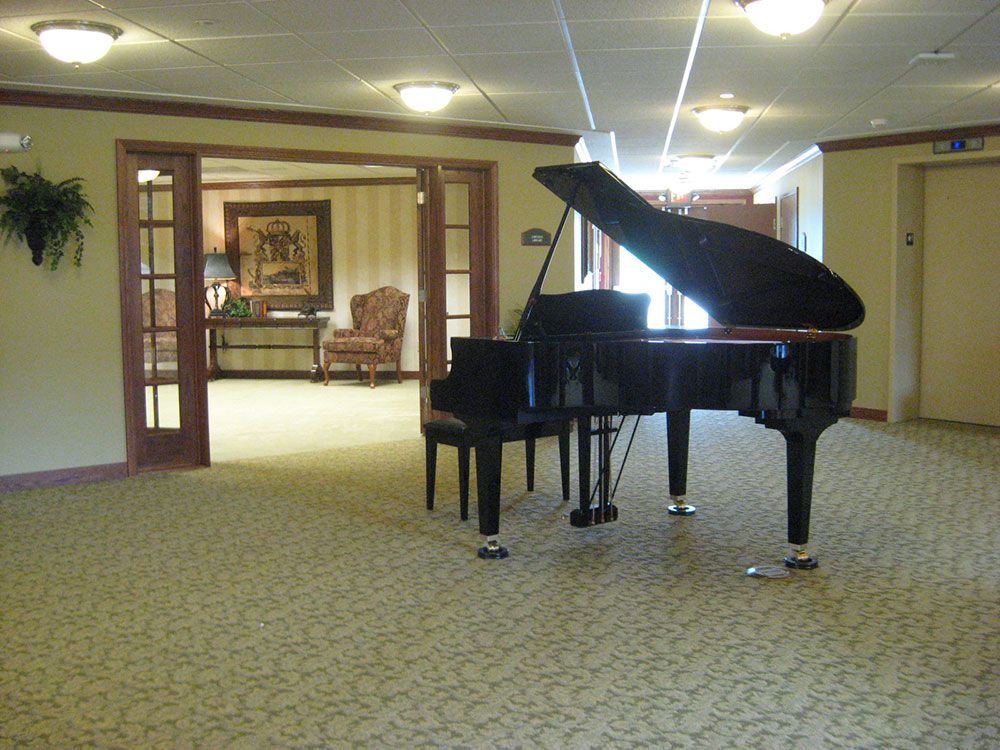
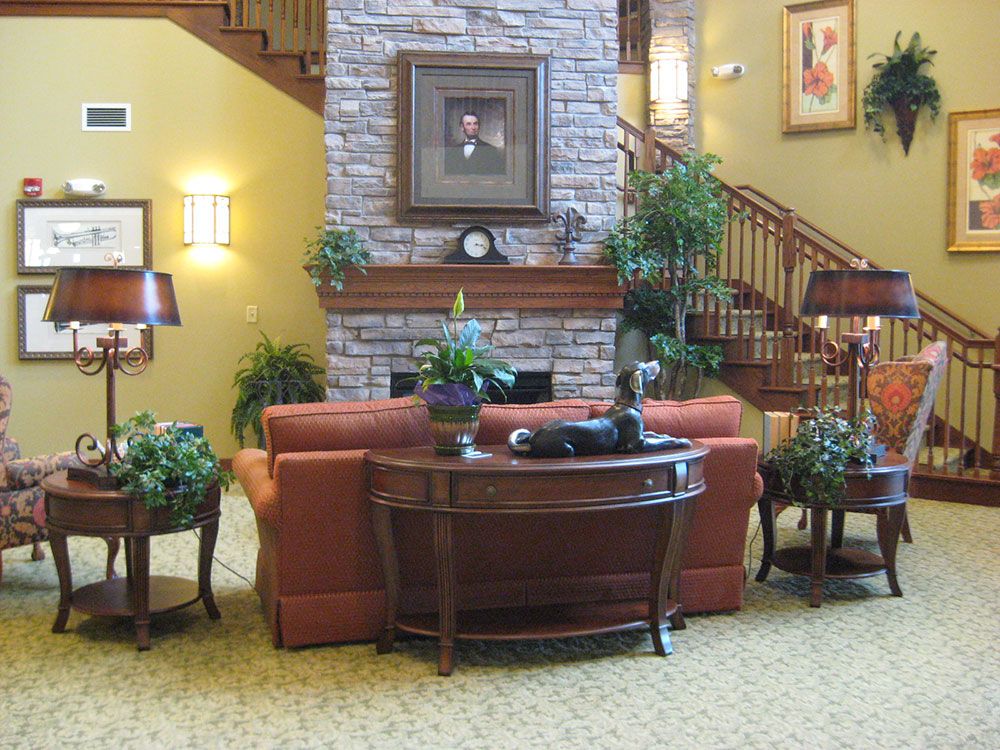
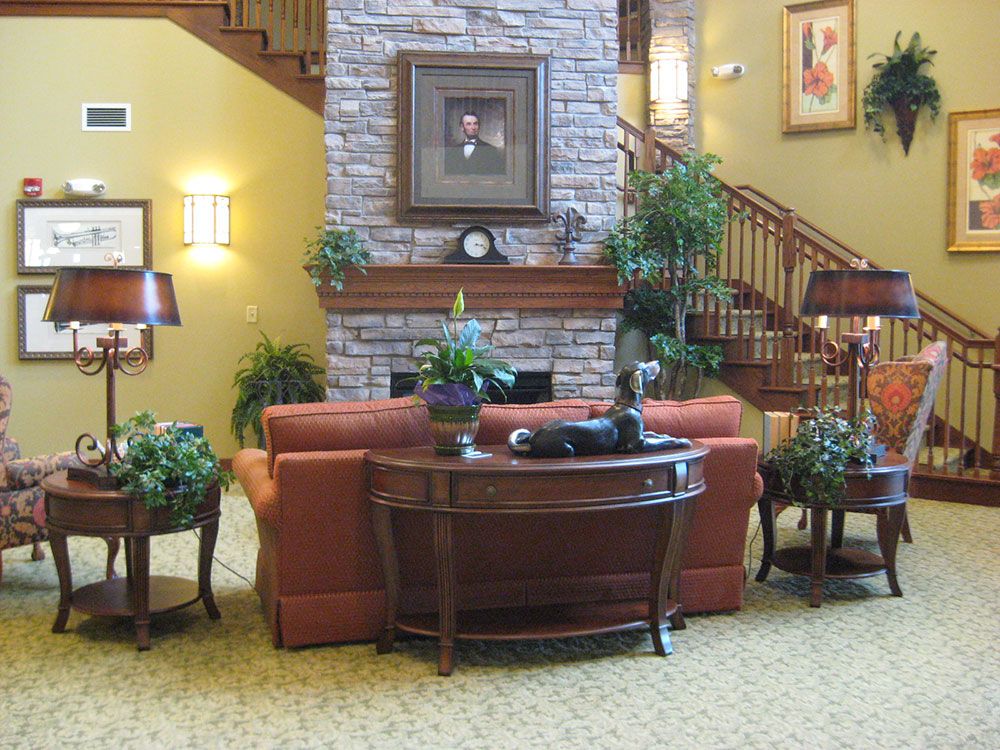
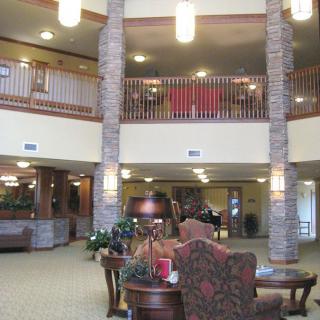
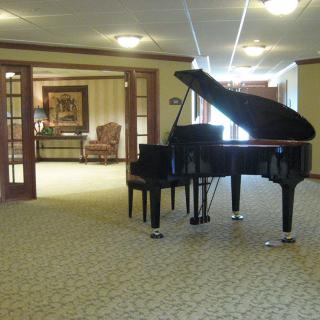
The facility itself makes a strong first impression. The architectural design and interior ambiance are consistently described as beautiful and welcoming, which matters because a positive environment can buoy mood, participation, and overall satisfaction. Beyond looks, the staff presence is a recurring strength: residents appear happy, and staff are noted as friendly, accessible, and eager to help. Those interactions translate into a practical benefit, families receive timely information about care issues and daily happenings, which reduces anxiety and supports trust in the caregiving team. In a community where visual appeal and a warm atmosphere align, residents tend to engage more, which supports a richer daily life.
A longstanding positive pattern also emerges in reported care quality. One resident’s family describes eight years of loving care, with caregivers who are responsive and communicative about issues as they arise. The sentiment that staff are top-notch reinforces the impression of a stable, capable team that understands resident needs and keeps families in the loop. When residents stay for extended periods, it often signals consistent programming, reliable routines, and a familiar staff cadre, factors that can translate into predictable care and reduced stress for both residents and relatives. In short, the combination of a beautiful setting and steady, friendly hands creates a practical, confidence-building backdrop for daily living.
Yet a single, pointed critique of staff culture cannot be ignored. One review raises concerns about interpersonal dynamics within the workplace, describing bullying and an HR decision to rehire an employee who had mistreated a coworker. That message touches a legitimate red flag: staff morale, supervision, and accountability matter deeply because they shape how residents are treated, how concerns are handled, and how stable the caregiving environment remains over time. While this viewpoint is not universal, it underscores the need for prospective families to press for specifics on governance, training, and complaint resolution. Observing interactions across shifts, and asking direct questions about staff supervision and the facility’s response to conflicts, becomes a practical step in due diligence.
The strong positives, environment, friendliness, family communication, and the local convenience, offset many concerns for families prioritizing quality of life and dependable day-to-day care. However, this balance tilts depending on individual needs. For seniors who require more intensive medical oversight, memory-specific programming, or a larger care team with higher staff-to-resident ratios, Castle Manor may still meet essential needs, but alternatives with broader clinical resources could offer greater reassurance. The decision hinges on how much weight is placed on a pristine setting and open communication versus the assurance of consistent, predictable staff culture and stricter oversight.
In the end, Castle Manor stands out as a compelling option for Lincoln-area families seeking a locally rooted, aesthetically pleasing, and socially active supportive living environment. It delivers meaningful value through staff warmth, transparent communication, and a sense of belonging that many seniors prize. The cautionary note about staff culture means that prospective residents should conduct thorough due diligence: observe daily routines, query management practices, and assess whether the leadership team demonstrates proactive, resident-centered accountability. If those checks align with family expectations, Castle Manor offers strong, practical value. If not, it is wise to compare alternatives that emphasize more robust staffing structures or different cultural dynamics to ensure the fit is truly right for a loved one.
 21 resident community capacity
 Assisted Living
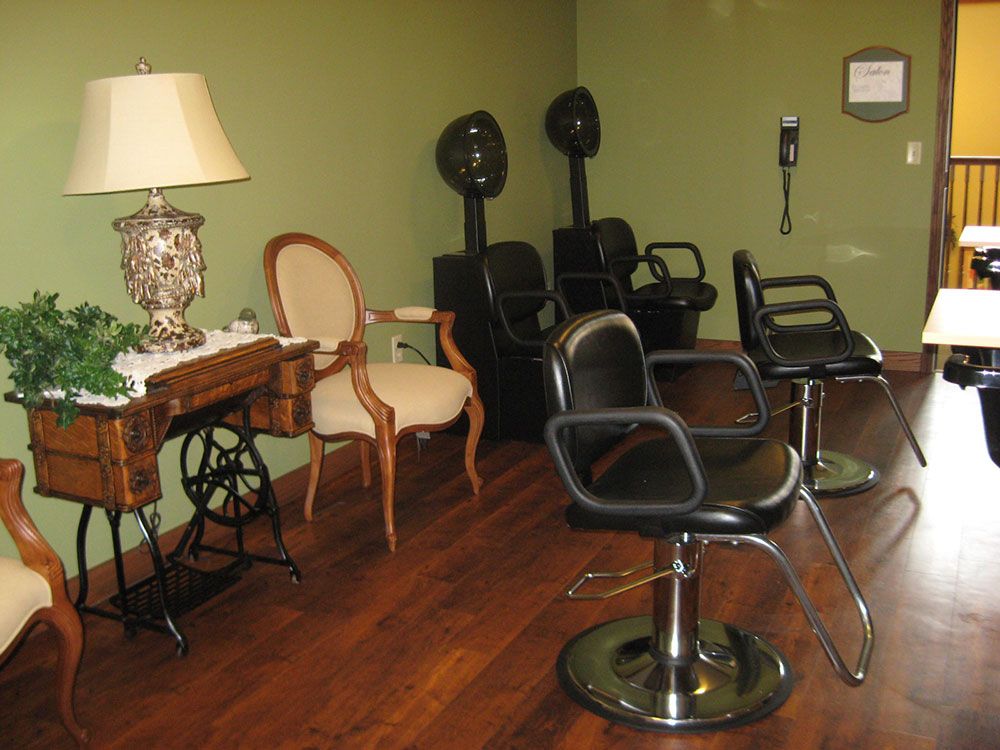
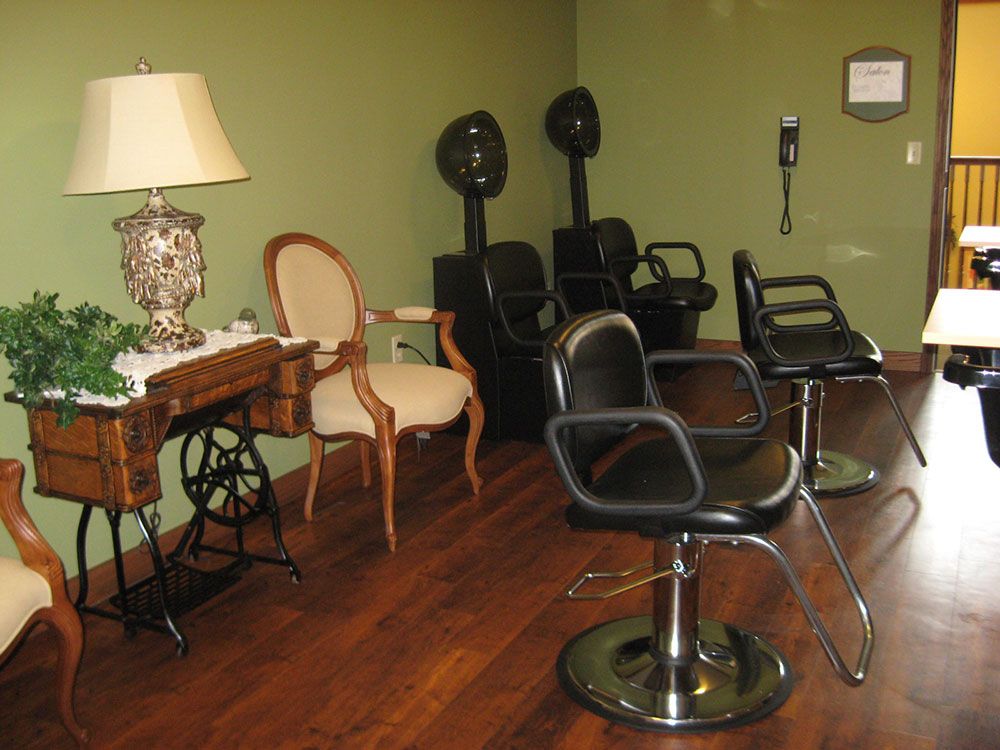
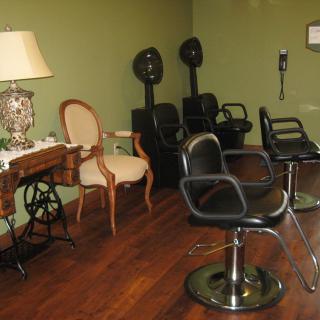
 Beauty salon
 Cable or satellite TV
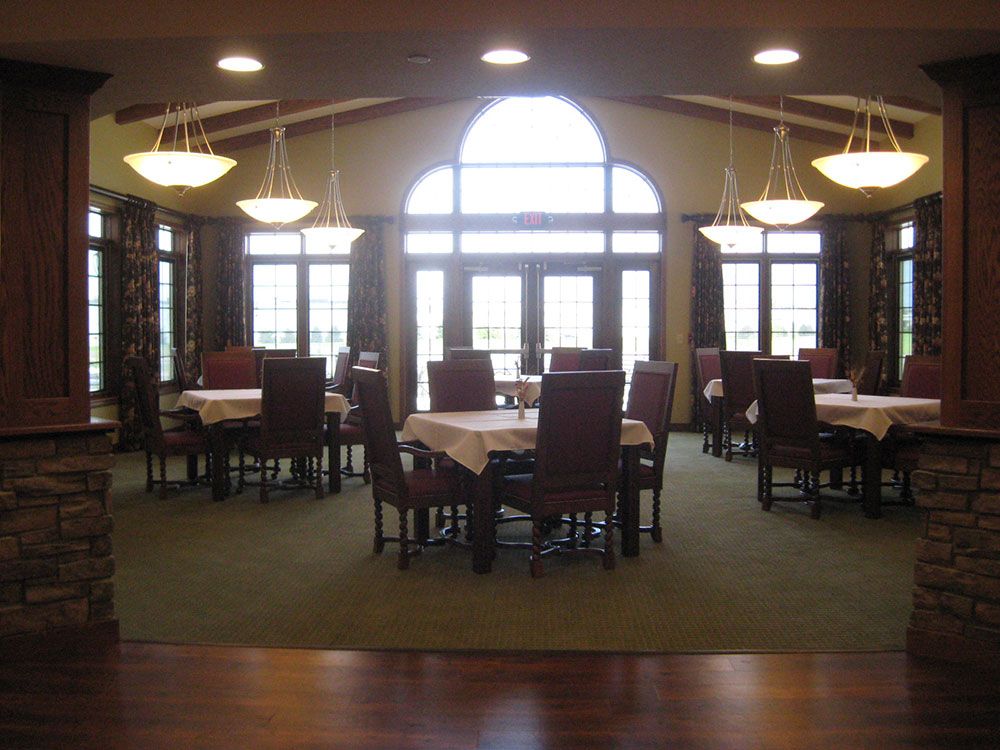
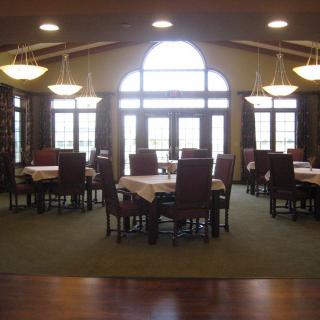
 Dining room
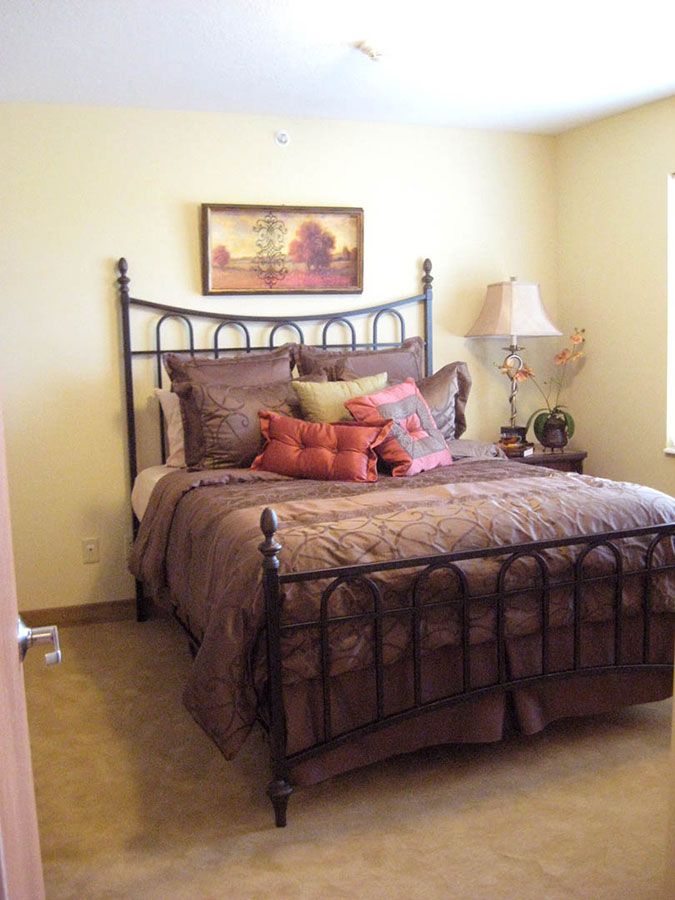
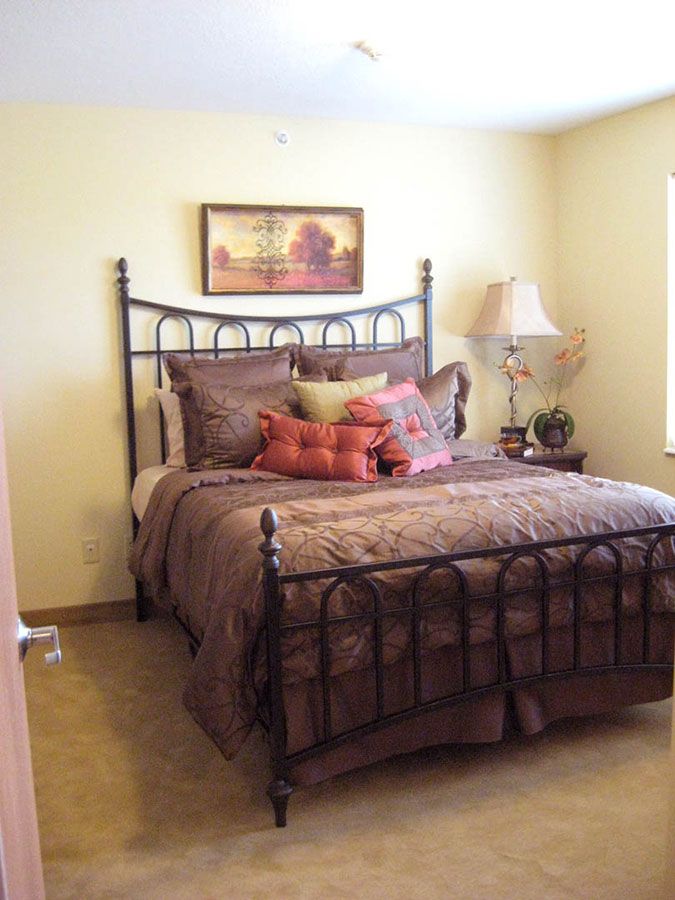
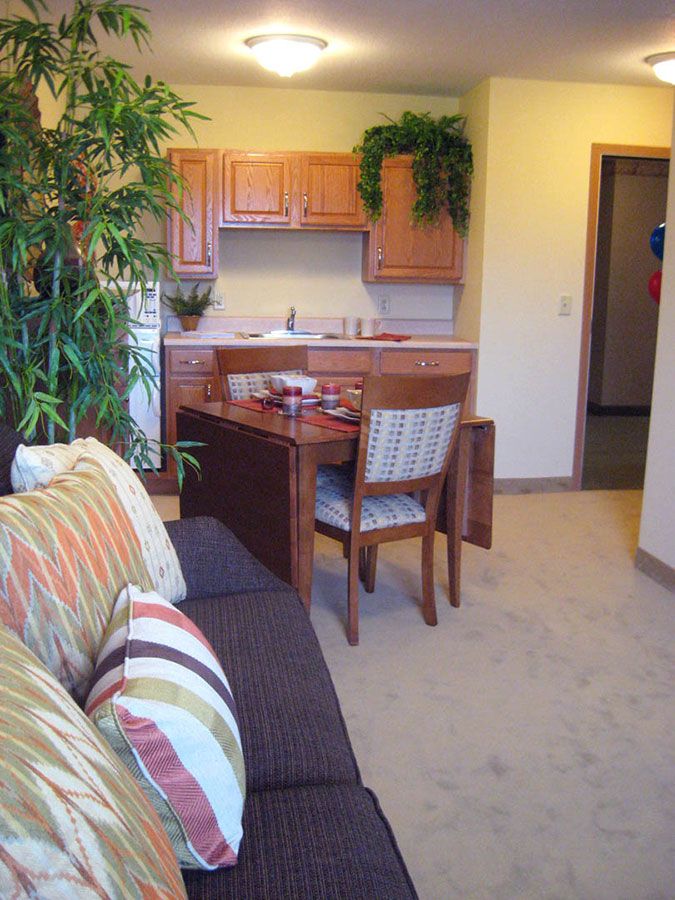
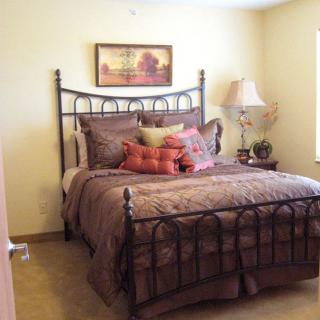
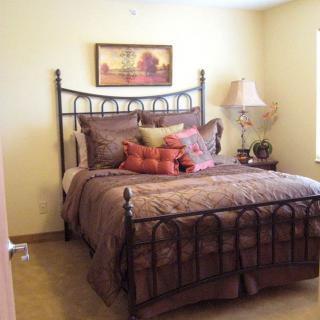
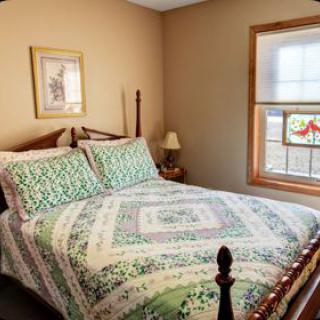
 Fully furnished
 Garden
 Housekeeping services
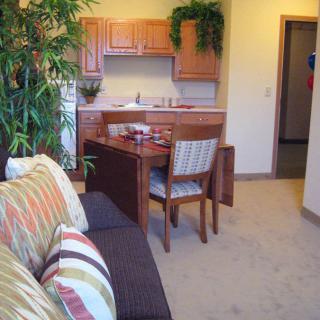
 Kitchenette
 Move-in coordination
 Outdoor space
 Telephone
 Wi-Fi/high-speed internet available
 24-hour call system
 Activities of daily living assistance
 Assistance with bathing
 Assistance with dressing
 Assistance with transfers
 Diabetes diet
 Meal preparation and service
 Medication management
 Mental wellness program
 Special dietary restrictions
 Transportation arrangement (medical)
 Transportation to doctors appointments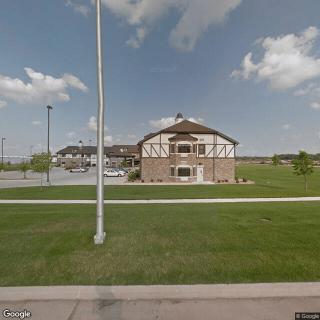




 Exploring the Contrasts Between Assisted Living and Skilled Nursing
 8 Key Indicators That Suggest It May Be Time to Transition from Assisted Living to Skilled Nursing Care
 Vibrant Senior Living: A Comprehensive Guide for Active Older Adults