
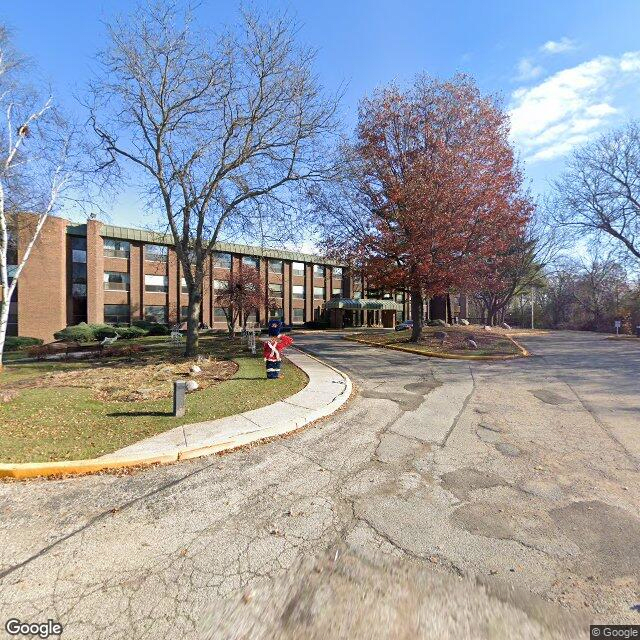
700 Jenkisson Ave, Lake Bluff, IL 60044
To contact a resident: (847) 295-3900
For more information about senior living options: (866) 208-4318
Overall Review of Pebble Brook Nursing Rehab Ctr
Pros
 The facility is the best in Lake County.
- The nursing staff and doctors are very warm.
- The facility provides exceptional care.
- The staff is absolutely phenomenal, very attentive and detail oriented.
- The care at Claridge is wonderful and the staff are the best in the area.
- The facility is clean, the food is good, and the therapy is spectacular.
- They have a specialized unit for dementia and geriatric care with specially trained nurses.
- They are very watchful of patient care.
- The family is very happy with Claridge and would recommend it.
Cons
 There is no help.
- The food is very poor and insufficient.
- The staff display angry attitudes.
- Discharge is impossible.
- They do not know how to fill out proper paperwork.
- The doctor overseeing care is hard to find and not cooperative.
- Staff hide instead of seeing patients.
- The administration allegedly collected the mother's Social Security checks for months and billed the family twice.
- They stopped taking calls when concerns about payments arose.
Review
Pebble Brook Nursing Rehab Ctr in Lake Bluff is best suited for families that prioritize top-tier clinical care coupled with a warm, home-like environment for long-term dementia and geriatric needs, along with robust short-term rehabilitation. The consensus across multiple accounts is that the nursing staff and physicians provide attentive, detail-oriented care, and the facility earns praise for its cleanliness and patient comfort. A specialized dementia and geriatric unit, plus a dedicated rehabilitation floor, signal clear, purpose-built capacity to manage complex aging-related needs without forcing families to switch venues for different stages of care. For families seeking continuity of care in a facility that treats the elderly with consistent attention, Pebble Brook stands out in Lake County.
That strength, however, comes with clear caveats. Prospective residents who require exceptionally transparent administrative processes and predictable discharge planning may want to investigate further. One review highlights discharging challenges and paperwork friction, along with concerns about a doctor’s visibility and cooperative engagement. Another account cautions about administrative and financial hurdles, including questions about how payments and Social Security matters are handled. Those concerns are not universal, but they are sufficiently persistent to warrant a careful, pre-enrollment discussion about governance, billing practices, and the point person for concerns.
In practice, the key positives offset most of the primary drawbacks for families prioritizing care quality over bureaucratic smoothness. The staff’s warmth and reliability translate into a consistently clean environment, responsive daily care, and a sense that residents are known and attended to. The facility’s dual focus, an environment tailored to dementia and geriatric needs on one side, and a high-caliber rehabilitation program on the other, means residents can receive comprehensive, ongoing treatment without frequent transfers. Therapy is repeatedly described as strong, and the medical leadership is regarded as capable, which matters greatly when choices hinge on steady oversight and symptom management.
The translating effect of these strengths is particularly meaningful for long-term residents. Families with loved ones who require specialized memory care can expect a structured milieu where trained nurses and clinicians address cognitive and functional decline with a coordinated approach. Cleanliness and a seemingly attentive culture reinforce trust that daily routines, from meals to activities to mobility support, are performed with purpose. However, this advantage rests on a foundation of effective administration on the back end. When administrative friction arises, it can quickly undermine otherwise solid impressions, underscoring the need for clear, upfront explanations about billing, discharge timelines, and communication channels.
For decision-makers, the practical path is to engage in focused due diligence. Request a tour that includes the dementia unit, the rehab floor, and a meeting with the director or nurse manager who oversees long-term residents. During visits, ask about the discharge process, how often families are updated, and who handles financial questions and Social Security matters. Bring recent prescriptions, care plans, and a list of daily needs to see how quickly staff can respond to similar real-world scenarios. If a family places a premium on predictable finances and transparent admin, this is the moment to press for written policies and a clear point of contact.
Overall, Pebble Brook presents a compelling package for families seeking high-quality, person-centered care in a structured setting for dementia and geriatric needs, with strong rehabilitation options to boot. The facility earns its strong county-wide reputation through consistent, attentive staff and a clean, well-organized environment. The notable minority of negative experiences centers on administrative and discharge-related frustrations, not on clinical capability or daily care quality. For families who can tolerate some administrative trade-offs in exchange for superior clinical outcomes and a stable, specialized care environment, Pebble Brook is a prudent, well-supported choice. For those who prioritize frictionless administration and ironclad billing transparency above all, exploring alternatives with a sharper emphasis on financial governance is advised.
 Skilled Nursing Facility
 Chicago O'Hare International (21 miles away)





 Comprehensive Insights into Palliative Home Care: What It Is and What to Expect
 Skilled Nursing Facilities vs. Nursing Homes: Making Sense of the Differences
 A Detailed Examination of Nursing Home Costs Across the U.S.