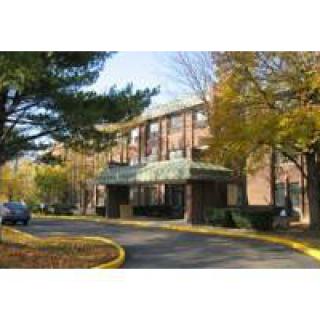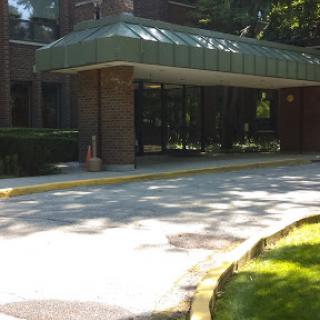
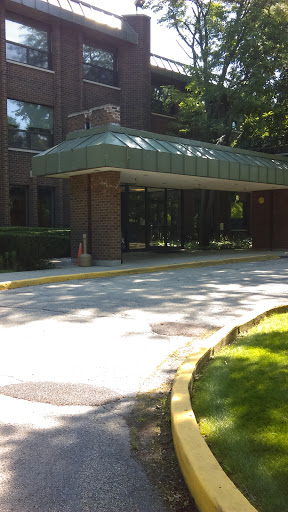
700 Jenkisson, Lake Bluff, IL 60044
For more information about senior living options: (866) 208-4318
Overall Review of Claridge Healthcare Center
Pros
 The dementia unit is absolutely fantastic.
- The facility is regarded as the best in Lake County, with very warm nursing staff and a doctor.
- The mother receives exceptional care, and the staff are absolutely phenomenal—attentive and detail-oriented.
- The facility is clean, the food is good, and therapy is spectacular; the nursing staff and doctors are among the best in the area.
- The caregivers, nursing staff, and administration are very caring and considerate of residents.
- Korean food and cultural activities are provided for Korean residents, with the food described as good to above average.
- Grandpa has lived there for 20 years, and the home has exceeded expectations.
Cons
 The facilities are old and rundown, with lights that don’t work and a constant odor of feces.
- Staff left a resident's mother sitting in her own feces for days.
- The second level where residents live feels like Silent Hill.
- The nursing staff is mean and only after residents' money or insurance money.
- The staff are rude and incompetent and ignore bedridden patients, and the rooms are filthy.
- Claridge Nursing Home is the worst place on the planet.
Review
Claridge Healthcare Center in Lake Bluff is best suited for families prioritizing dementia-focused care and long-term skilled nursing where a steady clinical presence and attentive staff are the core strengths, even if the building and day-to-day operations show their age. The facility runs a dedicated dementia unit with specially trained nurses and a rehabilitation floor for short-term stays, supported by a medical team and therapists who can tailor care to memory impairment and complex health needs. For families seeking culturally resonant programming, particularly those drawn to Korean food and community activities, the center’s Korean-identified profile can be an important fit. In short, Claridge is a defendable option when memory care competence and ongoing clinical oversight trump cosmetic upgrades and pristine condition.
That said, there are clear reasons to consider alternatives. If modern aesthetics, consistently spotless surroundings, highly reliable staff interactions, and transparent, error-free financial management are non-negotiable, other communities may better meet those expectations. The mix of long-standing praise for care alongside reports of disorganization in administration creates a wake-up call for families who want a predictable governance framework and trouble-free billing. Also, for families whose loved one does not require specialized dementia programming, there are facilities that deliver similar or better medical support with fewer concerns about upkeep or administrative friction.
The strongest pro in Claridge’s pocket is the dementia-centric care environment. Several residents and families highlight compassionate, attentive staff, and a medical leadership team that remains engaged with daily health and rehabilitation goals. The dedicated units, one focused on advanced memory care and another on short-term rehabilitation, are repeatedly cited as sources of meaningful, person-centered treatment. In practice, this means more consistent recognition of health changes, proactive infection control (in the eyes of many families), and therapy plans that emphasize functional gains. When the priority is comprehensive, specialized care for memory-impaired residents, these positives can outweigh other shortcomings and create genuine trust in the care team.
However, the negatives cannot be dismissed or minimized. The facility’s physical condition is repeatedly described as outdated, with reports of persistent odors, dim or nonfunctional lighting, and spaces that look worn. Instances of rude or disengaged behavior among some staff members undermine the care narrative and erode confidence in day-to-day operations. The administrative side generates especially acute concern: multiple accounts of discharging families, disputed Social Security or billing handling, and communications that fail to meet expectations. Taken together, the operational fragility, coupled with a staffing picture that includes a relatively low RN-per-resident ratio and a history of deficiencies, creates a backdrop where good care can be delivered by individual providers, but systemic reliability remains in question.
From a safety and quality perspective, the concerns are substantive. The center carries a 44% occupancy with more residents than beds, suggesting ongoing strain in space utilization. State inspection data reveal a benchmark that trails state averages: a below-average RN time per resident (roughly 29 minutes vs. 53 minutes nationally within the state) and a higher-than-average tally of deficiencies (30 in the past two inspections vs. a state average of 11) along with a troubling count of fire safety deficiencies (19 vs. an average of 12). These metrics matter because they illuminate potential gaps in monitoring, compliance, and emergency readiness. For families evaluating risk, the numbers signal that, despite commendable bedside care in many cases, the facility’s operational backbone may not consistently support safe, predictable outcomes.
To navigate a decision with clarity, approach Claridge with a structured due-diligence mindset. Schedule comprehensive tours that encompass the dementia unit and the rehab floor, and demand up-to-date responses to the facility’s inspection history, deficiency work plans, and timelines for addressing environmental concerns. Request unfiltered conversations with frontline caregivers about daily duties, call bells, and response times, and speak directly with a few families currently navigating long-term care, if possible. Verify the financial process in writing: who handles Social Security payments, how funds are tracked, and what protections exist to prevent misallocation. Finally, compare against alternative communities that offer stronger maintenance standards, clearer governance, and similarly robust clinical care; if a comfortable, modern environment and a transparent administration are non-negotiable, those comparisons will be decisive.
In the end, Claridge provides a meaningful, clinically competent option for families who place memory-care excellence and a devoted care team at the top of their priorities. The staff and therapists deserve credit where care is truly individualized, and the presence of a dedicated dementia unit makes the facility a serious contender for long-term memory support and short-term rehabilitation needs. Yet the heavy weight of concerns around facility condition, staff demeanor in some encounters, and administrative inconsistencies cannot be dismissed. For families where safety, reliability, and effortless administrative management are paramount, exploring alternatives is not just reasonable, it is prudent. The wise path is to scrutinize current operations with a candid eye, gather real-time impressions from multiple stakeholders, and let that evidence drive the final choice about Claridge versus peers in Lake County.
 231 resident community capacity
 Skilled Nursing Facility
 Air-conditioning
 Beauty salon
 Cable or satellite TV
 Computer center
 Dining room
 Fitness room
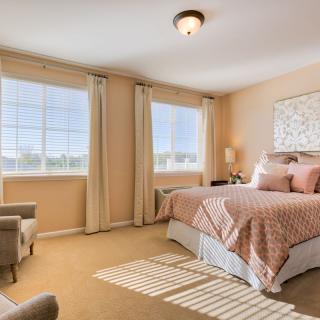
 Fully furnished
 Gaming room
 Garden
 Housekeeping services
 Kitchenette
 Move-in coordination
 Outdoor space
 Private bathrooms
 Restaurant-style dining
 Small library
 Telephone
 Wellness center
 Wi-Fi/high-speed internet available
 Chicago O'Hare International (21 miles away)
 Community operated transportation
 12-16 hour nursing
 24-hour call system
 Activities of daily living assistance
 Assistance with bathing
 Assistance with dressing
 Assistance with transfers
 Diabetes diet
 Medication management
 Mental wellness program
 Special dietary restrictions
 Concierge services
 Planned day trips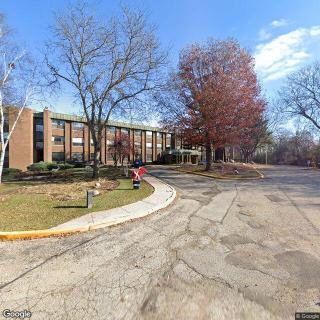



 Exploring the World of Home Health Nurses: Qualifications, Roles, and Hiring Tips
 Navigating Medicare Coverage for In-Home Care Services
 In-Home Care Costs in 2025: A Detailed State-by-State Exploration