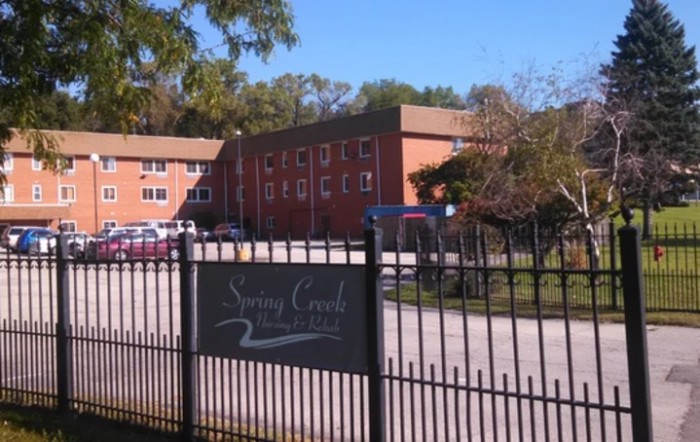
777 Draper Avenue, Joliet, IL 60432
For more information about senior living options: (866) 208-4318
Overall Review of Spring Creek
Pros
 The staff treated her well at Spring Creek.
- The caregivers were very caring.
- The staff seemed knowledgeable and friendly.
- They took care of her, and there was always someone available to discuss anything.
- A nurse was very nice.
- Window visits were possible and helpful.
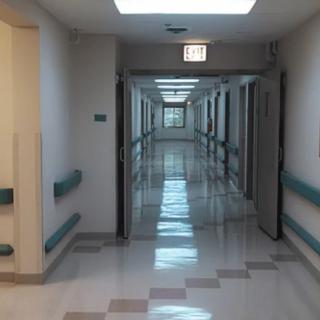
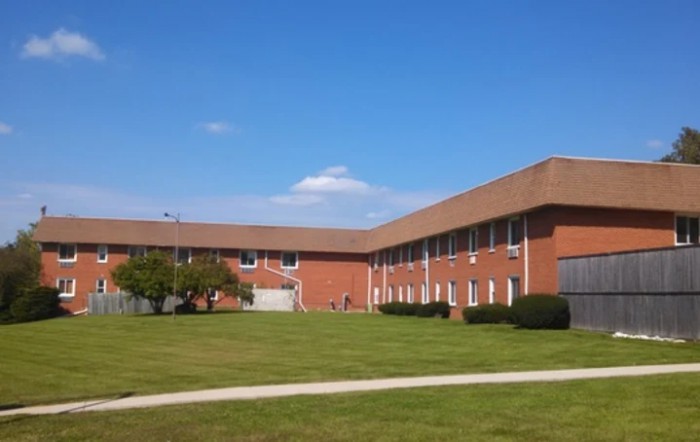
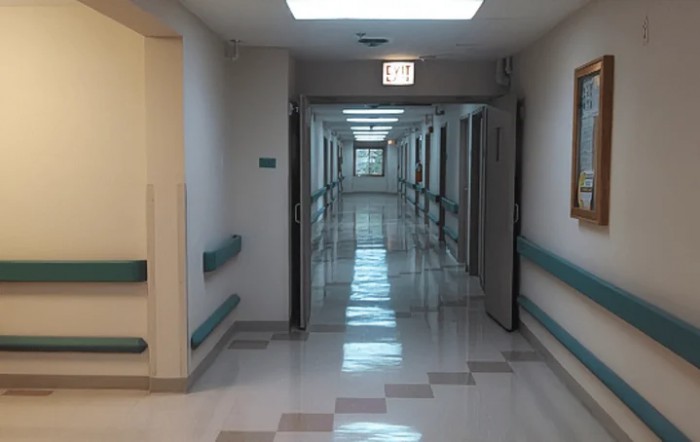
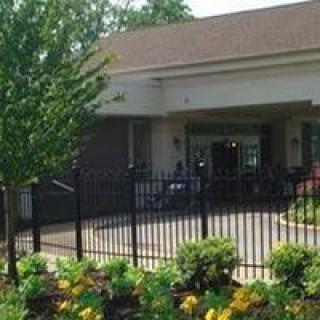
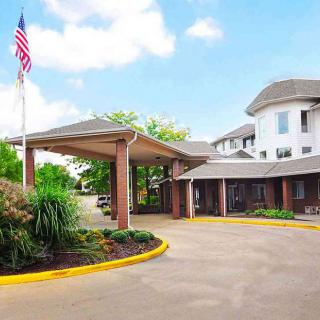
- The facility looked very clean.
- The location was convenient on the east side of Joliet.
Cons
 They could not go beyond the conference room due to COVID restrictions and could only meet there.
- The care was described as only basic, with uncertainty about what else the staff did.
Review
Spring Creek in Joliet is best suited for families pursuing post-acute rehabilitation for a loved one who benefits from steady, attentive care in a contained, approachable setting. The emphasis here is on reliable nursing attention, clean surroundings, and staff who are easy to reach when questions arise. Its location on Joliet’s east side provides a practical, low-stress commute for relatives who want regular, in-person check-ins without long travel times. The overall picture suggests a rehab-focused environment rather than a large, sprawling long-term care campus. For families prioritizing a predictable recovery trajectory, backed by accessible staff and a straightforward visitation plan, Spring Creek offers a practical, well-run option.
Those with needs beyond basic rehab, such as intensive daily assistance, specialized memory care, or a setting that delivers a broader array of therapeutic activities, may want to consider alternatives. The review hints at a defined scope of care rather than a transparent, granular accounting of every intervention performed, which can be a red flag for families seeking granular oversight. If the goal is ongoing, long-term custodial care with a robust program of daily enrichment, another community with published activity calendars and clearer service definitions may fit better.
The strongest positives center on care quality and accessibility. Caregivers are described as genuinely caring, with residents forming connections with staff who appear knowledgeable and friendly. When issues arose, the family could reach a nurse and engage in conversation without friction, underscoring a responsive, service-oriented culture. Cleanliness and a respectful environment reinforce confidence in daily operations, while the ability to do window visits provided a valuable link to the loved one during the stay. The length of stay, about three months for rehab, reflects a recovery-oriented mission rather than a perpetual custodial arrangement, which matters for decision-makers evaluating post-acute pathways.
However, a notable limit is the restricted ability to observe daily routines firsthand, given access that was confined to meetings in the conference area. That constraint makes it harder to gauge day-to-day rigor and the thoroughness of therapies without relying on secondhand reports. Yet this drawback is offset by consistent staff availability and a communication channel that remains open, with family members able to talk to nurses when questions arise. The combination of a clean environment, caring caregivers, and proactive communication helps counterbalance the partial visibility into the full rehab program.
Practically, Spring Creek appears to function as a solid post-acute rehab hub located where convenience matters. The east Joliet site supports families looking to manage visits without excessive travel, and the documented warmth of the caregiving team aligns with expectations for recovery support. The rehab chronology, three months, also signals an appropriate window for short to mid-term recovery goals, making it a sensible choice for those emerging from a hospital stay who need continued therapy. For families prioritizing straightforward access to staff, predictable visitation, and a clean, readable care plan, Spring Creek checks those boxes.
For families evaluating options, the next steps are clear. Request a concrete outline of daily routines, therapy frequency, and expected milestones for typical rehab trajectories; ask to meet the principal nurse or director who will oversee the case; verify staffing ratios during peak hours; and confirm the process for updating families about progress. If long-term support, dementia-specific programming, or a broader menu of enrichment activities is essential, consider alternatives before finalizing. Spring Creek is a practical, dependable choice for post-acute rehab needs with a communicative staff and convenient location, but it may not be the best fit for those seeking comprehensive, long-term daily programming or intensive, specialized care. A careful comparison with other communities will reveal where this option excels and where it yields to stronger, more expansive programs.
 168 resident community capacity
 Skilled Nursing Facility
 Air-conditioning
 Beauty salon
 Cable or satellite TV
 Computer center
 Dining room
 Fitness room
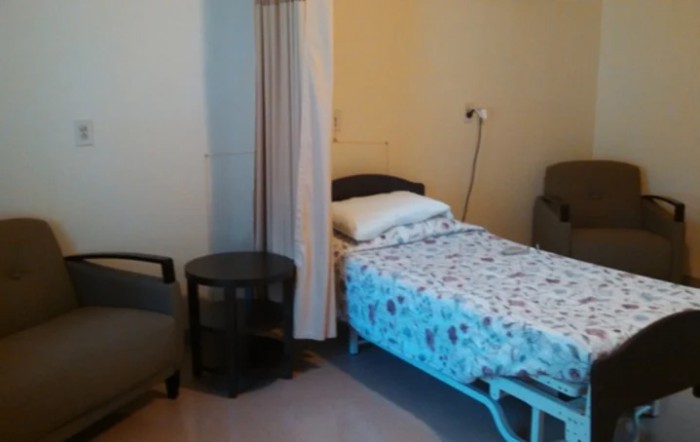
 Fully furnished
 Gaming room
 Garden
 Housekeeping services
 Kitchenette
 Move-in coordination
 Outdoor space
 Private bathrooms
 Restaurant-style dining
 Small library
 Telephone
 Wellness center
 Wi-Fi/high-speed internet available
 Chicago Midway (23 miles away)
 Community operated transportation
 12-16 hour nursing
 24-hour call system
 Activities of daily living assistance
 Assistance with bathing
 Assistance with dressing
 Assistance with transfers
 Diabetes diet
 Medication management
 Mental wellness program
 Special dietary restrictions
 Concierge services
 Planned day trips



 Top Cars for Senior Drivers and Essential Safety Innovations
 A Closer Look at Private Pay Home Care
 Comprehensive Approaches for Arthritis: A Detailed Guide to Symptoms, Causes, and Care