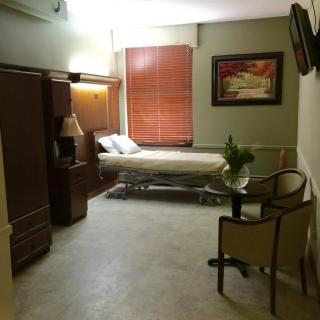
South Suburban Rehabilitation Center Costs & Pricing
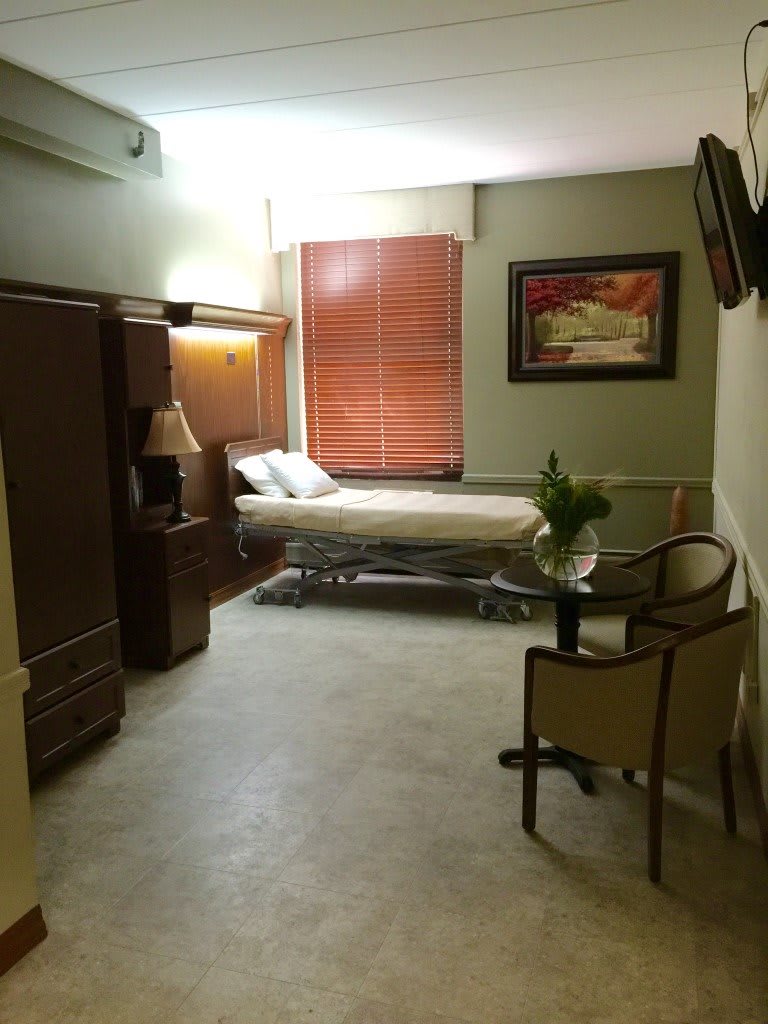
South Suburban Rehabilitation Center offers competitive pricing for its room types compared to both Cook County and the broader state of Illinois. For a semi-private room, residents can expect to pay $4,500 per month, which is notably lower than the county average of $5,192 and the state average of $5,146. Similarly, for those seeking more privacy in a private room, South Suburban's rate of $5,400 remains reasonable when juxtaposed with Cook County's $5,168 and Illinois's $5,049 averages. This positioning highlights South Suburban Rehabilitation Center as an appealing option for individuals looking for quality care without the higher costs associated with many other facilities in the region.
| Floor plans | South Suburban Rehabilitation Center | Cook County | Illinois |
|---|
| Semi-Private | $4,500 | $5,192 | $5,146 |
| Private | $5,400 | $5,168 | $5,049 |
Skilled Nursing Facilities with a similar price nearby
-
from -$200 / mo

The Clare
$4,300 / month
24.5 miles away
-
from -$245 / mo

Victory Centre of Joliet
$4,255 / month
23.5 miles away
-
About the same
Magnolia Senior Living
$4,395 to $6,595 / month
23.5 miles away
-
About the same
Brookdale Orland Park
$4,505 to $6,950 / month
11.7 miles away
-
from -$766 / mo

Crown Point Christian Village
$3,734 to $4,578 / month
22.0 miles away
Overall Review of South Suburban Rehabilitation Center
differentiator
6 reviews mention this
Rehab progress is a theme
Many residents describe meaningful gains during rehab.
Several reviewers say their mobility or functional abilities improved during therapy, including cases where they started in a wheelchair and later walked with minimal help or returned to work. They also describe sessions being tailored to their needs and highlight the therapists pushing them consistently. A few reviews also mention structured learning components, like memory-focused classes, as part of recovery.
common
14 reviews mention this
Staff care draws strong reactions
Residents frequently describe the care team as attentive and supportive.
Across positive reviews, residents and families describe therapists and staff as caring, kind, professional, and attentive to needs, along with frequent communication and continued support. Some reviewers even list specific staff members by name and connect that hands-on help to their recovery experience. At the same time, there are also negative reviews that criticize staff behavior, knowledge, or fairness in how people were treated.
caveat
7 reviews mention this
Communication problems come up
Multiple reviewers report issues with communication and responsiveness.
Some negative reviews focus on poor communication, including not responding to phone calls and long stretches without follow-up. Others criticize the facility’s understanding or training approach, saying requests for training weren’t suggested despite their concerns. There are also complaints about disrespectful or unprofessional behavior, including how staff handled situations during stays.
common
4 reviews mention this
Clean spaces and organization
Reviewers mention a clean, well-kept environment.
Several reviewers describe the community as clean and well-organized, and one mentions that housekeeping and cleanliness stood out. Families also describe the facility as professional and maintained during their time there. This theme is mentioned alongside broader feedback about the day-to-day experience during rehab.
common
3 reviews mention this
Activities support matters
Residents mention an active schedule and activities.
A few reviews describe the center as full of activity and point to structured group sessions during recovery. Others mention enjoying the variety of activities available for residents. One review also references memory-related classes as part of the programming they received.
caveat
2 reviews mention this
Pricing feels hard to swallow
Some reviewers criticize charges and perceived cost pressure.
A couple of negative reviews raise concerns about billing, including feeling charged for things that weren’t needed or expected. Another complaint suggests therapy was encouraged primarily for more payment, along with frustration about paperwork and records. While the community offers pricing that falls below county and state benchmarks, residents’ concerns still show up in the written feedback.
How we summarize
Counts show how many written reviews mention each theme; a review can touch several themes, and only frequently mentioned themes are displayed.

 Skilled Nursing Facility
 Dogs allowed
 Activities off-site
 Air-conditioning
 Devotional services on-site
 Indoor common areas
 Outdoor common areas
 Private
 Wi-Fi/high-speed internet available
 Chicago Midway (18 miles away)
 High acuity care
 Medication management
 Anytime dining
 Catholic services
 Some staff are caring and responsive; the facility is clean with well-maintained dementia units.
 Seniors and Modern Transportation: Exploring Uber, Lyft, and Other Ride-Hailing Options
 Comprehensive Guide to Qualifying for Home Health Care Services
 Powerful Realities of Elder Abuse and the Most Effective Ways to Report It