For more information about senior living options: (866) 208-4318
4 from 127 reviews
5 stars
87
4 stars
9
3 stars
5
2 stars
1
1 stars
25
Glenview Terrace Nursing Center Costs & Pricing
Glenview Terrace Nursing Center offers private room accommodations at a monthly cost of $2,930, making it significantly more affordable compared to the averages in both Cook County and the broader state of Illinois, where costs are approximately $5,168 and $5,049 respectively. This competitive pricing allows families to access quality care for their loved ones while alleviating financial burdens associated with long-term nursing care. Glenview Terrace stands out as a valuable option for those seeking quality services without the elevated expenses often seen in the region.
Floor plans
Glenview Terrace Nursing Center
Cook County
Illinois
Private
$2,930
$5,168
$5,049
Skilled Nursing Facilities with a similar price nearby
Residents and families repeatedly describe caring, attentive staff.
Across many reviews, families say the nurses, CNAs, and care team were kind and supportive, and that they treated residents with respect. Several reviewers also highlight ongoing communication and follow-up, including staff updating families about care needs or concerns. A number of residents specifically mention feeling safe and comfortable because staff were consistently present to help.
common23 reviews mention this
Rehab and therapy help progress
Physical and occupational therapy are a major part of the experience.
Many reviews focus on therapy teams as a reason residents improved, especially after surgeries or infections. Reviewers describe PT/OT as hands-on and encouraging, with sessions tailored to their needs and goals for returning home. Wound-related and rehab experiences also come up in multiple reviews, with families praising the care while residents were healing.
caveat5 reviews mention this
Nursing response can feel slow
Several reviews mention delays getting nursing help.
While many reviewers describe good support overall, a recurring complaint is slow response times—especially at night or when call lights are used. Some families say they had to wait a long time for a nurse to come to the room or for help with basic needs like bathroom assistance. Others describe missed or delayed assistance that led to preventable problems.
caveat4 reviews mention this
Cleanliness is praised, but not always
Cleanliness is sometimes praised, but multiple reviews raise concerns.
Many reviewers say the facility is kept clean and well maintained, including comments about rooms being tidy and ongoing cleaning. However, there are also multiple negative reviews describing filthy rooms, dirty conditions, or the need for significant cleaning and remodeling. One reviewer also describes bathroom conditions as very poor.
How we summarize
Counts show how many written reviews mention each theme; a review can touch several themes, and only frequently mentioned themes are displayed.
Features
Housing
314 resident community capacity
Types of Care
Skilled Nursing Facility
Amenities
Air-conditioning
Beauty salon
Cable or satellite TV
Computer center
Dining room
Fitness room
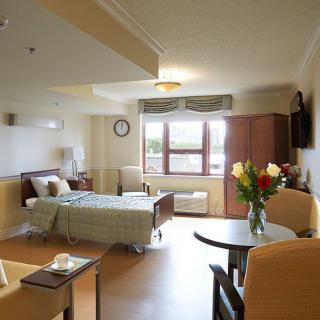
Fully furnished
Gaming room
Garden
Housekeeping services
Kitchenette
Move-in coordination
Outdoor space
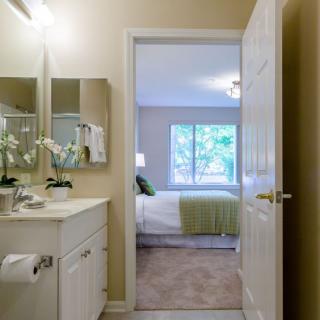
Private bathrooms
Restaurant-style dining
Small library
Telephone
Wellness center
Wi-Fi/high-speed internet available
Transportation
Chicago O'Hare International (8 miles away)
Chicago Midway (21 miles away)
Community operated transportation
Transportation arrangement
Transportation arrangement (non-medical)
Transportation to doctors appointments
Care Services
12-16 hour nursing
24-hour call system
24-hour supervision
Activities of daily living assistance
Assistance with bathing
Assistance with dressing
Assistance with transfers
Diabetes diet
Meal preparation and service
Medication management
Mental wellness program
Special dietary restrictions
Dining
Diabetes diet
Special dietary restrictions
Activities
Community-sponsored activities
Concierge services
Fitness programs
Planned day trips
Resident-run activities
Scheduled daily activities
Nearby Places of Interest
Pharmacies
Walgreens (0.7 miles)
Walgreens (1.8 miles)
Rise Dispensaries Niles (1.9 miles)
Walgreens (2.1 miles)
CVS Pharmacy (2.6 miles)
CVS Pharmacy (2.6 miles)
Walgreens (3.8 miles)
Hospitals
Glenbrook Hospital (1 miles)
Restaurants
Wildfire (1.1 miles)
Glenview Dairy Bar (1.8 miles)
Panda Express (2.2 miles)
Portillo's Hot Dogs (2.9 miles)
Raising Cane's Chicken Fingers (3.6 miles)
Chipotle Mexican Grill (4.5 miles)
Beacon Tap (4.7 miles)
Parks
Clarkson Park (3.5 miles)
Briarwood Park (5.1 miles)
South Park (5.5 miles)
West Ridge Center (5.7 miles)
Lake Arlington (6.8 miles)
Sunset Park (7.3 miles)
Leahy Park (7.9 miles)
Physicians
Northwestern Memorial Physicians Group (4.5 miles)
NorthShore Medical Group (4.8 miles)
Physicians Cosmetic Institute (6.3 miles)
Resurrection Medical Center Professional Building (6.6 miles)
North Shore Physicians Group (6.7 miles)
Ferber, Stuart Nch Buffalo Grove Outpatient Care Center (7.8 miles)
Glenview Terrace Nursing Center offers private room accommodations at a monthly cost of $2,930, making it significantly more affordable compared to the averages in both Cook County and the broader state of Illinois, where costs are approximately $5,168 and $5,049 respectively. This competitive pricing allows families to access quality care for their loved ones while alleviating financial burdens associated with long-term nursing care. Glenview Terrace stands out as a valuable option for those seeking quality services without the elevated expenses often seen in the region.
Palliative care focuses on alleviating distress at any stage of a serious illness and can accompany curative treatments, while hospice care is for those nearing the end of life with a prognosis of six months or less, emphasizing comfort over curative measures. Both prioritize holistic care for patients and families but differ in timing, goals, and scope.
The guide details the tax deductibility of in-home healthcare expenses according to IRS guidelines, differentiating between medically necessary services and non-medical assistance, while emphasizing the need for proper documentation and itemization requirements. It also highlights state-level variations, the importance of record-keeping, and encourages seeking professional tax help to understand evolving regulations.
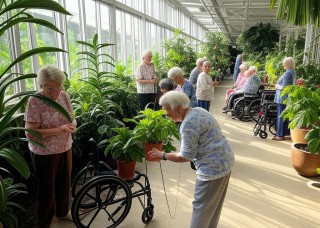
Gardening provides seniors with physical exercise, mental and emotional support, and social interaction opportunities, while accommodating their needs through raised beds and ergonomic tools. It promotes health benefits like improved dexterity and cardiovascular health, encourages sustainable practices, and allows for manageable upkeep with low-maintenance plants.
Get PricingAsk A QuestionSchedule A TourContact Senior Advisor
By clicking submit, you agree to our Partner's Terms of Use. You
also consent to receive calls and texts, which may be autodialed, from our Partner. Your consent is not a condition to
using our Partner's service. Please visit our Partner's Privacy Policy for information about their privacy practices.





 314 resident community capacity
 Skilled Nursing Facility
 Air-conditioning
 Beauty salon
 Cable or satellite TV
 Computer center
 Dining room
 Fitness room
 Fully furnished
 Gaming room
 Garden
 Housekeeping services
 Kitchenette
 Move-in coordination
 Outdoor space
 Private bathrooms
 Restaurant-style dining
 Small library
 Telephone
 Wellness center
 Wi-Fi/high-speed internet available
 Chicago O'Hare International (8 miles away)
 Community operated transportation
 12-16 hour nursing
 24-hour call system
 Activities of daily living assistance
 Assistance with bathing
 Assistance with dressing
 Assistance with transfers
 Diabetes diet
 Medication management
 Mental wellness program
 Special dietary restrictions
 Concierge services
 Planned day trips
 Caring staff with strong family communication and proactive vaccination enabling safer visits.






 Understanding the Nuances of Palliative Care and Hospice: A Comprehensive Exploration
 Is In-Home Healthcare Tax Deductible? Your Comprehensive Guide
 Nurturing Well-Being Through Gardening: A Detailed Guide for Senior Enthusiasts