
1390 South Crescent St, Gilman, IL 60938
To contact a resident: (815) 265-7208
For more information about senior living options: (866) 208-4318
Overall Review of Gilman Nursing Pavilion
Pros
 The therapy team was great and helped residents achieve their rehabilitation goals.
- The staff treat residents as family members and ensure they are loved.
- The facility offers engaging activities and special celebration days with treats.
- The dietary team provides outstanding meals that are nutritious, flavorful, and thoughtfully prepared to meet diverse needs.
- The administration and healthcare professionals work in unison to create a nurturing and compassionate environment.
- Gilman Healthcare Center is a clean, neat facility with friendly staff that residents and visitors highly recommend.
- It stands out as a beacon of excellence in elder care due to its dedicated staff and unwavering commitment to quality and compassion.
Cons
 The facility is described as the worst healthcare facility, with staff who neglect and abuse residents.
- Residents are left without food, medication, warmth, or basic care.
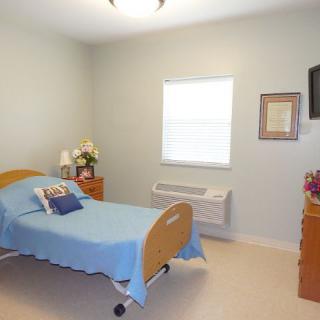
- The building is dirty and falling apart, with poor cleanliness and maintenance.
- The staff are rude, unprofessional, and treat residents with disrespect, including yelling and talking down to them.
- Records have reportedly been falsified, and administrators respond rudely when concerns are raised.
- They neglect legitimate medical attention when needed.
- The facility should be shut down due to ongoing neglect and mistreatment.
- Families report long phone hold times, misdirected calls, and poor communication about their loved ones.
Review
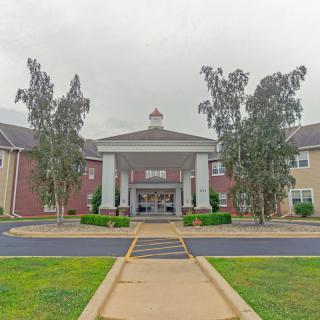
Gilman Nursing Pavilion in Gilman, IL tends to fit families pursuing short-term rehabilitation with a concrete emphasis on therapy goals and a community feel, rather than a consistent promise of steady, high‑quality long-term care. Several reviews praise a capable physical therapy team that helps residents reach tangible milestones, with a path back home in sight after therapy. Others highlight a warm, almost familial atmosphere where residents are described as loved, and where activities and “special days” keep spirits engaged. The strongest day-to-day strengths appear to be rehab momentum, meal service described as good, and a visible culture of care among many staff members. For families prioritizing rehab speed, engagement, and social connection, this facility can deliver meaningful results.
However, a substantial portion of feedback raises serious cautions that cannot be ignored. Reputationally, concerns range from rude or negligent behavior to allegations of neglect, difficulty reaching nursing staff, and inconsistencies in basic care. Several reviewers describe dirty conditions, poor hygiene, or unsafe environments, alongside claims of medication mismanagement or records that do not reflect what occurred. Administrative interactions are another recurring hurdle, with pointed criticisms of responsiveness and empathy from leadership. These narratives underscore a real risk: while some residents and families report positive experiences, others encounter conditions that threaten safety and trust.
In weighing the pros against the cons, the most persuasive positives center on the rehab team’s effectiveness and the apparent ability to deliver engaging daily life for many residents. When therapy succeeds, it can dramatically shorten recovery timelines and improve independence, a clear win for families evaluating post-acute needs. The sense of community and the willingness of some staff to treat residents with warmth are meaningful and non-trivial advantages. Yet these gains are insufficient to offset the darker, recurring concerns about daily care quality, cleanliness, and consistent staffing reliability. For long-term residency, the inconsistency in care quality presents a substantial risk that can overwhelm the positives from therapy and activity programs.
Families evaluating options should insist on an evidence-based tour and candid conversations with the leadership team. Key questions must cover staffing levels and nurse-to-resident ratios, the facility’s medication administration procedures, and the cadence of response to calls and alarms. Request to see the cleanliness standards in resident rooms and common areas, the status of repairs, and recent state or regulatory inspection results. Observe how staff interact with residents during a visit, note the responsiveness of aides, and speak with multiple residents or families about their day-to-day experiences. Clarify fall-prevention protocols, wound care practices, and how dietary needs are managed alongside meal quality and consistency.
The decision hinges on priorities. If the goal is rehabilitation with a strong therapy footprint and the ability to foster a friendly, active environment, Gilman Nursing Pavilion can still be a fit, provided there is active oversight, a clear plan for discharge to home, and vigilant follow-through on care plans. If, instead, reliable daily care, consistent communication, a pristine environment, and a transparent, accountable administration are non-negotiables, alternatives should be prioritized. The volume and severity of negative feedback are not trivial, and they merit serious consideration before committing to a long-term stay.
Bottom line: Gilman Nursing Pavilion offers undeniable rehab strengths and a welcoming, community-oriented atmosphere, but serious safety and care-quality concerns recur in the reviews. This must be treated as a facility requiring proactive, hands-on oversight, with a clear exit or transition plan if long-term care is anticipated. A deliberate, short-term trial focused on rehab goals paired with stringent monitoring is advisable for families who still see potential here; otherwise, explore other nearby options with stronger track records for reliable daily care and transparent leadership.
 Skilled Nursing Facility






 Caring for Those Who Care: Recognizing, Understanding, and Overcoming Caregiver Burnout
 Caregiver Exhaustion: Recognizing the Signs and Restoring Your Well-Being
 Understanding Hospice Care at Home: Comprehensive Services, Key Benefits, and Eligibility