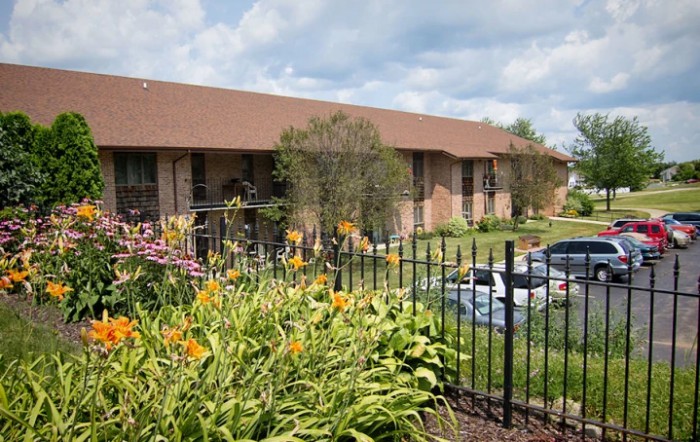
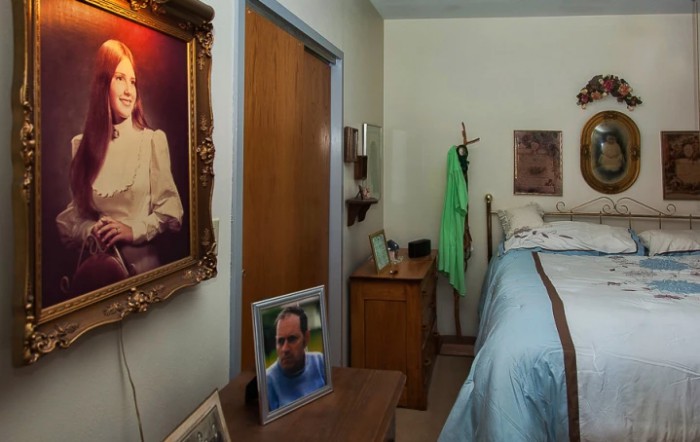
402 South Center Street, Durand, IL 61024
For more information about senior living options: (866) 208-4318
Overall Review of Medina Nursing Center
Pros
 The staff were very nice, caring, and attentive.
- The care here was much better than hospital care.
- The entire staff—from admissions through nursing—are kind and caring, and attentive to residents and families.
- They go above and beyond, and it shows in the happiness and comfort of the residents.
- Everyone there is so nice, creating memories to last a lifetime.
- It is highly recommended for loved ones.
Cons
 The entrance had second-hand smoke from a makeshift archway.
- There was a pungent odor of urine upon entering.
- The staff were understaffed, which did not help.
- A serious health issue was ignored.
- The family member ended up in the ICU.
- Attempts to talk to management were met with a defensive posture and dismissive rhetoric.
- It was advised not to send anyone you love there because it isn’t safe.
- The facility was short-staffed.
Review
Medina Nursing Center in Durand, IL is best suited for families seeking a small, community-minded setting where care is delivered with visible warmth and personal attention. The most compelling asset is the staff culture: reviewers repeatedly describe front-line workers across every role, nursing, admissions, clerical, maintenance, kitchen, activities, as genuinely kind, attentive, and willing to go above-and-beyond for residents and their families. In a environment where relationships matter, this care ethos often translates into residents feeling more comfortable, engaged, and supported day-to-day. For families prioritizing a warm, caregiver-driven atmosphere over clinical theater, Medina can be a natural fit.
At the same time, this community may not be the best match for residents with higher medical needs or dementia care requirements that demand aggressive behavioral management and rapid escalation of concerns. The pattern of understaffing cited in several reviews cannot be ignored, and it raises questions about consistent supervision and timely responses during medical or behavioral crises. Additional red flags include observations of a sensory-uneasy entry experience (smoky surroundings, odors) and a building that is described as old, which can translate into practical challenges around safety, infection control, and environmental comfort. Families with a loved one who requires intensive medical oversight should seriously weigh alternatives with stronger clinical infrastructure.
The strong pros, the extraordinary level of staff kindness and broad-based attentiveness, do offset some day-to-day frustrations when care needs are manageable. Families repeatedly credit the entire team for creating a positive, comforting atmosphere that supports happiness and resident well-being. This broad-based dedication, spanning not just nursing but admissions, housekeeping, and activities, helps residents feel seen and valued, potentially enhancing mood, routine, and social engagement. Yet these positives do not erase the risk that a short-staffing reality may delay critical interventions or diminish the immediacy of medical or safety responses, a gap that can be consequential for fragile or cognitively impaired residents.
The main cons create a meaningful counterweight to the strengths. Understaffing is a recurring theme, with one reviewer explicitly noting that staff shortfalls undermine care. A sense of safety risk is underscored by accounts of a serious health issue being ignored and a defensive management response when concerns are raised. The combination of an aging facility, odor and odor-control concerns, and a perceived gap between the kindness of the care team and the ability of leadership to respond decisively to problems paints a clear risk picture. For families, this means weighing the power of a compassionate staff against the potential for delayed escalation, missed cues, or a lack of proactive problem-solving in moments when medical judgment is needed most.
Prospective residents should approach Medina with a practical, evidence-based plan. Visit at different times of day to observe how staff triage routine needs versus emergencies; request unannounced tours to gauge how well front-line caregivers are supported; talk directly with nurses and aides about typical shifts and what happens when a medical issue arises. Review state inspection reports and any recent corrective action plans, and ask about staff-to-resident ratios, medication management, and crisis response procedures. Inquire specifically about behavioral management approaches for residents with dementia and how safety concerns are escalated. The goal is to verify that the warmth of care is supported by reliable staffing and a clear, proactive leadership approach to safety.
In sum, Medina Nursing Center offers a compelling choice for families who prize a heartfelt, well-liked caregiving culture and can tolerate the realities of an older facility with staffing pressures. For those whose decision hinges on rigorous medical oversight, robust dementia-specific programming, or an unwavering commitment to safety, stronger alternatives should be explored. The right fit hinges on aligning expectations with staffing reliability and environmental safeguards; when those align, the experience can be meaningful, personable, and reassuring. When they do not, even the best intentions may fall short of what a highly vulnerable loved one requires.
 89 resident community capacity
 Skilled Nursing Facility
 Air-conditioning
 Beauty salon
 Cable or satellite TV
 Computer center
 Dining room
 Fitness room
 Fully furnished
 Gaming room
 Garden
 Housekeeping services
 Kitchenette
 Move-in coordination
 Outdoor space
 Private bathrooms
 Restaurant-style dining
 Small library
 Telephone
 Wellness center
 Wi-Fi/high-speed internet available
 Greater Rockford (20 miles away)
 Community operated transportation
 12-16 hour nursing
 24-hour call system
 Activities of daily living assistance
 Assistance with bathing
 Assistance with dressing
 Assistance with transfers
 Diabetes diet
 Medication management
 Mental wellness program
 Special dietary restrictions
 Concierge services
 Planned day trips


 California's Form 602A: An In-Depth Examination of Senior Care Assessment
 Comprehensive Look at Senior Blood Pressure Charts: Normal and Elevated Levels by Age
 Top Canine Companions for Older Adults