Countryside Nursing & Rehab Center

1635 East 154Th Street, Dolton, IL 60419

For more information about senior living options: (844) 490-3973

2.8 from 24 reviews
5 stars
9
4 stars
2
3 stars
0
2 stars
1
1 stars
12

Skilled Nursing Facility

What level of care are you interested in?

Assisted Living

Memory Care

Independent Living

Skilled Nursing Facility

Continuing Care Retirement Community (CCRC)CCRC

Other


Request a tour at Countryside Nursing & Rehab Center

    Overall Review of Countryside Nursing & Rehab Center

    Pros

    • pro Great Facility. Staff was kind and patient to understand our needs.
    • pro Some staff at Countryside of Dolton are spectacular!!!
    • pro Robin is very patient on the phone and helpful with answering questions.
    • pro My brother says he is very happy at the facility and he says the staff are great.
    • pro The Administrator, the lady from Human resources, and Mr. Robert in housekeeping are all very nice people.
    • pro They welcomed the new employees to the company.

    Cons

    • pro The place is described as the worst place ever.
    • pro Staff are rude and disrespectful toward residents.
    • pro Residents are seen walking around with urine on them, indicating poor hygiene.
    • pro A violent incident occurred and video evidence was refused; the resident was not the aggressor.
    • pro The DON of Nursing is uncaring and has an unpleasant attitude; administration is similarly unhelpful.
    • pro The facility is dirty, overcrowded, and not clean; rooms are unsanitary.
    • pro The food is terrible and portions are inadequate; night staff scream at residents, preventing sleep.
    • pro The facility appears to be understaffed and lacks meaningful activities for residents.
    • pro There are allegations of neglect leading to infection, dehydration, and medication lapses.
    • pro Overall, several reviews suggest the facility should be closed down.

    Review

    There is a broad collage of experiences shared about a care facility, ranging from heartfelt praise to searing critique. On one end, a warm welcome and a sense of community are repeatedly described. A resident named Sean Kapp writes with gratitude about the people who greeted him when he returned, naming Mr. Webb, Bridget the assistant administrator, and Leslie, an R.N., along with "everybody else who welcomed me back." He emphasizes the friendliness and the way he was received, giving the place five stars and urging everyone to take care. That celebratory tone stands in contrast to many other voices, but it's an important thread in the tapestry: for some people, the environment feels inviting and the staff seem genuinely kind.

    Yet another layer of testimony presents a very different reality. A reviewer who says they were a resident in 2017 paints a troubling picture of feeling targeted by staff, not simply by one person but "by the frustration of being there itself." That account suggests a climate of discontent or hostility rather than a nurturing atmosphere. The writer mentions rude and disrespectful first impressions by staff, and a pervasive sense of neglect or discomfort, including mentions of urine odors and a general struggle to see care being delivered empathetically. The reviewer also references a violent incident and raises questions about the handling of video evidence, suggesting the possibility of cover-up or at least a lack of transparency. The impression left is one of fear and dysfunction, with the state of the facility called into question and a belief that the place might face serious scrutiny.

    Another submission adds to the tension around safety and resident welfare. In a separate account, a family member describes a distressing scene in which a bedridden patient is placed in a room with a violent resident, resulting in a violent head injury. The writer questions the decisions that led to such a pairing and expresses regret at not having placed their own relative there, concluding with strong language about wanting to avoid the facility altogether. The sense conveyed is one of concern about the risk to vulnerable residents, compounded by accusations that staff may not be doing enough to curb aggressive behavior or ensure appropriate supervision.

    Despite these critical voices, there are also moments of affirmation about some staff members and interactions. A later voice notes that while not every review is rosy, there are people at Countryside of Dolton who stand out for their kindness. The writer who visited for an orientation describes being treated with respect by specific individuals, including an administrator, a human resources staff member, and a housekeeping supervisor named Mr. Robert. They acknowledge the facility's cleanliness challenges but frame them within a broader context, arguing that this is not a traditional assisted living or a geriatric nursing home, but more like a psychiatric hospital-like setting where residents with mental illnesses are housed and move about. The implication is that the physical environment and the operational realities of managing a complicated population can make cleanliness difficult, yet the staff's positive attitudes and welcoming demeanor matter to some visitors.

    The feedback taken together also reveals sharp divisions about leadership and accountability. One strong critique targets the Director of Nursing, accusing the DON of caring little for residents and describing the administrator's attitude as unpleasant and guarded. The same reviewer recounts concrete lapses - urine on the floor for hours, a bed that remained wet, and questions about whether morning medications were properly administered - painted as evidence of systemic issues rather than isolated mistakes. The emotional charge intensifies as the reviewer calls out the apparent absence of consistent respect and communication, urging a more humane approach to the people who call the facility home.

    Beyond staffing and leadership, there are also practical anxieties about food, noise, and basic amenities. A separate review laments the quality and quantity of food, noting a half-cup of cold coffee, a cold egg, and stale toast at breakfast. It abouts the experience with the night staff, who allegedly scream at residents through the night, making sleep impossible. Other readers recount a dripping sink and overall concerns about cleanliness and upkeep, expressing that such conditions would lead them to discourage anyone they know from staying at the facility. These points contribute to a perception that even when staff come with good intentions, certain operational shortcomings dramatically affect residents' daily lives.

    The emotional weight of the collective reviews grows heavier with stories of neglect and vulnerability leading to serious health consequences. A family member shares that their mother-in-law, placed in the facility on a Monday, was hospitalized by Friday due to infection, dehydration, and fluctuations in blood pressure and sugar levels - a sequence described as the result of neglect. Another account recounts a walk-through experience that left the visitor dismayed: patients wandering outside, limited access to view rooms, and the sense that the presence of a wandering population was treated as an ordinary occurrence rather than a risk to patients' safety. The language here is urgent and cautionary, urging others to be very aware and to investigate thoroughly before choosing this facility for a loved one.

    Interwoven with these severe concerns are quieter affirmations from people who describe positive day-to-day interactions. One commenter emphasizes that a family member speaks highly of the facility's staff, noting that, although they may not recall every name, there are individuals - like Robin - who are patient and helpful on the phone. The caller's brother apparently feels happy with the care and describes the staff as "great." In a field where experiences can range dramatically from day to day, such voices serve as a counterpoint to the chorus of complaints, reminding readers that there can be genuine moments of connection and competent care amid broader challenges.

    In the end, the narrative around the facility is a mosaic of experiences that reflect fault lines in care, safety, communication, and daily life. Some reviews celebrate a warm welcome, helpful interactions, and a sense of community that makes a difficult adjustment feel more manageable. Others decry neglect, unsanitary conditions, mismanaged behavior, and leadership issues that threaten residents' well-being. Cleanliness, medication timing, and the handling of violent or challenging situations recur as major flashpoints, while questions about how to maintain dignity and respect in a crowded, high-needs environment loom large. Taken together, the collection of impressions paints a complex portrait: a place capable of kindness and warmth in some moments, but with persistent, serious concerns that families and residents feel compelled to voice, often loudly, in hopes of prompting improvement.

    Features

    Housing

    • 197 resident community capacity 197 resident community capacity

    Types of Care

    • Skilled Nursing Facility Skilled Nursing FacilitySkilled Nursing Facilities are crucial for seniors as they provide round-the-clock medical care, rehabilitation services, and assistance with daily activities. These facilities ensure that seniors receive the specialized care they need to maintain their health and well-being as they age.

    Amenities

    • Air-conditioning Air-conditioningAir conditioning is important for seniors as they are more vulnerable to heat-related illnesses and may have underlying health conditions that make it difficult for them to regulate their body temperature. It helps to keep them comfortable, safe, and healthy in hot weather.
    • Beauty salon Beauty salonBeauty salons are important for seniors because they provide a space for them to feel pampered, socialize, and maintain their personal grooming and hygiene. Regular visits to a beauty salon can help boost seniors' self-esteem and overall well-being.
    • Cable or satellite TV Cable or satellite TVCable or satellite TV is important for seniors because it provides entertainment, news, and companionship, helping to combat loneliness and boredom. It also offers a wide range of programming options tailored to different interests and preferences.
    • Computer center Computer centerA computer center is essential for seniors as it provides access to technology, communication tools, and resources that can enhance their daily lives. It allows them to stay connected with loved ones, engage in online activities, and learn new skills, ultimately promoting socialization and mental stimulation.
    • Dining room Dining roomDining rooms are important for seniors as they provide a space for socialization, connection, and nutritious meals. They offer opportunities for residents to bond over shared meals, foster a sense of community, and promote healthy eating habits. Dining rooms also ensure that seniors have access to well-balanced meals tailored to their dietary needs and preferences.
    • Fitness room Fitness roomHaving a fitness room in a senior living community is essential for seniors to stay active, maintain their physical health, and improve their overall well-being. Regular exercise can help prevent falls, reduce the risk of chronic diseases, and promote mental sharpness. It also provides social opportunities for residents to connect with others and enjoy a sense of community.
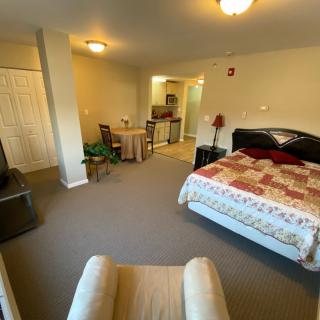
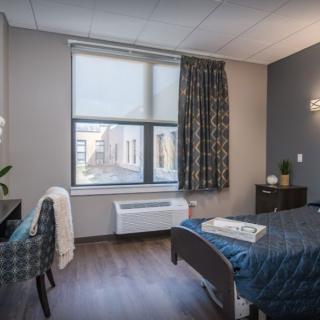
    • Fully furnished Fully furnishedFully furnished senior living communities are important for seniors because they provide convenience, comfort, and a hassle-free moving experience. Seniors can easily settle into their new living space without the stress of having to buy and move furniture. This allows them to focus on enjoying their new home and community.
    • Gaming room Gaming roomGaming rooms are important for seniors as they provide a fun and engaging environment for socializing, cognitive stimulation, and physical activity. Games can improve memory, problem-solving skills, and overall mental well-being while fostering friendships and reducing feelings of isolation.
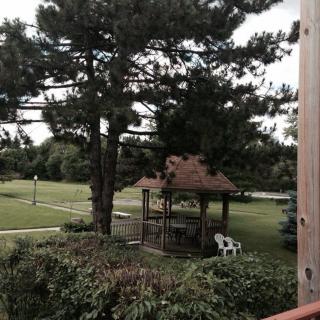
    • Garden GardenGardens are important for seniors as they provide a peaceful and therapeutic environment for relaxation, physical activity, and socialization. Being in nature has been shown to reduce stress, improve mood, and promote overall well-being. Gardens also offer opportunities for seniors to engage in gardening activities, which can improve mobility, flexibility, and cognitive function. Additionally, gardens create a sense of community and connection with others who share a passion for plants and outdoor spaces.
    • Housekeeping services Housekeeping servicesHousekeeping services are important for seniors because they help maintain a clean and safe living environment, promote independence, and reduce the risk of accidents or illnesses. Additionally, having assistance with household chores can alleviate physical strain and allow seniors to focus on other aspects of their well-being.
    • Kitchenette KitchenetteKitchenettes are important for seniors living in senior living communities because they provide the convenience and independence of being able to prepare simple meals and snacks in the comfort of their own living space. This can help promote a sense of autonomy and well-being for seniors, allowing them to maintain some level of control over their dietary choices and daily routines.
    • Move-in coordination Move-in coordinationMove-in coordination is important for seniors because it helps ease the transition into their new living environment. It ensures that all logistics, such as packing, organizing movers, and setting up utilities are taken care of, allowing seniors to focus on settling in and adjusting to their new home. Having a smooth move-in process can alleviate stress and anxiety, making the transition smoother and more enjoyable for seniors.
    • Outdoor space Outdoor spaceOutdoor spaces are important for seniors as they provide opportunities for physical activity, social interaction, exposure to natural light and fresh air, and a sense of connection to nature. Having access to outdoor spaces can improve overall well-being and quality of life for older adults living in senior communities.
    • Private bathrooms Private bathroomsPrivate bathrooms are important for seniors in senior living communities because they provide independence, dignity, and comfort. Having a private bathroom allows seniors to maintain their personal hygiene routines without the need for assistance, promoting a sense of autonomy and privacy. Additionally, private bathrooms help prevent the spread of infections and provide a safe and clean environment for seniors to navigate safely.
    • Restaurant-style dining Restaurant-style diningRestaurant-style dining is important for seniors because it allows them to enjoy delicious, nutritious meals in a social and upscale setting. This enhances their dining experience, promotes healthy eating habits, and fosters socialization with fellow residents, ultimately contributing to their overall well-being and quality of life.
    • Small library Small librarySmall libraries are important for seniors as they provide access to a variety of reading materials, including books, newspapers, and magazines. This can help stimulate their minds, keep them engaged, and provide a sense of community through book clubs and other social activities. Additionally, reading has been shown to improve cognitive function and overall mental well-being in older adults.
    • Telephone TelephoneTelephones are important for seniors as they provide a lifeline for communication with loved ones, emergency services, and healthcare providers. They offer a sense of security and independence, enabling seniors to stay connected and access assistance when needed.
    • Wellness center Wellness centerWellness centers are important for seniors because they offer a variety of programs and services that promote physical, mental, and emotional well-being. These centers provide opportunities for exercise, socialization, education, and relaxation, helping seniors maintain their overall health and quality of life.
    • Wi-Fi/high-speed internet available Wi-Fi/high-speed internet availableWi-Fi/high-speed internet is important for seniors to stay connected with loved ones, access online resources, and participate in virtual activities to combat feelings of loneliness and isolation. It also allows them to easily manage healthcare needs, access entertainment, and engage in lifelong learning opportunities.

    Transportation

    • Chicago Midway (15 miles away) Chicago Midway (15 miles away)
    • Community operated transportation Community operated transportationCommunity operated transportation is crucial for seniors as it provides them with the means to access essential services, social activities, and medical appointments. It allows seniors to maintain their independence and quality of life by ensuring they can participate in activities outside of their homes. Additionally, community-operated transportation services offer a safe and reliable way for seniors to travel without having to rely on family or friends for assistance.
    • Transportation arrangement Transportation arrangementTransportation arrangements are crucial for seniors as they may face challenges with driving, mobility, or access to public transportation. Having reliable transportation services ensures that seniors can easily attend appointments, social activities, and maintain their independence and quality of life.
    • Transportation arrangement (non-medical) Transportation arrangement (non-medical)Transportation arrangements are essential for seniors as they provide access to essential services, activities, and social interactions outside the home. This service helps maintain independence, mobility, and overall well-being for seniors who may have limited transportation options.
    • Transportation to doctors appointments Transportation to doctors appointmentsTransportation to doctors appointments is crucial for seniors as it ensures they have access to necessary medical care and support, promoting their health and well-being. It allows them to receive timely treatment, monitor existing conditions, and address any new health concerns efficiently. Additionally, transportation services can help seniors maintain their independence and quality of life by enabling them to stay connected with their healthcare providers.

    Care Services

    • 12-16 hour nursing 12-16 hour nursing12-16 hour nursing care is crucial for seniors in order to ensure around-the-clock monitoring, timely medication administration, and prompt response to any health concerns or emergencies. This level of care helps to promote the overall well-being and safety of seniors living in senior living communities.
    • 24-hour call system 24-hour call system24-hour call systems are important for seniors because they provide peace of mind and immediate assistance in case of emergencies. This technology ensures that help is always available, promoting safety and security for elderly individuals living alone or in assisted living facilities.
    • 24-hour supervision 24-hour supervision24-hour supervision is important for seniors to ensure their safety, well-being, and access to immediate assistance in case of emergencies or health issues. This constant support provides peace of mind for both seniors and their loved ones, allowing them to age in place with dignity and security.
    • Activities of daily living assistance Activities of daily living assistanceActivities of daily living assistance are important for seniors because they provide essential support with tasks such as eating, bathing, dressing, and mobility. This assistance helps seniors maintain their independence, dignity, and overall quality of life as they age.
    • Assistance with bathing Assistance with bathingAssistance with bathing is crucial for seniors as it helps maintain personal hygiene, prevents infections, and ensures their overall well-being and comfort. It also provides a sense of dignity and independence for seniors who may struggle with this task on their own.
    • Assistance with dressing Assistance with dressingAssistance with dressing is important for seniors because it helps maintain their independence, promotes personal hygiene, prevents accidents and injuries, and improves overall quality of life. This service ensures that seniors can continue to dress comfortably and confidently, despite any physical limitations they may have.
    • Assistance with transfers Assistance with transfersAssistance with transfers is crucial for seniors as it helps prevent falls and injuries, maintains their independence, and ensures they can safely navigate their living environment. It also provides peace of mind for both seniors and their loved ones.
    • Diabetes diet Diabetes dietA diabetes diet is crucial for seniors as it helps manage blood sugar levels, reduce risks of complications, and improve overall health and well-being. By following a balanced and nutritious diet tailored to their specific needs, seniors can better control their diabetes and enhance their quality of life.
    • Meal preparation and service Meal preparation and serviceMeal preparation and service are crucial for seniors as they may have limited mobility or energy to cook nutritious meals. Having access to healthy and convenient food options can ensure they are getting the proper nutrition needed to maintain their overall health and well-being.
    • Medication management Medication managementMedication management is crucial for seniors to ensure they are taking the right medications at the correct dosages and times. This helps prevent adverse drug interactions, reduces the risk of medication errors, and promotes overall health and well-being. Proactive management also allows for adjustments as needed based on changing health conditions or new prescriptions.
    • Mental wellness program Mental wellness programMental wellness programs are essential for seniors as they promote cognitive stimulation, emotional support, and social engagement. These programs help prevent isolation, depression, and cognitive decline, ultimately enhancing the overall quality of life for older adults.
    • Special dietary restrictions Special dietary restrictionsSpecial dietary restrictions are important for seniors because age-related changes in metabolism and health conditions can make it difficult for their bodies to process certain foods. By following a diet tailored to their specific needs, seniors can maintain their overall health and well-being, manage chronic conditions, and reduce the risk of complications such as malnutrition or food interactions with medications.

    Dining

    • Diabetes diet Diabetes dietA diabetes diet is crucial for seniors as it helps manage blood sugar levels, reduce risks of complications, and improve overall health and well-being. By following a balanced and nutritious diet tailored to their specific needs, seniors can better control their diabetes and enhance their quality of life.
    • Special dietary restrictions Special dietary restrictionsSpecial dietary restrictions are important for seniors because age-related changes in metabolism and health conditions can make it difficult for their bodies to process certain foods. By following a diet tailored to their specific needs, seniors can maintain their overall health and well-being, manage chronic conditions, and reduce the risk of complications such as malnutrition or food interactions with medications.

    Activities

    • Community-sponsored activities Community-sponsored activitiesCommunity-sponsored activities are important for seniors as they provide opportunities for social interaction, mental stimulation, and physical activity. These activities can help improve overall well-being, combat loneliness and isolation, and promote a sense of belonging and purpose among older adults.
    • Concierge services Concierge servicesConcierge services are essential for seniors as they provide assistance with daily tasks and errands, enhance their quality of life by offering convenience and personalized care, and promote a sense of safety and security.
    • Fitness programs Fitness programsFitness programs are crucial for seniors as they help improve strength, flexibility, balance, and overall well-being. Staying active can reduce the risk of chronic diseases, improve mental health, and enhance quality of life in older adults.
    • Planned day trips Planned day tripsPlanned day trips are important for seniors because they offer opportunities for socialization, mental stimulation, and physical activity. They provide a change of scenery and help seniors stay engaged and connected to their community, promoting overall well-being and quality of life.
    • Resident-run activities Resident-run activitiesResident-run activities are important for seniors as they encourage social interaction, creativity, and a sense of autonomy. These activities empower seniors to stay engaged and active in their community while fostering meaningful connections with their peers.
    • Scheduled daily activities Scheduled daily activitiesScheduled daily activities are important for seniors because they provide structure, socialization, mental stimulation, and physical activity. Engaging in regular activities can improve overall well-being and quality of life for seniors living in a community setting.

    Description

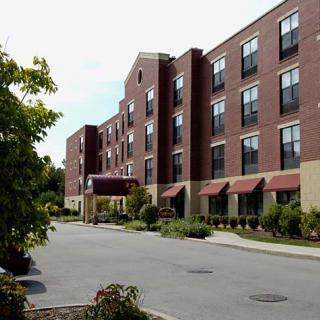
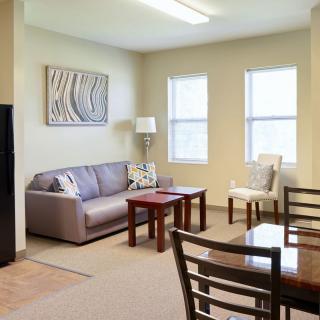
    The Countryside Nursing & Rehab Center in Dolton, IL offers a range of amenities and care services to meet the needs of its residents. With a focus on comfort and convenience, this community provides a variety of amenities such as a beauty salon, cable or satellite TV, a computer center, and a fitness room. The fully furnished living spaces also include private bathrooms and kitchenettes for added independence.

    Residents can enjoy delicious meals in the dining room with restaurant-style dining options and special dietary restrictions being accommodated. For leisure activities, there is a gaming room, small library, and outdoor space for relaxation. The community also offers transportation services for non-medical purposes as well as arranging transportation to doctors' appointments.

    In terms of care services, the Countryside Nursing & Rehab Center provides 24-hour supervision with an around-the-clock call system for assistance whenever needed. Trained staff are available to assist residents with activities of daily living such as bathing, dressing, and transfers. Medication management is also provided along with diabetes diet plans and mental wellness programs.

    To enhance the social experience of residents, there are concierge services available along with fitness programs and scheduled daily activities. Planned day trips and resident-run activities offer opportunities for exploration and engagement within the community. Additionally, there are various nearby amenities including cafes, parks, pharmacies, restaurants, places of worship, and hospitals for added convenience.

    With its wide range of amenities and care services, the Countryside Nursing & Rehab Center provides an assisted living community that promotes both comfort and wellness for its residents in Dolton, IL.

    Nearby Places of Interest

    Pharmacies

    • Walgreens (1 miles)
    • Walgreens (1.9 miles)
    • CVS Pharmacy (3 miles)
    • Walgreens (3.5 miles)
    • Walgreens (3.7 miles)
    • CVS Pharmacy (3.7 miles)
    • Walgreens (4.1 miles)

    Restaurants

    • Sonic Drive-In (1.4 miles)
    • Jack's (4.1 miles)
    • Chick-Fil-A (4.3 miles)
    • Portillo's Hot Dogs (4.4 miles)
    • Casa Del Mar Mexican Bar & Grill (5 miles)
    • Dillingers Drive-In (5.3 miles)
    • White Castle (6.1 miles)

    Parks

    • Maicach Park (1.6 miles)
    • Riverside Park (4.8 miles)
    • Beech Park (5.5 miles)
    • Wicker Memorial Park (6.6 miles)
    • Briar Creek Park (7.3 miles)
    • Calumet Park (7.5 miles)
    • The Park (7.8 miles)

    Hospitals

    • Ingalls Family Care Center (2.1 miles)
    • Ingalls Memorial (4.3 miles)
    • Community Hospital (5.7 miles)
    • Franciscan Physicians Hospital (6.2 miles)
    • Franciscan Health Emergency Department Munster (6.3 miles)
    • St Catherine Hospital (6.7 miles)
    • South Suburban Hospital (7.1 miles)

    Places of Worship

    • Christ Community Church (2.1 miles)
    • St. Paul's Lutheran School (5 miles)
    • Woodmar United Methodist Church (5.2 miles)
    • Holy Name Of Mary Church (6.7 miles)
    • Beth Eden Baptist Church (6.8 miles)
    • Illiana Islamic Association (7.6 miles)

    Physicians

    • Family Christian Health Center (4.3 miles)
    • Premier Oncology Hematology Associates (5.1 miles)
    • North Point Orthopaedics (6.1 miles)
    • East Chicago Dialysis (6.3 miles)
    • Dr Uppuluri, Dr Patel, Dr Chavin Urology (6.4 miles)
    • United Pain Services (7 miles)
    • Advocate South Suburban Hospital: Smith Sharon C MD (7.1 miles)

    Cafes

    • Panera Bread (4.3 miles)
    • Starbucks (4.7 miles)
    • Starbucks (6 miles)
    • Sip Coffee House (7.2 miles)
    • Starbucks (8.4 miles)
    • Panera Bread (8.5 miles)

    Transportation

    • Metra (5 miles)
    • Metra/Amtrak (6 miles)
    • Metra - 107th Street (6.1 miles)
    • Metra - Morgan Park / 115th Street (6.9 miles)

    Frequently Asked Questions

    Where is Countryside Nursing & Rehab Center?

    Nearby Communities

    Related Resources

    • fecal incontinenceFecal Incontinence in Older Adults: A Comprehensive Guide

      Fecal incontinence, prevalent among older adults, arises from factors like weakened pelvic muscles and nerve damage, significantly affecting well-being and social interactions. Diagnosis involves clinical evaluation and tests to inform tailored treatments, while caregivers and preventive measures can aid in managing the condition effectively.

    • anticipatory griefRecognizing the Journey: Understanding and Navigating Anticipatory Grief

      Anticipatory grief is an emotional response to the impending loss of a loved one, characterized by complex emotions such as sadness and anger, and involves navigating stages similar to those identified by Kübler-Ross. Coping strategies are vital for managing this process, emphasizing compassionate communication, self-care, and support groups while recognizing the cultural influences on grieving.

    • adult day careEncouraging Participation in Adult Day Care: A Guide to Supporting a Hesitant Parent

      Adult day care programs offer essential support and activities for older adults, yet many hesitate to participate due to concerns about independence and stigma. To alleviate these apprehensions, families should facilitate open discussions, explore financial resources, suggest trial visits, and collaborate with healthcare providers to highlight the benefits of such services for both the participants and their caregivers.


    Get Pricing Ask A Question Schedule A Tour Contact Senior Advisor