
2600 North Annie Glidden Road, Dekalb, IL 60115
For more information about senior living options: (866) 208-4318
Overall Review of Dekalb County Rehab & Nursing
Pros
 The facility is described as a wonderful rehab and nursing facility.
 - The staff’s professionalism, compassion, and dedication are evident in every interaction, ensuring residents’ comfort and recovery.
- The entire team is passionate about their work, and their efforts have a lasting, positive impact on residents’ recovery.
- Families express heartfelt gratitude for the staff’s unwavering commitment to care.
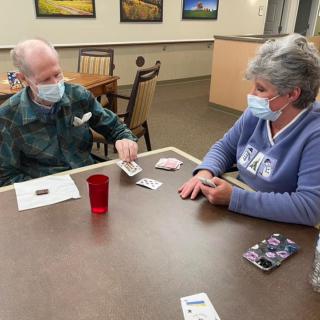
- The facility is clean and well-maintained, with engaging entertainment for residents.
- The staff are friendly, accommodating, and attentive, helping residents feel at home.
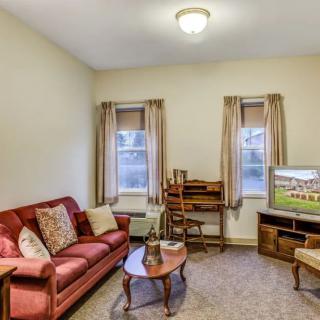
- The facility offers modern amenities and comfortable room options, contributing to a positive experience.
- Overall, reviewers strongly recommend the facility to others.
Cons
 They wouldn’t recommend the facility.
- The long-term care was horrible, with medications not given on time and residents going days without a shower.
- Some belongings went missing.
- Residents couldn’t go outside to sit on the patio without staff.
- Beds weren’t properly made; sheets were simply pulled up.
- The hallway scale was down, creating a fall risk.
- The place needed a new administrator.
- Some nurses and CNAs didn’t read patient care cards or MARs, and neglect and falls were observed.
Review
Dekalb County Rehab & Nursing is best suited for families prioritizing strong, hands-on rehabilitation and transition care delivered by a visibly dedicated frontline team. It works well for residents who can thrive with structured therapy, frequent clinician interaction, and clear care planning, and for families willing to stay actively involved to monitor progress and address concerns. For a loved one whose immediate need is effective short-term recovery, getting to a safer, more independent place after a fall, surgery, or hospitalization, this community offers a compelling, therapy-focused environment with a homey feel that many families value.
Those who should consider alternatives are residents who require steady, reliable long-term custodial care with ironclad daily oversight. Several reviews flag ongoing concerns with day-to-day safety and consistency in long-term care, including medication timing, housekeeping, and adherence to care instructions. If the expectation is consistently dependable daily living support, routine showers or grooming, and a transparent administrative backbone, it may be prudent to explore other facilities in the area. For families wary of mixed reports about administration and accountability, a careful comparison with peers is strongly advised.
The strongest positives center on rehab quality and the patient-centered approach of the clinical team. Families repeatedly praise the therapists, nurses, CNAs, and support staff for professionalism, compassion, and above-and-beyond efforts that support recovery. Patients report meaningful improvements during short stays, with staff who explain procedures and medications and who make a real effort to keep residents comfortable and engaged. Cleanliness and a generally welcoming environment emerge as consistent themes in favorable experiences, along with the sense that staff are genuinely invested in each resident’s progress and dignity.
Yet the most challenging thread running through the reviews is variability in long-term care outcomes and safety practices. Some accounts describe medication delays, missed showers, and belongings going missing, with concerns about how thoroughly care plans are read and followed. Several comments allege lapses in daily checks, late meals, and inconsistent housekeeping supervision, alongside candid calls for a new administrator. When feedback shifts from praise for rehab to caution about ongoing daily care, the implication is clear: for anyone needing sustained, reliable daily support, the concerns raise the specter of risk that cannot be ignored.
In weighing pros against cons, the rehab and transitional care strengths largely offset the positives for short-term goals: rapid, attentive therapy, clear communication from a motivated team, and a cleaner, more welcoming setting can meaningfully accelerate recovery and discharge planning. For long-term residence, however, the cons carry heavier weight. The same staff dedication that fuels rehab momentum does not automatically translate into consistently safe, high-quality daily care, which is essential for ongoing independence and peace of mind. Viewed against the broader local landscape, where some reviewers still consider this the best of three Dekalb options, the facility can be a strong pick when rehab wins out, but it requires vigilant ongoing oversight for any move into extended stay.
Practically, families evaluating this community should insist on specifics before committing. Seek a transparent staffing snapshot: therapist-to-patient ratios, nurse coverage during evenings and weekends, and how care cards are used in real time. Request a detailed med-pass protocol, timing benchmarks, and evidence of regular rounds with bedside checks. Tour during a typical shift to observe housekeeping cadence, meal service timing, and how outdoor areas are utilized, then compare with private-room availability and cost implications. If choosing this facility, design a plan that includes proactive communication with directors, a documented care plan, and a defined process for escalating concerns. With disciplined advocacy and clear expectations, Dekalb County Rehab & Nursing can deliver outstanding rehab outcomes and compassionate care; without that vigilance, the mix of strong rehab and uneven daily care can undermine the overall experience.
 190 resident community capacity
 Skilled Nursing Facility
 Air-conditioning
 Beauty salon
 Cable or satellite TV
 Computer center
 Dining room
 Fitness room
 Fully furnished
 Gaming room
 Garden
 Housekeeping services
 Kitchenette
 Move-in coordination
 Outdoor space
 Private bathrooms
 Restaurant-style dining
 Small library
 Telephone
 Wellness center
 Wi-Fi/high-speed internet available
 Greater Rockford (24 miles away)
 Community operated transportation
 12-16 hour nursing
 24-hour call system
 Activities of daily living assistance
 Assistance with bathing
 Assistance with dressing
 Assistance with transfers
 Diabetes diet
 Medication management
 Mental wellness program
 Special dietary restrictions
 Concierge services
 Planned day trips


 Powerful Realities of Elder Abuse and the Most Effective Ways to Report It
 Ten Vital Duties of a Senior Caregiver: A Comprehensive Guide
 9 Stimulating Memory Activities for Seniors: Puzzles, Cards, and Much More