
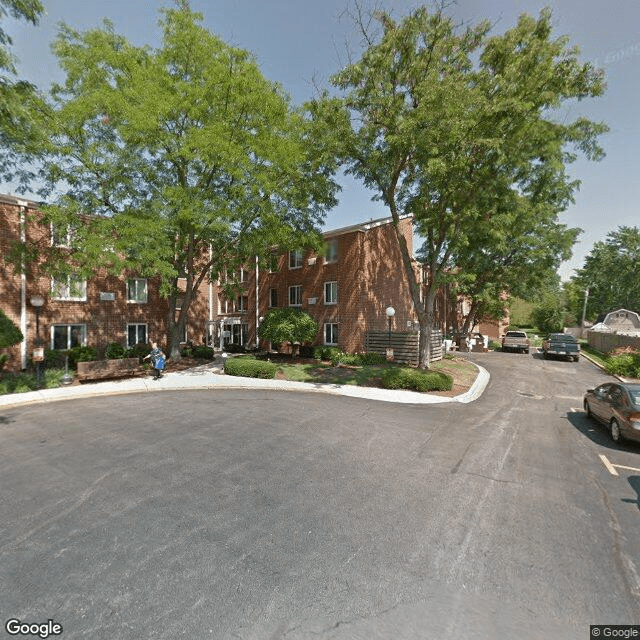
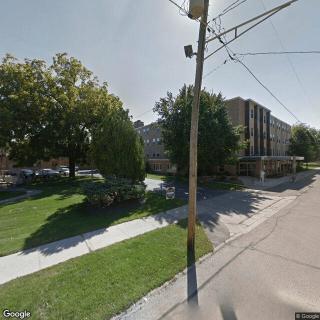
1600 North 14th Street, Dekalb, IL 60115
To contact a resident: (815) 756-3408
For more information about senior living options: (866) 208-4318
Colonial House Costs & Pricing
Colonial House offers a competitive pricing model for its 1-bedroom units, with monthly costs set at $690. This price stands in stark contrast to the average rental rates in DeKalb County, which hit approximately $2,941, and is significantly lower than the statewide average of around $3,527 in Illinois. By providing such an affordable option, Colonial House positions itself as an attractive alternative for individuals seeking quality housing without the financial strain typically associated with the region's higher market prices. This strategic pricing reflects a commitment to accessibility while catering to the needs of residents looking for comfortable living arrangements within a budget-friendly framework.
| Floor plans | Colonial House | DeKalb County | Illinois |
|---|---|---|---|
| 1 Bedroom | $690 | $2,941 | $3,527 |
Senior living communities with a similar price nearby
-
from +$106 / mo

Sandwich Manor
$796 / month21.7 miles away
Overall Review of Colonial House
Pros
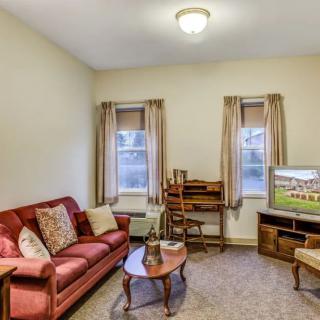
 The one-bedroom apartment is nice and cozy.
- The application process was easy, and the staff helped her through the details.
- The management was very helpful.
- The application process was smooth and easy.
- Most of the people are friendly.
- Overall, the community is positive.
- The place is wonderful to live.
Cons
 If they don't like you for their reason, a whole bunch of them will do anything they can to get you out.
- There are people in here that will take your packages, that are by your apartment door.
- They will threaten to harm you, and sometimes they will harm you.
- The manager won't do anything about it.
Review
Colonial House in Dekalb, IL is best suited for budget-conscious seniors who want a straightforward, apartment-based retirement option with a quiet, independent lifestyle. It works well for a single retiree or a couple seeking a cozy one-bedroom arrangement and a move-in process that does not demand sustained navigating of complex eligibility or care plans. The community tenor favors low-key interactions, affordable rents, and a largely manageable living environment, making it attractive to residents who place a premium on value and predictability over high-touch services. That clarity of purpose matters: this is not an assisted-living campus with 24/7 staffing or a robust activity schedule. Seniors who want basic companionship and convenience without the frictions of a larger, more regimented community will likely find it appealing. Those who require regular personal care, strong security, or a highly active, kid-friendly atmosphere should consider alternatives.
The strongest positives center on affordability and simplicity. The one-bedroom apartments are described as cozy and suitable for retirement living, and the application process is consistently labeled as smooth and easy, with staff that guide applicants through the details. Management is repeatedly characterized as helpful, a distinction that matters when navigating leases, payments, and roommate or unit arrangements. The social atmosphere skews positive as well: most residents are described as friendly, and interactions in common areas tend to be pleasant. For someone seeking a low-stress, predictable environment where the basics, payment, upkeep, and neighbor relations, don’t overwhelm the day-to-day, Colonial House delivers. The absence of children in the community, while not a direct selling point, can translate into a quieter, more adult-oriented living rhythm that some seniors value.
Still, there are clear and consequential downsides that must be weighed. A portion of the feedback highlights meaningful safety and security concerns that cannot be dismissed. Reports indicate that some residents may display hostility toward others, and the suggestion that attempts are made to force someone out of the community based on personal friction is troubling. More alarming are anecdotes of thefts and threats around package deliveries, accompanied by a perception that management has not intervened or resolved these problems effectively. These are not fleeting complaints; they point to an environment where social tensions can escalate and the sense of personal safety may be compromised. The juxtaposition of generally positive, friendly interactions with sharp complaints about security creates a risk profile that deserves careful, candid evaluation before committing long-term.
In weighing the pros against the cons, the affordability, ease of entry, and generally cordial vibe do offset many practical concerns for residents who prize cost control and straightforward living. The responsive management and cooperative staff can cushion the impact of minor irritations and administrative hiccups, and a quiet, kid-free setting may suit certain retirees who prefer a subdued, adult-centric atmosphere. However, the most serious issues, the perceived inability or unwillingness of leadership to address aggression and property-related risks, are not easily dismissed. When the core value proposition hinges on predictable living with accessible staff, unresolved safety and security gaps can erode that promise and undermine the quality of daily life beyond what the modest rent implies.
Families and individuals who prioritize safety, proactive conflict resolution, and robust on-site oversight should not accept this arrangement without exploring alternatives first. If strong security protocols, visible resident support, and timely response to incidents matter, it is prudent to compare Colonial House to other communities with improved security records, more comprehensive resident programming, and transparent policies on harassment and package handling. For those who require assisted living services or expect ongoing daily assistance, this community will fall short. Even for those who value affordability, the risk-reward calculation tilts toward seeking options with clearer protections, more consistent enforcement of rules, and a stronger sense of communal accountability.
The practical next step is a targeted, evidence-based due diligence plan. Arrive during different times of day to observe foot traffic, security, and staff presence. Speak with several residents about how conflicts are resolved and how package delivery is managed. Request a breakdown of security measures, cameras, lighting, and any on-site security personnel, along with a written policy on harassment and eviction procedures. Review the lease for quiet–enjoyment clauses, guest policies, and responsibilities for repairs and safety upgrades. Ask for specifics on how management handles complaints, what follow-up looks like, and whether there are planned improvements in the near term. In short, this is a viable budget option for independent seniors who can tolerate some social fragility, but only after confirming that personal safety and predictable enforcement are concrete, enforceable realities rather than promises.
 Active Adult Communities (55+)



 A Detailed Examination of Nursing Home Costs Across the U.S.
 Exploring Nonmedical Home Care: Understanding Services, Costs, and Financial Approaches
 Engaging Brain Games and Innovative Apps to Keep Senior Minds Active