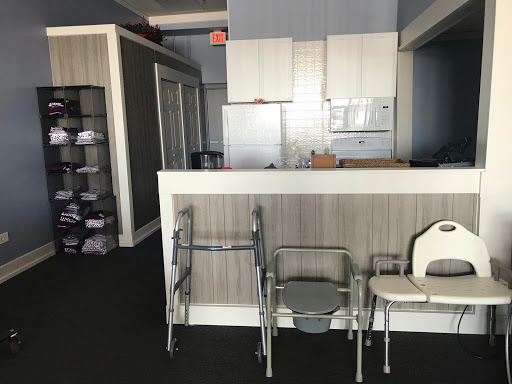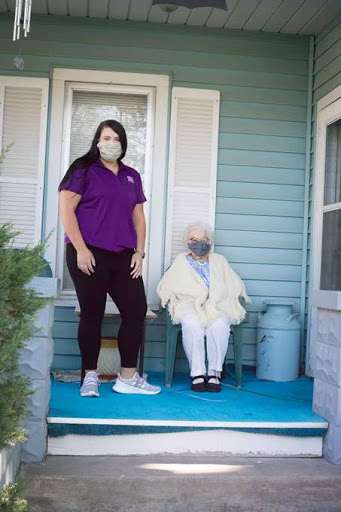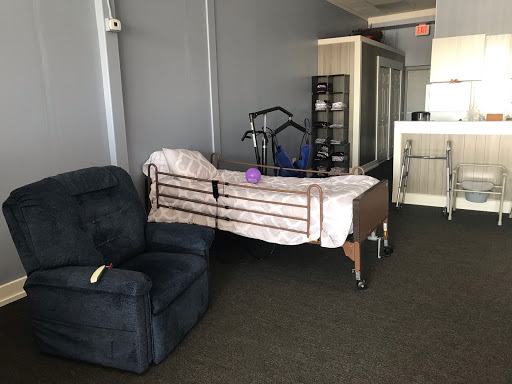
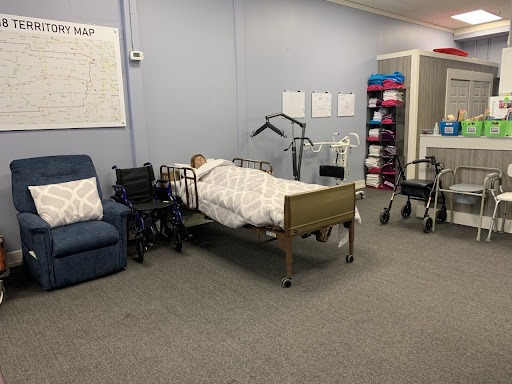




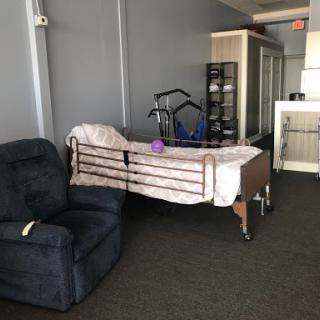
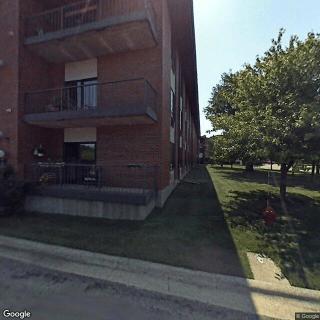
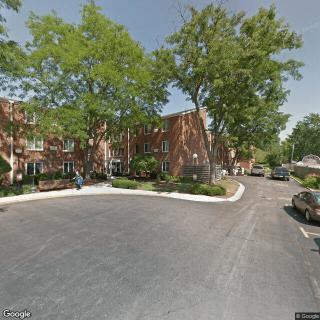
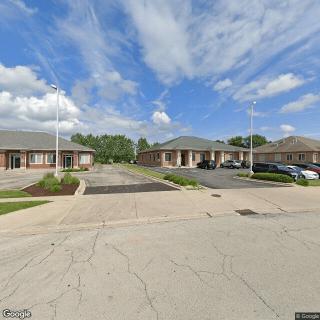
2585 Sycamore Road, Dekalb, IL 60115
To contact a resident: (815) 754-1300
For more information about senior living options: (866) 208-4318
Overall Review of Home Instead - DeKalb, IL
Pros
 Home Instead can customize plans to meet family needs and reduce the stress of keeping a loved one at home.
- Home Instead provides the right amount of help to make life easier for families.
- Quyler D. is regarded as an asset to the company, with exceptional customer service and attention to detail, prioritizing safety and care.
- Home Instead has been a wonderful choice for aging parents, delivering long-term care that supports recovery and memory work.
- They consistently help with light housekeeping and evening meals, enabling loved ones to stay in their homes.
- The caregivers and staff at Home Instead are far superior to other providers, being kind, considerate, and knowledgeable, with flexible scheduling and responsive office staff.
- Alec and his team are consistent, hardworking, and compassionate.
- Home Instead staff are well-qualified and compassionate, providing significant support and light housekeeping.
- The company is great to work with and keeps families updated.
- They take excellent care of loved ones.
- Home Instead's communication is impeccable, and they pair loved ones with aides who fit their needs; clients feel treated like family.
- The staff are amazing, and Home Instead is highly recommended.
Cons
 None detected. The provided reviews are all positive in tone.
Review
Home Instead DeKalb is best suited for families that want to preserve a loved one’s autonomy at home while receiving highly personalized support. The core appeal lies in tailored care plans that can cover light household tasks, meal assistance, and memory- or recovery-oriented activities, all designed to keep an aging relative safely at home rather than in a facility. The emphasis on continuity, paired caregivers, responsive office coordination, and ongoing communication, creates a practical framework for managing daily life, not just ticking boxes. Notably, reviewers highlight staff who are attentive, compassionate, and capable of adapting to evolving needs, with strong endorsements of the team’s ability to navigate tricky situations and keep families informed.
That said, some families may want alternatives if the situation requires around-the-clock skilled medical oversight or a more structured, campus-style community environment. For those whose loved one needs constant nursing attention, extensive medical equipment, or a setting with built-in social programs and roommates, an assisted living facility or a skilled nursing option may present clearer advantages. Similarly, if scheduling predictability becomes a dominant concern and the desire is for a single, fixed group of caregivers without regular changes, exploring other arrangements with more rigid caregiver assignments could be sensible. In short, this option shines for in-home support with flexibility; it may not be the best fit where intensive medical management or a traditional senior living campus is the priority.
The strongest pros, exceptional caregiver quality, responsive office support, and highly customizable care, consistently counterbalance the potential drawbacks. Multiple reviewers commend the care team for kindness, competence, and a genuine willingness to tailor services to the family’s needs. The ability to pair a loved one with an aide who truly fits their personality and care requirements reduces friction and enhances trust. Office staff are praised for staying in touch, coordinating schedules, and being open to adjustments as conditions change. When a care plan includes light housekeeping and meal support in addition to direct care, it becomes more than “care”; it becomes a practical daily life solution that preserves home routines and reduces caregiver burnout for family members.
Where the reviews diverge slightly is around consistency in staffing and scheduling, a common tension point in smaller in-home care operations. The favorable reports show a strong track record of stable, caring aides and proactive communication, while the occasional less-positive notes hint at variability that can come with freelance- or rotating-staff models. However, the strongest evidence from this group centers on robust caregiver selection, quick responsiveness from the office, and a demonstrated willingness to adjust the plan as needs shift. In this light, the pros, notably the customized approach and the “treat you like family” ethos, outweigh the potential downsides for families prioritizing home-based arrangements.
Practically, families should come prepared to engage actively in the care-planning process. Seek out the leadership team, Quyler D. and Alec emerge in the reviews as reliable, detail-focused advocates who can translate needs into actionable schedules. Request a clear care plan from day one, including memory-support strategies if memory concerns are present, and insist on a coherent caregiver-matching process to minimize turnover-related disruption. Confirm scheduling expectations, how changes are communicated, and how the agency handles temporary staffing gaps. Finally, leverage the community-oriented benefits, special events, a personable office environment, and a proven ability to support recovery and daily living, by pushing for a long-term plan that aligns with the loved one’s goals and the family’s daily reality.
In sum, Home Instead DeKalb offers a compelling, practical path to aging in place with dignity and personalized attention. It is a prudent fit for families seeking consistent, compassionate in-home care that can adapt over time, preserve routines, and deliver meaningful memory- and daily-living support. It is less suited for those requiring constant physician-led oversight or a traditional residential campus. When a clear emphasis on customized care, strong communication, and a familial care attitude is paramount, this service stands out as a credible, confident choice.






 Top Canine Companions for Older Adults
 Comprehensive Guide to Blood Pressure Charts for Older Adults: Understanding Normal and High Readings by Age
 Financing Long-Term Nursing Home Care Through Social Security: A Thorough Exploration