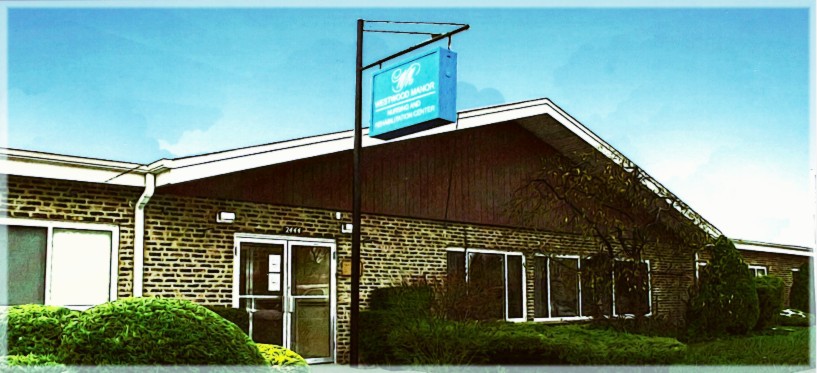
2444 West Touhy Avenue, Chicago, IL 60645
For more information about senior living options: (866) 208-4318
Overall Review of The Westwood Manor
Pros
 Westwood Village Skilled Nursing Facility is praised for exceptional care and professionalism, with staff making patients and families feel welcome and supported.
- The facility's resident-centered approach designs services to meet the unique needs and preferences of residents, empowering, respecting, and caring for them.
- Assistant Administrator Yvonne Thomas is approachable, compassionate, and consistently available to support residents and families.
- Social Services Director Dina Yaffe is empathetic and goes above and beyond to address residents' emotional and social needs.
- The entire Westwood Village team works seamlessly to create a warm, supportive, and resident-focused environment that feels like home.
- The facility prioritizes quality, compassion, and individualized care.
Cons
 They report that the staff answering the phone are rude, do not identify themselves, and do not explain why they cannot speak to the family member, planning to file a complaint to the DON.
- They state that the facility needs to be shut down.
- They describe the staff as unprofessional, uneducated, and rude, expressing safety concerns for their mother.
- They allege that a client was dumped at a mission and received bad care, urging others to take note.
- They say the phone receptionist is rude and incompetent, hanging up and delaying transfers, with callers left on hold.
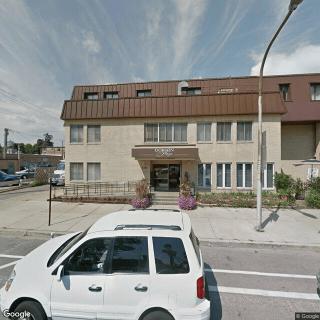
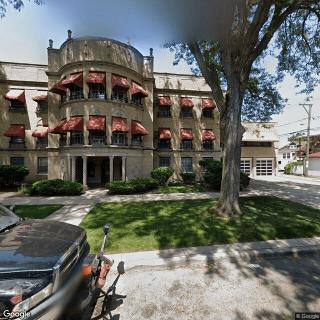
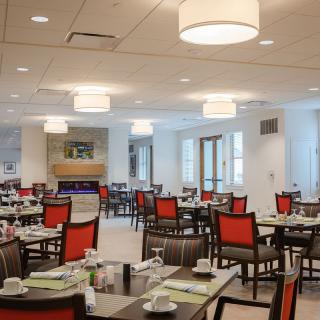
- They note that the building is simple and basic, not fancy or extravagant.
- They contend that the people in their care deserve better.
Review
Westwood Manor in Chicago is best suited for families that prize a truly resident-centered approach combined with deliberate, hands-on leadership in a skilled-nursing environment. When care plans are personalized and staff consistently treat residents as individuals with unique preferences, the community can feel like a trusted home during a challenging chapter. Several reviews praise a resident-focused ethos, open family communication, and leadership that appears accessible and engaged. The impression is of a warm, caregiving culture where emotional support and individualized activities sit at the core of daily life. The trade-off is a no-frills physical setting that prioritizes care over polish, a factor that matters if picturesque surroundings are not the priority.
Yet there are clear cautions for families that rely on smooth, professional communication as a non-negotiable standard. Several reviewers report rude or unhelpful phone interactions, with staff identified only by role rather than name, making accountability feel elusive. Complaints extend to the front desk experience, being hung up on or placed on hold without explanation, and a sense that administrative responsiveness can be inconsistent. More troubling are serious allegations about management decisions and discharge practices, claims that a patient was “dumped” at another facility and that a formal complaint was filed with the IDPH. While these are reviews, they highlight a tension between warm, personalized care and the need for reliable, professional operations.
Despite the friction points at the front desk and concerns about management, the core advantages can significantly offset those drawbacks for families who stay engaged with the care process. When staff pursue a truly resident-centered model, tailoring care plans, coordinating social and emotional supports, and maintaining open family contact, the care experience can feel holistic and compassionate. Leadership figures highlighted in the reviews, an approachable assistant administrator and a social services director, are described as actively supporting residents and families. For residents who require ongoing advocacy and structured, individualized attention, these strengths can translate into meaningful improvements in quality of life and daily functioning, even if the building itself reads as modest.
For families navigating the evaluation, practical due-diligence steps matter. It is wise to request a meeting with the assistant administrator and the social services director to hear directly how care plans are developed and updated, and to understand whom to contact for daily updates or urgent concerns. Ask for a transparent explanation of incident reporting and how family notifications are handled, along with copies of recent care plans and activity schedules. Request a candid tour focused on how therapy, social activities, and daily routines are delivered, not just the clinical rug-mat. Review recent state inspection findings and discuss how the facility handles difficult histories or complex care needs. If possible, speak with other families to triangulate the reported experiences.
The decision framework here favors Westwood Manor for long-term placement when the priority is consistent, personalized care and visible leadership that treats families as partners. It becomes a more conditional fit for those who require impeccable front-desk professionalism, flawless administrative communications, and a consistently trouble-free daily environment. Prospective residents should weigh the warmth of the care team and the potential for highly attentive, individualized support against the risk of inconsistent communication and the seriousness of management and safety concerns raised by some reviewers. In adjustments, one should expect to advocate actively, schedule regular check-ins, and compare with communities that offer stronger, more uniform administrative reliability.
In sum, Westwood Manor offers a pragmatic, caregiver-driven option for families who value the human core of elder care: genuine concern for residents’ needs, accessible leadership, and a willingness to tailor services to changing conditions. It is not the choice for those who require flawless front-desk service, highly polished surroundings, or unambiguous, consistently smooth operations. For the right family, one that can lean into active communication, demand clear accountability, and prioritize personalized care, the community can deliver meaningful peace of mind. Otherwise, it is prudent to explore alternatives with a track record of steadier administrative consistency and front-line professionalism.
 115 resident community capacity
 Skilled Nursing Facility
 Air-conditioning
 Beauty salon
 Cable or satellite TV
 Computer center
 Dining room
 Fitness room
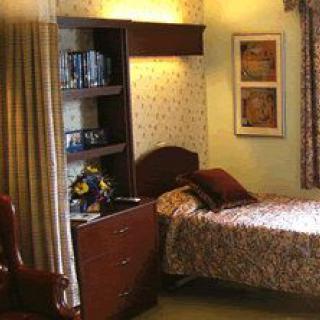
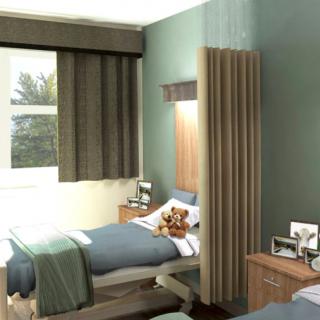
 Fully furnished
 Gaming room
 Garden
 Housekeeping services
 Kitchenette
 Move-in coordination
 Outdoor space
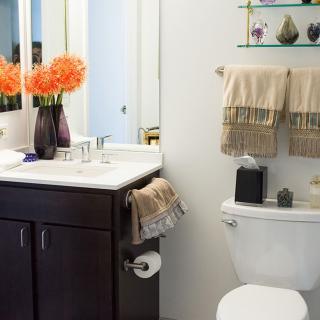
 Private bathrooms
 Restaurant-style dining
 Small library
 Telephone
 Wellness center
 Wi-Fi/high-speed internet available
 Chicago O'Hare International (11 miles away)
 Community operated transportation
 12-16 hour nursing
 24-hour call system
 Activities of daily living assistance
 Assistance with bathing
 Assistance with dressing
 Assistance with transfers
 Diabetes diet
 Medication management
 Mental wellness program
 Special dietary restrictions
 Concierge services
 Planned day trips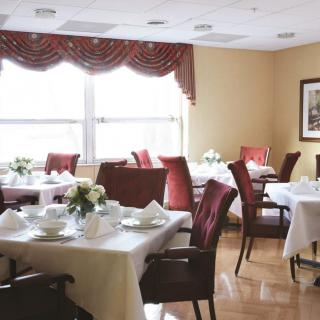

 Comprehensive Exploration of Living Wills and Other Advance Directives
 A Detailed Exploration of Living Wills and Advance Directives
 Comprehensive Guide to Medicare Coverage for Hospice Care