For more information about senior living options: (866) 208-4318
3.7 from 60 reviews
5 stars
34
4 stars
7
3 stars
0
2 stars
5
1 stars
14
Overall Review of St Paul's House & Health Care Center
differentiator9 reviews mention this
24/7 nursing and therapy support
Residents and families frequently describe ongoing nursing support and hands-on therapy during care.
A recurring theme in the reviews is that nursing care and therapy are active parts of the stay, including help with recovery and daily needs. Several reviewers specifically mention physical, occupational, and speech therapy, as well as staff being responsive to medical and care-plan needs. The community also offers skilled nursing as its care type, along with meal preparation and medication management, which aligns with the care-focused way residents describe their experience.
caveat8 reviews mention this
Communication can feel hit-or-miss
Some families report difficulty reaching staff by phone and getting answers quickly.
While many reviews praise how families stay informed, others describe challenges getting someone on the line or receiving timely communication. Several reviewers mention long delays, not getting returned calls, or feeling that communication slows down after the initial tour or early stages. At the same time, other residents and families say they felt kept in the loop with care updates, which suggests the experience may vary by situation and timing.
common22 reviews mention this
Staff warmth and helpfulness stand out
Across reviews, families repeatedly describe staff as kind, caring, and attentive to residents.
Most of the positive reviews emphasize how genuinely supportive the staff feel day-to-day, including nurses, CNAs, therapists, and administrators. Multiple reviewers highlight being treated with respect during stressful transitions and feeling supported with questions, paperwork, or care planning. A smaller set of reviews is sharply negative about staff behavior and professionalism, but the overall volume of praise keeps this from reading as an isolated issue.
common10 reviews mention this
Food is praised, with some dietary issues
Dining is a frequent topic, with many reviewers saying meals taste good.
Several reviewers say residents enjoy the food and describe meals as something they look forward to, including balanced meals and “raves about the food.” The community provides diabetes and other special-diet options, and residents describe attention to dietary needs in some cases. However, other reviews raise concerns about low-sodium handling and whether meal requests are followed consistently.
common9 reviews mention this
Facility cleanliness and updates
Many reviewers describe a clean, updated environment and comfortable common areas.
A notable share of reviews mention cleanliness and recent updates, including remodeled or renovated spaces and rooms described as clean and comfortable. Some reviewers also comment on atmosphere details like quietness, decoration, and the general upkeep of rooms and halls. A few reviews go in the opposite direction, describing odors and dirty conditions, so cleanliness may not be consistently experienced across all units and times.
How we summarize
Counts show how many written reviews mention each theme; a review can touch several themes, and only frequently mentioned themes are displayed.
Features
Housing
110 resident community capacity
Types of Care
Skilled Nursing Facility
Amenities
Air-conditioning
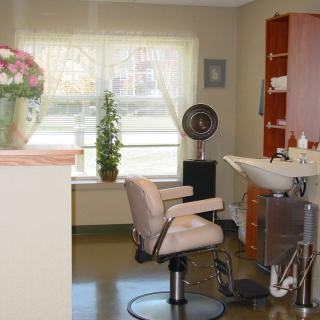
Beauty salon
Cable or satellite TV
Computer center
Dining room
Fitness room
Fully furnished
Gaming room
Garden
Housekeeping services
Kitchenette
Move-in coordination
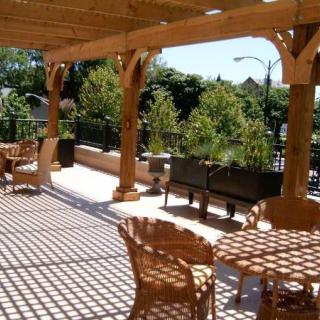
Outdoor space
Private bathrooms
Restaurant-style dining
Small library
Telephone
Wellness center
Wi-Fi/high-speed internet available
Transportation
Chicago O'Hare International (11 miles away)
Chicago Midway (12 miles away)
Community operated transportation
Transportation arrangement
Transportation arrangement (non-medical)
Transportation to doctors appointments
Care Services
12-16 hour nursing
24-hour call system
24-hour supervision
Activities of daily living assistance
Assistance with bathing
Assistance with dressing
Assistance with transfers
Diabetes diet
Meal preparation and service
Medication management
Mental wellness program
Special dietary restrictions
Dining
Diabetes diet
Special dietary restrictions
Activities
Community-sponsored activities
Concierge services
Fitness programs
Planned day trips
Resident-run activities
Scheduled daily activities
Nearby Places of Interest
Pharmacies
Walgreens (0.5 miles)
Walgreens (0.8 miles)
CVS Pharmacy (1 miles)
CVS Pharmacy (1 miles)
Walgreens (1.3 miles)
Walgreens (1.4 miles)
CVS Pharmacy (1.4 miles)
Cafes
Starbucks (0.6 miles)
Starbucks (1.4 miles)
Starbucks (1.7 miles)
Starbucks (2.2 miles)
Starbucks (2.3 miles)
Starbucks (2.7 miles)
Parks
Horner Park (0.7 miles)
Independence Park (1.3 miles)
Hamlin Park (1.4 miles)
Unity Playlot Park (1.6 miles)
Logan Boulevard (1.8 miles)
Palmer Square Park (2 miles)
Wrightwood Park (2.3 miles)
Restaurants
Longman & Eagle (1.5 miles)
McDonald's (2 miles)
Chick-Fil-A (2.1 miles)
SoFo Tap (2.2 miles)
Will's Northwoods Inn (2.3 miles)
Murphy's Bleachers (2.3 miles)
Parson's Chicken & Fish (2.3 miles)
Hospitals
Swedish Covenant Hospital Cancer Care (1.7 miles)
Advocate Illinois Masonic Medical Center (2.6 miles)
Transportation
Cta (2.3 miles)
Cta (2.3 miles)
CTA - Belmont (2.5 miles)
CTA - Fullerton (3 miles)
Cta (3.5 miles)
Jefferson Park Bus Terminal (3.5 miles)
CTA Jarvis (4.7 miles)
Theaters
Regal Webster Place (2.7 miles)
Physicians
Lincoln Park Dental Specialists (3.9 miles)
University of Illinois Mile Square Health Center: Near West Side (4.8 miles)
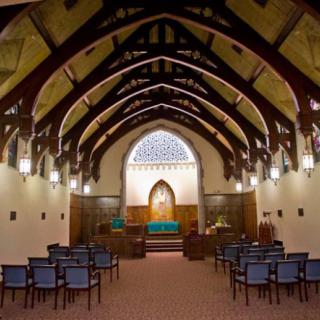
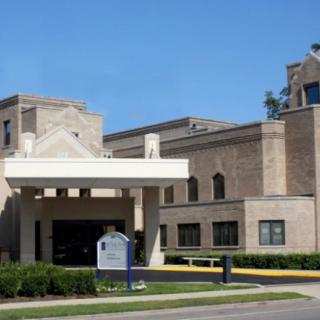
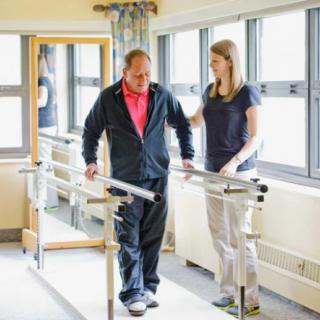
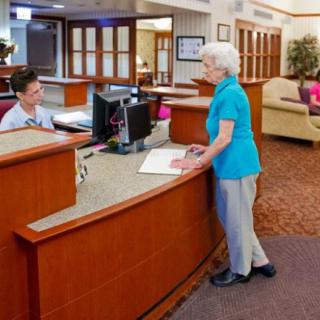
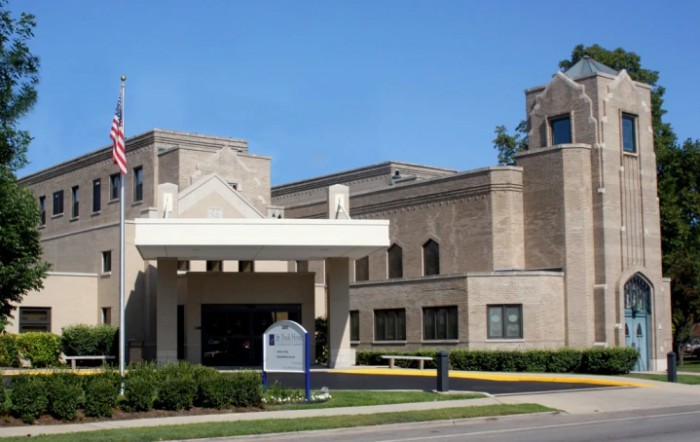
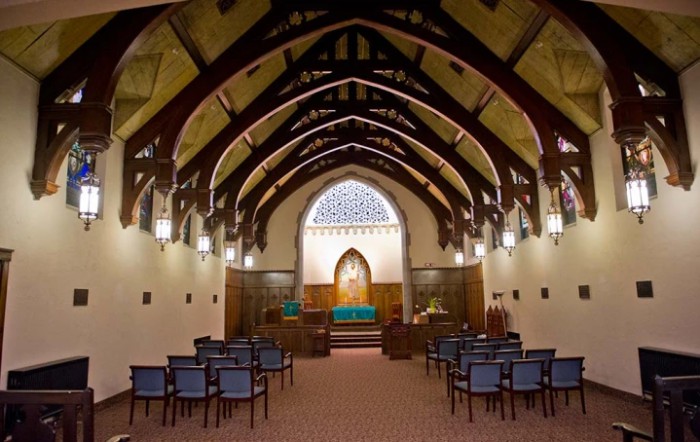
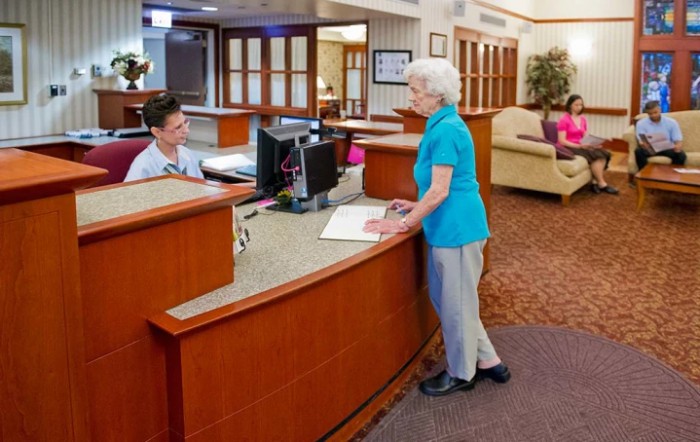
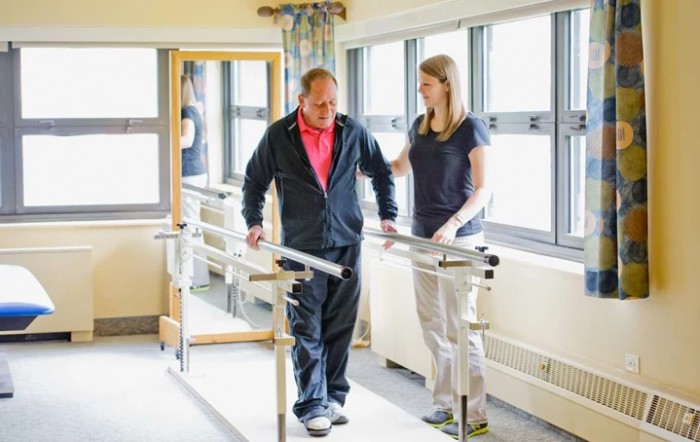
St Paul's House & Health Care Center on seniors.fyi includes 5 photos including images showing architecture, building, interior, computers, physical therapy, rehabilitation, exercise, healthcare, and more.
Nearby Communities
West Byron Place
Chicago, IL
5 from 5 reviews
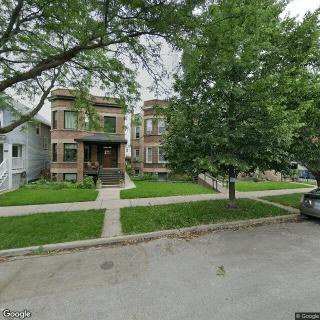
Close to numerous amenities and services (cafes, parks, pharmacies, restaurants, transit).
Paul House and Healthcare Center
Chicago, IL
3.7 from 90 reviews
$2,793 to $5,221 / month
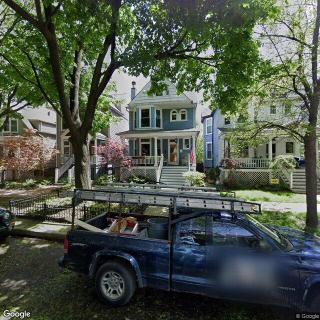
Attentive staff and open communication with families.
Senior Suites Ravenswood Manor
Chicago, IL
4.4 from 46 reviews
$1,059 to $3,200 / month
Friendly staff, clean, well-maintained facilities, and convenient amenities that support resident engagement.
Home Instead Senior Care
Chicago, IL
4.2 from 6 reviews
$5,435 to $7,850 / month
Premium, personalized care in a well-located Chicago setting with ample nearby amenities.
Kindred Guardian Services
Chicago, IL
$1,750 to $8,280 / month
Significantly lower semi-private rate than Cook County and Illinois averages.
Grey Sage Inc.
Chicago, IL
Excellent access to nearby amenities and healthcare.
Artis Senior Living of Lakeview
Chicago, IL
4.3 from 130 reviews
$5,500 to $7,850 / month
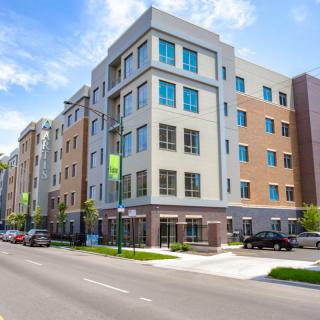
Clean, welcoming building with attentive, resident-focused staff.
St. Joseph Village of Chicago
Chicago, IL
4.3 from 113 reviews
$5,500 to $6,767 / month
Quality therapy and compassionate, personalized care in a small, well-maintained community with bilingual staff.
Renaissance Saint Luke
Chicago, IL
4.3 from 14 reviews
$900 to $1,785 / month
Prime location with friendly staff and engaging amenities.
Seniors benefit from ride-hailing services like Uber and Lyft, which provide convenient and accessible transportation options that promote independence and social engagement, while addressing mobility challenges. These platforms have adapted to meet senior needs with user-friendly features and safety measures, although costs can be a concern; community programs may help subsidize rides for older adults.
The guide outlines the eligibility criteria for home health care services, emphasizing clinical requirements, insurance options, and application processes. It distinguishes between Medicare's strict and Medicaid's flexible qualifications while addressing challenges families may face in securing necessary care at home.
Elder abuse affects many older adults worldwide and includes physical, emotional, neglectful, and financial harm, with about one in six individuals over 60 experiencing abuse annually. Prevention and intervention strategies focus on awareness, support for caregivers, and mandatory reporting, while recovery necessitates comprehensive support for both physical and emotional needs.
Healthcare, Rehabilitation, Physical Therapy, and Exercise
Reception and Computers
Get PricingAsk A QuestionSchedule A TourContact Senior Advisor
By clicking submit, you agree to our Partner's Terms of Use. You
also consent to receive calls and texts, which may be autodialed, from our Partner. Your consent is not a condition to
using our Partner's service. Please visit our Partner's Privacy Policy for information about their privacy practices.


 110 resident community capacity
 Skilled Nursing Facility
 Air-conditioning
 Beauty salon
 Cable or satellite TV
 Computer center
 Dining room
 Fitness room
 Fully furnished
 Gaming room
 Garden
 Housekeeping services
 Kitchenette
 Move-in coordination
 Outdoor space
 Private bathrooms
 Restaurant-style dining
 Small library
 Telephone
 Wellness center
 Wi-Fi/high-speed internet available
 Chicago O'Hare International (11 miles away)
 Community operated transportation
 12-16 hour nursing
 24-hour call system
 Activities of daily living assistance
 Assistance with bathing
 Assistance with dressing
 Assistance with transfers
 Diabetes diet
 Medication management
 Mental wellness program
 Special dietary restrictions
 Concierge services
 Planned day trips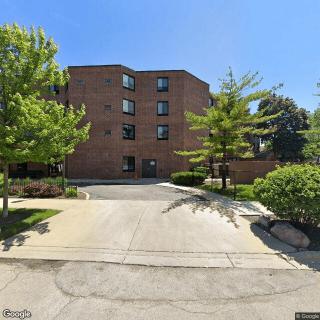
 Close to numerous amenities and services (cafes, parks, pharmacies, restaurants, transit).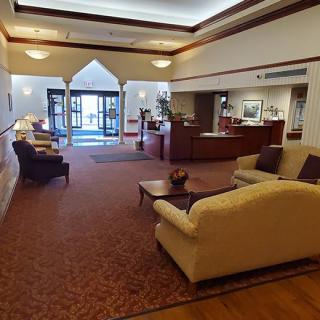
 Seniors and Modern Transportation: Exploring Uber, Lyft, and Other Ride-Hailing Options
 Comprehensive Guide to Qualifying for Home Health Care Services
 Powerful Realities of Elder Abuse and the Most Effective Ways to Report It