For more information about senior living options: (866) 208-4318
2.3 from 39 reviews
5 stars
8
4 stars
4
3 stars
3
2 stars
1
1 stars
23
Princeton Rehab & Health Care Center Costs & Pricing
Princeton Rehab & Health Care Center offers competitive pricing for its services compared to both Cook County and the broader state of Illinois. For a studio room, residents at Princeton will pay $2,475 per month, which is significantly lower than the county average of $3,762 and the state average of $4,028. In the case of a one-bedroom unit, the cost is $2,885 - again more affordable than Cook County's rate of $3,256 and Illinois' statewide average of $3,527. The two-bedroom option is priced at $3,620, standing in contrast to Cook County's higher price point of $4,412 and Illinois' average of $4,208. Overall, Princeton Rehab & Health Care Center provides an attractive alternative for individuals seeking quality care without incurring excessive costs associated with similar facilities in the area.
Floor plans
Princeton Rehab & Health Care Center
Cook County
Illinois
Studio
$2,475
$3,762
$4,028
1 Bedroom
$2,885
$3,256
$3,527
2 Bedrooms
$3,620
$4,412
$4,208
Skilled Nursing Facilities with a similar price nearby
from -$75 / mo
Presence Bethlehem Woods Retirement Community La Grange
Overall Review of Princeton Rehab & Health Care Center
common28 reviews mention this
Staff care is split
Residents and families describe staff compassion as inconsistent.
Some reviews say staff were attentive and engaged, explained care and medication, and treated residents as safe and comfortable. Others describe rude behavior, poor communication when trying to reach the front desk, and a lack of compassion or follow-through. A few visitors also mention feeling warmth on arrival and that management and staff seemed caring. Overall, the reviews don’t agree on the day-to-day experience with staff.
caveat12 reviews mention this
Cleanliness and pests come up
Concerns about cleanliness and pests appear repeatedly.
Several reviews mention odors on resident floors, dirty rooms, and items like urine or soiled surroundings not being addressed. Multiple comments also raise pest problems, including mice or rodents, and describe housekeeping as insufficient to prevent repeated issues. A couple of reviews contrast that with positive impressions of clean rooms and well-kept grounds, but the negative cleanliness experiences are frequent enough to stand out. Cleanliness is a clear point of contention in the feedback.
caveat7 reviews mention this
Understaffing is a concern
Some residents and families report being understaffed.
Reviews that are critical often say call-bell response was slow, that nurses were hard to find, or that there weren’t enough staff to provide care on time. One reviewer also describes residents left untended until later shifts, and another connects staffing shortfalls to persistent cleanliness and care issues. A smaller number of positive comments mention staff being on top of medical needs, but the staffing concerns are still a recurring theme. Staffing adequacy is a major factor behind the most negative feedback.
caveat6 reviews mention this
Food and sanitation raise questions
Food and sanitation concerns show up in multiple reviews.
Some reviews complain about food being unfit to eat and describe sanitation lapses around feeding. Others mention sanitation issues in meal handling or concerns about what is served to residents. A few residents’ families note that food is delivered to rooms because mobility is limited, but they do not add much detail about meal quality. Overall, dining-related comments tilt negative, even though meal delivery appears to be part of the service experience.
differentiator9 reviews mention this
Medical and rehab support matters
Care quality is often tied to medication and therapy support.
Several reviews emphasize medical management, including residents receiving the right medicine and families feeling their loved one was safe and well taken care of. Rehab and therapy experiences are also described directly, with comments about physical and occupational therapy professionals setting and working toward goals. At the same time, some negative reviews describe missed basics like bathing or pain medication, which affects how safe or comfortable residents feel. This theme suggests that day-to-day care outcomes depend heavily on how specific services are carried out.
How we summarize
Counts show how many written reviews mention each theme; a review can touch several themes, and only frequently mentioned themes are displayed.
Features
Housing
225 resident community capacity
Types of Care
Skilled Nursing Facility
Amenities
Air-conditioning
Beauty salon
Cable or satellite TV
Computer center
Dining room
Fitness room
Fully furnished
Gaming room
Garden
Housekeeping services
Kitchenette
Move-in coordination
Outdoor space
Private bathrooms
Restaurant-style dining
Small library
Telephone
Wellness center
Wi-Fi/high-speed internet available
Transportation
Chicago Midway (6 miles away)
Chicago O'Hare International (20 miles away)
Community operated transportation
Transportation arrangement
Transportation arrangement (non-medical)
Transportation to doctors appointments
Nearby Metro Stations
63rd
69th
Halsted
Care Services
12-16 hour nursing
24-hour call system
24-hour supervision
Activities of daily living assistance
Assistance with bathing
Assistance with dressing
Assistance with transfers
Diabetes diet
Meal preparation and service
Medication management
Mental wellness program
Special dietary restrictions
Dining
Diabetes diet
Special dietary restrictions
Activities
Community-sponsored activities
Concierge services
Fitness programs
Planned day trips
Resident-run activities
Scheduled daily activities
Nearby Places of Interest
Hospitals
St Bernard Hospital (0.7 miles)
Comer Children's Hospital (2.1 miles)
Advocate Trinity Hospital (4.4 miles)
Little Company of Mary Hospital (4.5 miles)
Advocate Children Hospital-Hope Pavilion (6 miles)
Advocate Christ Outpatient Pavilion (6.2 miles)
University of Illinois Hospital & Health Sciences System (7.3 miles)
Restaurants
Fred & Jack's (0.9 miles)
McDonald's (0.9 miles)
Popeyes Louisiana Kitchen (1.5 miles)
Leo's Den (1.9 miles)
Lil's Something Kool Cocktail Lounge (1.9 miles)
City Life Cocktail Lounge (2.1 miles)
Captain Hooks Fish & Chicken (2.5 miles)
Transportation
59th st Junction (1.3 miles)
Metra - 55th / 56th / 57th St (2.8 miles)
CTA - Sox-35th Red (4.3 miles)
Metra - 107th Street (4.9 miles)
Cta (5.6 miles)
Chicago Midway International Airport (MDW) (5.8 miles)
Princeton Rehab & Health Care Center offers competitive pricing for its services compared to both Cook County and the broader state of Illinois. For a studio room, residents at Princeton will pay $2,475 per month, which is significantly lower than the county average of $3,762 and the state average of $4,028. In the case of a one-bedroom unit, the cost is $2,885 - again more affordable than Cook County's rate of $3,256 and Illinois' statewide average of $3,527. The two-bedroom option is priced at $3,620, standing in contrast to Cook County's higher price point of $4,412 and Illinois' average of $4,208. Overall, Princeton Rehab & Health Care Center provides an attractive alternative for individuals seeking quality care without incurring excessive costs associated with similar facilities in the area.
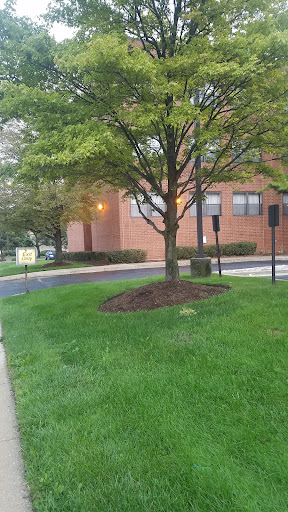
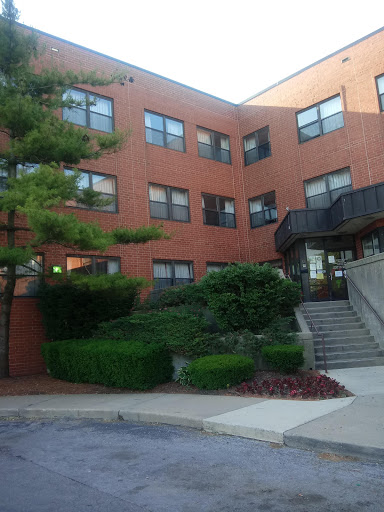
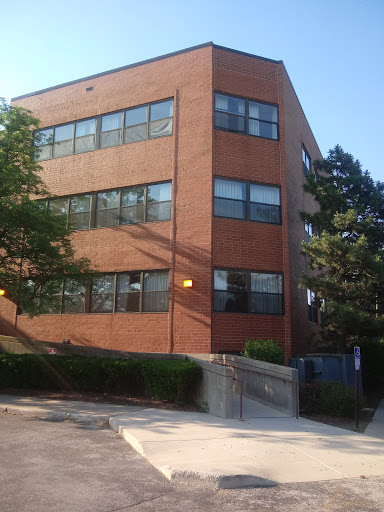
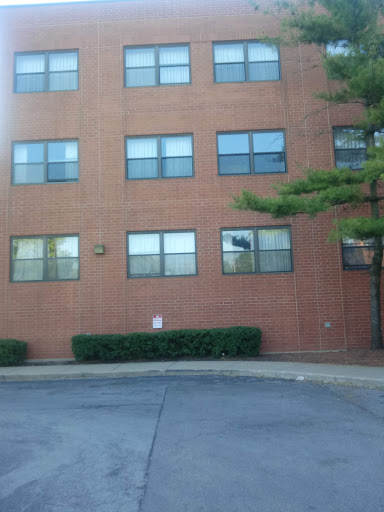
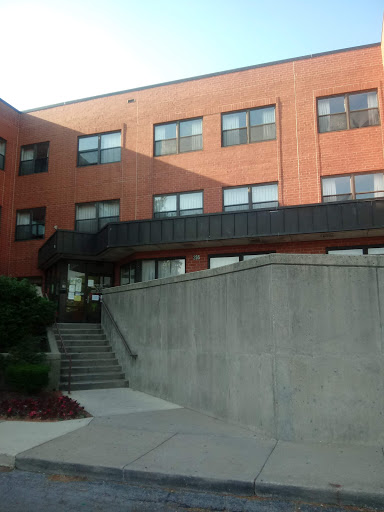
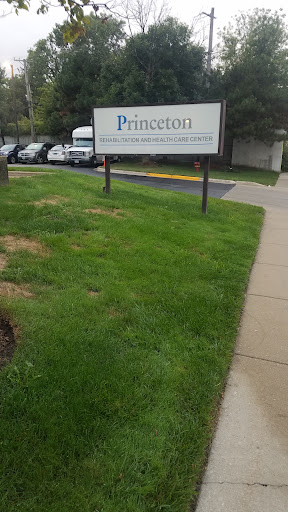
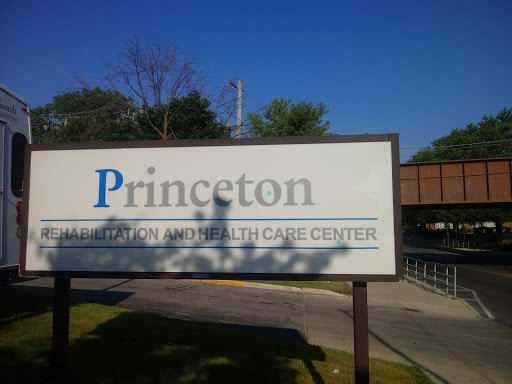
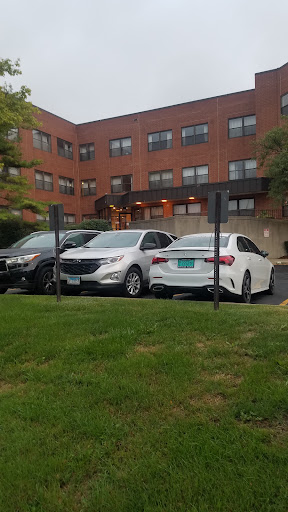
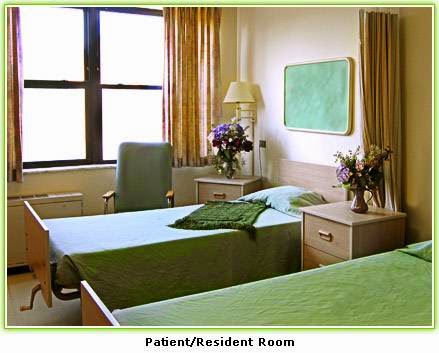
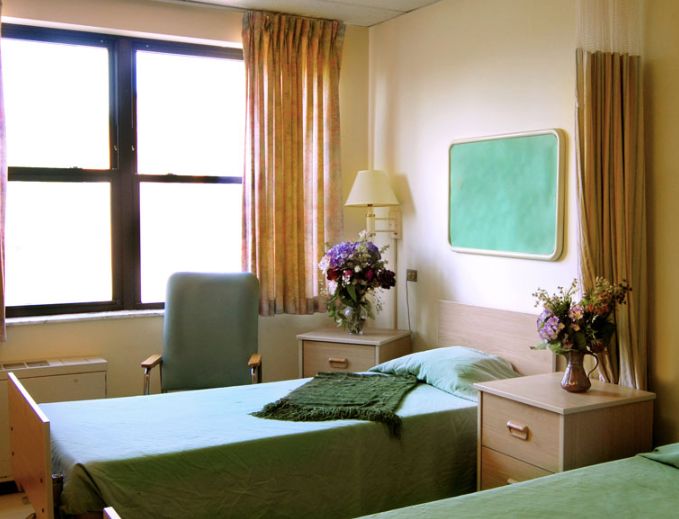
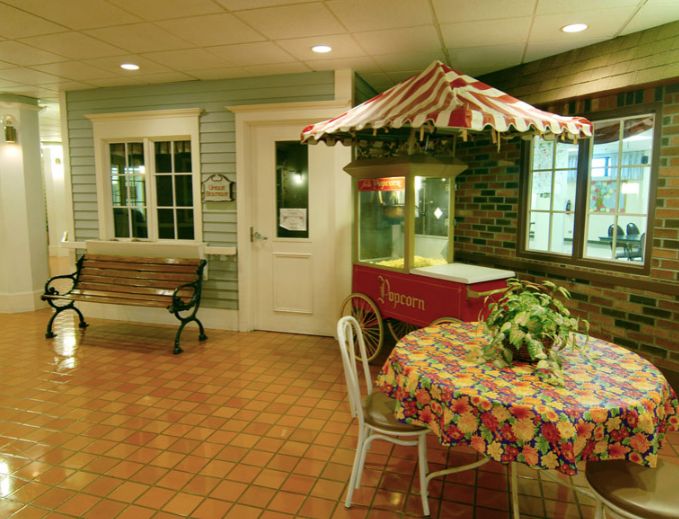
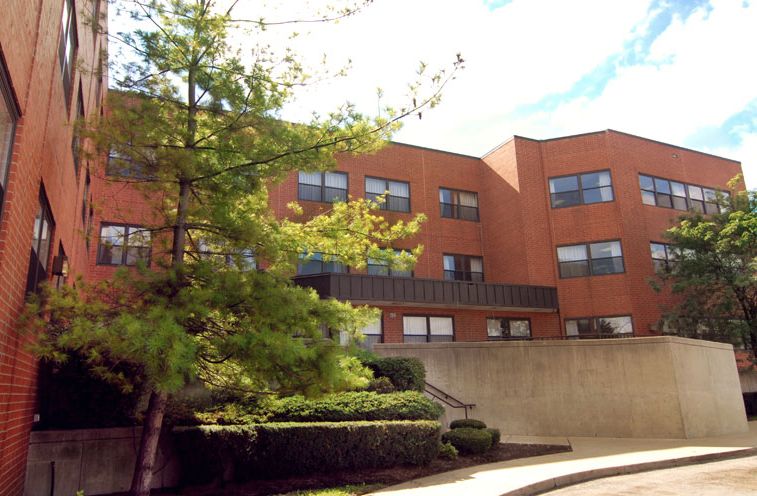
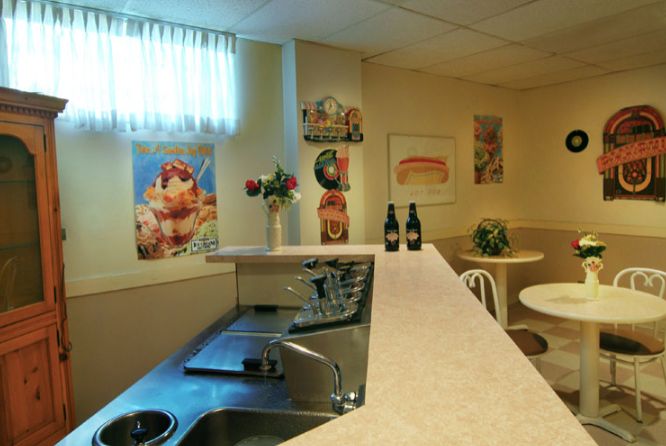
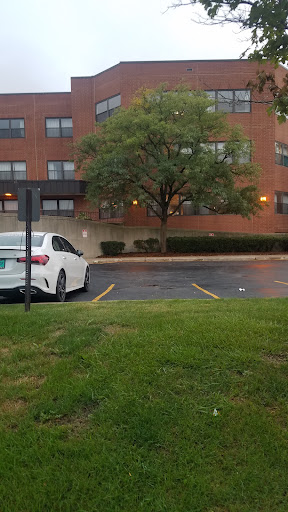
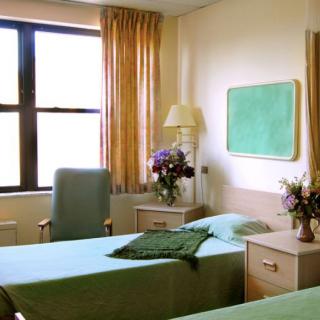
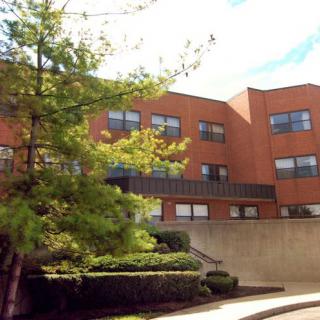
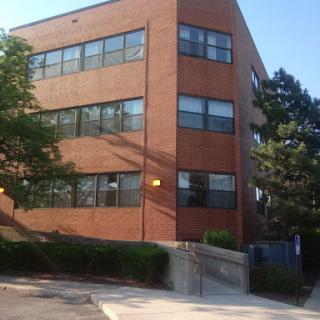
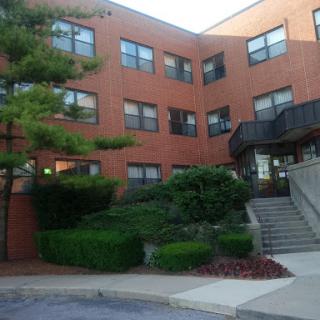
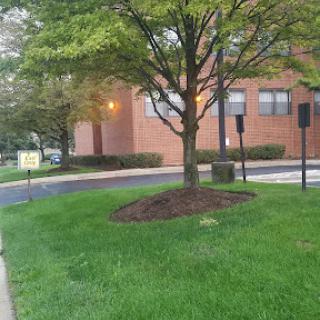
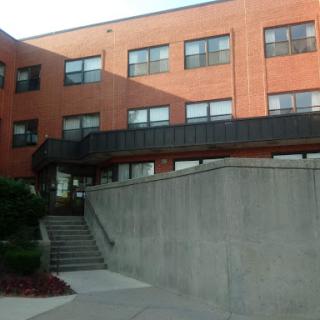
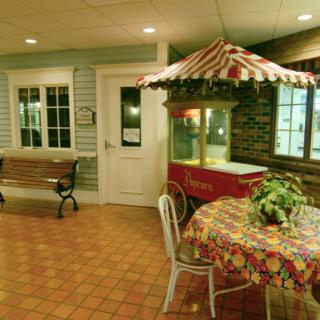
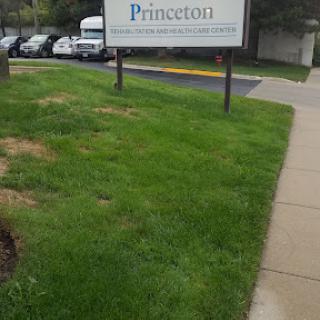
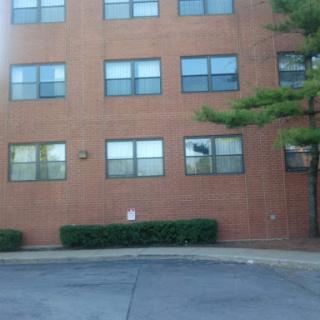
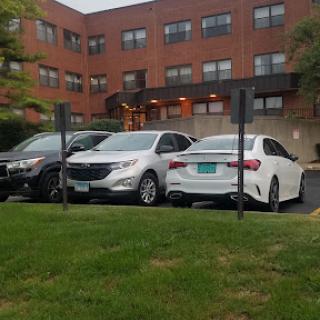
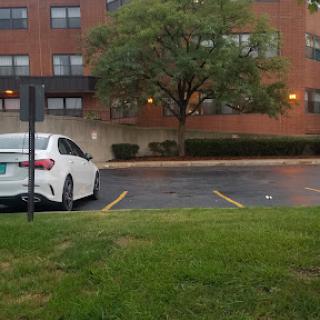
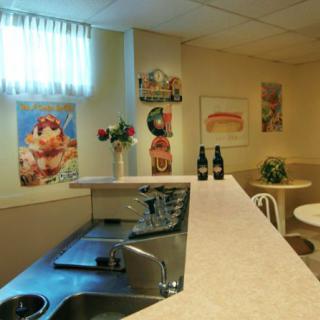
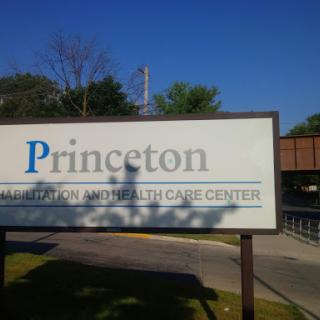
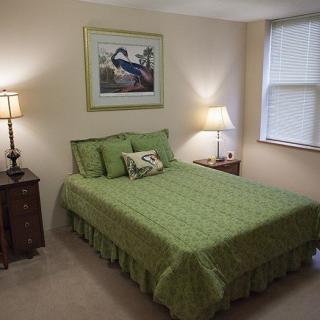
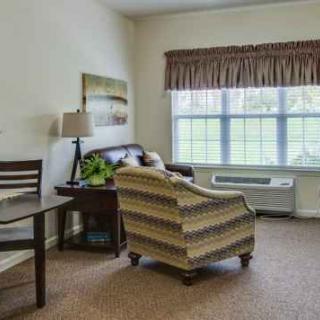
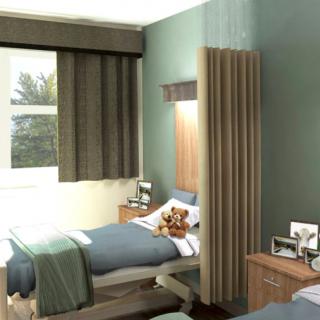
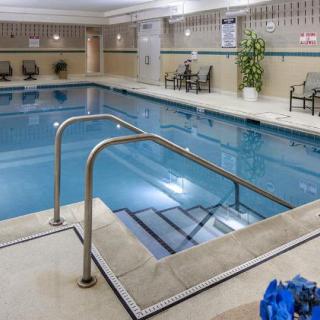
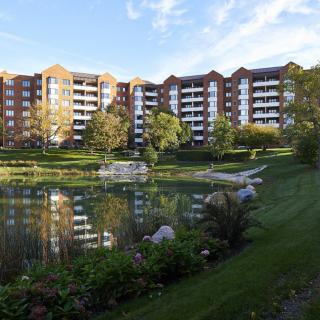
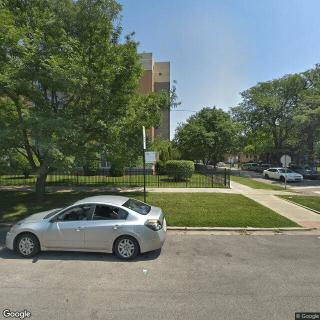
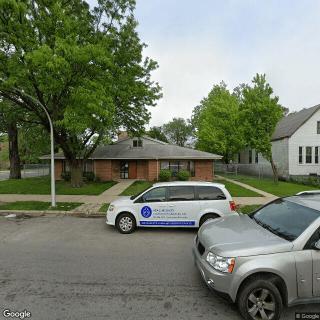
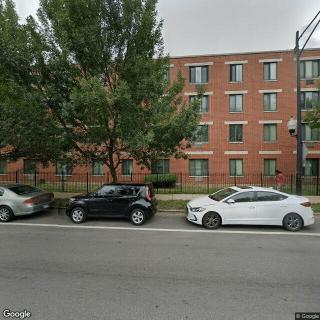
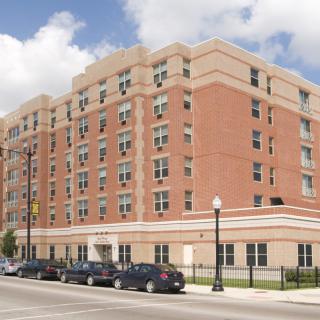
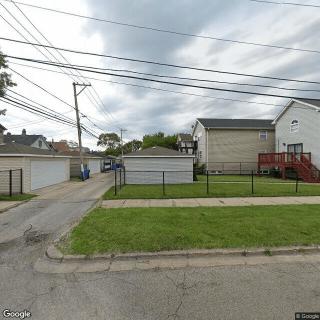
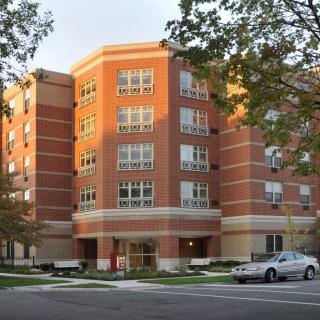
Princeton Rehab & Health Care Center on seniors.fyi includes 14 photos including images showing building, outdoor, windows, brick, grass, interior, architecture, parking, and more.
Nearby Communities
Wentworth Rehab & Health Care Center
Chicago, IL
2 from 35 reviews
Comprehensive on-site care and amenities (24/7 nursing, medication management, transportation, restaurant-style dining, wellness programs).
Alden-Wentworth Rehab & Health
Chicago, IL
2.1 from 38 reviews
$3,336 to $4,336 / month
Healthy meals and a structured, staff-supported wellness environment.
Tolton Manor
Chicago, IL
4 from 1 review
Great access to healthcare, dining, parks, and transit.
Hammond House
Chicago, IL
4.3 from 4 reviews
$5,000 / month
Competitive private-room pricing with convenient access to dining, parks, and healthcare.
Wheeler House
Chicago, IL
4.2 from 6 reviews
$635 to $3,700 / month
Spacious, well-maintained facility with friendly staff and strong social amenities.
Senior Suites Auburn Gresham
Chicago, IL
4.4 from 48 reviews
$1,059 to $1,161 / month
Friendly, professional staff; clean, well-maintained spaces; engaging amenities
Montclare Senior Residences of Avalon Park
Chicago, IL
4.3 from 16 reviews
$550 to $650 / month
Friendly staff, active community, and affordable rents with transportation help.
Jackson Park Supportive Living
Chicago, IL
4.7 from 92 reviews
$3,290 / month
Clean environment with friendly staff and a strong, caring community.
Senior Suites of Marquette Village
Chicago, IL
4.7 from 26 reviews
$1,059 to $1,161 / month
Clean, quiet, friendly staff, and practical in-unit amenities that support independence.
Elder law attorneys assist older adults and their families with legal matters such as estate planning, Medicaid eligibility, and guardianships, while also providing protection against elder abuse. They help navigate complex regulations to safeguard financial resources, ensure well-being, and maintain autonomy for seniors.
Caregiving for an aging parent entails emotional and financial responsibilities accompanied by significant tax implications, including potential benefits from claiming them as dependents and deductions for medical expenses and caregiving costs. Caregivers must understand eligibility requirements, maintain thorough documentation, and consider consulting a tax professional to navigate these complexities effectively.
Low-impact exercises are vital for seniors as they promote health, independence, and social interaction while reducing joint strain. These adaptable activities, guided by healthcare professionals, enhance strength, flexibility, and emotional well-being.
Get PricingAsk A QuestionSchedule A TourContact Senior Advisor
By clicking submit, you agree to our Partner's Terms of Use. You
also consent to receive calls and texts, which may be autodialed, from our Partner. Your consent is not a condition to
using our Partner's service. Please visit our Partner's Privacy Policy for information about their privacy practices.

 225 resident community capacity
 Skilled Nursing Facility
 Air-conditioning
 Beauty salon
 Cable or satellite TV
 Computer center
 Dining room
 Fitness room
 Fully furnished
 Gaming room
 Garden
 Housekeeping services
 Kitchenette
 Move-in coordination
 Outdoor space
 Private bathrooms
 Restaurant-style dining
 Small library
 Telephone
 Wellness center
 Wi-Fi/high-speed internet available
 Chicago Midway (6 miles away)
 Community operated transportation
 63rd
63rd  12-16 hour nursing
 24-hour call system
 Activities of daily living assistance
 Assistance with bathing
 Assistance with dressing
 Assistance with transfers
 Diabetes diet
 Medication management
 Mental wellness program
 Special dietary restrictions
 Concierge services
 Planned day trips
 Comprehensive on-site care and amenities (24/7 nursing, medication management, transportation, restaurant-style dining, wellness programs).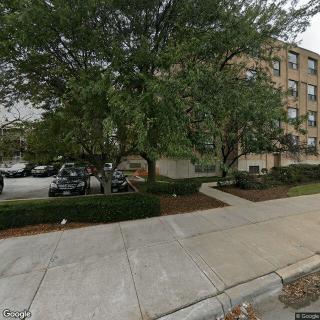

 6 Crucial Ways an Elder Law Attorney Assists Families
 Navigating the Tax Landscape of Caregiving: Credits, Deductions, and Beyond
 Highly Beneficial Low-Impact Exercises for Senior Living Residents