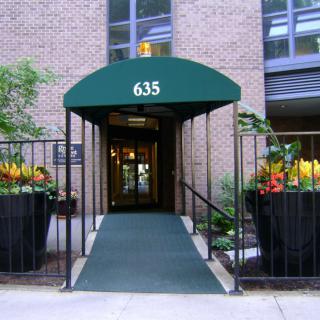
504 West Wellington Avenue, Chicago, IL 60657
For more information about senior living options: (866) 208-4318
Overall Review of Alden Lincoln Rehab & Health Care Center
Pros
 Most of the staff are incredible and devoted to helping vulnerable people in need.
- The social worker has been extremely caring since the beginning, taking extra time to inform families about strengths and weaknesses to help them make informed decisions.
- The local administrator seems kind and eager to help when available.
- The direct care nursing staff and CNAs are very kind and take the time to get to know residents’ unique needs and personalities.
- The staff are thoughtful and caring, as if caring for family members.
- The dietary staff are conscientious and check in to support residents’ health.
- Staff across all shifts are amazing and do their absolute best, with excellent communication.
- The sister is receiving the best care possible after a stroke.
- Alden Lincoln Park offers adult day care and is highly recommended for seniors seeking socialization and activities.
Cons
 The Director of Nursing has spoken to staff in a derogatory, shaming, bullying, and emotionally abusive tone, alarming patients.
- The Director of Nursing allegedly cornered a family member, brought in staff to watch, and spoke in a shaming, bullying, and emotionally abusive tone until tears.
- The administration is described as the worst and uncaring toward residents.
- The facility is a run-down dumping ground for unsuspecting patients, with cold, poorly served meals and delayed medications.
- The electric bed was defective and torturous, causing significant pain.
- Visible roaches and unsanitary conditions were reported, including no telephones in patient rooms and inedible food.
- Residents were neglected at times, with meals missed or not provided and some residents not fed for hours.
Review
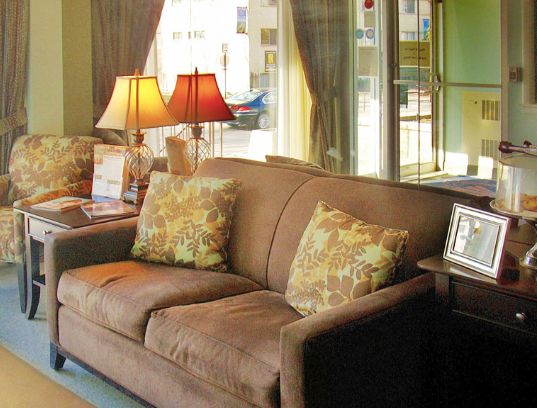
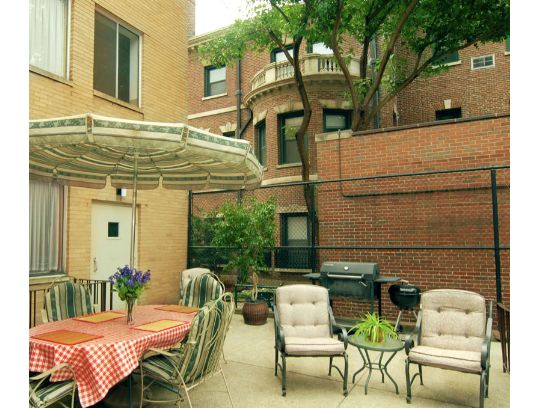
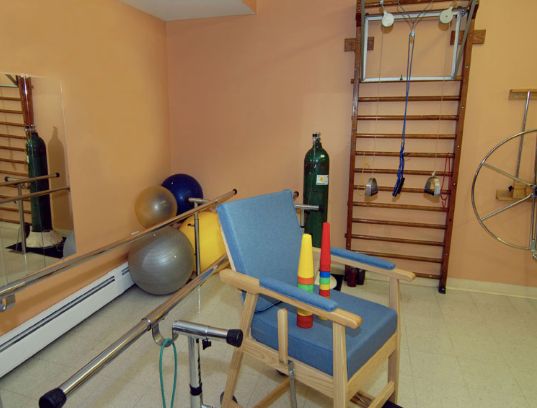
Alden Lincoln Rehab & Health Care Center in Chicago is best suited for families seeking a small, hands-on care environment where frontline staff will know the resident well and families can stay closely involved. The strongest value shows up in the day-to-day: nurses, CNAs, and dietary staff who are described as compassionate, attentive, and willing to adapt to individual needs. For residents who are transitioning from hospital care or require steady daily support, the intimate setting and the ability to form ongoing relationships with caregivers can translate into more personalized attention and a clearer sense of reassurance for families. The location and a built-in sense of community can also help maintain social connections, provided the family remains engaged and communicates consistently with the care team.
Those who may want to consider alternatives are primarily those who require consistently flawless administration, spotless conditions, and predictable systems. If reliable, courteous management, timely med delivery, and a pristine environment are non-negotiables, this facility will likely fall short. Families needing robust oversight, clear escalation protocols, and a demonstrated track record of respectful treatment from leadership should explore other options. Residents with complex medical needs that depend on a stable, proactive nursing director or a tightly managed care coordination process may do better with facilities that show steadier administrative performance and fewer reported reliability gaps.
On the plus side, the core care team frequently stands out. Frontline staff are praised for their kindness, continuity, and willingness to accommodate individual routines, and several reviews highlight dedicated social work and long-tenured employees who make an effort to keep families informed. The smaller, home-like feel and the consistent presence of caring nurses and aides can create a reassuring daily rhythm. Families that can lean into this hands-on care model may see real, tangible benefits in daily interactions, medication administration, and personal attention to dietary needs and activity engagement.
However, the most telling concerns center on the management and the environment. Reports describe a director of nursing who can be harsh and, at times, emotionally abusive toward staff in front of patients and families, raising serious concerns about workplace culture and downstream care. Administrative responsiveness is another sticking point: difficult-to-reach phone lines, slow or inconsistent information flow, and instances where essential supplies or instructions were not prepared for discharge or at home care. Cleanliness and upkeep also appear to be recurring issues, with guests reporting unclean conditions, infestations, and subpar meal quality in some cases. In short, the risk factors tied to leadership behavior, communication, and facility maintenance can undermine even excellent direct care.
The way the positives line up against the negatives remains a critical calculus. The strength of front-line care can offset many day-to-day inconveniences, but it does not fully compensate for inconsistent leadership, avoidable safety concerns, or recurring quality-control gaps. For short-term rehab or a highly engaged family that can document and monitor care at every shift, Alden Lincoln Park may deliver meaningful benefits despite its flaws. For long-term living or for residents with high needs for reliable administrative oversight, the risks, communication gaps, uneven staffing morale, and environmental problems, become harder to justify.
In the end, families weighing this community should enter with a clear plan: schedule multiple visits at different times, request direct conversations with the DON and the local administrator, and insist on a written care plan, med delivery schedule, and a contingency plan for emergencies. Probe current cleanliness standards, pest control measures, and the handling of equipment and supplies such as G-tube needs or emergency medications. Ask pointed questions about staffing levels per shift, response times to calls, and the facility’s recent quality inspections. If these conversations reveal concrete improvements and a reliable, respectful leadership approach, the facility can be a viable option for attentive, family-centered care. If not, it is prudent to keep exploring alternatives with stronger administrative consistency and facility conditions.
 96 resident community capacity
 Skilled Nursing Facility
 Air-conditioning
 Beauty salon
 Cable or satellite TV
 Computer center
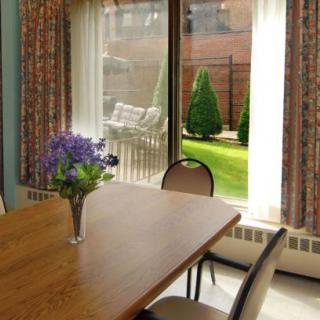
 Dining room
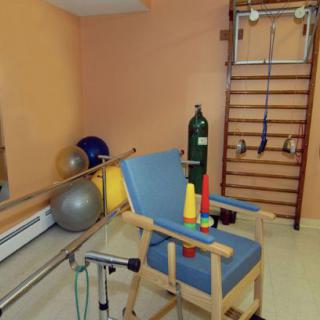
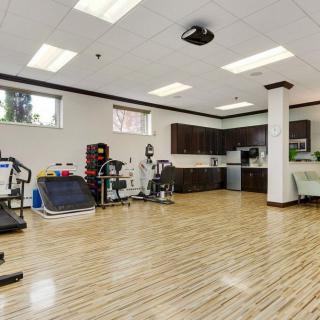
 Fitness room
 Fully furnished
 Gaming room
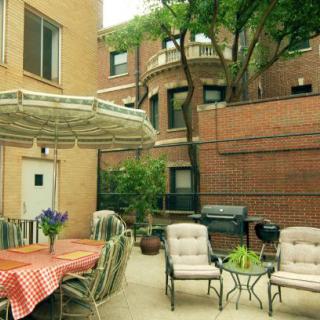
 Garden
 Housekeeping services
 Kitchenette
 Move-in coordination
 Outdoor space
 Private bathrooms
 Restaurant-style dining
 Small library
 Telephone
 Wellness center
 Wi-Fi/high-speed internet available
 Chicago Midway (12 miles away)
 Community operated transportation
 12-16 hour nursing
 24-hour call system
 Activities of daily living assistance
 Assistance with bathing
 Assistance with dressing
 Assistance with transfers
 Diabetes diet
 Medication management
 Mental wellness program
 Special dietary restrictions
 Concierge services
 Planned day trips




 Understanding the Full Cost of 24/7 In-Home Care: A Detailed Overview
 Exploring the World of Home Health Nurses: Qualifications, Roles, and Hiring Tips
 Navigating Medicare Coverage for In-Home Care Services