Alden Lakeland Rehab & Health Care Center in Chicago, IL

Save

  • Interior

    A cozy bedroom with a neatly made bed, a wooden bookshelf filled with books, and a corkboard on the wall. A tray sits on the bed holding a mug and an open book.
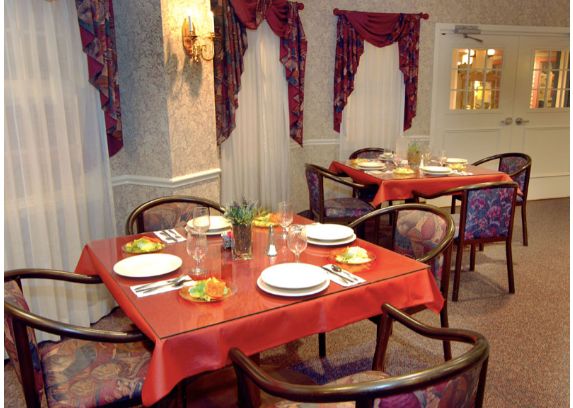
  • Decor

    A cozy restaurant interior with tables set for dining.
  • Living Room

    A cozy living room with beige sofas, a wooden coffee table, and decorative cushions.
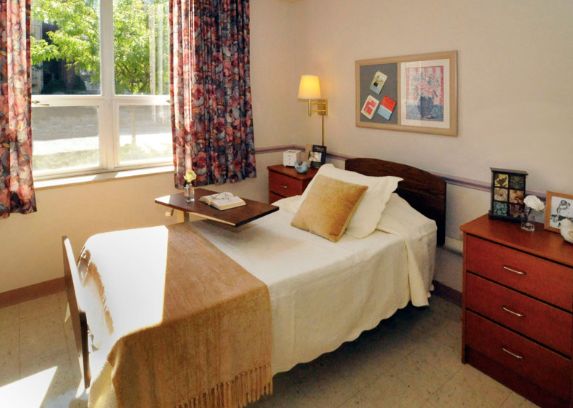
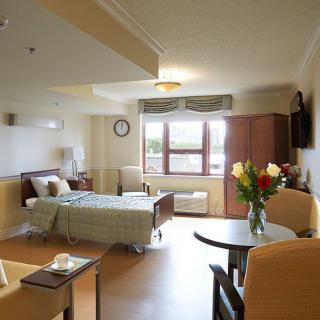
  • Bedroom

    A cozy bedroom with a single bed, side drawers, and a window letting in natural light.
  • Seating

    A retro-themed diner with red and white seating, a checkerboard floor, and vintage decor.
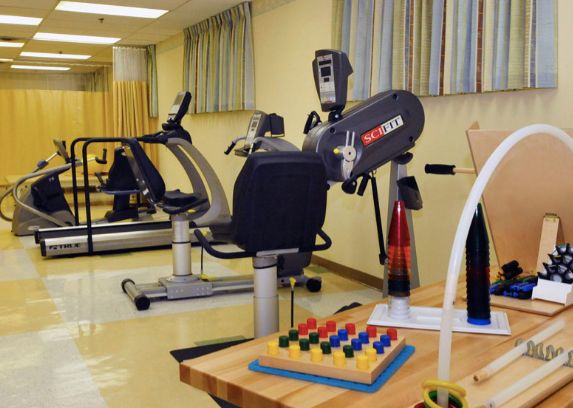
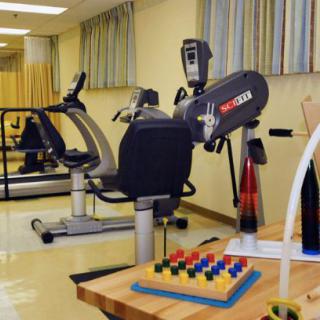
  • Exercise Equipment

    A rehabilitation room equipped with exercise machines and therapy tools.

Alden Lakeland Rehab & Health Care Center in Chicago, IL

Information last verified:

820 West Lawrence, Chicago, IL 60640

For more information about senior living options: (844) 490-3973

3.1 from 95 reviews
5 stars
44
4 stars
7
3 stars
3
2 stars
1
1 stars
40

Overall Review of Alden Lakeland Rehab & Health Care Center

Pros

  • pro The staff are friendly and caring.
  • pro The therapy staff are kind and incredibly patient.
  • pro Brett, the customer service liaison, goes above and beyond to help families.
  • pro The CNAs Vanessa, Marcia, and Brea, along with Nurse Alan, took very good care of residents.
  • pro The administration is caring and checks on residents regularly.
  • pro Alden Lakeland is a wonderful facility with a caring, helpful staff.
  • pro The team is working hard every day to create a better environment for residents and staff.
  • pro The facility is clean and the rooms are spacious.
  • pro The staff were attentive, supportive, and readily available to provide assistance.

Cons

  • pro The staff neglects residents, leaving them in bed all day and never cleaning them, even with mucus-saturated gowns and feces on them at times.
  • pro The CNAs are described as heavy-handed, lacking compassion, and unorganized.
  • pro The facility is chronically short on diapers, towels, and blankets, and they frequently lose items like blankets.
  • pro Residents cannot speak or move on their own and appear to be left lying in bed all day.
  • pro There is no call button or phone in patient rooms to request help, making it hard to get assistance.
  • pro The administration and nursing staff often fail to return calls or provide information, leaving families without answers.
  • pro There are reports of staff hitting residents and showing little to no compassion.
  • pro The environment is dirty and the facility has cockroaches, indicating poor sanitation.
  • pro The place is described as a nightmare and many reviewers say it should be shut down or avoided for care.
  • pro Respiratory and other medical care is inadequate, with patients not being turned regularly or properly cared for, risking bedsores and other complications.

Review

Alden Lakeland Lakeland Rehab & Health Care Center is best suited for families pursuing a rehab-forward skilled nursing path in Chicago, where a strong emphasis on therapy and nursing care is paired with a home-like, person-centered culture. The community tends to reward residents who can benefit from intensive rehabilitation, steady nursing attention, and a team environment that treats progress as a shared goal. It can work well for long-term residents who want ongoing nursing support and a clear pathway back to independence, especially when the care plan is aggressively managed by an engaged medical director and experienced therapists. The setting, with sizable private-style rooms, inviting common spaces, and lake-view appeal, helps keep care from feeling clinical. In short, Alden Lakeland is most appropriate for families who want robust rehabilitation, sustained nursing oversight, and a supportive, familial ambiance as the core of daily life.

Those who should consider alternatives are families prioritizing flawless day-to-day safety and consistently reliable communication. A pattern of inconsistent responsiveness, frequent questions about appointments, and reports of overwhelmed staff raise legitimate concerns about dependable daily care. For residents with high acuity needs or complex medical monitoring, scattered accounts of missed repositioning, delayed care, and gaps in basic safety practices are red flags that can translate into real risk. If transparent, timely information and predictable staffing are non-negotiable, other facilities with tighter staffing controls and clearer escalation processes may be a better fit. For families who value unambiguous administrative accountability and a consistently calm, well-coordinated care environment, alternatives should be compared with a careful, data-driven lens before deciding to place a loved one here.

The strongest positives at Alden Lakeland lie in the therapy and nursing core. Across multiple reviews, the nurses and CNAs are praised for showing up, listening, and delivering hands-on support for transfers, positioning, and daily rehabilitation activities. The restorative therapy team is repeatedly described as students of their craft, patient, persistent, and capable of guiding recovery in meaningful ways. Administrative engagement is cited when leadership is present, with long-tenured staff members building trust and continuity for families and residents. The physical layout supports comfort and dignity, with roomy rooms, private baths, and accessible common areas that reduce the clinical feel. Taken together, these elements create a credible path to measurable progress for residents focused on rehabilitation and ongoing nursing care, even as other reviews raise concerns about day-to-day consistency.

Yet the negatives are persistent enough to demand serious attention. Several accounts describe staffing gaps, with residents left lying in bed or struggling to receive basic hygiene and supplies. Communication breakdowns, unanswered calls, unclear care plans, and delayed appointment updates, amplify stress for families already navigating a challenging journey. There are also multiple warnings about safety and cleanliness: reports of insufficient repositioning contributing to risk of bed sores, inconsistent tracheostomy and airway care, and experiences that feel neglectful rather than proactive. In some cases, families describe facility-wide leadership that is slow to respond or appears disengaged, which compounds the sense that good intentions are not consistently translating into reliable practice. This dual reality, strong care on some days and alarming lapses on others, signals a facility where quality is uneven and highly dependent on who is on shift.

To navigate these realities, prospective families should adopt a rigorous evaluation approach. Schedule in-person visits at different times and insist on meetings with the administrator and nurse managers to review current care plans, staff cast, and escalation protocols. Request objective data on patient-to-staff ratios, wound and repositioning procedures, and the system for documenting and communicating changes in care. Verify the functionality of in-room call buttons and phones, and probe the reliability of the nursing station’s response times. Observe therapy sessions for one-to-one attention versus group formats, and ask how progress is tracked and reported to families. Inspect meals, dining areas, and room cleanliness; confirm whether private rooms are available and how dietary needs are accommodated. Finally, engage a trusted elder-law or financial advisor to review consent forms, discharge planning, and funds management to avoid future disputes.

Bottom line: Alden Lakeland presents a mixed proposition that rewards families who stay actively involved and demand clarity around care expectations. For those chasing a rehab-focused track with a strong therapy backbone and a culture of caregiver dedication, the facility can deliver meaningful progress when oversight is solid and communication is reliable. But for families whose threshold for risk includes unwavering daily safety, consistent responsiveness, and tight operational discipline, alternatives deserve serious comparison. The community has shown it can be a place of genuine care and notable improvement, especially when leadership aligns with resident welfare and families remain vigilant partners in care. The prudent choice is a deliberate, informed decision grounded in unvarnished site visits, conversations with staff across shifts, and a written care agreement that codifies response times, accountability, and escalation steps.

Features

Housing

  • 300 resident community capacity 300 resident community capacity

Types of Care

  • Skilled Nursing Facility Skilled Nursing FacilitySkilled Nursing Facilities are crucial for seniors as they provide round-the-clock medical care, rehabilitation services, and assistance with daily activities. These facilities ensure that seniors receive the specialized care they need to maintain their health and well-being as they age.

Amenities

  • Air-conditioning Air-conditioningAir conditioning is important for seniors as they are more vulnerable to heat-related illnesses and may have underlying health conditions that make it difficult for them to regulate their body temperature. It helps to keep them comfortable, safe, and healthy in hot weather.
  • Beauty salon Beauty salonBeauty salons are important for seniors because they provide a space for them to feel pampered, socialize, and maintain their personal grooming and hygiene. Regular visits to a beauty salon can help boost seniors' self-esteem and overall well-being.
  • Cable or satellite TV Cable or satellite TVCable or satellite TV is important for seniors because it provides entertainment, news, and companionship, helping to combat loneliness and boredom. It also offers a wide range of programming options tailored to different interests and preferences.
  • Computer center Computer centerA computer center is essential for seniors as it provides access to technology, communication tools, and resources that can enhance their daily lives. It allows them to stay connected with loved ones, engage in online activities, and learn new skills, ultimately promoting socialization and mental stimulation.
  • Dining room Dining roomDining rooms are important for seniors as they provide a space for socialization, connection, and nutritious meals. They offer opportunities for residents to bond over shared meals, foster a sense of community, and promote healthy eating habits. Dining rooms also ensure that seniors have access to well-balanced meals tailored to their dietary needs and preferences.
  • Fitness room Fitness roomHaving a fitness room in a senior living community is essential for seniors to stay active, maintain their physical health, and improve their overall well-being. Regular exercise can help prevent falls, reduce the risk of chronic diseases, and promote mental sharpness. It also provides social opportunities for residents to connect with others and enjoy a sense of community.
  • Fully furnished Fully furnishedFully furnished senior living communities are important for seniors because they provide convenience, comfort, and a hassle-free moving experience. Seniors can easily settle into their new living space without the stress of having to buy and move furniture. This allows them to focus on enjoying their new home and community.
  • Gaming room Gaming roomGaming rooms are important for seniors as they provide a fun and engaging environment for socializing, cognitive stimulation, and physical activity. Games can improve memory, problem-solving skills, and overall mental well-being while fostering friendships and reducing feelings of isolation.
  • Garden GardenGardens are important for seniors as they provide a peaceful and therapeutic environment for relaxation, physical activity, and socialization. Being in nature has been shown to reduce stress, improve mood, and promote overall well-being. Gardens also offer opportunities for seniors to engage in gardening activities, which can improve mobility, flexibility, and cognitive function. Additionally, gardens create a sense of community and connection with others who share a passion for plants and outdoor spaces.
  • Housekeeping services Housekeeping servicesHousekeeping services are important for seniors because they help maintain a clean and safe living environment, promote independence, and reduce the risk of accidents or illnesses. Additionally, having assistance with household chores can alleviate physical strain and allow seniors to focus on other aspects of their well-being.
  • Kitchenette KitchenetteKitchenettes are important for seniors living in senior living communities because they provide the convenience and independence of being able to prepare simple meals and snacks in the comfort of their own living space. This can help promote a sense of autonomy and well-being for seniors, allowing them to maintain some level of control over their dietary choices and daily routines.
  • Move-in coordination Move-in coordinationMove-in coordination is important for seniors because it helps ease the transition into their new living environment. It ensures that all logistics, such as packing, organizing movers, and setting up utilities are taken care of, allowing seniors to focus on settling in and adjusting to their new home. Having a smooth move-in process can alleviate stress and anxiety, making the transition smoother and more enjoyable for seniors.
  • Outdoor space Outdoor spaceOutdoor spaces are important for seniors as they provide opportunities for physical activity, social interaction, exposure to natural light and fresh air, and a sense of connection to nature. Having access to outdoor spaces can improve overall well-being and quality of life for older adults living in senior communities.
  • Private bathrooms Private bathroomsPrivate bathrooms are important for seniors in senior living communities because they provide independence, dignity, and comfort. Having a private bathroom allows seniors to maintain their personal hygiene routines without the need for assistance, promoting a sense of autonomy and privacy. Additionally, private bathrooms help prevent the spread of infections and provide a safe and clean environment for seniors to navigate safely.
  • Restaurant-style dining Restaurant-style diningRestaurant-style dining is important for seniors because it allows them to enjoy delicious, nutritious meals in a social and upscale setting. This enhances their dining experience, promotes healthy eating habits, and fosters socialization with fellow residents, ultimately contributing to their overall well-being and quality of life.
  • Small library Small librarySmall libraries are important for seniors as they provide access to a variety of reading materials, including books, newspapers, and magazines. This can help stimulate their minds, keep them engaged, and provide a sense of community through book clubs and other social activities. Additionally, reading has been shown to improve cognitive function and overall mental well-being in older adults.
  • Telephone TelephoneTelephones are important for seniors as they provide a lifeline for communication with loved ones, emergency services, and healthcare providers. They offer a sense of security and independence, enabling seniors to stay connected and access assistance when needed.
  • Wellness center Wellness centerWellness centers are important for seniors because they offer a variety of programs and services that promote physical, mental, and emotional well-being. These centers provide opportunities for exercise, socialization, education, and relaxation, helping seniors maintain their overall health and quality of life.
  • Wi-Fi/high-speed internet available Wi-Fi/high-speed internet availableWi-Fi/high-speed internet is important for seniors to stay connected with loved ones, access online resources, and participate in virtual activities to combat feelings of loneliness and isolation. It also allows them to easily manage healthcare needs, access entertainment, and engage in lifelong learning opportunities.

Transportation

  • Chicago O'Hare International (13 miles away) Chicago O'Hare International (13 miles away)
  • Chicago Midway (14 miles away) Chicago Midway (14 miles away)
  • Community operated transportation Community operated transportationCommunity operated transportation is crucial for seniors as it provides them with the means to access essential services, social activities, and medical appointments. It allows seniors to maintain their independence and quality of life by ensuring they can participate in activities outside of their homes. Additionally, community-operated transportation services offer a safe and reliable way for seniors to travel without having to rely on family or friends for assistance.
  • Transportation arrangement Transportation arrangementTransportation arrangements are crucial for seniors as they may face challenges with driving, mobility, or access to public transportation. Having reliable transportation services ensures that seniors can easily attend appointments, social activities, and maintain their independence and quality of life.
  • Transportation arrangement (non-medical) Transportation arrangement (non-medical)Transportation arrangements are essential for seniors as they provide access to essential services, activities, and social interactions outside the home. This service helps maintain independence, mobility, and overall well-being for seniors who may have limited transportation options.
  • Transportation to doctors appointments Transportation to doctors appointmentsTransportation to doctors appointments is crucial for seniors as it ensures they have access to necessary medical care and support, promoting their health and well-being. It allows them to receive timely treatment, monitor existing conditions, and address any new health concerns efficiently. Additionally, transportation services can help seniors maintain their independence and quality of life by enabling them to stay connected with their healthcare providers.

Nearby Metro Stations

  • Metro Station Argyle  
  • Metro Station Berwyn  
  • Metro Station Lawrence  
  • Metro Station Wilson   

Care Services

  • 12-16 hour nursing 12-16 hour nursing12-16 hour nursing care is crucial for seniors in order to ensure around-the-clock monitoring, timely medication administration, and prompt response to any health concerns or emergencies. This level of care helps to promote the overall well-being and safety of seniors living in senior living communities.
  • 24-hour call system 24-hour call system24-hour call systems are important for seniors because they provide peace of mind and immediate assistance in case of emergencies. This technology ensures that help is always available, promoting safety and security for elderly individuals living alone or in assisted living facilities.
  • 24-hour supervision 24-hour supervision24-hour supervision is important for seniors to ensure their safety, well-being, and access to immediate assistance in case of emergencies or health issues. This constant support provides peace of mind for both seniors and their loved ones, allowing them to age in place with dignity and security.
  • Activities of daily living assistance Activities of daily living assistanceActivities of daily living assistance are important for seniors because they provide essential support with tasks such as eating, bathing, dressing, and mobility. This assistance helps seniors maintain their independence, dignity, and overall quality of life as they age.
  • Assistance with bathing Assistance with bathingAssistance with bathing is crucial for seniors as it helps maintain personal hygiene, prevents infections, and ensures their overall well-being and comfort. It also provides a sense of dignity and independence for seniors who may struggle with this task on their own.
  • Assistance with dressing Assistance with dressingAssistance with dressing is important for seniors because it helps maintain their independence, promotes personal hygiene, prevents accidents and injuries, and improves overall quality of life. This service ensures that seniors can continue to dress comfortably and confidently, despite any physical limitations they may have.
  • Assistance with transfers Assistance with transfersAssistance with transfers is crucial for seniors as it helps prevent falls and injuries, maintains their independence, and ensures they can safely navigate their living environment. It also provides peace of mind for both seniors and their loved ones.
  • Diabetes diet Diabetes dietA diabetes diet is crucial for seniors as it helps manage blood sugar levels, reduce risks of complications, and improve overall health and well-being. By following a balanced and nutritious diet tailored to their specific needs, seniors can better control their diabetes and enhance their quality of life.
  • Meal preparation and service Meal preparation and serviceMeal preparation and service are crucial for seniors as they may have limited mobility or energy to cook nutritious meals. Having access to healthy and convenient food options can ensure they are getting the proper nutrition needed to maintain their overall health and well-being.
  • Medication management Medication managementMedication management is crucial for seniors to ensure they are taking the right medications at the correct dosages and times. This helps prevent adverse drug interactions, reduces the risk of medication errors, and promotes overall health and well-being. Proactive management also allows for adjustments as needed based on changing health conditions or new prescriptions.
  • Mental wellness program Mental wellness programMental wellness programs are essential for seniors as they promote cognitive stimulation, emotional support, and social engagement. These programs help prevent isolation, depression, and cognitive decline, ultimately enhancing the overall quality of life for older adults.
  • Special dietary restrictions Special dietary restrictionsSpecial dietary restrictions are important for seniors because age-related changes in metabolism and health conditions can make it difficult for their bodies to process certain foods. By following a diet tailored to their specific needs, seniors can maintain their overall health and well-being, manage chronic conditions, and reduce the risk of complications such as malnutrition or food interactions with medications.

Dining

  • Diabetes diet Diabetes dietA diabetes diet is crucial for seniors as it helps manage blood sugar levels, reduce risks of complications, and improve overall health and well-being. By following a balanced and nutritious diet tailored to their specific needs, seniors can better control their diabetes and enhance their quality of life.
  • Special dietary restrictions Special dietary restrictionsSpecial dietary restrictions are important for seniors because age-related changes in metabolism and health conditions can make it difficult for their bodies to process certain foods. By following a diet tailored to their specific needs, seniors can maintain their overall health and well-being, manage chronic conditions, and reduce the risk of complications such as malnutrition or food interactions with medications.

Activities

  • Community-sponsored activities Community-sponsored activitiesCommunity-sponsored activities are important for seniors as they provide opportunities for social interaction, mental stimulation, and physical activity. These activities can help improve overall well-being, combat loneliness and isolation, and promote a sense of belonging and purpose among older adults.
  • Concierge services Concierge servicesConcierge services are essential for seniors as they provide assistance with daily tasks and errands, enhance their quality of life by offering convenience and personalized care, and promote a sense of safety and security.
  • Fitness programs Fitness programsFitness programs are crucial for seniors as they help improve strength, flexibility, balance, and overall well-being. Staying active can reduce the risk of chronic diseases, improve mental health, and enhance quality of life in older adults.
  • Planned day trips Planned day tripsPlanned day trips are important for seniors because they offer opportunities for socialization, mental stimulation, and physical activity. They provide a change of scenery and help seniors stay engaged and connected to their community, promoting overall well-being and quality of life.
  • Resident-run activities Resident-run activitiesResident-run activities are important for seniors as they encourage social interaction, creativity, and a sense of autonomy. These activities empower seniors to stay engaged and active in their community while fostering meaningful connections with their peers.
  • Scheduled daily activities Scheduled daily activitiesScheduled daily activities are important for seniors because they provide structure, socialization, mental stimulation, and physical activity. Engaging in regular activities can improve overall well-being and quality of life for seniors living in a community setting.

Description

Alden Lakeland Rehab & Health Care Center in Chicago, IL is a premier assisted living community that offers a wide range of amenities and care services to enhance the lives of its residents. The community prides itself on providing a comfortable and nurturing environment for seniors to thrive.

Residents at Alden Lakeland can enjoy various amenities such as a beauty salon, cable or satellite TV, a computer center, and access to community-operated transportation for outings and appointments. The dining room offers delicious restaurant-style meals prepared with special dietary restrictions in mind. Additionally, there is a fitness room for residents to stay active and a gaming room for entertainment purposes. A small library provides opportunities for reading and intellectual stimulation.

The community also places importance on seniors' mental well-being by offering 24-hour supervision and assistance with activities of daily living. Residents receive support with bathing, dressing, and transfers as needed. Medication management services are available to ensure the proper administration of medications. A mental wellness program is also offered to promote emotional well-being.

Alden Lakeland is conveniently located near several amenities, including cafes, parks, pharmacies, restaurants, theaters, hospitals, and transportation options. This ensures that residents have easy access to all they may need or want in the surrounding area.

Overall, Alden Lakeland Rehab & Health Care Center provides a warm and welcoming environment where seniors can enjoy an active lifestyle while receiving the personalized care they need.

Nearby Places of Interest

Pharmacies

  • Walgreens (0.1 miles)
  • CVS Pharmacy (0.7 miles)
  • Walgreens (0.9 miles)
  • Walgreens (1.1 miles)
  • Walgreens (1.1 miles)
  • Walgreens (1.2 miles)
  • Mariano's Pharmacy (1.2 miles)

Transportation

  • Cta (0.4 miles)
  • Cta (1.5 miles)
  • CTA - Belmont (2.1 miles)
  • CTA - Fullerton (3 miles)
  • CTA Jarvis (3.3 miles)
  • Cta (3.6 miles)

Cafes

  • Starbucks (0.5 miles)
  • Starbucks (0.7 miles)
  • Starbucks (1.4 miles)
  • Starbucks (2.4 miles)
  • Starbucks (3.2 miles)
  • Starbucks (3.3 miles)
  • Little Beans Cafe (4.4 miles)

Restaurants

  • SoFo Tap (0.9 miles)
  • Little Bad Wolf (1.3 miles)
  • Cell Block (1.4 miles)
  • Murphy's Bleachers (1.4 miles)
  • Las Mananitas Mexican Restaurant (1.6 miles)
  • Hydrate (1.7 miles)
  • Roscoe's (1.8 miles)

Hospitals

  • Advocate Illinois Masonic Medical Center (2.3 miles)
  • Swedish Covenant Hospital Cancer Care (2.5 miles)
  • Saint Francis Hospital (4.2 miles)
  • Ann & Robert H. Lurie Children's Hospital of Chicago (5.3 miles)

Parks

  • Horner Park (2.5 miles)
  • Hamlin Park (2.7 miles)
  • Wrightwood Park (3 miles)
  • Warren Park (3 miles)
  • Dubkin Park (3.5 miles)
  • Independence Park (4 miles)
  • Churchill Field Park (4 miles)

Theaters

  • Regal Webster Place (3.4 miles)

Physicians

  • Lincoln Park Dental Specialists (3.6 miles)

Frequently Asked Questions

Where is Alden Lakeland Rehab & Health Care Center?
What photos are available for Alden Lakeland Rehab & Health Care Center in Chicago, Illinois?

Nearby Communities

  • Home Instead Senior Care

    Home Instead Senior Care

    Chicago, IL

    5 from 4 reviews
     

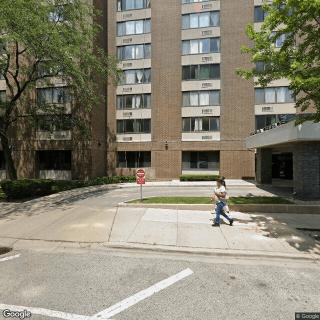
    pro Strong access to nearby amenities (cafes, parks, pharmacies, restaurants, theaters, hospitals) with transportation options.


  • Heiwa Terrace

    Heiwa Terrace

    Chicago, IL

    4.5 from 25 reviews
     

    pro Excellent access to nearby cafes, parks, pharmacies, restaurants, transit, theater, and hospitals.

  • Lawrence House

    Lawrence House

    Chicago, IL

    4.4 from 109 reviews
     

    pro Excellent access to nearby cafes, parks, pharmacies, restaurants, theaters, and transit.

  • Friendly Towers

    Friendly Towers

    Chicago, IL

    4 from 16 reviews
    $650 / month

    pro Warm, cozy 55+ community with clean facilities, helpful staff, on-site meals, and affordable pricing.

  • Grasmere Place

    Grasmere Place

    Chicago, IL

    4 from 37 reviews
    $3,990 to $5,187 / month

    pro Friendly staff, a clean, welcoming environment, and engaging activities.

  • The Selfhelp Home

    The Selfhelp Home

    Chicago, IL

    4.8 from 137 reviews
    $3,430 to $4,630 / month

    pro Warm, attentive staff with a family-like atmosphere and engaging activities.

  • The Admiral At The Lake

    The Admiral At The Lake

    Chicago, IL

    4.3 from 49 reviews
     

    pro Upscale, activity-rich community with restaurant-style dining and lakefront views.

  • The Breakers At Edgewater Beach

    The Breakers At Edgewater Beach

    Chicago, IL

    4.5 from 192 reviews
    $1,825 to $3,295 / month

    pro Friendly staff, lake views, and a vibrant activities calendar near shops.

  • Eden Supportive Living

    Eden Supportive Living

    Chicago, IL

    4.8 from 107 reviews
    $2,900 to $3,500 / month

    pro Beautiful facility with welcoming staff and extensive amenities for seniors and individuals with disabilities.

Related Resources

  • 602 formCalifornia's Form 602A: An In-Depth Examination of Senior Care Assessment

    California's Form 602A is a vital tool for evaluating the health needs of seniors seeking residential care, detailing their medical conditions and daily living requirements to ensure proper service alignment. This standardized form enhances communication among physicians, families, and facilities, serving as a regulatory measure for admissions and ongoing care while adapting to changing healthcare practices.

  • elderly blood pressure chartComprehensive Look at Senior Blood Pressure Charts: Normal and Elevated Levels by Age

    The overview of blood pressure management for seniors emphasizes the importance of monitoring and interpreting blood pressure readings, noting that normal ranges can vary due to age-related factors and individual health conditions. It highlights tailored guidelines for systolic and diastolic levels, the necessity of early detection and consistent management to prevent serious health complications, and advocates for personalized care strategies that incorporate lifestyle changes and medication adherence.

  • best dog for seniorsTop Canine Companions for Older Adults

    Dogs can greatly improve the lives of older adults by offering emotional support and encouraging physical activity, with factors such as size, temperament, and grooming needs being crucial in selecting a suitable breed. Senior dogs often make ideal companions for this demographic, promoting social connections and requiring care routines that align with seniors' capabilities.