
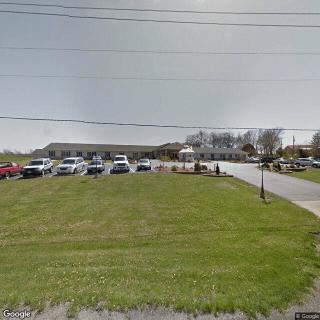
161 Three Springs Road, Chester, IL 62233
For more information about senior living options: (866) 208-4318
Three Springs Lodge Nursing Home Costs & Pricing
Three Springs Lodge Nursing Home offers competitive pricing for its services, with the monthly cost for a private room set at $3,800. This rate aligns with the average cost in Randolph County but significantly undercuts the broader state average of $5,049 for similar accommodations. This positioning not only reflects Three Springs Lodge's commitment to providing quality care at an accessible price point but also highlights its strategic advantage within the local market, making it an appealing option for families seeking reliable and affordable long-term care solutions.
| Floor plans | Three Springs Lodge Nursing Home | Randolph County | Illinois |
|---|---|---|---|
| Private | $3,800 | $3,800 | $5,049 |
Skilled Nursing Facilities with a similar price nearby
-
from +$200 / mo

The Estates Of Perryville
$4,000 to $4,500 / month14.0 miles away
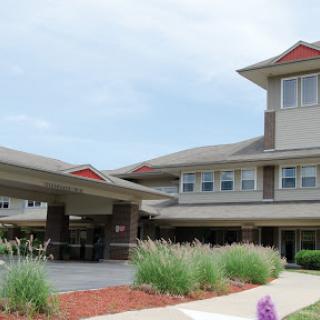
Overall Review of Three Springs Lodge Nursing Home
Pros
 The facility is beautiful and caring.
- It is always clean and family-friendly.
- It provides a pleasantly great experience.
- The staff are always very nice and welcoming.
- The building is clean and odor-free, and the residents seem happy.
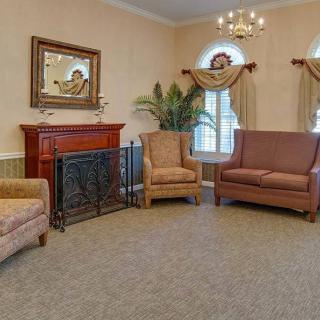
- The community has a nice, home-like feel.
Cons
 They never used her cream nor documented any skin assessments.
- They didn’t bathe her or change her bandages daily.
- She went in on a Friday and was dead by Tuesday.
- Do not recommend this facility.
- The DON wouldn’t accept a complaint.
- They lost some of her medications and her glucometer.
- They didn’t return her clothing from laundry.
- COVID was rampant in the facility, and only the day shift wore N95 masks.
Review
Three Springs Lodge Nursing Home in Chester, IL is best suited for families seeking a warm, home-like environment where cleanliness, dependable daily routines, and a courteous staff are the foundation. It serves residents who value a cheerful, low-stress atmosphere, well-groomed appearance, and interactions with caregivers who are consistently friendly. For families prioritizing a stable administrator-led operation, predictable schedules, and visible resident happiness, this community offers a compelling combination of warmth and reliability that can support ordinary, ongoing care needs without heavy medical complexity.
That said, questions should be raised for anyone with higher-stakes medical requirements. Alternatives are worth considering if wound care is frequent or intricate, if meticulous documentation and full transparency around care decisions are non-negotiable, or if medication management, laundry accuracy, and itemized billing demand a higher standard of accountability. Families facing these priorities may find stronger fit in facilities with explicit, verifiable wound-care programs, more rigorous incident-reporting systems, and better-established grievance-handling processes. For residents with specialized behavioral, cognitive, or memory-care needs, expanding the search to options with clinical oversight focused on those areas is prudent.
On the positive side, the most evident strengths are the consistently clean environment and a staff culture that feels genuinely welcoming. Observations across multiple visits describe odor-free, well-maintained spaces and residents who appear content and well cared-for. An administrator who is described as professional and accessible provides a predictable point of contact and a sense that leadership knows what is happening on the floor. These factors translate into smoother day-to-day operations, reliable assistance with activities of daily living, and a social atmosphere that supports dignity and morale.
The most significant downside emerges in a singular, severe care episode that calls care delivery and accountability into question. Reported failures in wound care, delays in routine tasks, missing medications, and unrecovered personal items point to potential lapses in clinical oversight and communication. If accurate, such gaps cannot be overlooked. They underscore the need for transparent protocols, rapid escalation procedures, and evidence of ongoing quality assurance. Prospective residents should demand detailed, written care plans; direct access to the wound-care nurse; recent QA audits; and a clear, accessible process for lodging and resolving complaints with timely follow-through from leadership.
In balance, Three Springs Lodge can deliver a dependable, pleasant living environment for many seniors, the kind of place where daily life feels organized and residents seem well cared-for. Yet the weight of a credible, high-stakes care failure cannot be dismissed. Families choosing this community should assess whether warmth and routine stability are enough given their loved one’s medical and wound-care needs, or if the facility’s accountability mechanisms meet the expected standards. The prudent path involves rigorous inquiry into care protocols, oversight structures, and concrete assurances from the administration before committing, with a readiness to explore alternatives if those assurances fall short.
 83 resident community capacity
 Skilled Nursing Facility
 Air-conditioning
 Beauty salon
 Cable or satellite TV
 Computer center
 Dining room
 Fitness room
 Fully furnished
 Gaming room
 Garden
 Housekeeping services
 Kitchenette
 Move-in coordination
 Outdoor space
 Private bathrooms
 Restaurant-style dining
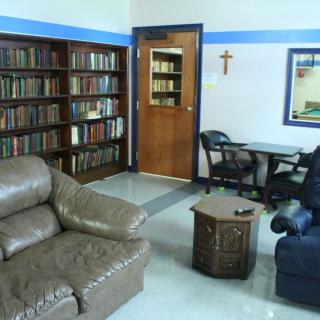
 Small library
 Telephone
 Wellness center
 Wi-Fi/high-speed internet available
 Community operated transportation
 12-16 hour nursing
 24-hour call system
 Activities of daily living assistance
 Assistance with bathing
 Assistance with dressing
 Assistance with transfers
 Diabetes diet
 Medication management
 Mental wellness program
 Special dietary restrictions
 Concierge services
 Planned day trips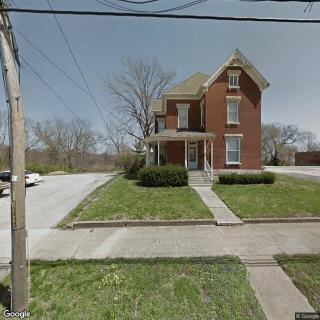
 Understanding Hospice Care at Home: Comprehensive Services, Key Benefits, and Eligibility
 Understanding the Full Cost of 24/7 In-Home Care: A Detailed Overview
 Exploring the World of Home Health Nurses: Qualifications, Roles, and Hiring Tips