
1315B Curt Drive, Champaign, IL 61820
For more information about senior living options: (866) 208-4318
Overall Review of Illini Heritage Rehab & Health Care
Pros
 The staff are very caring.
- The nurses provide individualized care to the residents and promote comfort care for hospice patients.
- Dr. McNeal and the nurse practitioner care deeply about their patients, and Don, Adon, Aleta, and Colleen are approachable and professional.
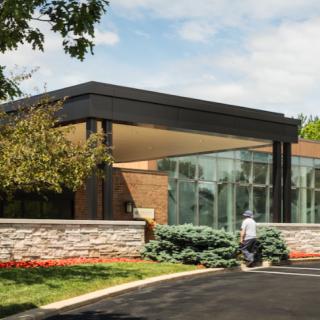
- The facility is beautiful, and the staff are friendly and welcoming.
- The staff are awesome, and they work well together to ensure everyone is cared for.
- The social worker is great and always full of smiles.
- Illini Heritage has an awesome team and an amazing atmosphere where residents enjoy the fun times.
- The staff is amazingly caring and spreads positive spirits to the residents.
Cons
 The place is a dump; dirty and nasty.
- The staff would not help the resident’s husband when he was sent there.
- Management has gotten worse, treating employees like they don’t matter.
- They turn people against each other and make ridiculous demands unrelated to care.
- Management seems to have forgotten that residents are the top priority.
- The nursing staff needed to be educated on resident rights and dignity.
- They are super unprofessional and have been shut down over three times.
- Terrible experience; do NOT place anyone you care for in this facility.
- The mother’s experience was horrific, including neglect, abuse, a filthy room, theft, and a staff member molesting residents.
- There were long delays, such as 45 minutes before anyone came to help, impacting care.
Review
Illini Heritage Rehab & Health Care in Champaign is best suited for families that want a hands-on, compassionate frontline care experience in a smaller, more social setting. The facility often reads as warm and personable at the bedside, with staff who form connections with residents and a sense of daily community that some families prize highly. Reviewers repeatedly highlight that the direct care teams, nurses and aides, are attentive and capable of individualized care, and that the social worker is a bright, dependable resource. For families who value daily interaction, visible warmth from the caregiving team, and a milieu where staff seem to know residents well, this can be a meaningful placement. Yet this strength sits beside operational realities that can erode trust if not managed carefully over time.
Those who should consider alternatives are families prioritizing ironclad safety, impeccable cleanliness, and stable, unflappable leadership. A number of reviews describe cleanliness problems and delayed assistance, sometimes with rooms described as dirty or inadequately maintained. Management concerns surface repeatedly, including staff turnover and the perception that administrative priorities shift away from frontline care. Allegations, ranging from billing or communication gaps to far more serious claims of neglect or abuse, appear in some accounts, and reporting of violations has led to regulatory scrutiny and even multiple shutdowns in past years. For residents who require reliable, predictable support and a consistently clean, safe environment, it may be prudent to explore other communities with steadier operating records and fewer red flags.
Pros center on the human touch. Frontline staff are consistently portrayed as caring, upbeat, and responsive, with multiple accounts of aides and nurses who help residents stay comfortable, engaged, and connected to family and friends. The facility’s smaller footprint is cited as a factor enabling closer supervision and coordinated care, while the social worker is frequently called out as a standout resource for residents’ plans and transitions. For residents who thrive on regular social activity, meaningful interactions, and a care team that visibly strives to meet needs, these elements translate into tangible, daily benefits. When a resident’s mood, pain management, and daily routines hinge on genuine attention from staff, the care-at-hand can deliver significant relief and dignity, even amid other concerns.
Cons concentrate on operations, environment, and safety. The most persistent warnings revolve around cleanliness, maintenance, and timeliness of help, reports of delays and rooms not meeting expectations. There are serious allegations about theft and neglect that demand diligent scrutiny, and several reviews describe a mismatch between frontline care and managerial oversight. Regulatory scrutiny and multiple notices or closures signal ongoing instability in governance or culture, which can undermine residents’ sense of safety and trust in the place. In combination, these operational and safety concerns create a risk-reward tension: warmth and attentiveness at the bedside might be real, but the possibility of lapses in basic safety and housekeeping cannot be ignored.
Balancing the positives and negatives requires a concrete risk assessment. The strong, compassionate care and the dedicated social worker can meaningfully improve daily living for many residents, particularly during rehab or short-term recovery phases. Yet the weight of operational concerns, neglect concerns, alleged abuse, and management friction, presents a real risk of delayed assistance or privacy compromises. Families facing this decision should demand explicit, written expectations about response times, supervision levels, and escalation procedures. If choosing Illini Heritage, pair the placement with a robust, written care plan, scheduled check-ins by a family liaison, and a clear protocol for immediate escalation when concerns arise. The goal is to preserve the care strengths while guarding against the weaknesses through vigilant oversight and accountable leadership.
Practical next steps are essential. Request up-to-date state inspection reports, speak directly with front-line staff about response times and safety practices, and confirm what services are covered by Medicare or Medicaid to avoid billing surprises. Tour the building with a careful eye for cleanliness, maintenance, and the availability of staff during peak hours, noting how aides respond when residents need assistance. Inquire about how management handles complaints, staff support, and changes since ownership transitions. Consider a trial period or phased move-in to monitor care quality before a full commitment. If the risk profile feels too high, explore other communities with stronger safety records and steadier operations. The decision should rest on a disciplined assessment of trust, safety, and the capacity to deliver reliable, compassionate daily care.
 60 resident community capacity
 Skilled Nursing Facility
 Air-conditioning
 Beauty salon
 Cable or satellite TV
 Computer center
 Dining room
 Fitness room
 Fully furnished
 Gaming room
 Garden
 Housekeeping services
 Kitchenette
 Move-in coordination
 Outdoor space
 Private bathrooms
 Restaurant-style dining
 Small library
 Telephone
 Wellness center
 Wi-Fi/high-speed internet available
 University of Illinois-Willard (7 miles away)
 Community operated transportation
 12-16 hour nursing
 24-hour call system
 Activities of daily living assistance
 Assistance with bathing
 Assistance with dressing
 Assistance with transfers
 Diabetes diet
 Medication management
 Mental wellness program
 Special dietary restrictions
 Concierge services
 Planned day trips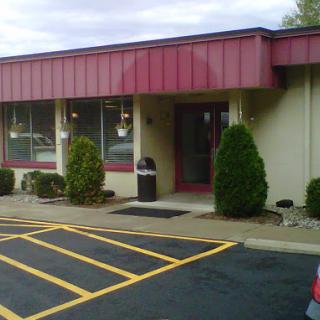




 Compassionate Conversations: How to Comfort Someone Who Is Grieving
 Home Health Care Aides: Understanding Their Role and Supporting Your Family
 Urinary Tract Infections in Older Adults: Comprehensive Insights on Symptoms, Treatment, and Prevention