For more information about senior living options: (866) 208-4318
3.4 from 37 reviews
5 stars
19
4 stars
2
3 stars
2
2 stars
1
1 stars
13
Overall Review of Generations At Neighbors
common13 reviews mention this
Compassionate staff stands out
Residents’ families frequently describe staff members as compassionate and genuinely caring.
Many reviews highlight caring, compassionate interactions with nurses and aides, often emphasizing how supported families felt during difficult times. Several reviewers also call out specific people by name and describe staff as attentive to day-to-day needs. Across these comments, the common thread is the sense that caregivers treated residents like family rather than just patients.
caveat7 reviews mention this
Staffing and communication concerns
Some residents’ families report understaffing and communication problems that affected care.
A recurring negative theme is that staffing felt insufficient, with multiple reviewers describing understaffing that limited help across departments. Communication is another concern, including promises to call back that were not followed and broader issues with how information was shared. One review also describes residents not being properly assisted, reinforcing worries about consistency of care when staffing is stretched.
differentiator5 reviews mention this
Rehab and therapy progress
Rehabilitation reviews often point to meaningful therapy progress and strong therapeutic support.
Several reviews describe therapy departments as top notch, with specific praise for speech therapy and other rehab disciplines. Other families note noticeable functional gains during the rehab stay, including improved mobility and the ability to do more independently. Even when one review questions other aspects of the experience, the therapy portion is still presented as a clear strength.
common3 reviews mention this
Clean facility and appearance
Multiple reviewers say the facility is very clean and well kept.
Cleanliness comes up repeatedly, with families describing the building as clean and well maintained. One reviewer also mentions the facility being beautiful and another notes that it has been remodeled. While reviews are mixed overall, these comments consistently portray the environment as something residents and families notice.
common3 reviews mention this
Activities bring structure
Reviews describe activities like bingo, church services, and other scheduled options for residents.
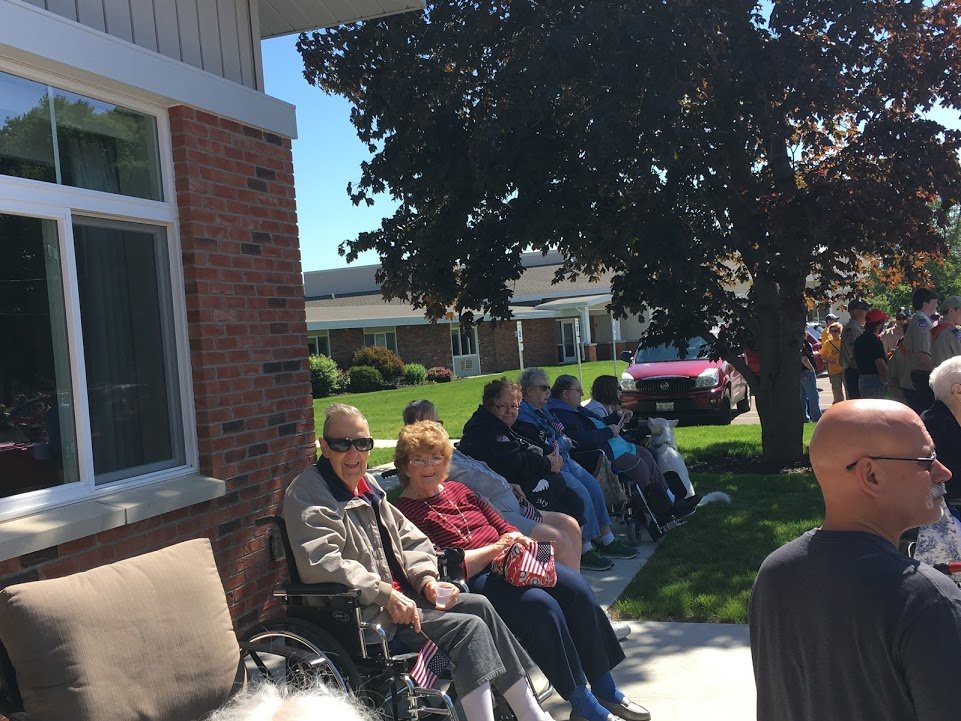
Families mention an activities presence that helps residents stay engaged, including bingo and church services. Others describe fun things for patients to do and point to community programming such as an Alzheimer’s support group and morning coffee. These comments suggest residents have more than just day-to-day routines, with structured options included during stays.
common2 reviews mention this
Food gets positive mentions
Some reviews specifically praise the food quality or how residents reacted to meals.
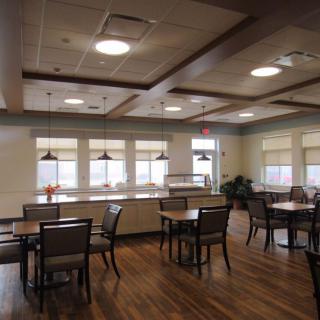
A couple of reviews stand out for calling out the food as very good and noting that a loved one liked the meals. This aligns with the community offering restaurant-style dining and meal services as part of day-to-day care. While not every review discusses dining, the mentions that do appear are generally positive.
How we summarize
Counts show how many written reviews mention each theme; a review can touch several themes, and only frequently mentioned themes are displayed.
Features
Housing
131 resident community capacity
Types of Care
Skilled Nursing Facility
Amenities
Air-conditioning
Beauty salon
Cable or satellite TV
Computer center
Dining room
Fitness room
Fully furnished
Gaming room
Garden
Housekeeping services
Kitchenette
Move-in coordination
Outdoor space
Private bathrooms
Restaurant-style dining
Small library
Telephone
Wellness center
Wi-Fi/high-speed internet available
Transportation
Greater Rockford (9 miles away)
Community operated transportation
Transportation arrangement
Transportation arrangement (non-medical)
Transportation to doctors appointments
Care Services
12-16 hour nursing
24-hour call system
24-hour supervision
Activities of daily living assistance
Assistance with bathing
Assistance with dressing
Assistance with transfers
Diabetes diet
Meal preparation and service
Medication management
Mental wellness program
Special dietary restrictions
Dining
Diabetes diet
Special dietary restrictions
Activities
Community-sponsored activities
Concierge services
Fitness programs
Planned day trips
Resident-run activities
Scheduled daily activities
Nearby Places of Interest
Restaurants
China King (0 miles)
Sunrise II Family Restaurant (0 miles)
Weezy's Sports Bar & Grill (0.1 miles)
Century Tap (0.1 miles)
Sam's Drive-In (0.4 miles)
Fritzs Wooden Nickel (4.1 miles)
Rumors (7.6 miles)
Places of Worship
St Mary Catholic Church of Byron (0.1 miles)
First Baptist Church (0.2 miles)
Church of Jesus Christ of Latter Day Saints (1 miles)
Marriage Building USA (4.2 miles)
Bring God Back (4.3 miles)
Ebenezer Reformed Church (4.9 miles)
Kishwaukee Youth Ministries (4.9 miles)
Pharmacies
Snyders Pharmacy (0.2 miles)
Felker Snyder Pharmacy (0.3 miles)
Snyders Drug Store (8.6 miles)
Snyder Pharmacy - Oregon (8.6 miles)
Oregon Healthcare Pharmacy Services (9.5 miles)
Winnebago Snyder Pharmacy (10.4 miles)
Walgreens (11.6 miles)
Physicians
Swedishamerican Medical Group (0.2 miles)
Rockford Health Physicians (0.5 miles)
Convenient Care (10.4 miles)
Northern Illinois Optical Co (13 miles)
Winnebago County Health Department (13.3 miles)
Winnebago County Health and Family Services (13.3 miles)
Kalnins Beth MD (13.3 miles)
Parks
Hamas Park (0.2 miles)
Byron Park District (0.6 miles)
Blackhawk Meadow Park (1.6 miles)
Oregon Park West (8.4 miles)
Mix Park (9.2 miles)
Don Schmid Park (11 miles)
Levings Park, lake, and Standfield Beach (11.1 miles)
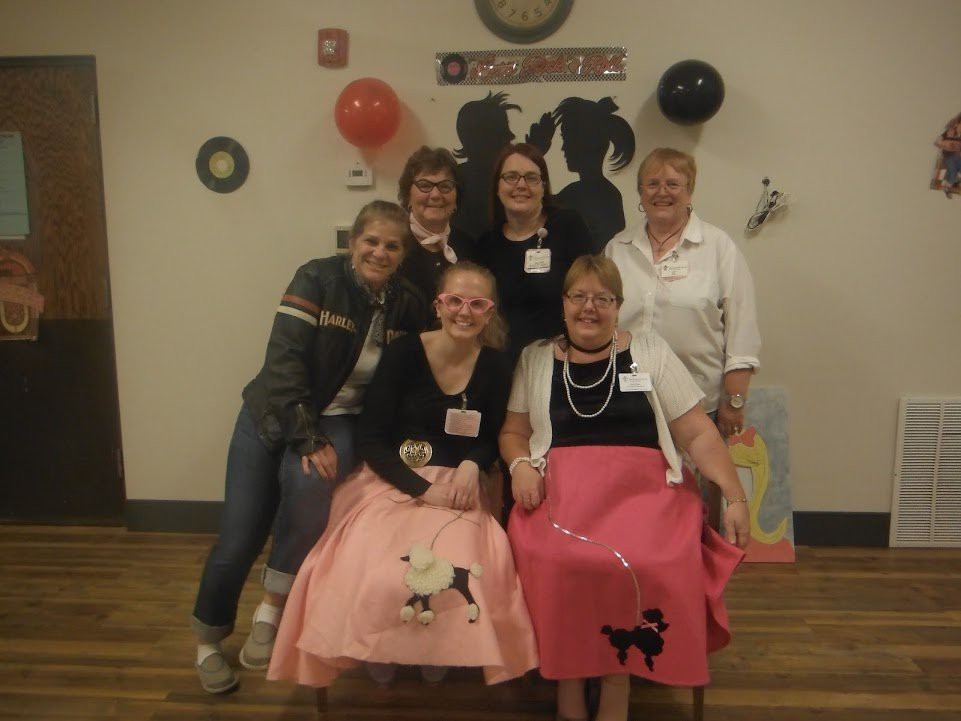
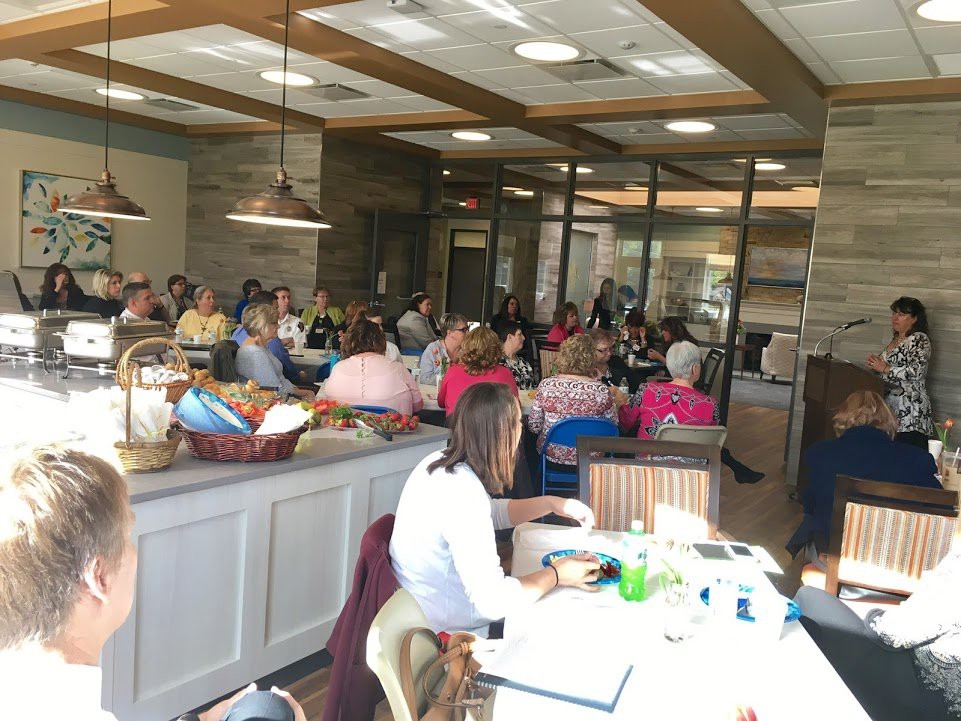
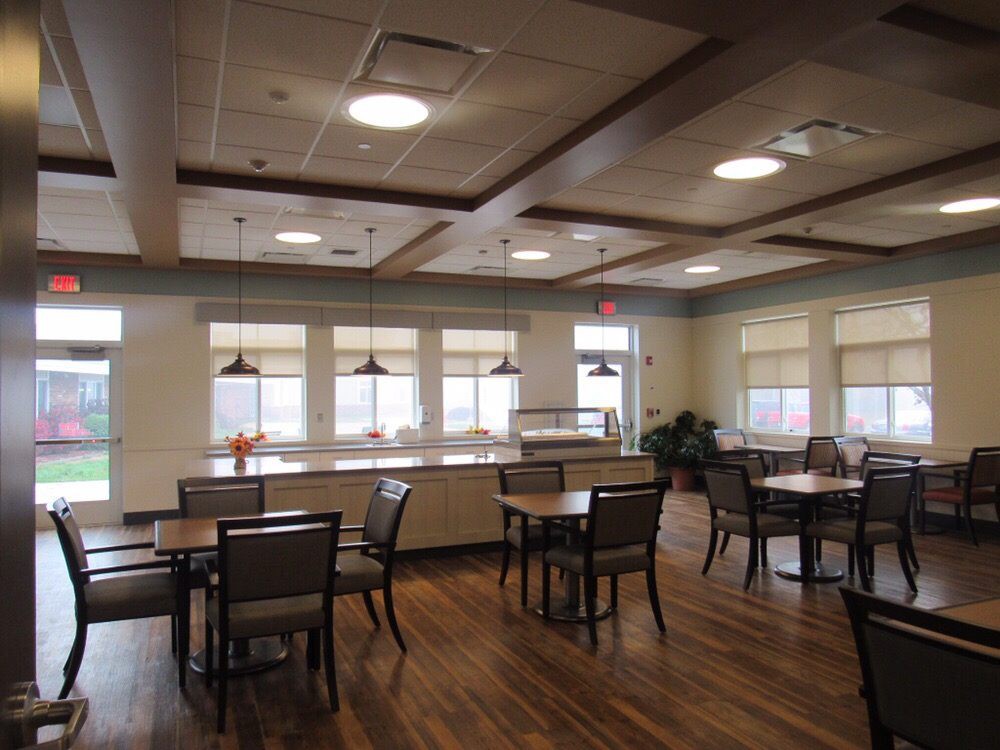
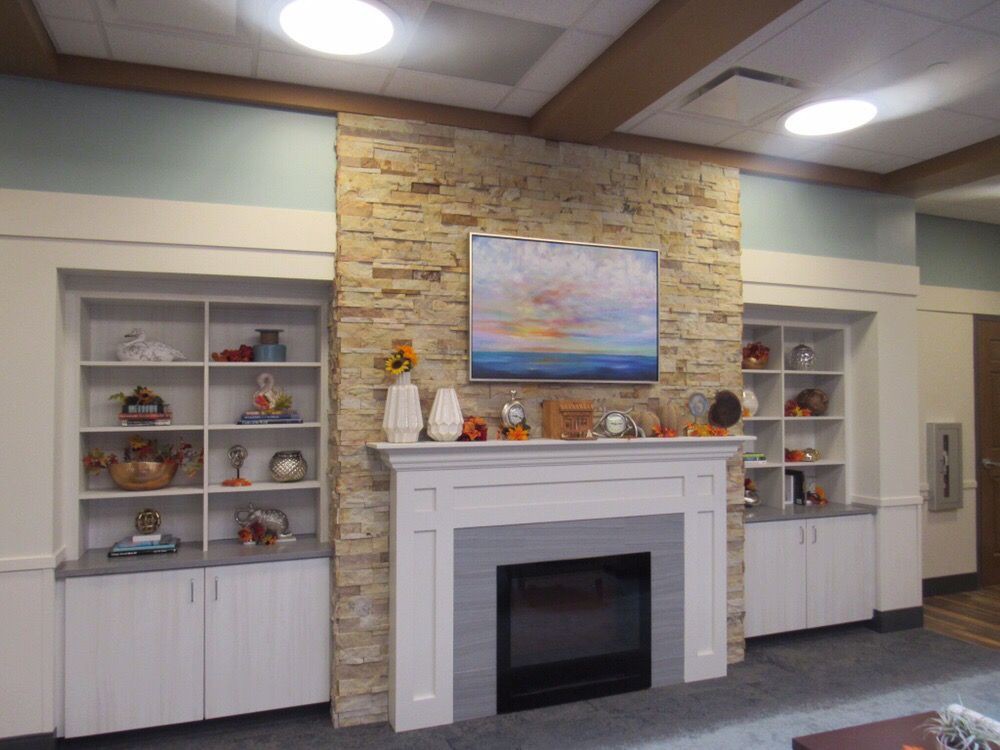
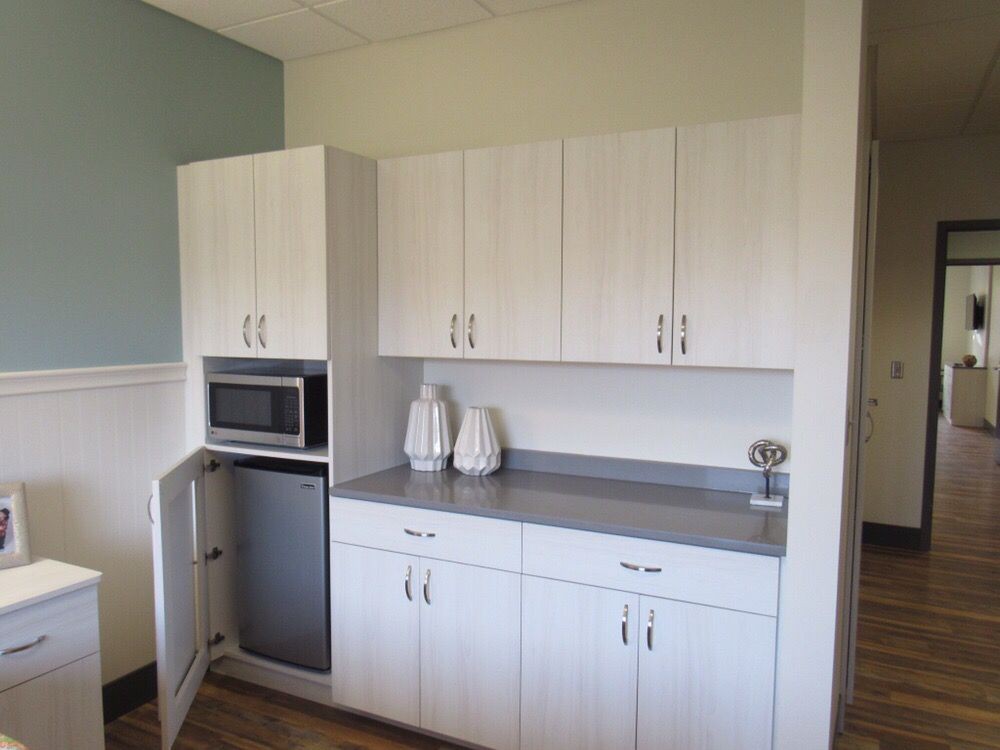
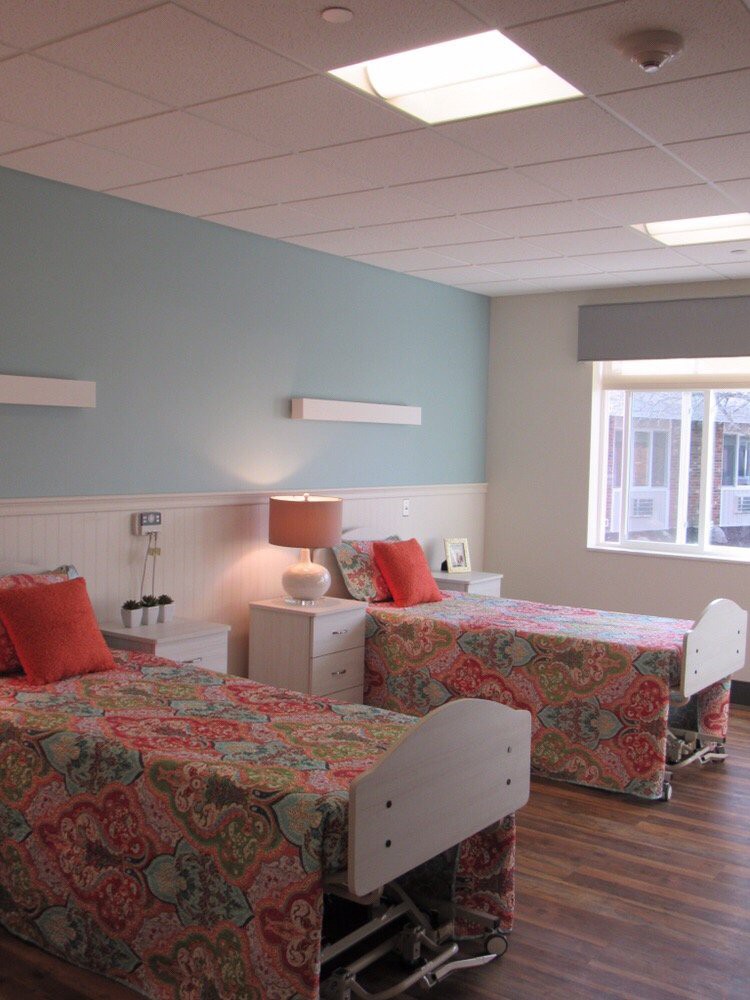
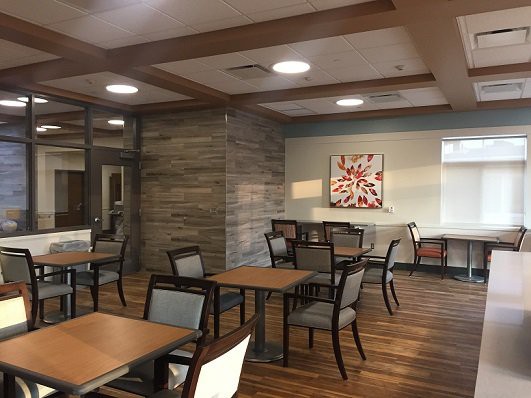
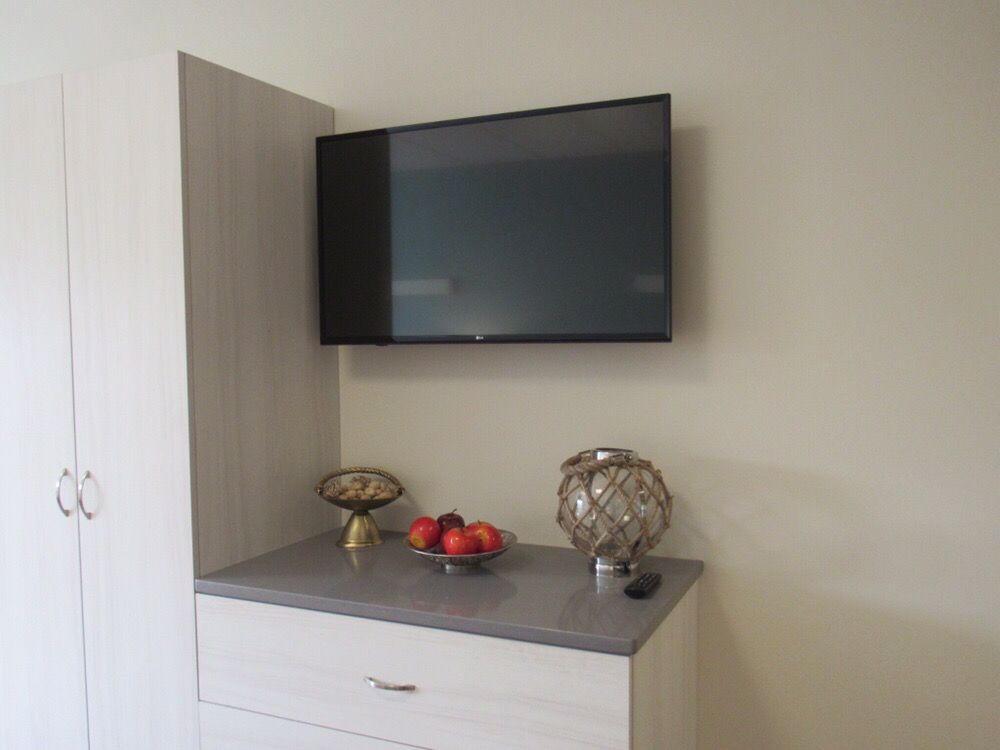
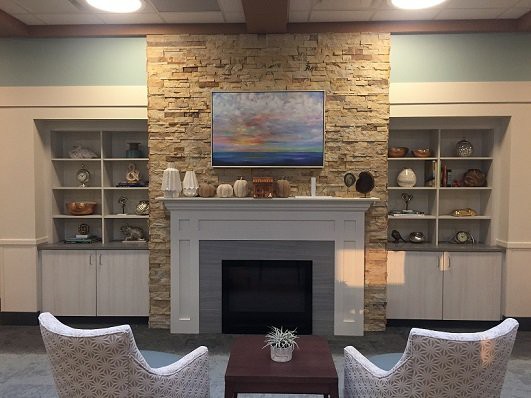
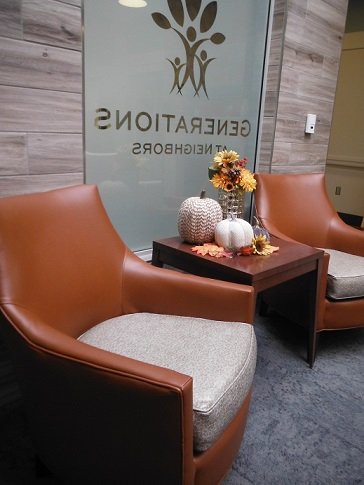
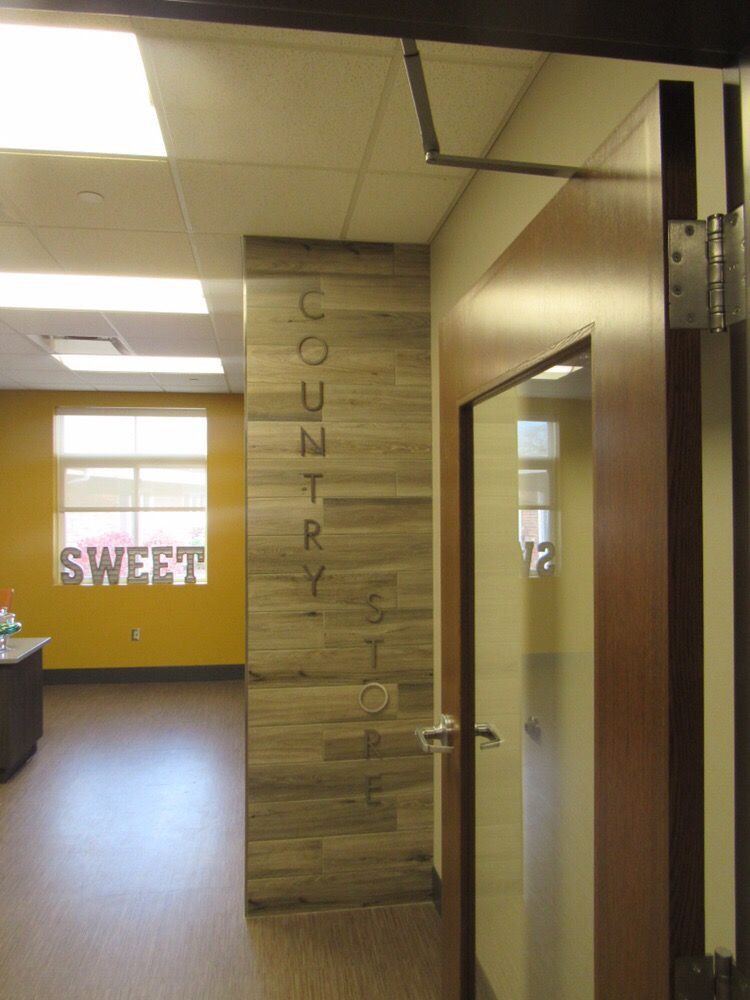
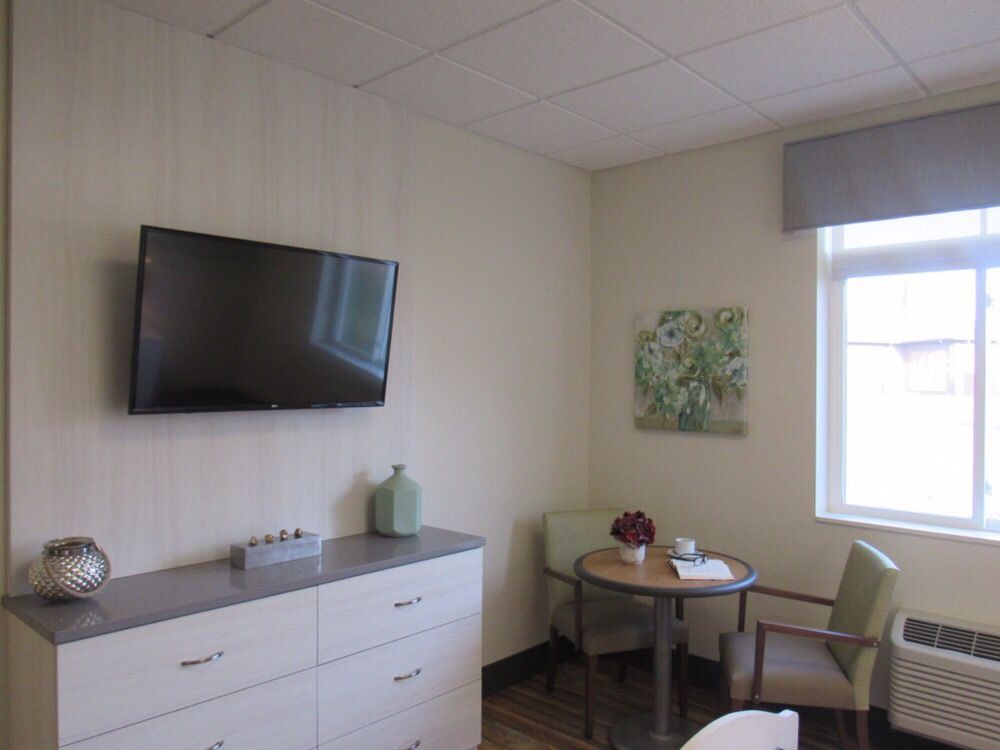
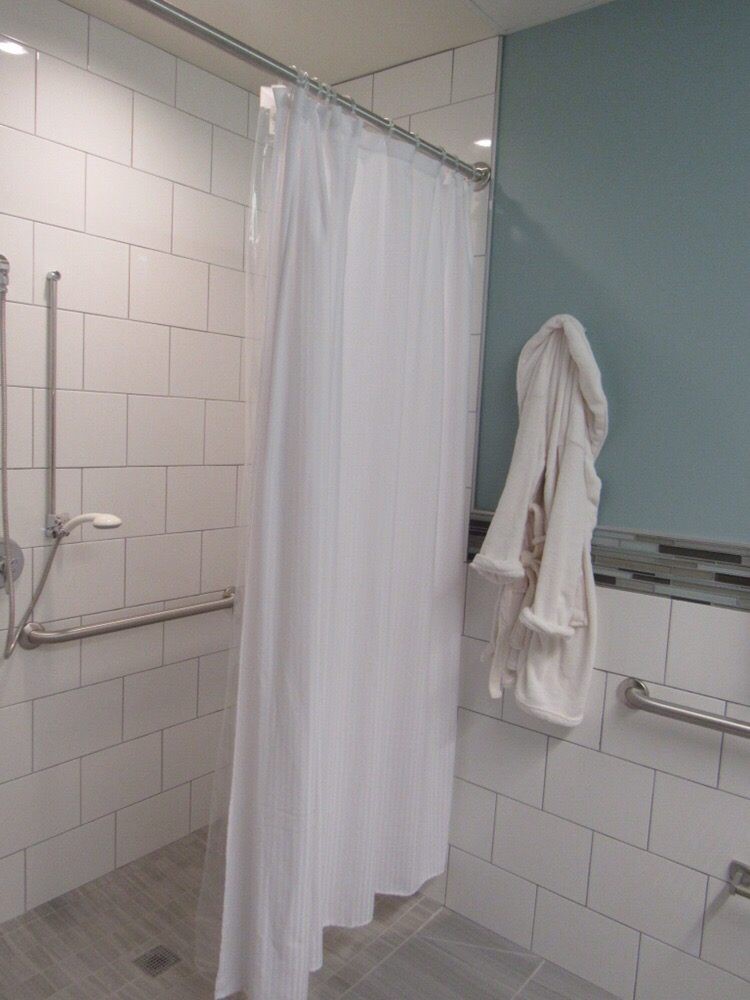
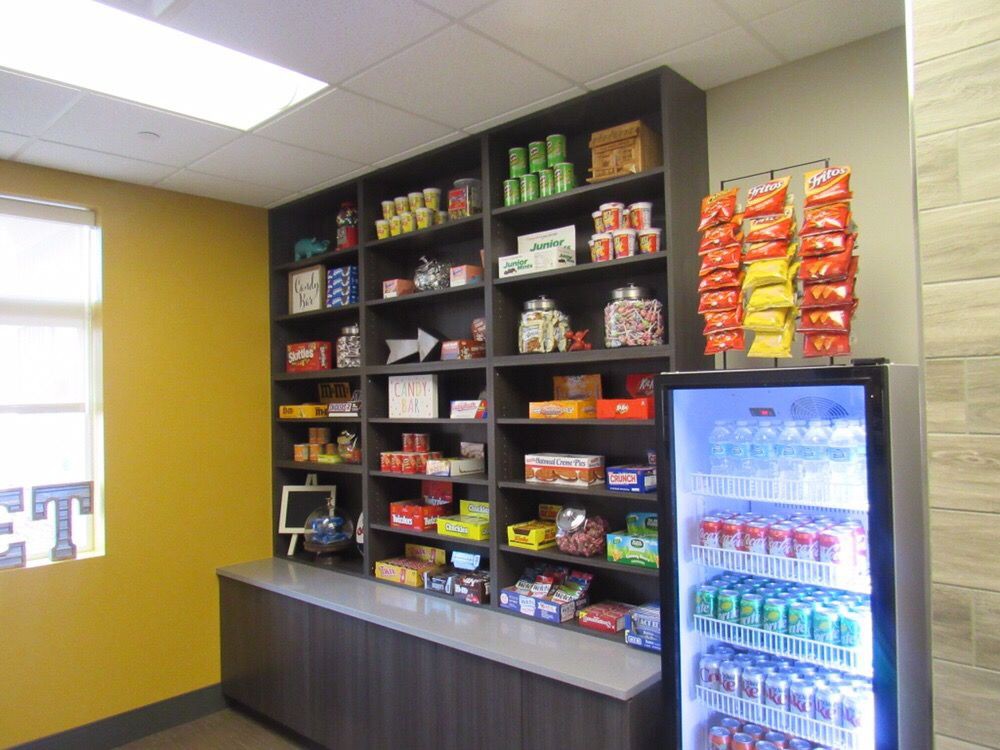
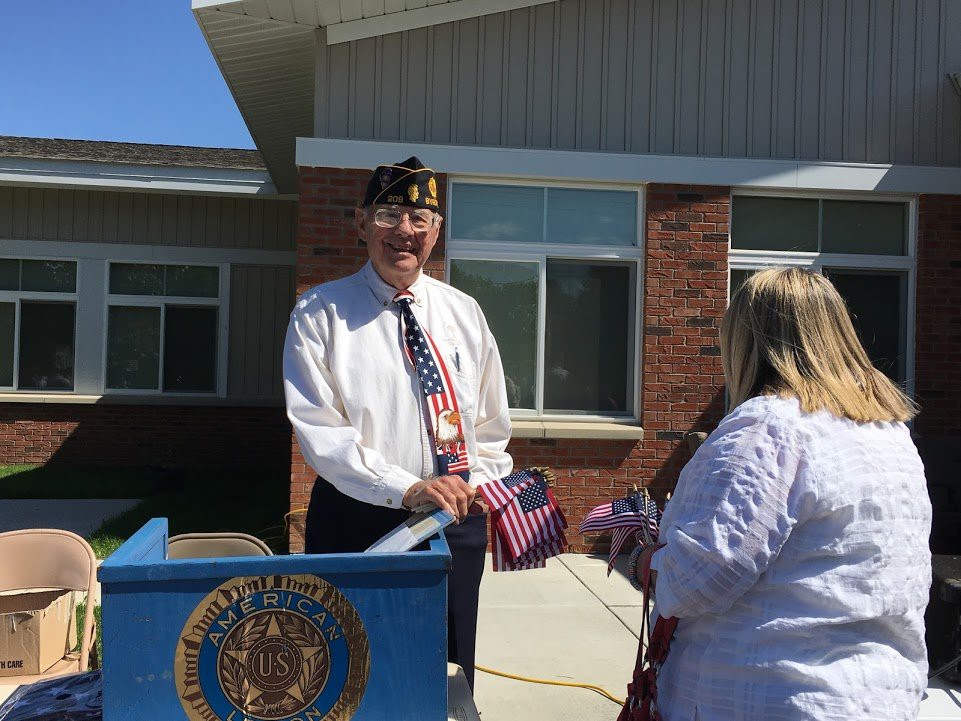
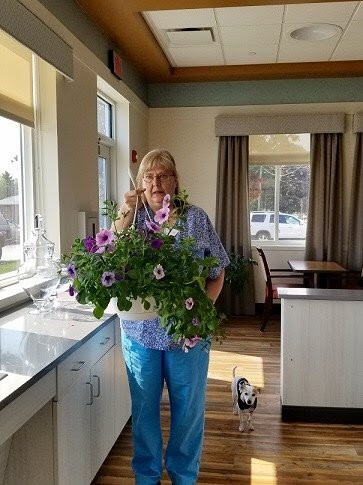
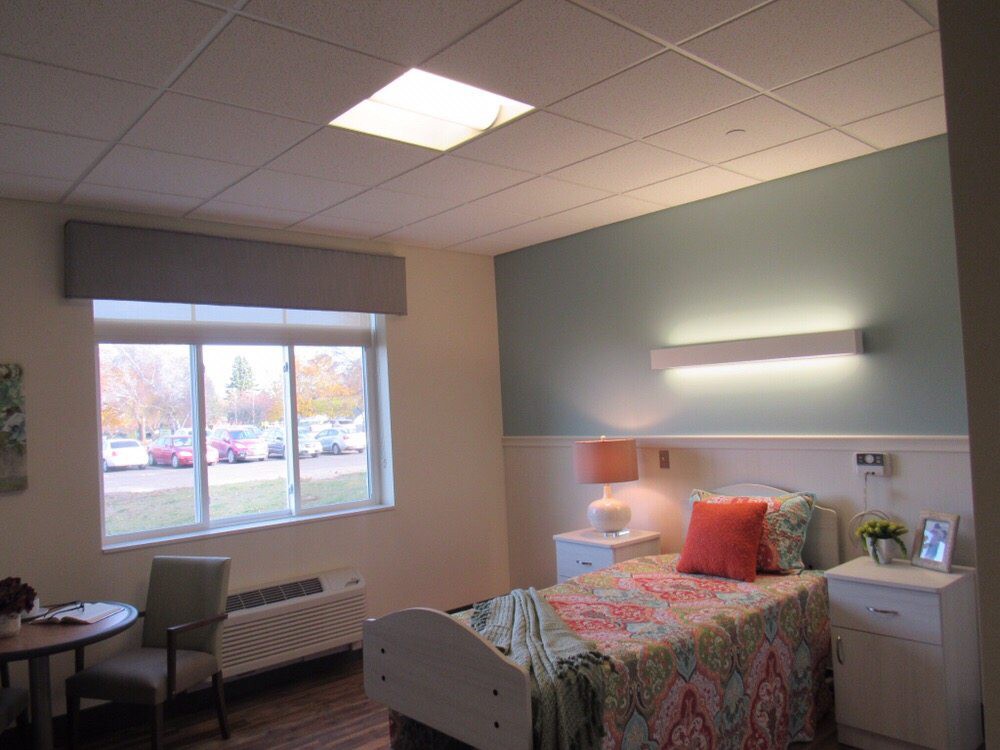
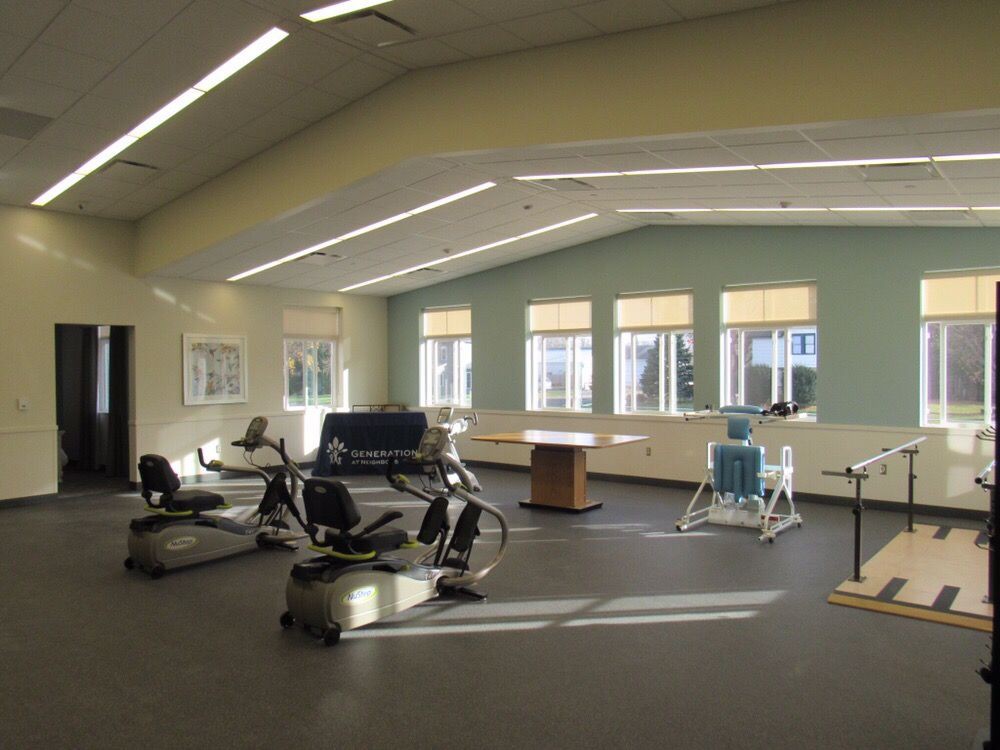
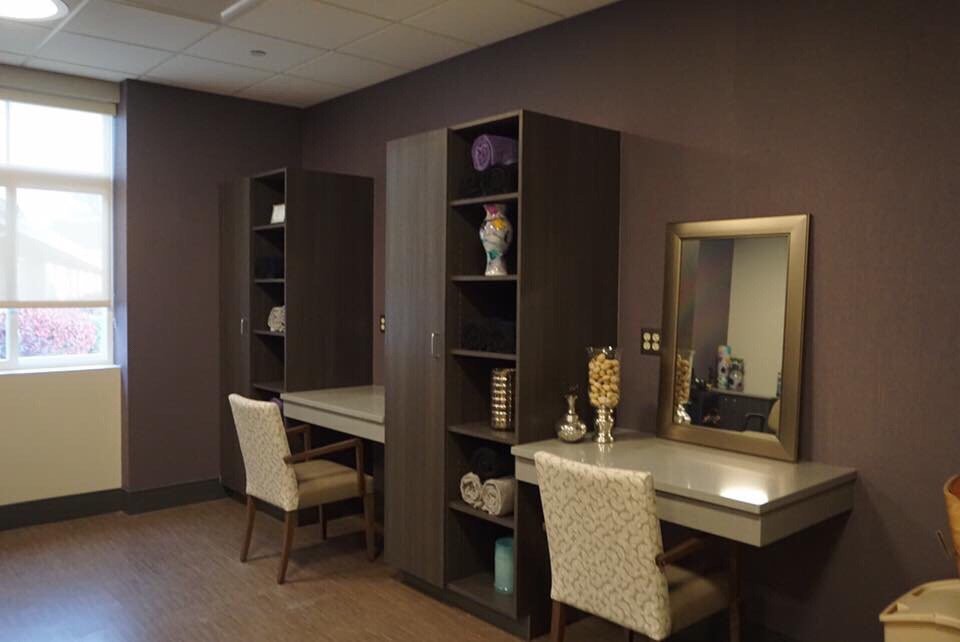
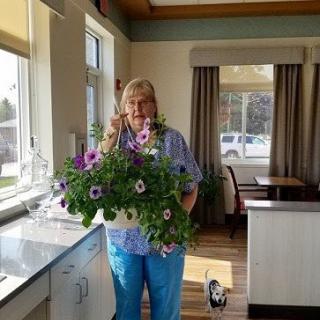
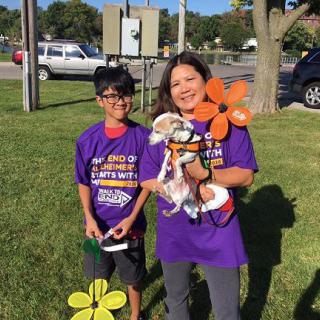
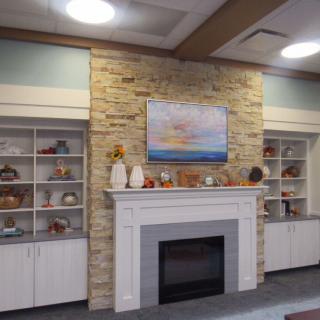
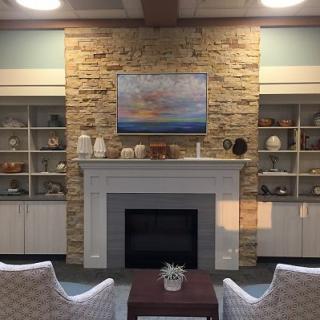
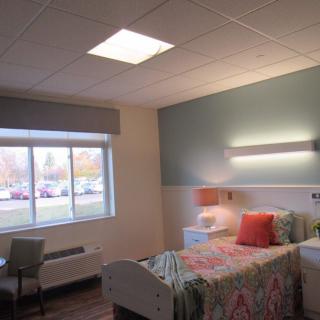
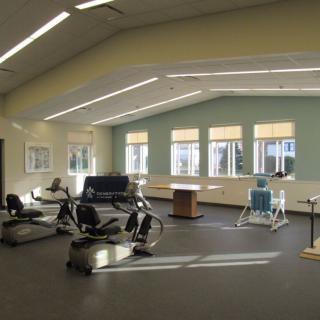
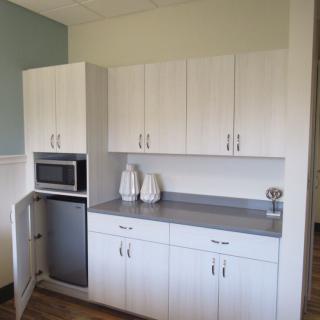
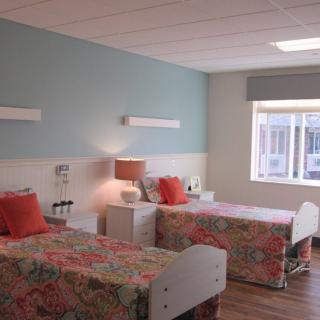
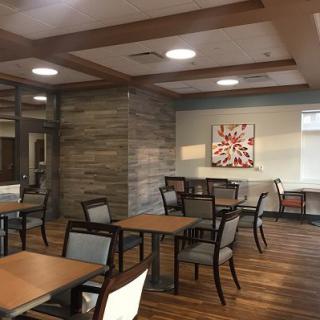
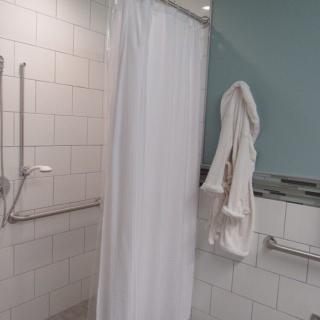
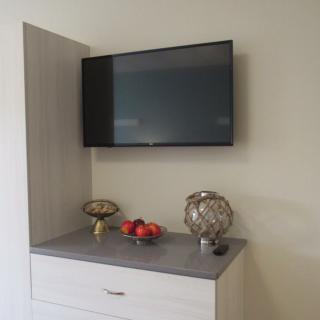
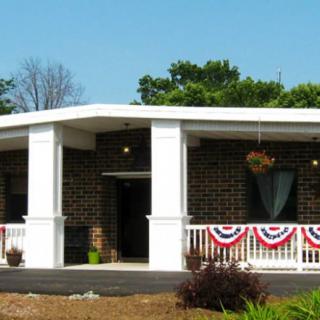
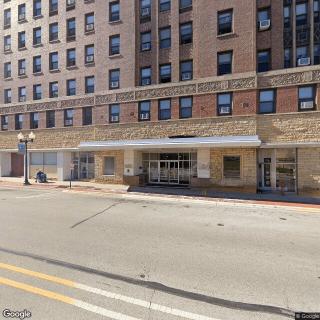
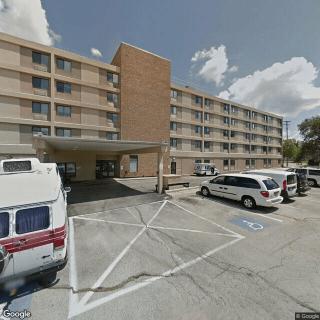
Generations At Neighbors on seniors.fyi includes 24 photos including images showing interior, windows, artwork, decor, outdoors, bathroom, dining, fireplace, and more.
Nearby Communities
Family 1st Shared Home Of Oregon
Oregon, IL
4.7 from 3 reviews
Small, intimate setting with 24/7 supervision and personalized ADL support.
Shepherd of Oregon
Oregon, IL
4.7 from 17 reviews
$5,500 to $6,000 / month
Friendly staff and a warm, home-like atmosphere with on-site meals and laundry.
Oregon Living And Rehabilitation Center
Oregon, IL
4.6 from 20 reviews
24/7 supervision with extensive services.
Prairie View Assisted Living
Winnebago, IL
4.3 from 45 reviews
$4,800 to $6,300 / month
Small, close-knit community with personalized care and strong family communication.
Pinecrest Manor - Mount Morris
Mount Morris, IL
Extensive amenities and 24/7 care, plus transportation and active social programs.
Pinecrest Community
Mount Morris, IL
1 from 2 reviews
Dedicated staff and resident-focused environment.
Faust Landmark Apartments
Rockford, IL
3.4 from 22 reviews
$568 to $646 / month
Affordable 55+ living with pet-friendly policy, on-site amenities (beautician, accessible showers), and meals provided.
Longwood Plaza
Rockford, IL
Independent living with diabetic care and convenient amenities.
Pa Peterson At The Citadel
Rockford, IL
3.3 from 135 reviews
$1,776 to $4,790 / month
Clean, homey environment with knowledgeable staff and engaging activities.
The article highlights nine memory-boosting activities for seniors that enhance cognitive health and social interaction, including puzzles, trivia quizzes, and storytelling, while emphasizing the importance of adapting these activities to individual preferences to maximize enjoyment and engagement. Consistent mental engagement is linked to improved cognitive function and emotional well-being in older adults.
Medicare provides limited coverage for skilled nursing home care, covering full benefits for the first 20 days and partial benefits up to 100 days under certain conditions, after which families must explore alternative funding options like Medicaid or long-term care insurance to manage potentially high costs. Proactive planning is essential to navigate the complexities of financing ongoing care once Medicare coverage ends.
Geriatric care managers create personalized care plans for older adults, addressing their medical, social, financial, and psychological needs while coordinating services and advocating for their well-being. They help families navigate caregiving challenges but may be hindered by high costs and a shortage of qualified professionals.
Exercise Equipment, Gym, Exercise Room, and Daylight
Wall Art
Office
Waiting Area
Lights
Conference Room
Design
Spa
Additional Photos
Get PricingAsk A QuestionSchedule A TourContact Senior Advisor
By clicking submit, you agree to our Partner's Terms of Use. You
also consent to receive calls and texts, which may be autodialed, from our Partner. Your consent is not a condition to
using our Partner's service. Please visit our Partner's Privacy Policy for information about their privacy practices.


 131 resident community capacity
 Skilled Nursing Facility
 Air-conditioning
 Beauty salon
 Cable or satellite TV
 Computer center
 Dining room
 Fitness room
 Fully furnished
 Gaming room
 Garden
 Housekeeping services
 Kitchenette
 Move-in coordination
 Outdoor space
 Private bathrooms
 Restaurant-style dining
 Small library
 Telephone
 Wellness center
 Wi-Fi/high-speed internet available
 Greater Rockford (9 miles away)
 Community operated transportation
 12-16 hour nursing
 24-hour call system
 Activities of daily living assistance
 Assistance with bathing
 Assistance with dressing
 Assistance with transfers
 Diabetes diet
 Medication management
 Mental wellness program
 Special dietary restrictions
 Concierge services
 Planned day trips
 Small, intimate setting with 24/7 supervision and personalized ADL support.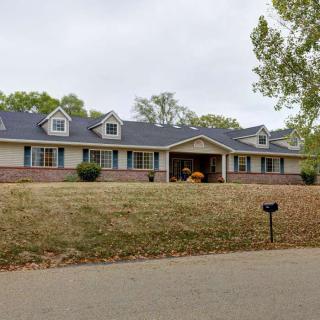

 9 Stimulating Memory Activities for Seniors: Puzzles, Cards, and Much More
 Managing Nursing Home Expenses After Medicare Coverage Ends
 Is a Geriatric Care Manager the Right Choice for Your Family?