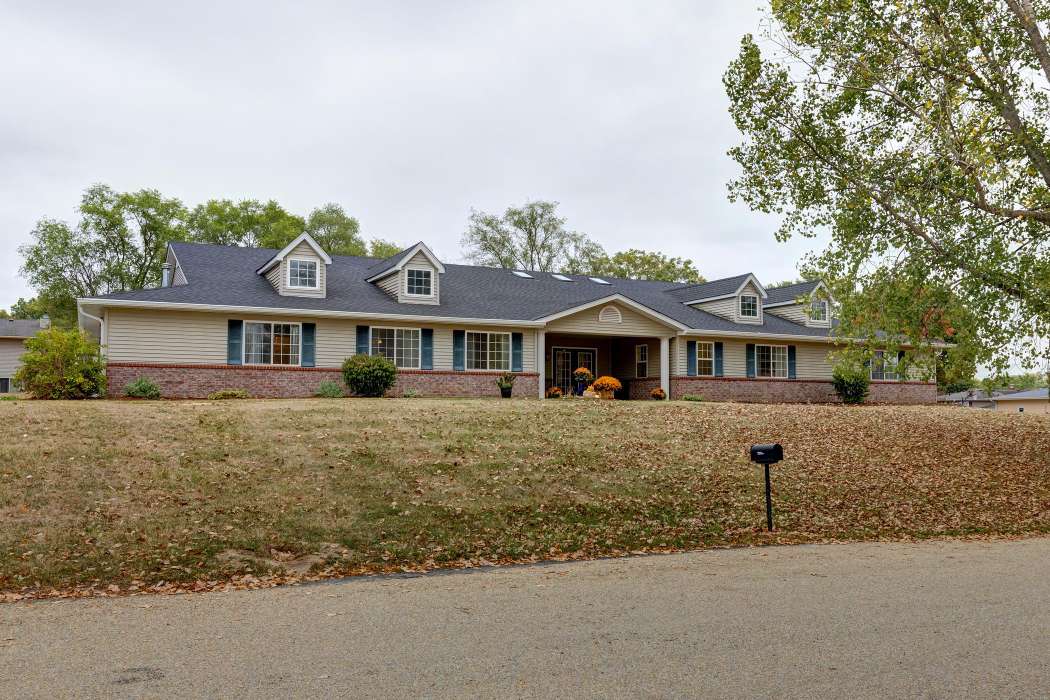
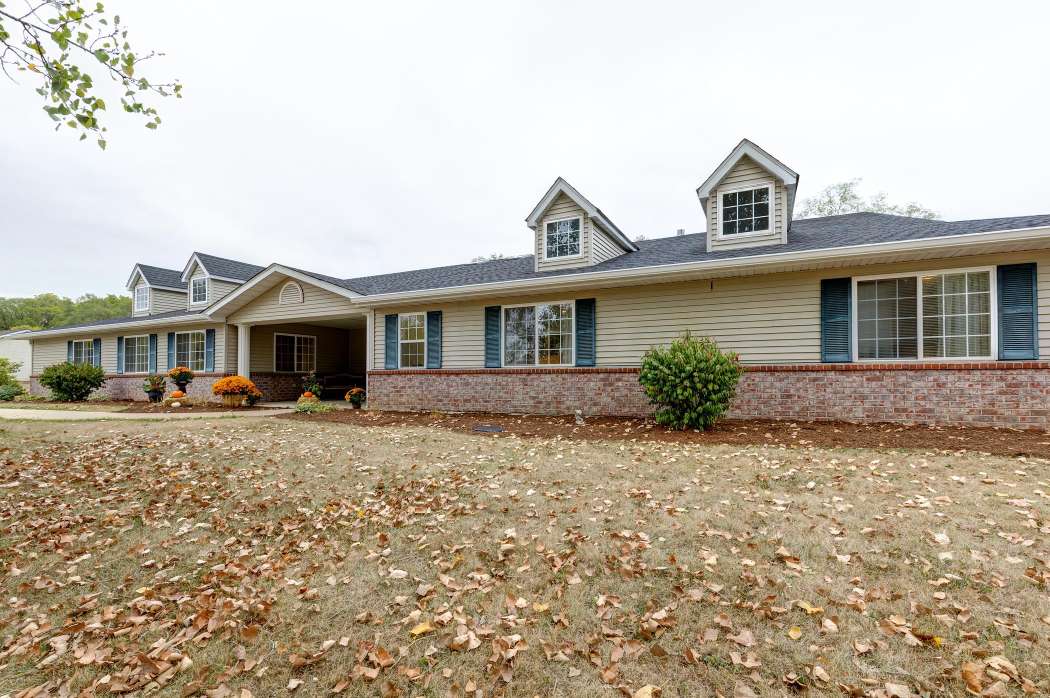
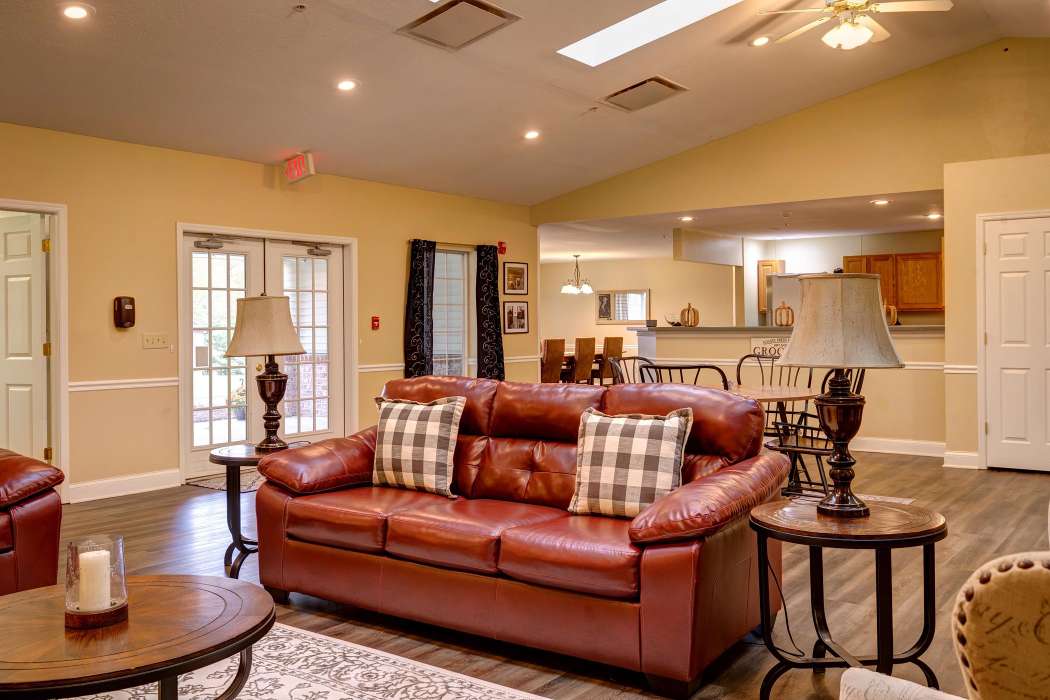
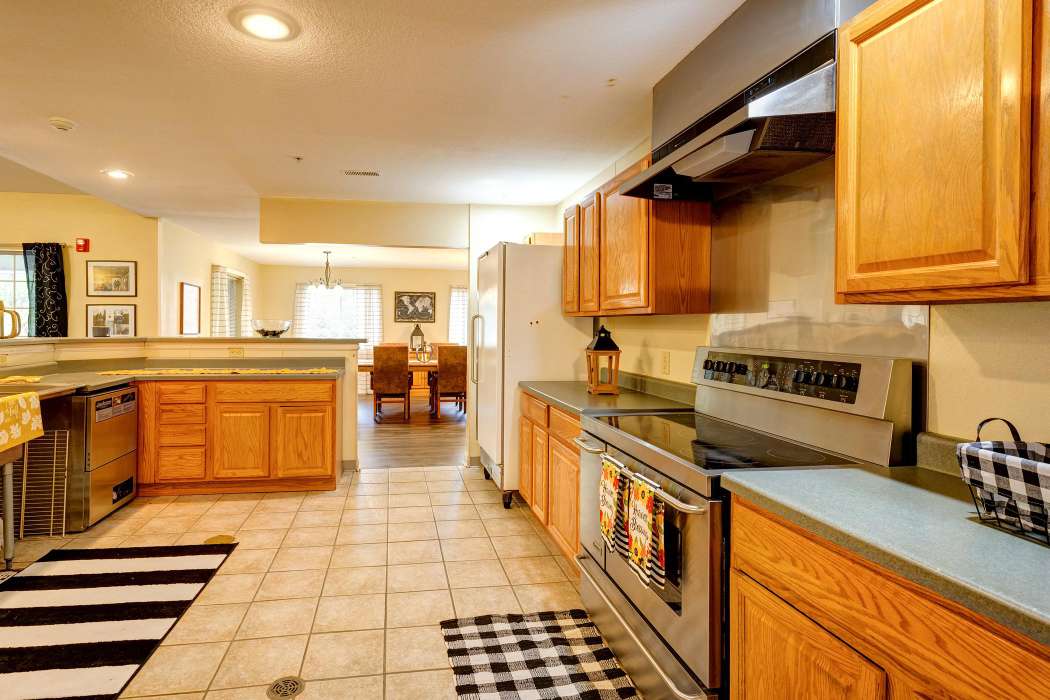

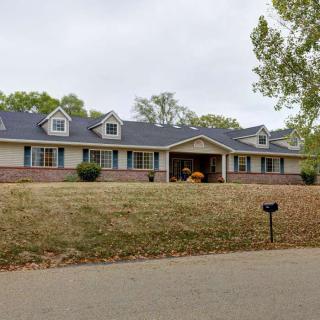
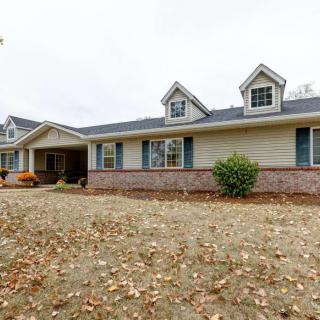

8 Terrace View Blvd, Oregon, IL 61061
To contact a resident: (815) 353-2349
For more information about senior living options: (866) 208-4318
Shepherd of Oregon Costs & Pricing
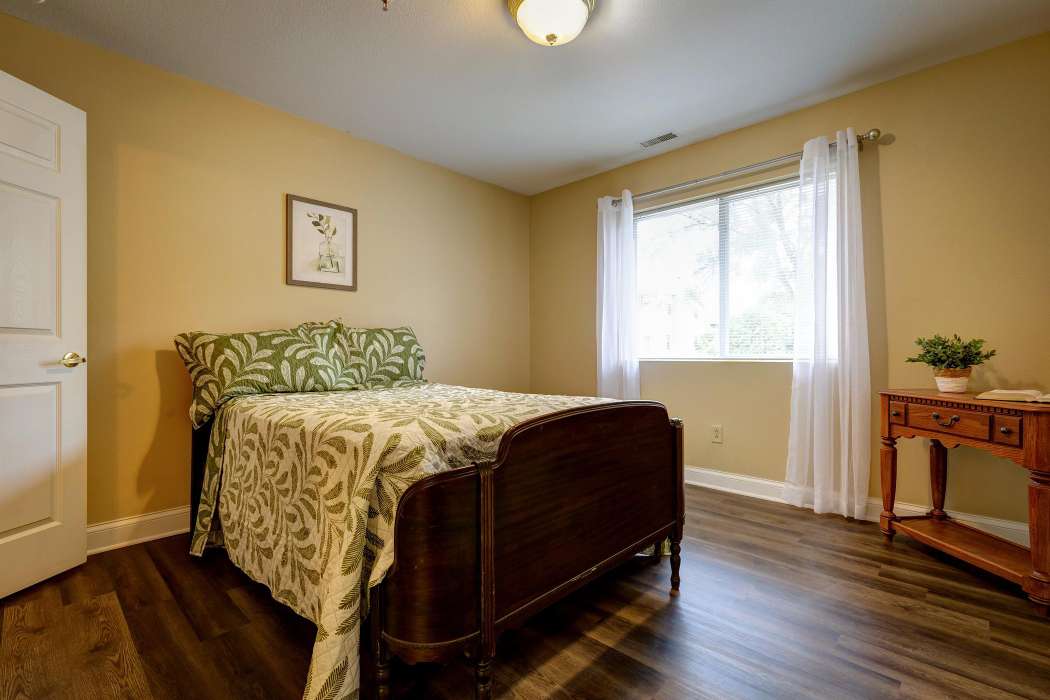
At Shepherd of Oregon, the monthly costs for care reflect a competitive pricing structure that aligns closely with local and state averages. For semi-private rooms, both Shepherd of Oregon and Ogle County maintain a consistent fee of $5,500, indicating an equitable market position. However, when considering private room accommodations, Shepherd of Oregon's rate is $6,000, which is notably higher than the Illinois average of $5,049. This pricing disparity highlights the potential for variations in service offerings or amenities between facilities. Overall, while Shepherd of Oregon's rates are on par with county levels for semi-private options, they exceed state standards for private living arrangements by a significant margin.
| Floor plans | Shepherd of Oregon | Ogle County | Illinois |
|---|---|---|---|
| Semi-Private | $5,500 | $5,500 | $5,146 |
| Private | $6,000 | $6,000 | $5,049 |
Senior living communities with a similar price nearby
-
from -$775 / mo
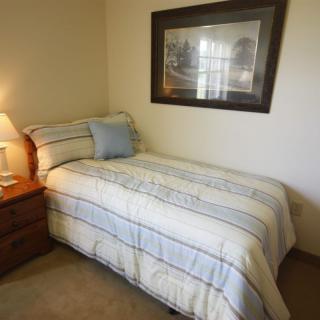
Heritage Woods of Freeport
$4,725 to $5,100 / month24.5 miles away -
from -$1025 / mo
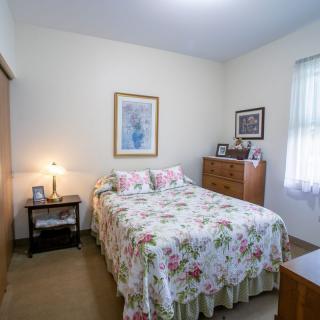
Heritage Woods of Sterling
$4,475 to $5,025 / month24.1 miles away -
from -$770 / mo
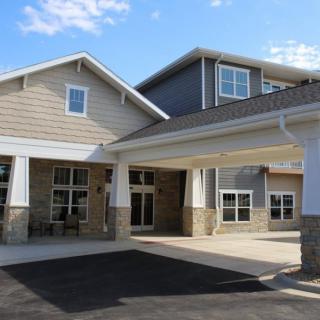
WinnPrairie Assisted Living and Memory Care
$4,730 to $6,700 / month24.5 miles away -
from -$700 / mo

Prairie View Assisted Living
$4,800 to $6,300 / month18.3 miles away -
from -$850 / mo
Rockford Supportive Living Center
$4,650 / month20.4 miles away
Overall Review of Shepherd of Oregon
Pros
 The facility, the staff, the activities, and the care are unbelievable.
- The mom has adjusted well and receives such great care.
- The community feels like a small family and includes families in the care process.
- The mom is more active there than in months, thanks to the staff.
- The staff are doing a great job.
- It is a wonderful, home-like environment with capable, caring staff.
- The MIL is content to be there.
- This home is a small, well-staffed community that feels like home.
- The staff are very good with residents, families, and friends.
- Shepherd Premier is an awesome place for loved ones to live, with staff accommodating and residents feeling at home.
- The meals are good and the staff are kind and watch out for residents.
- The facilities are clean and issues are addressed promptly.
Cons
 The facilities and amenities were stretched thin.
- A resident fell out of bed at night and remained there until morning.
- There was a perceived need for routine patrols to check on residents.
- The food was usually unpalatable and bland.
- Family members often had to bring meals because the provided fare was disliked.
- The lack of seasonings and the ban on residents seasoning their own food were viewed as negative.
- There was no chef with experience preparing food for a group, placing cook duties on CNAs who had other responsibilities.
- The facility suffered from a lack of funds and maintenance.
Review
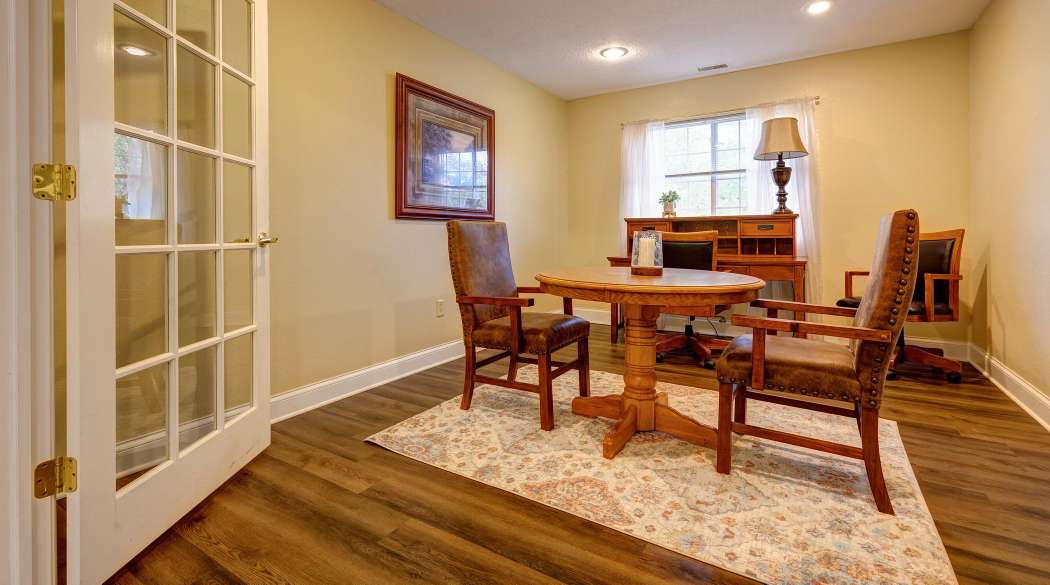
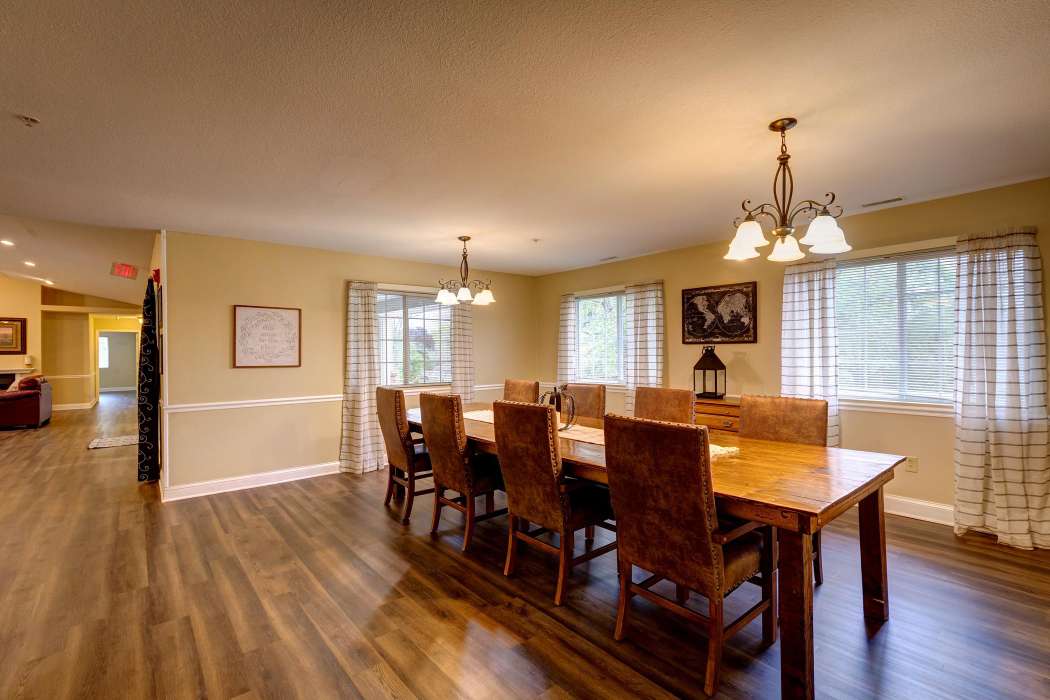
Shepherd of Oregon in Oregon, IL is best suited for families seeking a small, home-like assisted living where caregiving feels intimate, consistent, and genuinely person-centered. This community works well for seniors who want to be treated like family, with staff who know residents’ histories, preferences, and routines. It fits households valuing a warm, residential atmosphere over a corporate campus, where caregivers actively involve families in planning and decisions and residents stay engaged through everyday participation and a sense of belonging.
Those who may want to consider alternatives include seniors with higher medical acuity or memory care needs that require near-constant clinical oversight, or families for whom a more chef-driven dining program is non-negotiable. A couple of reviews hint at variability in amenities and safety routines, suggesting that anyone prioritizing robust safety patrols or a broader menu of on-site services may prefer a larger, better-resourced setting. For residents who prize a formal, highly structured environment with extensive specialty programming, this may feel like a gap.
On the upside, the strongest value here is the staff-driven, family-style culture. The team is consistently described as capable, compassionate, and genuinely attentive, with caregivers who weave in family members into care planning and daily routines. The homey, less institutional vibe translates into residents becoming more active and engaged, often accompanied by noticeable improvements in mood and participation. The food and meal experiences are a mixed bag in the reviews, but there is a clear emphasis on flexibility and resident involvement, including opportunities for residents to help with meals, which reinforces the sense of control and personalization.
Those benefits, however, do not erase the practical limitations. A smaller campus naturally comes with fewer bells and whistles; some reviews flag stretched facilities and amenities that can feel thin compared to larger communities. Food quality is not uniformly praised, with at least one note of bland or unpalatable meals, even as others report a robust, appealing menu. The strongest offset here is the responsiveness of staff and the ease with which concerns are addressed, which helps families feel that problems are managed quickly and discreetly within a homey setting. When care issues arise, the intimate scale makes it easier for caregivers to pivot and tailor solutions.
Another practical factor is safety and monitoring. While the atmosphere is welcoming and the staff approachable, a cautionary review describes a situation where a resident fell and remained unmonitored for a time, underscoring the need for clear patrol routines and reliable reminders. Prospective families should weigh this against the general perception of strong day-to-day attentiveness and the willingness to adjust procedures as needed. In short, the environment rewards proactive family involvement and transparent communication, while acknowledging that a coddled sense of safety must be actively maintained.
The bottom line is clear: Shepherd of Oregon is a compelling choice for households prioritizing warmth, personal connections, and resident participation over a polished, high-volume campus. It rewards those who value being part of a small, close-knit community where staff know residents well, families are kept in the loop, and daily life feels like home. For families seeking robust medical oversight, top-tier dining, or a facility with abundant amenities and formal safety protocols, alternatives warrant serious consideration. Family questions to anchor the decision should include current staffing levels and turnover, the specific safety routines in place, how meals are planned and prepared, and what an individualized activity calendar looks like for their loved one. If these align with the family’s expectations, Shepherd of Oregon stands as a practical, experienced choice with meaningful, everyday advantages.
 Board and Care Home
 Activities off-site
 Bath tubs
 Cable or satellite TV
 Handicap accessible
 Indoor common areas
 Outdoor common areas
 Private
 Private bathrooms
 Respite or short term stays offered
 Wheelchair accessible showers
 Wi-Fi/high-speed internet available
 Greater Rockford (18 miles away)
 Ambulatory care
 Diabetic care
 High acuity care
 Incontinence care
 Medication management
 Gluten-free
 BBQs or picnics
 Birthday parties
 Christian services
 Live dance or theater performances
 Live musical performances
 Sensory-based programs




 Comprehensive Insights and Practical Strategies to Help Older Adults Avoid Falls
 6 Crucial Ways an Elder Law Attorney Assists Families
 Navigating the Tax Landscape of Caregiving: Credits, Deductions, and Beyond