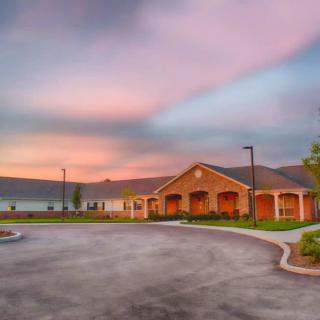
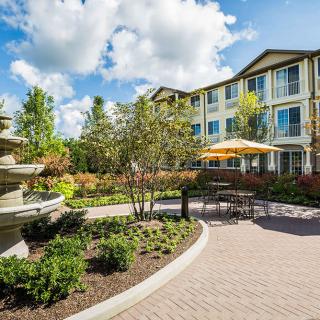
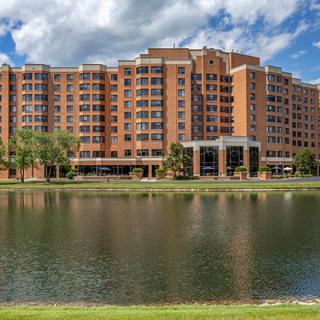
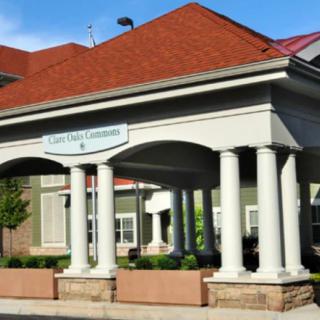
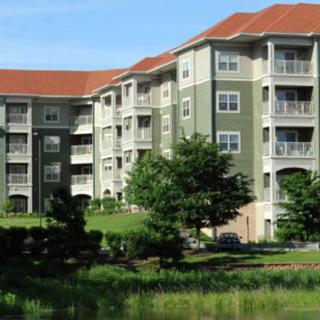
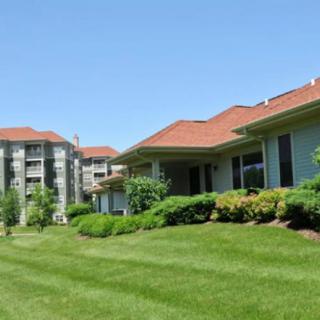
Assisi Healthcare Of Clare Oaks in Bartlett, IL

Save

Assisi Healthcare Of Clare Oaks in Bartlett, IL

Information last verified:

829 Carillon Drive, Bartlett, IL 60103

For more information about senior living options: (844) 490-3973

4.5 from 110 reviews
5 stars
85
4 stars
13
3 stars
4
2 stars
1
1 stars
7

Seniors.FYI Elite Community Awards

Top 5% Senior Living Community in 2020Top 5% Senior Living Community in 2024

Add this award to your website

Overall Review of Assisi Healthcare Of Clare Oaks

Pros

  • pro The family is extremely grateful for the outstanding care provided at Hearthwood Senior Center.
  • pro The staff showed genuine compassion, professionalism, and dedication throughout the husband’s stay.
  • pro Rolando and Enjolie went above and beyond in advocating for the husband, coordinating transportation for medical appointments and guiding on next-level care options.
  • pro The nursing staff Shannon, Nelson, and Henry were attentive, knowledgeable, and always took the time to ensure questions were fully answered.
  • pro The therapy staff are patient and dedicated, and the CNAs Juan, Ladona, and Elizabeth provided care with dignity, respect, and responsiveness every day.
  • pro Hearthwood is highly recommended to families seeking compassionate, high-quality senior care.
  • pro A+ all the way; the community features friendly staff, lots of activities, and great food.
  • pro The staff are welcoming and caring to all residents, with great food and plentiful activities that encourage meeting new friends.
  • pro Tammy and Stacy set the tone from the start with energy, enthusiasm, and the ability to guide seniors to the right solutions.
  • pro The facility is nice and clean, with recent updates and brunch that is really good.
  • pro Therapy and rehabilitation services are wonderful, with therapists who are excellent to work with.
  • pro Hearthwood feels like home, with administration and staff going above and beyond to create a welcoming, caring environment.

Cons

  • pro The Oaks has gone downhill since new owners took over; they are terribly understaffed and patients wait a long time for basic care.
  • pro The food quality has diminished, with examples like one sausage and a dry toast for breakfast.
  • pro Cleaning and sanitization are not performed properly, especially in semi-private rooms.
  • pro The first day of admission, a patient was left in a bed that didn’t work.
  • pro Management does not engage families or keep them informed about treatment plans.
  • pro A wheelchair’s legs were lost, costing the family additional funds.
  • pro The Oaks filed bankruptcy and kept 90% of the value of a condo, described as a scam.
  • pro Medications were forgotten or not called in on time during discharge.
  • pro A resident was told they couldn’t eat in the dining room due to a Medicare issue, later contradicted.
  • pro The rehab unit needs more staff; nurses are overworked and there is noticeable attitude.
  • pro In memory care, a resident was asked to leave after incidents of aggression, indicating poor handling.

Review

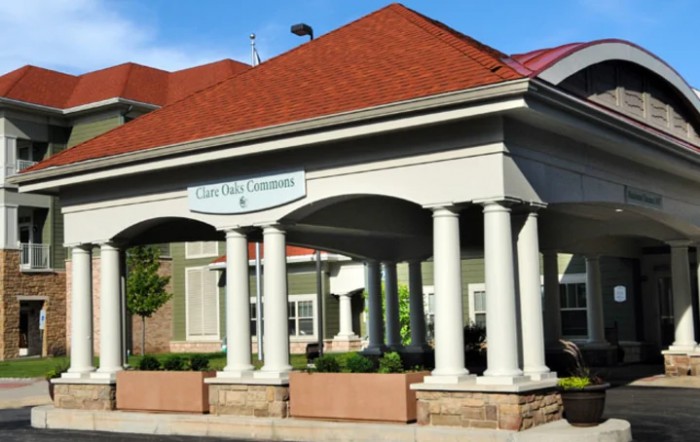
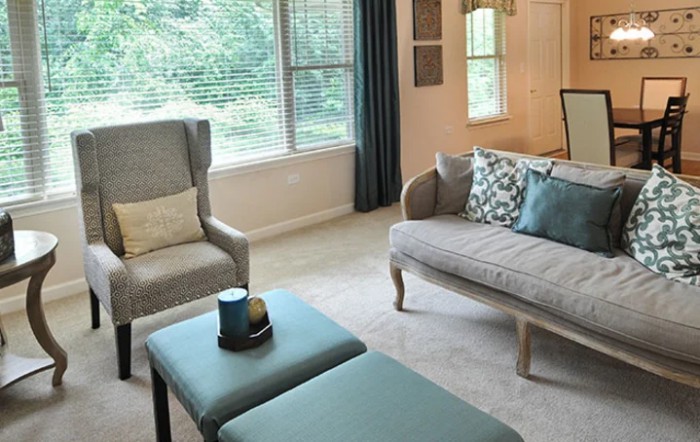
This community is best suited for active seniors who want a genuine, village-like atmosphere where daily life centers on social connection, varied activities, and high-touch service. The Oaks at Bartlett (formerly Clare Oaks, now Hearthwood-driven in parts of the campus) consistently shows strength in dining quality, comfortable living spaces, and a broad menu of enrichment options. For families prioritizing a warm, responsive care team that can nudge residents toward the right solutions and coordinate transitions across levels of care, this setting often delivers. The experience frequently reads as “home,” with staff who anticipate needs, a well-maintained campus, and a sense that residents are truly known as individuals. It is particularly well-suited for seniors who anticipate staying within a continuum of care, from independent living through rehab or memory care, without needing to uproot when care needs shift.

Those evaluating alternatives should note a clear caveat: not every situation here will track the same course, and families with exacting concerns about governance, finances, or memory-care programming may want to shop elsewhere. Several reviews point to a recent leadership transition and questions about staffing stability and operational consistency. For households where financial transparency, predictability, and aggressive remediation of care gaps are non-negotiable, this is a strong reason to compare other communities. Families with loved ones who have complex memory-care needs or who want a highly specialized environment may prefer facilities with more consistent long-term management and a proven track record in dementia-focused programming.

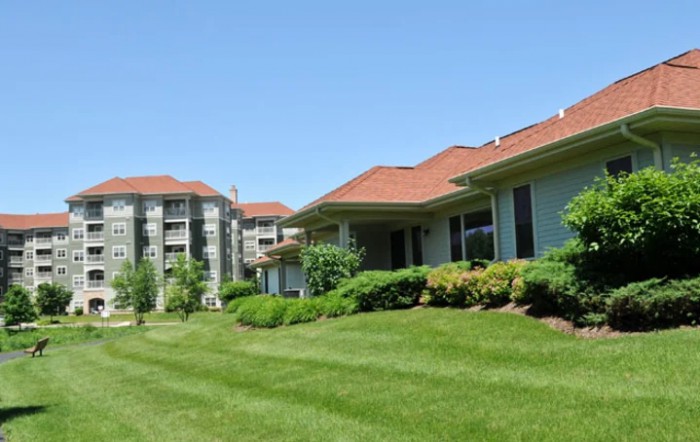
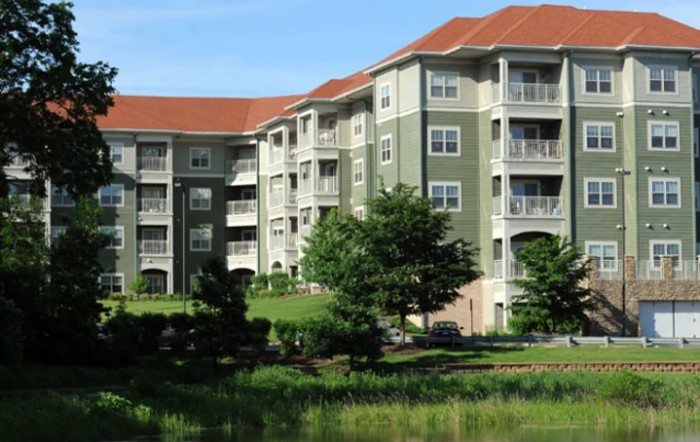
The strongest pros are tangible and repeatedly cited: deeply caring frontline staff, capable nurses and CNAs, and an entire ecosystem built around resident dignity and daily enjoyment. Reviewers highlight the teamwork of social services, therapy teams, and dining staff, with names like Rolando, Tammy, Stacy, Prima, and Sandra appearing as pillars of responsive, person-centered care. The rehab and therapy programs, often five days a week or more, produce real progress, helping residents regain or maintain independence quickly. The dining experience stands out as well, with notable attention to portion size, variety, and table service that elevates meals from routine to enjoyable social events. The campus’ aesthetic improvements, activity scheduling, and welcoming communal spaces contribute to a lived-in atmosphere that feels like a community rather than a facility.

Yet, the cons deserve blunt attention. A subset of reviewers reports a decline in certain operational areas after ownership changes, including concerns about staffing levels, timeliness of care, and perceived lapses in cleanliness or attention to detail in some rooms. Financial and administrative frustrations surface in a few accounts, including disputes over refunds and discharge planning. Memory-care experiences are described as mixed by some families, with critiques aimed at program depth and continuity during transitions. A few reviews warn against relying on the most advanced or highly specialized dementia care here, suggesting that different facilities may deliver more robust programming and greater daily stimulation for residents with progressive impairment. Taken together, these concerns are meaningful and cannot be dismissed.

The key pros offset the main cons when operations stay stable and staff continuity remains high. When leadership provides clear accountability, and the team maintains trained, engaged caregivers across shifts, residents feel seen, safe, and cherished, precisely what drives high satisfaction in this setting. The continuum‑of‑care advantages remain a compelling draw: independent living can feel like a perpetual pause before the next step, while rehab and skilled nursing are available without families facing another move. The cafeteria-style array of activities, exercise, spiritual services, cultural events, and social clubs, helps prevent withdrawal and isolation, reinforcing the sense that aging here is a collaborative journey with real momentum. However, when staffing strain or governance concerns intrude, the very strengths become vulnerable to erosion, and families should treat the care plan as a living document subject to ongoing review.

For families weighing a move, a practical decision framework is essential. Schedule multiple visits at different times, and press for current data on staffing ratios, vacancy rates, and the leadership structure. Request transparent, written explanations of any financial policies, including any pending risks, and ask for a current, itemized care plan that outlines services, frequency of updates, and escalation paths. During tours, speak with residents across floor levels and, if possible, observe a mealtime and a therapy session to gauge real-world dynamics. Probe memory-care programming specifically: what daily activities exist, how independence is preserved, what safeguards are in place, and how transitions are managed when progression occurs. Finally, test the finance side, insist on a detailed cost projection with contingencies for changes in level of care and potential refunds or billing disputes.

In sum, this community remains a strong option for families prioritizing warmth, engagement, and a robust array of services’ infrastructure. The positives, the compassionate care teams, the lively social fabric, the excellent dining, and the proven rehab pathways, are real and repeatable when staffing and governance stay aligned. The decision hinges on risk tolerance: for households that can tolerate some variability tied to leadership transitions and occasional service gaps, the upside is substantial, with a genuine sense of home and a clear path through the care continuum. For those with strict demands for financial transparency, consistent staffing, or highly specialized memory-care programming, it pays to widen the search and compare facilities where these parameters are non‑negotiable, ensuring the next move lands firmly on a stable, well-supported footing.

Features

Housing

  • 120 resident community capacity 120 resident community capacity

Types of Care

  • Continuing Care Retirement Community (CCRC) Continuing Care Retirement Community (CCRC)Continuing Care Retirement Communities (CCRCs) are important for seniors because they provide a range of housing options and care services all in one location. This allows seniors to age in place and receive the level of care they need as their health changes, without having to move to a new facility. CCRCs provide a sense of security and peace of mind for seniors and their families, knowing that they will be taken care of no matter what the future holds.
  • Skilled Nursing Facility Skilled Nursing FacilitySkilled Nursing Facilities are crucial for seniors as they provide round-the-clock medical care, rehabilitation services, and assistance with daily activities. These facilities ensure that seniors receive the specialized care they need to maintain their health and well-being as they age.

Amenities

  • Air-conditioning Air-conditioningAir conditioning is important for seniors as they are more vulnerable to heat-related illnesses and may have underlying health conditions that make it difficult for them to regulate their body temperature. It helps to keep them comfortable, safe, and healthy in hot weather.
  • Beauty salon Beauty salonBeauty salons are important for seniors because they provide a space for them to feel pampered, socialize, and maintain their personal grooming and hygiene. Regular visits to a beauty salon can help boost seniors' self-esteem and overall well-being.
  • Cable or satellite TV Cable or satellite TVCable or satellite TV is important for seniors because it provides entertainment, news, and companionship, helping to combat loneliness and boredom. It also offers a wide range of programming options tailored to different interests and preferences.
  • Computer center Computer centerA computer center is essential for seniors as it provides access to technology, communication tools, and resources that can enhance their daily lives. It allows them to stay connected with loved ones, engage in online activities, and learn new skills, ultimately promoting socialization and mental stimulation.
  • Dining room Dining roomDining rooms are important for seniors as they provide a space for socialization, connection, and nutritious meals. They offer opportunities for residents to bond over shared meals, foster a sense of community, and promote healthy eating habits. Dining rooms also ensure that seniors have access to well-balanced meals tailored to their dietary needs and preferences.
  • Fitness room Fitness roomHaving a fitness room in a senior living community is essential for seniors to stay active, maintain their physical health, and improve their overall well-being. Regular exercise can help prevent falls, reduce the risk of chronic diseases, and promote mental sharpness. It also provides social opportunities for residents to connect with others and enjoy a sense of community.
  • Fully furnished Fully furnishedFully furnished senior living communities are important for seniors because they provide convenience, comfort, and a hassle-free moving experience. Seniors can easily settle into their new living space without the stress of having to buy and move furniture. This allows them to focus on enjoying their new home and community.
  • Gaming room Gaming roomGaming rooms are important for seniors as they provide a fun and engaging environment for socializing, cognitive stimulation, and physical activity. Games can improve memory, problem-solving skills, and overall mental well-being while fostering friendships and reducing feelings of isolation.
  • Garden GardenGardens are important for seniors as they provide a peaceful and therapeutic environment for relaxation, physical activity, and socialization. Being in nature has been shown to reduce stress, improve mood, and promote overall well-being. Gardens also offer opportunities for seniors to engage in gardening activities, which can improve mobility, flexibility, and cognitive function. Additionally, gardens create a sense of community and connection with others who share a passion for plants and outdoor spaces.
  • Housekeeping services Housekeeping servicesHousekeeping services are important for seniors because they help maintain a clean and safe living environment, promote independence, and reduce the risk of accidents or illnesses. Additionally, having assistance with household chores can alleviate physical strain and allow seniors to focus on other aspects of their well-being.
  • Kitchenette KitchenetteKitchenettes are important for seniors living in senior living communities because they provide the convenience and independence of being able to prepare simple meals and snacks in the comfort of their own living space. This can help promote a sense of autonomy and well-being for seniors, allowing them to maintain some level of control over their dietary choices and daily routines.
  • Move-in coordination Move-in coordinationMove-in coordination is important for seniors because it helps ease the transition into their new living environment. It ensures that all logistics, such as packing, organizing movers, and setting up utilities are taken care of, allowing seniors to focus on settling in and adjusting to their new home. Having a smooth move-in process can alleviate stress and anxiety, making the transition smoother and more enjoyable for seniors.
  • Outdoor space Outdoor spaceOutdoor spaces are important for seniors as they provide opportunities for physical activity, social interaction, exposure to natural light and fresh air, and a sense of connection to nature. Having access to outdoor spaces can improve overall well-being and quality of life for older adults living in senior communities.
  • Private bathrooms Private bathroomsPrivate bathrooms are important for seniors in senior living communities because they provide independence, dignity, and comfort. Having a private bathroom allows seniors to maintain their personal hygiene routines without the need for assistance, promoting a sense of autonomy and privacy. Additionally, private bathrooms help prevent the spread of infections and provide a safe and clean environment for seniors to navigate safely.
  • Restaurant-style dining Restaurant-style diningRestaurant-style dining is important for seniors because it allows them to enjoy delicious, nutritious meals in a social and upscale setting. This enhances their dining experience, promotes healthy eating habits, and fosters socialization with fellow residents, ultimately contributing to their overall well-being and quality of life.
  • Small library Small librarySmall libraries are important for seniors as they provide access to a variety of reading materials, including books, newspapers, and magazines. This can help stimulate their minds, keep them engaged, and provide a sense of community through book clubs and other social activities. Additionally, reading has been shown to improve cognitive function and overall mental well-being in older adults.
  • Telephone TelephoneTelephones are important for seniors as they provide a lifeline for communication with loved ones, emergency services, and healthcare providers. They offer a sense of security and independence, enabling seniors to stay connected and access assistance when needed.
  • Wellness center Wellness centerWellness centers are important for seniors because they offer a variety of programs and services that promote physical, mental, and emotional well-being. These centers provide opportunities for exercise, socialization, education, and relaxation, helping seniors maintain their overall health and quality of life.
  • Wi-Fi/high-speed internet available Wi-Fi/high-speed internet availableWi-Fi/high-speed internet is important for seniors to stay connected with loved ones, access online resources, and participate in virtual activities to combat feelings of loneliness and isolation. It also allows them to easily manage healthcare needs, access entertainment, and engage in lifelong learning opportunities.

Transportation

  • Chicago O'Hare International (15 miles away) Chicago O'Hare International (15 miles away)
  • Community operated transportation Community operated transportationCommunity operated transportation is crucial for seniors as it provides them with the means to access essential services, social activities, and medical appointments. It allows seniors to maintain their independence and quality of life by ensuring they can participate in activities outside of their homes. Additionally, community-operated transportation services offer a safe and reliable way for seniors to travel without having to rely on family or friends for assistance.
  • Transportation arrangement Transportation arrangementTransportation arrangements are crucial for seniors as they may face challenges with driving, mobility, or access to public transportation. Having reliable transportation services ensures that seniors can easily attend appointments, social activities, and maintain their independence and quality of life.
  • Transportation arrangement (non-medical) Transportation arrangement (non-medical)Transportation arrangements are essential for seniors as they provide access to essential services, activities, and social interactions outside the home. This service helps maintain independence, mobility, and overall well-being for seniors who may have limited transportation options.
  • Transportation to doctors appointments Transportation to doctors appointmentsTransportation to doctors appointments is crucial for seniors as it ensures they have access to necessary medical care and support, promoting their health and well-being. It allows them to receive timely treatment, monitor existing conditions, and address any new health concerns efficiently. Additionally, transportation services can help seniors maintain their independence and quality of life by enabling them to stay connected with their healthcare providers.

Care Services

  • 12-16 hour nursing 12-16 hour nursing12-16 hour nursing care is crucial for seniors in order to ensure around-the-clock monitoring, timely medication administration, and prompt response to any health concerns or emergencies. This level of care helps to promote the overall well-being and safety of seniors living in senior living communities.
  • 24-hour call system 24-hour call system24-hour call systems are important for seniors because they provide peace of mind and immediate assistance in case of emergencies. This technology ensures that help is always available, promoting safety and security for elderly individuals living alone or in assisted living facilities.
  • 24-hour supervision 24-hour supervision24-hour supervision is important for seniors to ensure their safety, well-being, and access to immediate assistance in case of emergencies or health issues. This constant support provides peace of mind for both seniors and their loved ones, allowing them to age in place with dignity and security.
  • Activities of daily living assistance Activities of daily living assistanceActivities of daily living assistance are important for seniors because they provide essential support with tasks such as eating, bathing, dressing, and mobility. This assistance helps seniors maintain their independence, dignity, and overall quality of life as they age.
  • Assistance with bathing Assistance with bathingAssistance with bathing is crucial for seniors as it helps maintain personal hygiene, prevents infections, and ensures their overall well-being and comfort. It also provides a sense of dignity and independence for seniors who may struggle with this task on their own.
  • Assistance with dressing Assistance with dressingAssistance with dressing is important for seniors because it helps maintain their independence, promotes personal hygiene, prevents accidents and injuries, and improves overall quality of life. This service ensures that seniors can continue to dress comfortably and confidently, despite any physical limitations they may have.
  • Assistance with transfers Assistance with transfersAssistance with transfers is crucial for seniors as it helps prevent falls and injuries, maintains their independence, and ensures they can safely navigate their living environment. It also provides peace of mind for both seniors and their loved ones.
  • Diabetes diet Diabetes dietA diabetes diet is crucial for seniors as it helps manage blood sugar levels, reduce risks of complications, and improve overall health and well-being. By following a balanced and nutritious diet tailored to their specific needs, seniors can better control their diabetes and enhance their quality of life.
  • Meal preparation and service Meal preparation and serviceMeal preparation and service are crucial for seniors as they may have limited mobility or energy to cook nutritious meals. Having access to healthy and convenient food options can ensure they are getting the proper nutrition needed to maintain their overall health and well-being.
  • Medication management Medication managementMedication management is crucial for seniors to ensure they are taking the right medications at the correct dosages and times. This helps prevent adverse drug interactions, reduces the risk of medication errors, and promotes overall health and well-being. Proactive management also allows for adjustments as needed based on changing health conditions or new prescriptions.
  • Mental wellness program Mental wellness programMental wellness programs are essential for seniors as they promote cognitive stimulation, emotional support, and social engagement. These programs help prevent isolation, depression, and cognitive decline, ultimately enhancing the overall quality of life for older adults.
  • Special dietary restrictions Special dietary restrictionsSpecial dietary restrictions are important for seniors because age-related changes in metabolism and health conditions can make it difficult for their bodies to process certain foods. By following a diet tailored to their specific needs, seniors can maintain their overall health and well-being, manage chronic conditions, and reduce the risk of complications such as malnutrition or food interactions with medications.

Dining

  • Diabetes diet Diabetes dietA diabetes diet is crucial for seniors as it helps manage blood sugar levels, reduce risks of complications, and improve overall health and well-being. By following a balanced and nutritious diet tailored to their specific needs, seniors can better control their diabetes and enhance their quality of life.
  • Special dietary restrictions Special dietary restrictionsSpecial dietary restrictions are important for seniors because age-related changes in metabolism and health conditions can make it difficult for their bodies to process certain foods. By following a diet tailored to their specific needs, seniors can maintain their overall health and well-being, manage chronic conditions, and reduce the risk of complications such as malnutrition or food interactions with medications.

Activities

  • Community-sponsored activities Community-sponsored activitiesCommunity-sponsored activities are important for seniors as they provide opportunities for social interaction, mental stimulation, and physical activity. These activities can help improve overall well-being, combat loneliness and isolation, and promote a sense of belonging and purpose among older adults.
  • Concierge services Concierge servicesConcierge services are essential for seniors as they provide assistance with daily tasks and errands, enhance their quality of life by offering convenience and personalized care, and promote a sense of safety and security.
  • Fitness programs Fitness programsFitness programs are crucial for seniors as they help improve strength, flexibility, balance, and overall well-being. Staying active can reduce the risk of chronic diseases, improve mental health, and enhance quality of life in older adults.
  • Planned day trips Planned day tripsPlanned day trips are important for seniors because they offer opportunities for socialization, mental stimulation, and physical activity. They provide a change of scenery and help seniors stay engaged and connected to their community, promoting overall well-being and quality of life.
  • Resident-run activities Resident-run activitiesResident-run activities are important for seniors as they encourage social interaction, creativity, and a sense of autonomy. These activities empower seniors to stay engaged and active in their community while fostering meaningful connections with their peers.
  • Scheduled daily activities Scheduled daily activitiesScheduled daily activities are important for seniors because they provide structure, socialization, mental stimulation, and physical activity. Engaging in regular activities can improve overall well-being and quality of life for seniors living in a community setting.

Description

Assisi Healthcare Of Clare Oaks is a premier assisted living community located in Bartlett, Illinois. With a focus on providing exceptional care and support to its residents, this facility offers a range of services and amenities designed to enhance their overall well-being and quality of life.

As a skilled nursing facility, Assisi Healthcare Of Clare Oaks ensures that residents receive the highest level of care available. The community is staffed with dedicated professionals who are available 24/7 to provide assistance with daily activities such as bathing, dressing, and transfers. A 24-hour call system guarantees that help is always just a button press away, ensuring peace of mind for both residents and their families.

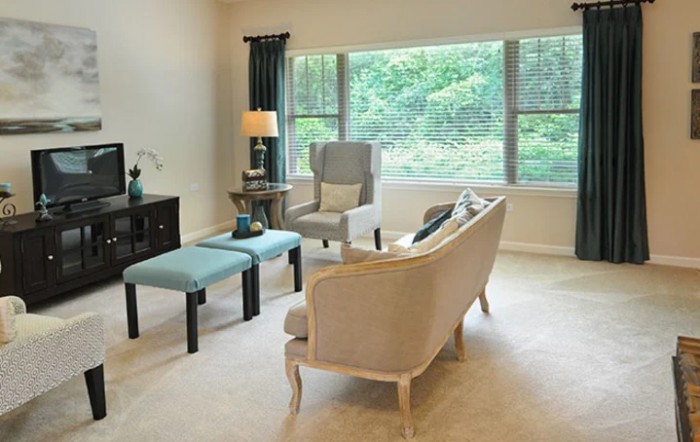
Residents at Assisi Healthcare Of Clare Oaks can enjoy various amenities that promote an active and engaging lifestyle. The community boasts a beauty salon where residents can get pampered, as well as a fully furnished dining room that offers restaurant-style meals prepared according to special dietary restrictions. A fitness room and wellness center cater to those looking to maintain their physical health, while a gaming room and small library provide opportunities for relaxation and entertainment.

In terms of transportation, Assisi Healthcare Of Clare Oaks goes above and beyond by offering community-operated transportation for both non-medical purposes and doctor's appointments. This makes it easy for residents to stay connected with the outside world or seek necessary medical attention. Additionally, move-in coordination services ensure that transitioning into the community is seamless and stress-free.

The surrounding area of Assisi Healthcare Of Clare Oaks also adds to its appeal. With cafes, parks, pharmacies, restaurants, transportation options, places of worship, and hospitals all conveniently nearby, residents have access to everything they need right at their doorstep.

Overall, Assisi Healthcare Of Clare Oaks provides an exceptional assisted living experience for its residents. From outstanding care services to numerous amenities and convenient location choices nearby, this community strives to create an environment where seniors can thrive physically, mentally, and socially.

Nearby Places of Interest

Parks

  • Bartlett Park (0.7 miles)
  • Winding Trails Basin (4 miles)
  • Mallard Lake County Forest Preserve (4 miles)
  • Goose Lake Park (4.9 miles)
  • Sheffield Park (5 miles)
  • Fabbrini Park (6.4 miles)
  • The Park (6.7 miles)

Pharmacies

  • CVS Pharmacy (0.7 miles)
  • Walgreens (1.3 miles)
  • Walgreens (1.6 miles)
  • Walgreens (2.7 miles)
  • Walgreens (2.8 miles)
  • Walmart Pharmacy (3.1 miles)
  • CVS Pharmacy (3.7 miles)

Restaurants

  • McDonald's (1.1 miles)
  • McDonald's (2.9 miles)
  • Portillo's Hot Dogs (3 miles)
  • Popeyes Louisiana Kitchen (3.1 miles)
  • Sonic Drive-In (3.3 miles)
  • McDonald's (3.5 miles)
  • Chick-Fil-A (3.5 miles)

Physicians

  • Barrington Orthopedics (1.2 miles)
  • Alexian Doctors Building 2 (5.1 miles)
  • Dr.Ehsan Family Practice (5.5 miles)
  • Next Generation Pediatrics (6 miles)
  • Tyler Medical Services (7.3 miles)
  • Ghani M T MD (8 miles)
  • Wheaton Eye Clinic (8.8 miles)

Cafes

  • Starbucks (1.9 miles)
  • Starbucks (3.2 miles)
  • Starbucks (8 miles)

Transportation

  • Metra (2.5 miles)
  • Metra (4.1 miles)

Places of Worship

  • Calvary Community Church (4.1 miles)
  • St John Neumann Catholic Church (6.4 miles)
  • St Hubert Church (6.5 miles)
  • Willow Creek Community Church (7.6 miles)
  • Harvest Bible Chapel (8.6 miles)

Hospitals

  • St Alexius Medical Center (4.9 miles)
  • Alexian Brothers Women and Children's Hospital (5.1 miles)
  • Ascension Alexian Brothers - Behavioral Health Hospital (5.2 miles)
  • AMITA Health Saint Joseph Hospital Elgin (7.2 miles)
  • Sherman Immediate Care (8.1 miles)
  • Central Dupage Hospital - Mother & Baby Pavilion (8.4 miles)
  • Central Dupage Hospital (8.5 miles)

Theaters

  • AMC South Barrington 24 (5.9 miles)
  • AMC Streets of Woodfield 20 (9 miles)

Frequently Asked Questions

Where is Assisi Healthcare Of Clare Oaks?
What photos are available for Assisi Healthcare Of Clare Oaks in Bartlett, Illinois?

Nearby Communities

  • The Oaks at Bartlett,  a CCRC

    The Oaks at Bartlett, a CCRC

    Bartlett, IL

    4.5 from 150 reviews
    $2,450 to $2,895 / month

    pro Friendly staff and a welcoming, activity-rich community.
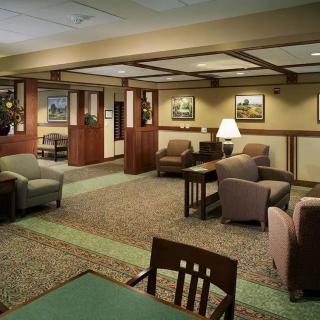
  • Clare Oaks

    Clare Oaks

    Bartlett, IL

    4.4 from 114 reviews
     

    pro Beautiful facility with attentive daytime staff, strong therapy services, and engaging activities.

  • Victory Centre Of Bartlett

    Victory Centre Of Bartlett

    Bartlett, IL

    3.9 from 69 reviews
    $4,950 to $6,045 / month

    pro Caring staff, clean environment, and engaging activities; pet-friendly.

  • Marklund Sayers Home

    Marklund Sayers Home

    Bartlett, IL


    pro Peaceful environment with convenient access to parks and dining options.

  • ComForCare Home Care

    ComForCare Home Care

    Streamwood, IL

    4.9 from 34 reviews
     

    pro Caring, well-matched caregivers with accommodating staff.

  • Artis Senior Living of Bartlett

    Artis Senior Living of Bartlett

    Bartlett, IL

    5 from 47 reviews
     

    pro Small, home-like memory care community with attentive staff and engaging daily activities.

  • Westbrook Senior Living

    Westbrook Senior Living

    Streamwood, IL

    4.6 from 101 reviews
    $2,720 to $4,280 / month

    pro Clean, welcoming atmosphere with attentive staff and a wide range of activities and care options.

  • Brookdale Hoffman Estates

    Brookdale Hoffman Estates

    Hoffman Estates, IL

    4.7 from 111 reviews
    $2,950 to $4,250 / month

    pro Caring staff, clean and safe environment, with engaging dining and activities.

  • Alden Poplar Creek

    Alden Poplar Creek

    Hoffman Estates, IL

    3.4 from 83 reviews
    $5,250 / month

    pro Helpful admissions staff and compassionate therapy team.

Related Resources

  • caregiver burnoutCaring for Those Who Care: Recognizing, Understanding, and Overcoming Caregiver Burnout

    Caregiver burnout is a common issue resulting from the intense physical, emotional, and mental demands of caregiving, leading to symptoms like fatigue and social withdrawal. To prevent burnout, caregivers should recognize early warning signs and implement self-care strategies, seek support, and prioritize their own well-being alongside that of those they care for.

  • caregiver burnoutCaregiver Exhaustion: Recognizing the Signs and Restoring Your Well-Being

    Caregiver exhaustion, or burnout, stems from the relentless demands of caregiving, leading to emotional and physical depletion characterized by stress, frustration, and neglect of personal needs. Addressing this burden is essential to prevent long-term consequences, with early recognition and support being crucial for caregivers to maintain balance and implement self-care.

  • what is hospice care at homeUnderstanding Hospice Care at Home: Comprehensive Services, Key Benefits, and Eligibility
    Hospice care at home provides specialized end-of-life support that focuses on comfort and dignity for individuals with life-limiting illnesses, offering a range of services including medical management, emotional and spiritual support, and logistical assistance tailored to the family's needs. It involves collaboration to create individualized care plans and extends to bereavement support after a loved one's passing.