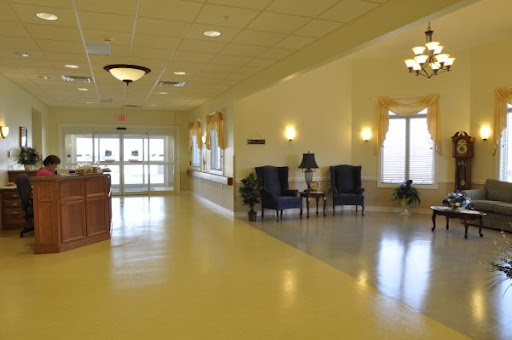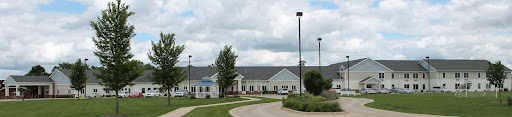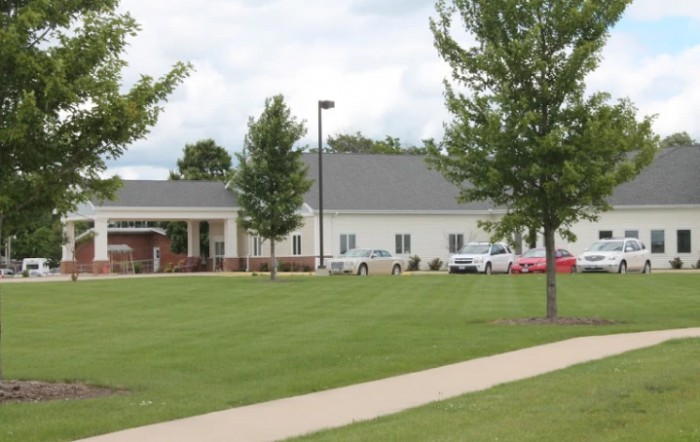

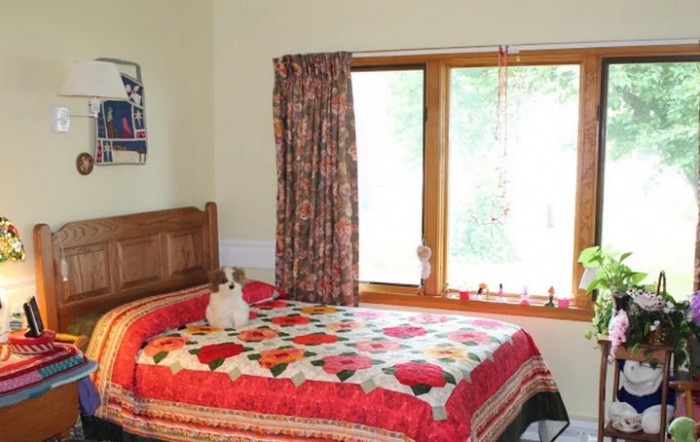
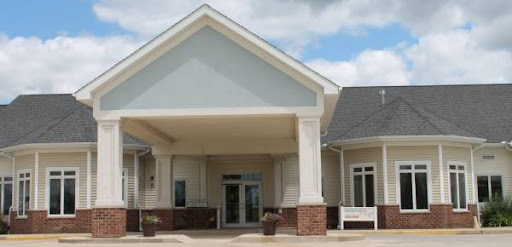

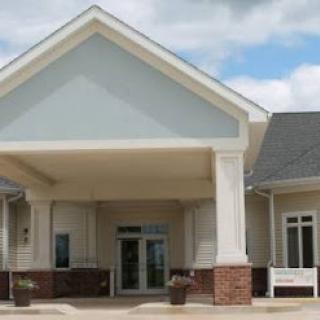
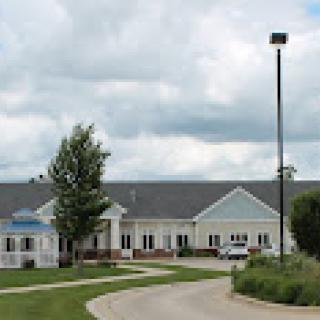
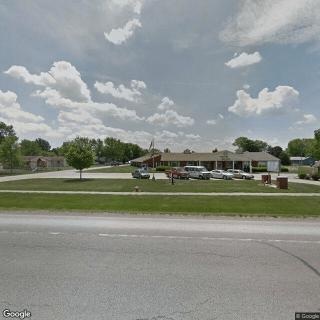
423 Eberhardt Drive, Arthur, IL 61911
For more information about senior living options: (866) 208-4318
Overall Review of Arthur Home
Pros
 The staff communicate easily and clearly, and the team at all levels is competent, kind, supportive, and attentive to residents' needs.
- There are a lot of good people there.
- The Arthur Home has a doctor on staff and arranges transportation to doctor appointments.
- The nurses are very kind and very helpful.
- The resident is very happy with The Arthur Home and hopes to return home in the new year.
- The stay at Arthur Home included activities like bingo and daytime TV, and the food was fine.
Cons
 Some staff members do not seem to care.
- The reviewer reports injuries, infections, and open wounds occurred during the stay.
- The reviewer would never recommend this place to anyone; the home is described as awful.
- The facility reportedly does not follow visitor guidelines, and its management is problematic.
- The director is described as unsuitable for a nursing home and mishandling of COVID guidelines is implied.
- There are other facilities that would be a better choice.
- The admission process was mishandled, with denials over chart errors, long delays, and poor communication, including not returning calls and Medicaid-related obstacles.
- The facility’s communication is poor, causing stress and financial burden on families.
- The reviewer ends with a strong negative judgment: shame on them.
Review
Arthur Home in Arthur, IL is best suited for seniors who need skilled nursing care and want real-time medical oversight, with families that are ready to stay engaged and advocate for smooth operations. The community shows capabilities in coordinating transport to doctor visits and maintaining on-site medical staff, which is a meaningful hedge for residents requiring regular professional attention. In a Champaign‑Urbana landscape that limits skilled-care options, Arthur Home stands out as a locally accessible option where nursing and medical personnel are present and reachable, giving families a practical pathway from hospital discharge toward long-term residence.
Those who should consider alternatives are the families that cannot tolerate irregular administrative performance or inconsistent leadership. Reviews reveal a clear split: some staff are genuinely caring and competent, while others appear disengaged, and management quality is a recurrent trigger for dissatisfaction. Notable criticisms center on leadership and policy adherence, with several voices noting missteps in admissions, poor responsiveness, and disputes over procedures. For families that prioritize flawless intake, predictable billing, and vigilant governance, these concerns suggest it may be prudent to compare other facilities that emphasize administrative reliability and stronger oversight.
The strongest positives center on compassionate front-line care and accessible medical support. Nursing assistants and nurses are repeatedly described as kind and helpful, and multiple accounts affirm that communication with staff is straightforward and substantive. The presence of a physician on site and the ability to secure transportation for appointments are tangible advantages, particularly for residents who require ongoing medical management and regular specialist visits. When staff at all levels collaborate well and respond to needs promptly, the day-to-day experience can feel attentive and person-centered, which is a meaningful offset to some of the facility’s more fragmented elements.
Yet the most consequential drawbacks are substantial and hard to ignore. There are credible reports of injuries and infections that raise safety concerns, underscoring variability in care quality. Management is repeatedly identified as the weak link, critics argue that a troubled leadership presence can color the entire operation, influencing how well policies are implemented and how information flows. Admissions and paperwork have triggered multiple upheavals, including denied placements, delayed moves, and inconsistent follow-through on critical timelines. Communication gaps, particularly with executive leadership, have caused families measurable stress at vulnerable moments, and private-pay costs remain a stark factor in the overall value proposition.
When weighing pros against cons, the medical supports and front-line caregiving can make Arthur Home a workable choice for families that are prepared to stay involved and press for accountability. The favorable elements are meaningful enough to sustain daily life for residents who need skilled oversight and regular clinician access, especially for those who prize practical transportation coordination. However, the administrative fragility and inconsistent leadership diminish the sense of certainty that many families expect from a long-term care decision. For those who must have nearly effortless admissions, rigorous governance, and consistently responsive management, exploring other options in the area is advisable.
In practical terms, Arthur Home should be on the short list for families who want skilled nursing with a capable clinical backbone and are prepared to actively monitor operations and advocate when needed. It is less suitable for families seeking a highly predictable administrative experience or a facility with uniformly flawless execution. Alternatives in the Champaign‑Urbana region, where more consistent admissions processes or steadier leadership may be available, are worth evaluating. A careful site visit, conversations with the nursing leadership, and direct questions about intake reliability, incident history, and overall governance will clarify where Arthur Home fits best and help families decide with confidence.
 53 resident community capacity
 Board and Care Home
 Skilled Nursing Facility
 Air-conditioning
 Beauty salon
 Cable or satellite TV
 Computer center
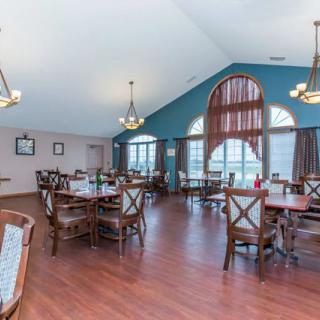
 Dining room
 Fitness room
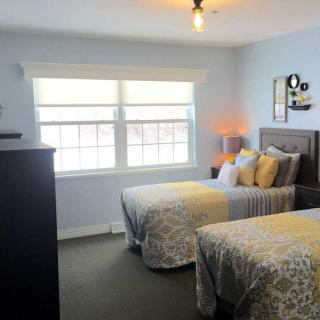
 Fully furnished
 Gaming room
 Garden
 Housekeeping services
 Kitchenette
 Move-in coordination
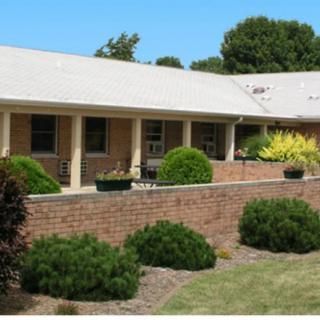
 Outdoor space
 Private bathrooms
 Restaurant-style dining
 Small library
 Telephone
 Wellness center
 Wi-Fi/high-speed internet available
 University of Illinois-Willard (25 miles away)
 Community operated transportation
 12-16 hour nursing
 24-hour call system
 Activities of daily living assistance
 Assistance with bathing
 Assistance with dressing
 Assistance with transfers
 Diabetes diet
 Medication management
 Mental wellness program
 Special dietary restrictions
 Concierge services
 Planned day trips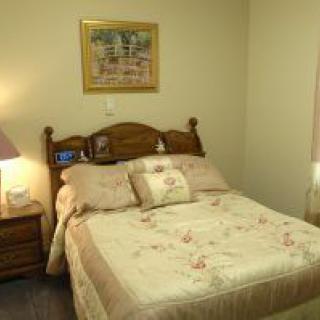




 A Closer Look at Private Pay Home Care
 Comprehensive Approaches for Arthritis: A Detailed Guide to Symptoms, Causes, and Care
 Comprehensive Insights and Practical Strategies to Help Older Adults Avoid Falls