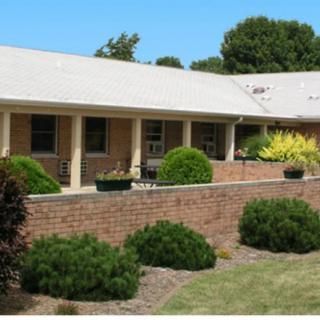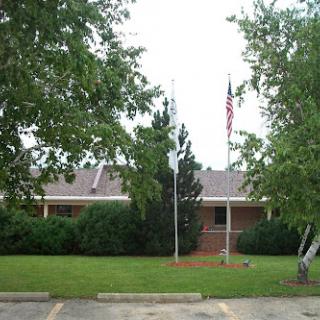
422 East Fourth Street, Arcola, IL 61910
For more information about senior living options: (866) 208-4318
Overall Review of Arcola Health Care Center
Pros
 The staff are kind.
- They really care and take great care of residents.
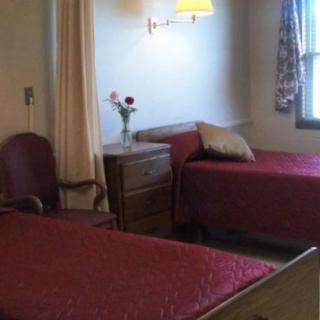
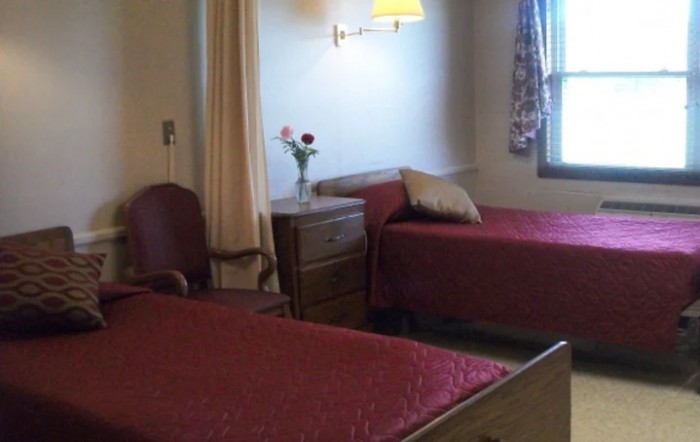
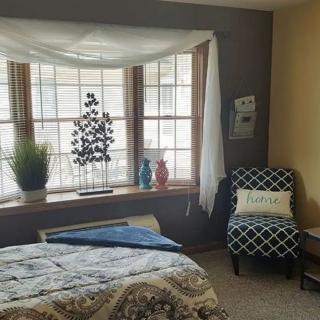
- The rooms are clean and residents receive attentive care.
- It is a very nice place with very nice people.
- The staff are very kind to residents, and residents feel safe there.
Cons
 The resident felt like a virtual prisoner due to the lack of staff to take them outside on nice days.
- The resident’s movements were very guarded.
- There was a lack of staff to take residents outside, which restricted their activities.
Review
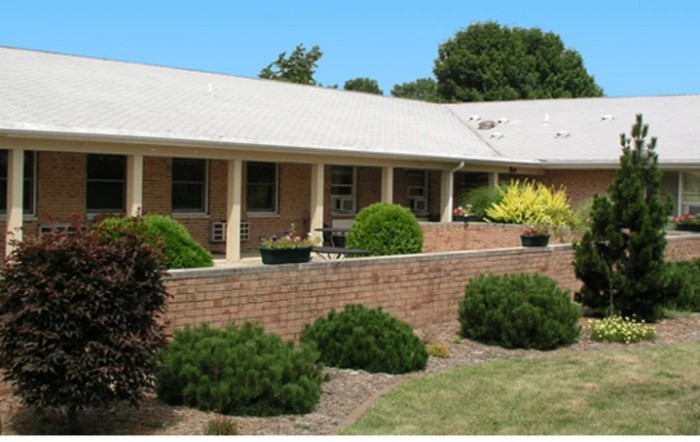
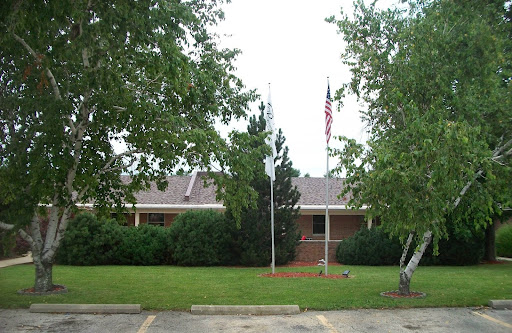
Arcola Health Care Center is best suited for families seeking a practical, caregiver-focused option in a small-town setting where staff consistently demonstrate care, rooms stay clean, and residents receive steady daily assistance. The center earns trust through its established emphasis on safety, predictable routines, and genuine warmth from the care team. For seniors who value reliable support and a sense of security over resort-like amenities, this community delivers a dependable home base. The psychiatric unit experience hinted by long-term residents also signals familiarity with more complex needs, underscoring a structured environment where boundaries and supervision are part of the care plan. This is the kind of place where consistent staff presence and a calm, orderly atmosphere matter most.
Those who should consider alternatives are families prioritizing independence, expansive outdoor time, and more expansive social programming. If a loved one’s priority is frequent, unstructured movement outside, or a highly active activity calendar with flexible outings, Arcola may feel too restrained. The most explicit caveat from long-time residents is the sense of being guarded or limited by staffing gaps that curtail outdoor access and spontaneous activity. For seniors who value freedom to roam, extensive autonomous time, or more robust recreational offerings, other communities with higher staff-to-resident ratios and more dynamic programming will likely better meet expectations.
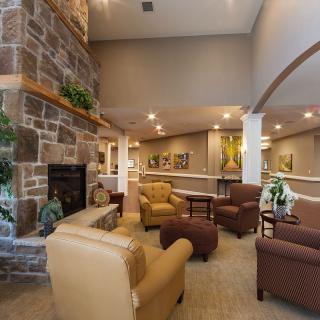
The strongest positives in this setting are the hands-on kindness of the staff, the evident care given to residents, and clean, well-maintained living spaces. These elements translate into reliable day-to-day comfort and a sense that a loved one is genuinely looked after. The safety net is visible: residents report feeling protected and well supervised, which is critical for families prioritizing protection and routine stability. When care teams are consistently attentive and the environment remains orderly, families can trust that basic needs, secondary to medical oversight, are met with dignity and respect. In short, the human touch shown by caregivers is the core value proposition here.
On the other hand, the main drawbacks center on staffing constraints that limit mobility and outdoor time, and the accompanying sense of restricted freedom. A long-tenured resident’s account underscores a paradox: warmth and safety exist alongside regimentation and limited resident-led activities. These conditions are not about neglect but about capacity, when staff are stretched, opportunities for outdoor excursions and spontaneous social interactions shrink. For families, this means a trade-off: the comfort of reliable care comes with less latitude for unstructured moments and broader engagement beyond the unit. The question becomes whether the resident’s need for independence can be balanced within these operational realities.
For families evaluating options, concrete steps matter. Ask about current staffing levels on the resident’s floor or unit and what a typical day looks like in terms of activities, outdoor time, and social opportunities. Inquire how mobility and autonomy are managed for residents who are medically stable but desire more movement. Request examples of how staff promote safety while encouraging participation in meaningful activities. Consider the fit of this center against those who prioritize a rich, varied daily schedule and greater resident-led initiative. Location, transportation access, and the ease of visiting also weigh heavily in practical decision-making.
Ultimately, Arcola Health Care Center offers a solid, dependable home for seniors who prize compassionate staffing, clean and comfortable surroundings, and a secure, structured routine. It is less suited for families seeking high levels of resident independence, expansive outdoor access, or a bustling activity program. For those who can accept a careful balance of care and confinement, the center represents a prudent, trustworthy option with clear strengths in staff warmth and safety. Where freedom and Program breadth trump safety and steadiness, families should look to alternatives with more robust autonomy and activity offerings.
 100 resident community capacity
 Skilled Nursing Facility
 Air-conditioning
 Beauty salon
 Cable or satellite TV
 Computer center
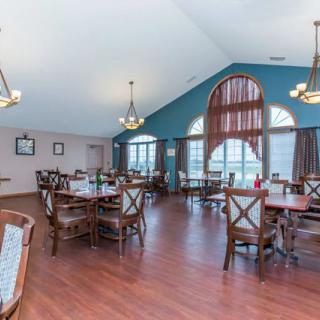
 Dining room
 Fitness room
 Fully furnished
 Gaming room
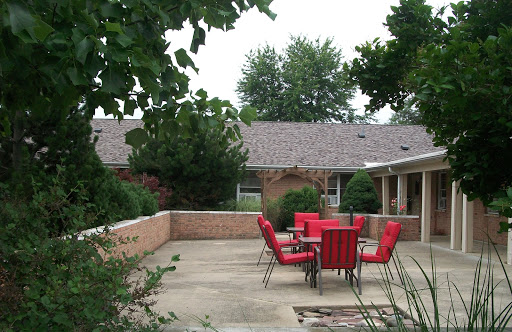
 Garden
 Housekeeping services
 Kitchenette
 Move-in coordination
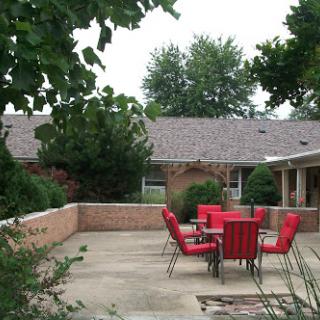
 Outdoor space
 Private bathrooms
 Restaurant-style dining
 Small library
 Telephone
 Wellness center
 Wi-Fi/high-speed internet available
 Community operated transportation
 12-16 hour nursing
 24-hour call system
 Activities of daily living assistance
 Assistance with bathing
 Assistance with dressing
 Assistance with transfers
 Diabetes diet
 Medication management
 Mental wellness program
 Special dietary restrictions
 Concierge services
 Planned day trips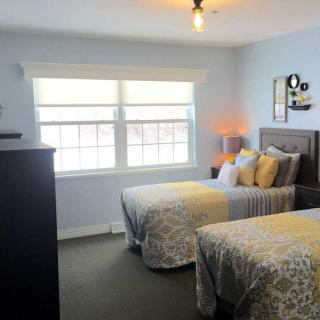

 Understanding the Nuances of Palliative Care and Hospice: A Comprehensive Exploration
 Is In-Home Healthcare Tax Deductible? Your Comprehensive Guide
 Nurturing Well-Being Through Gardening: A Detailed Guide for Senior Enthusiasts