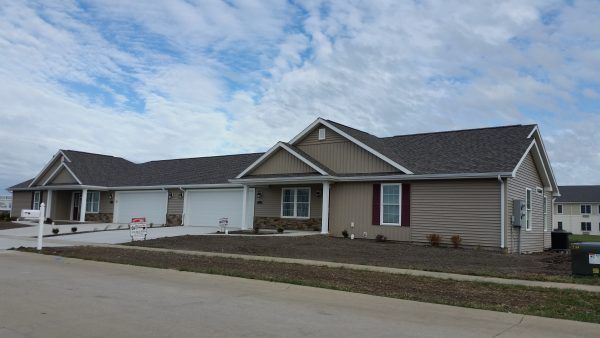



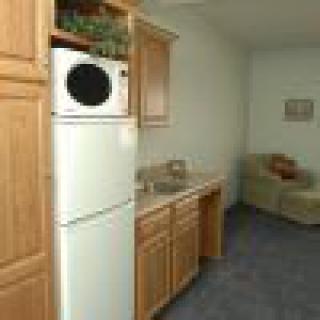
431 West Palmer, Arthur, IL 61911
For more information about senior living options: (866) 208-4318
Eberhardt Village Costs & Pricing
Eberhardt Village presents a competitive pricing structure for housing when compared to Moultrie County and the broader context of Illinois. For instance, the cost of a studio apartment at Eberhardt Village is $2,400 per month, which not only undercuts the county average of $3,317 but also offers significant savings compared to the state average of $4,028. Similarly, the one-bedroom units are priced at $2,900 - again more affordable than both Moultrie County's price of $3,300 and Illinois' average of $3,527. Even in the case of two-bedroom apartments, Eberhardt Village maintains its competitive edge with a monthly rate of $3,600 that aligns with Moultrie County's pricing while remaining lower than the state's average of $4,208. Overall, Eberhardt Village stands out as an attractive option for residents seeking quality housing at more accessible rates relative to both local and state benchmarks.
| Floor plans | Eberhardt Village | Moultrie County | Illinois |
|---|---|---|---|
| Studio | $2,400 | $3,317 | $4,028 |
| 1 Bedroom | $2,900 | $3,300 | $3,527 |
| 2 Bedrooms | $3,600 | $3,600 | $4,208 |
Overall Review of Eberhardt Village
Pros
 The staff is super nice and very helpful.
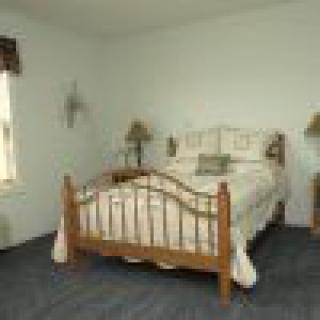
- The room sizes are good.
- The staff create a warm family atmosphere.
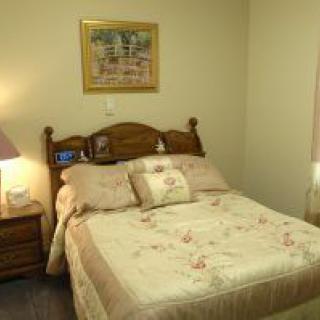
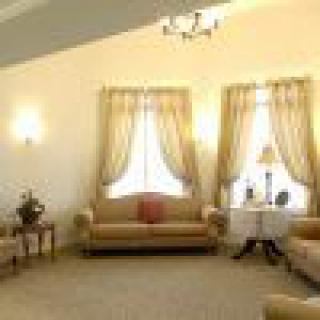
- Eberhardt Village is a very nice facility, with caring staff and a clean, beautiful environment.
- It is a pleasant place to be and not a depressing place at all.
- Decorations are seasonal for holidays, creating a welcoming ambience.
- Residents participate in planned activities like bingo and handbell ringing, with staff assistance.
Cons
 The new owner is accused of stealing $1,000 from them.
- They claim the owner lied about how many times he snow plowed and was trying to scam them.
- They advise others not to do business with the owner and to get everything in writing.
- The nursing home is described as a fairly depressing place with the usual smell.
- There is no pool at the facility, and indoor tours are not possible due to COVID.
Review
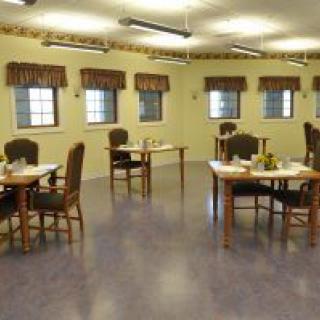
Eberhardt Village in Arthur, Illinois, is best suited for families seeking a small, homelike setting with memory-care orientation, where residents live in private apartments and receive steady, personable attention from a stable caregiving staff. The atmosphere feels like a family-run operation: staff who remember residents and visiting family by name, spaces that are seasonally decorated, and a strong emphasis on cleanliness and hominess. It’s well-matched for those who want regular, meaningful interactions with caregivers, and for loved ones who value easy in-person visits in a town-friendly environment. The arrangement shines when independence is still important but steady supervision and a reassuring routine are prized, delivering a balance between privacy and support that can reduce the stress of aging at home.
Certain realities warrant careful consideration, and some families may want to explore alternatives. A standout caveat is a red flag raised by concerns about ownership stability and financial handling, highlighted by a troubling report about a recent owner taking money and promising to document agreements. That level of risk is unacceptable for many, so prospective residents should demand clear written contracts, transparent financial controls, and consistent governance before moving forward. Additionally, for households seeking a broader activity calendar or more steps-forward programming for highly mobile residents, the facility’s offerings may feel limited. Those who want a larger campus with more on-site amenities or a more expansive recreational pipeline will likely find other options more satisfying.
The strongest positives here are tangible and meaningful: staff warmth, a genuine sense of community, and rooms that allow private living space without sacrificing accessibility. Reviewers describe the staff as exceptionally nice, helpful, and invested in residents’ well-being, creating a welcoming, low-stress daily rhythm. The home-like atmosphere extends to the familiarity between caregivers and families, with staff who know residents’ histories and preferences, which helps reduce confusion and anxiety for memory-care residents. The facility’s cleanliness and overall upkeep reinforce trust that daily care is consistent. Meals are delivered on time and tailored to individual needs, which matters for memory-care residents who rely on routine; while flavor may vary by palate, the structured approach to nutrition supports stability and health.
Additional practical strengths include private apartments that preserve autonomy and an accessible town setting that makes visits straightforward for family members. The arrangement of common spaces and the informal gathering areas supports social interaction without forcing residents into crowded activities. Seasonal decor and informal opportunities to engage, like bingo and handbell activities, signal a willingness to include residents with limited eyesight or mobility, helping to sustain a sense of normalcy and belonging. In this memory-care environment, staff involvement often extends beyond direct care, with caregivers creating rapport that can translate into a more reassuring caregiving partnership for families who want to be actively involved.
From a decision-maker’s standpoint, the community serves as a solid match for families prioritizing warmth, stability in daily routines, and a homey feel over a clinical or glossy, larger-campus experience. It’s particularly well-suited for residents who prefer private space and a friendly, easily navigable setting that supports frequent visits and ongoing connection with loved ones. It’s less ideal for those who require a more expansive array of activities, a robust pool of on-site amenities, or rock-solid assurances about governance unrelated to day-to-day caregiving. For households with concerns about ownership transitions or possible financial disputes, detailed due diligence is essential, including written contracts, a clear explanation of fees, and a frank discussion about governance practices before any commitment.
In the end, Eberhardt Village delivers a candid, practical value proposition: a clean, caring, intimate environment where staff know residents well, family visits feel natural, and daily life centers on predictable routines that support independence within a supportive framework. The most consequential trade-off lies in governance and the breadth of programming. Families who prize authentic human connection, a calm, home-like milieu, and straightforward access to loved ones will find this community compelling, provided they perform thorough due diligence and insist on clear, documented arrangements. For those needing a larger, more modern campus with extensive activities and ironclad governance, exploring other options remains a prudent course.
 37 resident community capacity
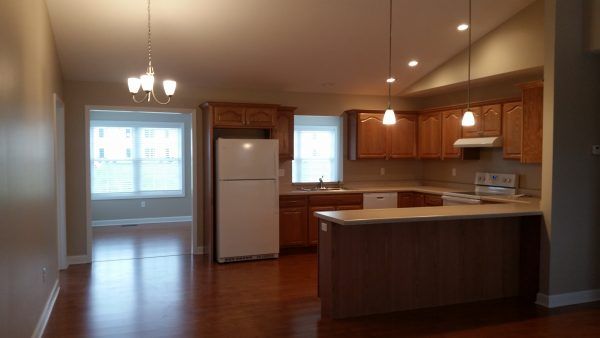
 1-bedroom apartments
 Assisted Living
 Independent Living
 Skilled Nursing Facility
 Activities on-site
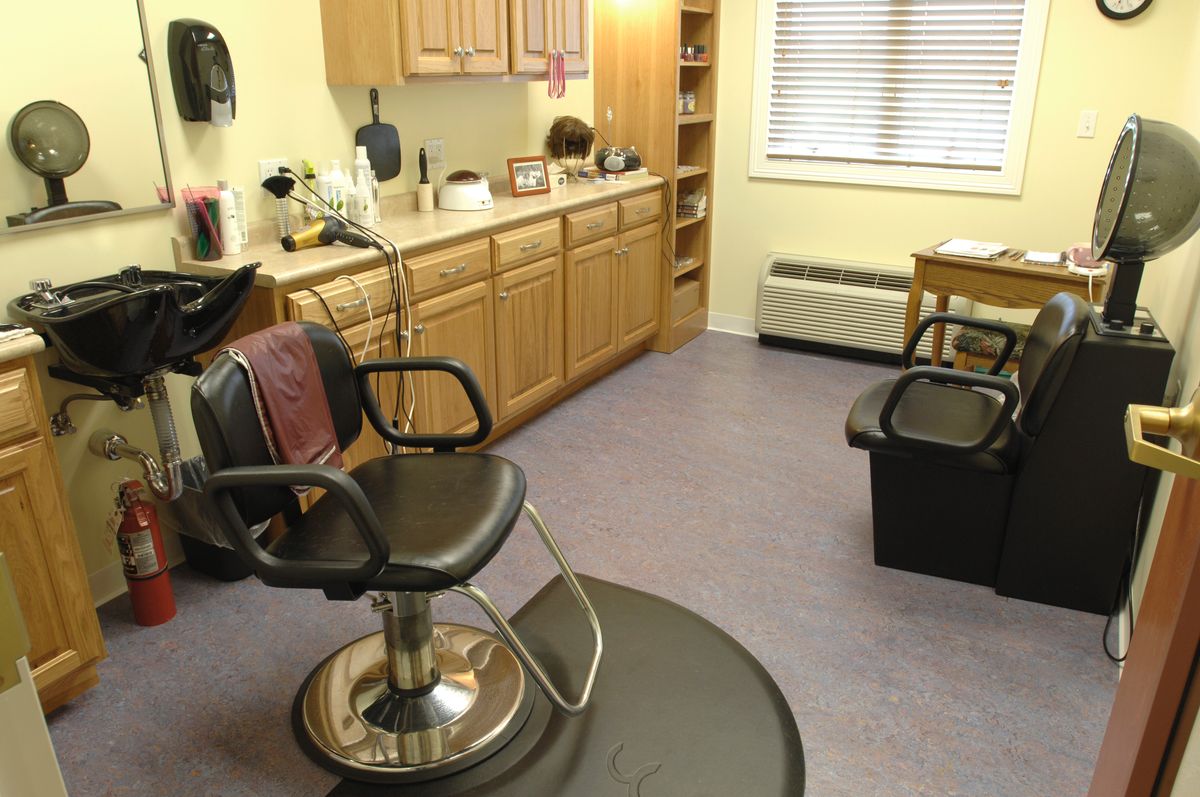
 Beautician on-site
 Cable or satellite TV
 Devotional services off-site
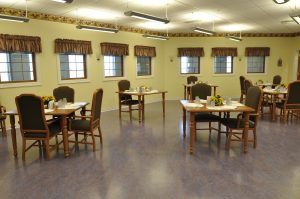
 Dining room
 Financial aid
 Fully furnished
 Garden
 Housekeeping services
 Indoor common areas
 Kitchenette
 Laundry
 Move-in coordination
 Outdoor space
 Restaurant-style dining
 Small library
 Spa
Spa Telephone
 Wi-Fi/high-speed internet available
 Transportation & parking
 24-hour call system
 Ambulatory care
 Assistance with bathing
 Assistance with dressing
 Assistance with transfers
 Diabetes diet
 Diabetic care
 High acuity care
 Hospice care
 Medication management
 Mental wellness program
 Physical therapy
 Special dietary restrictions
 Walking wheelchair assistance
 English


 Comprehensive Supportive Living Arrangements for Adults with Disabilities
 Funding and Affording Assisted Living: A Thorough Overview
 Assisted Living Expenses and Long-Term Care Insurance: A Comprehensive Exploration