Franklin County Transitional Care

Save

  • Interior

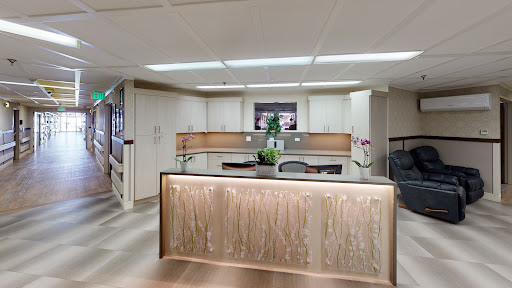
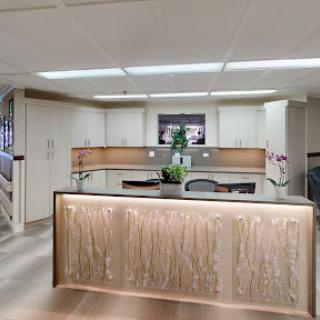
    A stylish and modern office reception area with elegant design elements.
  • Decor

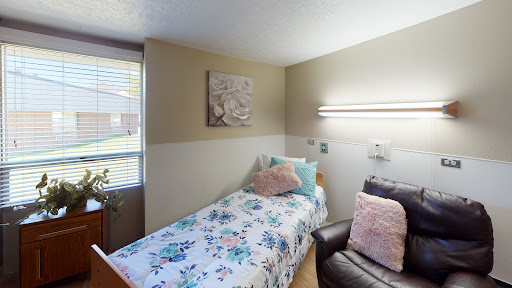
    A cozy bedroom featuring a single bed with floral bedding, a comfortable chair, and soft lighting.
  • Living Room

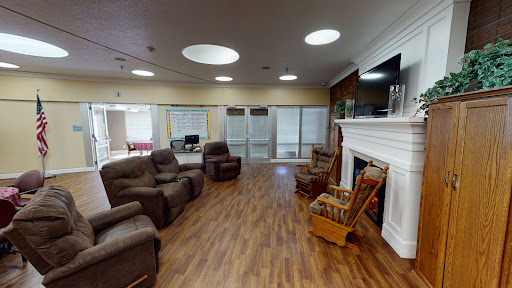
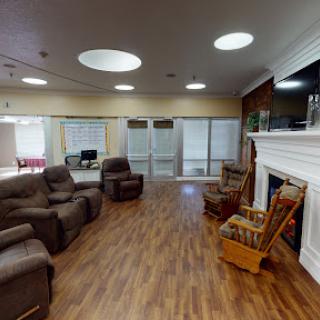
    A cozy living room featuring recliner chairs and a stylish fireplace.
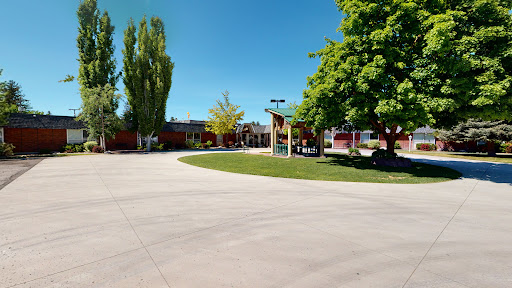
  • Landscaping

    A sunny day at a school playground, featuring lush green trees and an inviting open space.
  • Bathroom

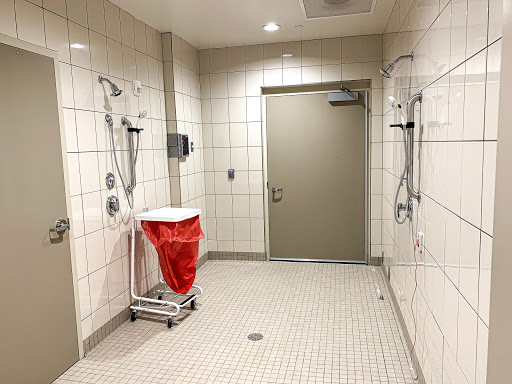
    A spacious and modern bathroom featuring shower facilities and a waste disposal bin.
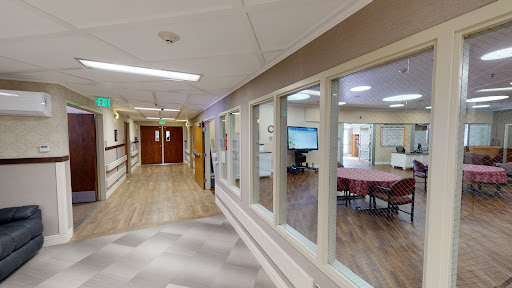
  • Hallway

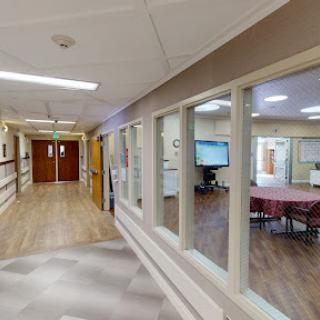
    A well-lit corridor in a healthcare facility featuring glass walls and a modern design.
  • Healthcare

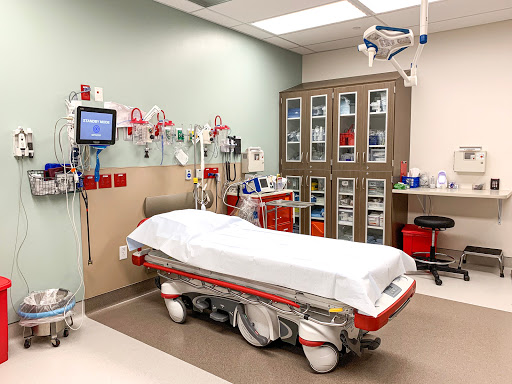
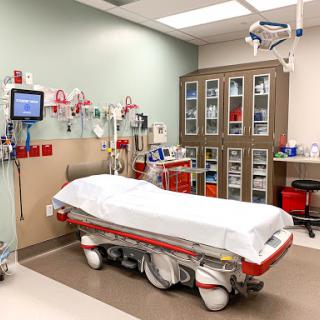
    A view of a well-equipped emergency room featuring a patient bed and medical supplies.

Franklin County Transitional Care

44 North 100 East, Preston, ID 83263

For more information about senior living options: (844) 490-3973

4.6 from 100 reviews
5 stars
82
4 stars
8
3 stars
2
2 stars
1
1 stars
7

Skilled Nursing Facility

Overall Review of Franklin County Transitional Care

Pros

  • pro The staff at Franklin County Medical Center are professional and courteous.
  • pro Ambulance drivers, fire department staff, and nurses were professional and great with the patient's daughter.
  • pro Amy and her nurse are absolutely fantastic.
  • pro The nursing staff are amazing and very kind, and they even gave kids stuffed animals and Popsicles.
  • pro The care provided was the best I have ever had.
  • pro Dr. Hicken has wonderful bedside manner and genuinely cares.
  • pro Anesthesiologist John Kezele was thorough, comforting, and made the IV experience painless.
  • pro The surgery went great, and postoperative rehabilitation helped the patient walk.
  • pro The facility feels welcoming with a country-style atmosphere; the staff are friendly and professional.
  • pro Amy Pabawen at Willow Valley makes patients feel comfortable, shows empathy, and communicates clearly.

Cons

  • pro The reviewer notes that Franklin County Medical Center had only one phone number online, which did not work, and the fax numbers also did not work.
  • pro They felt the nursing staff did not check on them after birth and told them they were fine and overreacting.
  • pro An emergency department doctor's assistant was described as rude, arriving nearly three hours late and showing anger and a lack of empathy.
  • pro The billing department is described as a complete nightmare, with overcharging and bills arriving eight months later.
  • pro They were sent to a collection agency (MRS) and charged over $1,000 in legal fees for a $200 bill.
  • pro They allege that Franklin sells bad debt to scammers, implying fraudulent practices.
  • pro They characterize the hospital as the worst they have ever dealt with and say they would not recommend it.
  • pro They were unhappy about being billed by two hospitals (Franklin and Logan) and about the overall billing and follow-up.

Review

Franklin County Medical Center in Preston, Idaho comes through in a way that reflects its small-town, community-rooted identity. Across a broad range of voices, the hospital is described as a place where the staff are overwhelmingly professional, courteous, and genuinely caring. Several reviewers highlight a "country feel" and the sense that you're not just another patient, but a person being looked after by people who seem to know you and your family. The nursing teams, in particular, are repeatedly praised for their kindness, attentiveness, and empathy, with comments about nurses who go the extra mile to comfort patients and even to bring small joys to kids - like stuffed animals and popsicles during a visit. The overall tone is consistently warm and supportive, and many patients feel well cared for from admission through discharge.

Ambulance crews and emergency staff also receive praise for their professionalism and the calm, capable way they handle crises. Several accounts describe positive, reassuring experiences with the broader emergency response chain, including the hospital's capacity to cooperate with pre-hospital providers. Within the hospital, specific staff members are singled out for exceptional care. One patient lauds Amy and her nurse as being absolutely fantastic, and many others echo the sentiment that the entire nursing team is an important strength of the center. Comments about doctors and other clinicians frequently emphasize their kindness, listening abilities, and the sense that the care team works as an integrated, family-like unit.

There are, however, notable contrasts in the narratives. A particularly vivid account describes a delivery experience in which the reviewer felt that nurses did not adequately check on her after giving birth, and that her reported symptoms were dismissed as overreactions. That review cautions that such moments can be life-threatening, underscoring that while the hospital is often praised for its compassionate care, there are serious concerns about postnatal vigilance and responsiveness in some situations. The same tension appears in broader comments about the hospital's performance in urgent or high-stress moments: some patients feel heard, reassured, and supported, while others describe gaps that left them worried or frustrated.

Surgical care, especially, emerges as a standout for several patients. A long, highly detailed account recounts a full hip replacement that went smoothly from intake to post-operative recovery. The reviewer highlights Bryan Alger's kind and thorough intake, Dr. Hicken's bedside manner, and the anesthesiologist John Kezele's careful preparation and communication. The anecdote includes specific moments - the anesthesiologist's calm explanations, the "two cold beers" cocktail to ease anxiety, and the comforting presence of a nearby operating room assistant - that together convey a sense of patient-centered, meticulous care. The post-surgery phase is described as miraculous, with physical therapy helping the patient regain mobility quickly and with a clear sense of gratitude for the entire medical team. It's a story that reinforces the hospital's capacity for high-quality surgical outcomes delivered in a supportive, personal way.

Billing and collections represent another facet of the patient experience that features strong opinions, both positive and negative. Some reviewers speak highly of the billing department, describing them as helpful and cooperative. In contrast, a later account details a troubling debt-collection episode, in which the patient alleges being charged excessive legal fees for a small bill and accuses the collection entity of fraudulent behavior. The reader is urged to seek further information and to share experiences, suggesting that for some patients, financial interactions with the hospital are a significant source of stress and distrust. The juxtaposition of praise for frontline care with criticism of administrative and financial practices highlights a recurring theme: the hospital may deliver exceptional clinical care while facing challenges in its business operations that affect patients' overall experience.

Another recurring thread is the sense of community and the way the hospital positions itself as a smaller, more personal alternative to larger urban institutions. Multiple reviews emphasize the family atmosphere, the approachable demeanor of doctors and staff, and the feeling that "this will always be my first choice" for medical needs. Yet there are also candid notes of frustration about responsiveness and communication, including comments about a doctor's assistant who appeared rude and a general call for better access to contact information, including a single, reliable phone number and working fax lines. These critiques suggest that while the clinical side of Franklin County Medical Center often shines, administrative and communication systems could benefit from ongoing attention.

In sum, the stories present Franklin County Medical Center as a hospital with a strong, heartfelt commitment to patient care. The care teams - nurses, physicians, and support staff - are frequently described as compassionate, attentive, and capable in both routine and high-stakes situations. The hospital's intimate, community-oriented culture is repeatedly celebrated, giving patients a sense of belonging and trust. At the same time, the reviews do not shy away from exposing real frustrations: gaps in postnatal care, inconsistencies in accessibility and communication, and the contentious nature of some billing and debt-collection experiences. Taken together, the collection of voices paints a picture of a valued community institution that delivers exceptional clinical care and a warm, human touch, while also facing administrative hurdles that some patients find difficult to navigate.

Features

Housing

  • 35 resident community capacity 35 resident community capacity

Types of Care

  • Skilled Nursing Facility Skilled Nursing FacilitySkilled Nursing Facilities are crucial for seniors as they provide round-the-clock medical care, rehabilitation services, and assistance with daily activities. These facilities ensure that seniors receive the specialized care they need to maintain their health and well-being as they age.

Amenities

  • Beauty salon Beauty salonBeauty salons are important for seniors because they provide a space for them to feel pampered, socialize, and maintain their personal grooming and hygiene. Regular visits to a beauty salon can help boost seniors' self-esteem and overall well-being.
  • Cable or satellite TV Cable or satellite TVCable or satellite TV is important for seniors because it provides entertainment, news, and companionship, helping to combat loneliness and boredom. It also offers a wide range of programming options tailored to different interests and preferences.
  • Dining room Dining roomDining rooms are important for seniors as they provide a space for socialization, connection, and nutritious meals. They offer opportunities for residents to bond over shared meals, foster a sense of community, and promote healthy eating habits. Dining rooms also ensure that seniors have access to well-balanced meals tailored to their dietary needs and preferences.
  • Fully furnished Fully furnishedFully furnished senior living communities are important for seniors because they provide convenience, comfort, and a hassle-free moving experience. Seniors can easily settle into their new living space without the stress of having to buy and move furniture. This allows them to focus on enjoying their new home and community.
  • Garden GardenGardens are important for seniors as they provide a peaceful and therapeutic environment for relaxation, physical activity, and socialization. Being in nature has been shown to reduce stress, improve mood, and promote overall well-being. Gardens also offer opportunities for seniors to engage in gardening activities, which can improve mobility, flexibility, and cognitive function. Additionally, gardens create a sense of community and connection with others who share a passion for plants and outdoor spaces.
  • Housekeeping services Housekeeping servicesHousekeeping services are important for seniors because they help maintain a clean and safe living environment, promote independence, and reduce the risk of accidents or illnesses. Additionally, having assistance with household chores can alleviate physical strain and allow seniors to focus on other aspects of their well-being.
  • Kitchenette KitchenetteKitchenettes are important for seniors living in senior living communities because they provide the convenience and independence of being able to prepare simple meals and snacks in the comfort of their own living space. This can help promote a sense of autonomy and well-being for seniors, allowing them to maintain some level of control over their dietary choices and daily routines.
  • Move-in coordination Move-in coordinationMove-in coordination is important for seniors because it helps ease the transition into their new living environment. It ensures that all logistics, such as packing, organizing movers, and setting up utilities are taken care of, allowing seniors to focus on settling in and adjusting to their new home. Having a smooth move-in process can alleviate stress and anxiety, making the transition smoother and more enjoyable for seniors.
  • Outdoor space Outdoor spaceOutdoor spaces are important for seniors as they provide opportunities for physical activity, social interaction, exposure to natural light and fresh air, and a sense of connection to nature. Having access to outdoor spaces can improve overall well-being and quality of life for older adults living in senior communities.
  • Restaurant-style dining Restaurant-style diningRestaurant-style dining is important for seniors because it allows them to enjoy delicious, nutritious meals in a social and upscale setting. This enhances their dining experience, promotes healthy eating habits, and fosters socialization with fellow residents, ultimately contributing to their overall well-being and quality of life.
  • Small library Small librarySmall libraries are important for seniors as they provide access to a variety of reading materials, including books, newspapers, and magazines. This can help stimulate their minds, keep them engaged, and provide a sense of community through book clubs and other social activities. Additionally, reading has been shown to improve cognitive function and overall mental well-being in older adults.
  • Telephone TelephoneTelephones are important for seniors as they provide a lifeline for communication with loved ones, emergency services, and healthcare providers. They offer a sense of security and independence, enabling seniors to stay connected and access assistance when needed.
  • Wi-Fi/high-speed internet available Wi-Fi/high-speed internet availableWi-Fi/high-speed internet is important for seniors to stay connected with loved ones, access online resources, and participate in virtual activities to combat feelings of loneliness and isolation. It also allows them to easily manage healthcare needs, access entertainment, and engage in lifelong learning opportunities.

Care Services

  • 24-hour call system 24-hour call system24-hour call systems are important for seniors because they provide peace of mind and immediate assistance in case of emergencies. This technology ensures that help is always available, promoting safety and security for elderly individuals living alone or in assisted living facilities.
  • 24-hour supervision 24-hour supervision24-hour supervision is important for seniors to ensure their safety, well-being, and access to immediate assistance in case of emergencies or health issues. This constant support provides peace of mind for both seniors and their loved ones, allowing them to age in place with dignity and security.
  • Activities of daily living assistance Activities of daily living assistanceActivities of daily living assistance are important for seniors because they provide essential support with tasks such as eating, bathing, dressing, and mobility. This assistance helps seniors maintain their independence, dignity, and overall quality of life as they age.
  • Assistance with bathing Assistance with bathingAssistance with bathing is crucial for seniors as it helps maintain personal hygiene, prevents infections, and ensures their overall well-being and comfort. It also provides a sense of dignity and independence for seniors who may struggle with this task on their own.
  • Assistance with dressing Assistance with dressingAssistance with dressing is important for seniors because it helps maintain their independence, promotes personal hygiene, prevents accidents and injuries, and improves overall quality of life. This service ensures that seniors can continue to dress comfortably and confidently, despite any physical limitations they may have.
  • Assistance with transfers Assistance with transfersAssistance with transfers is crucial for seniors as it helps prevent falls and injuries, maintains their independence, and ensures they can safely navigate their living environment. It also provides peace of mind for both seniors and their loved ones.
  • Diabetes diet Diabetes dietA diabetes diet is crucial for seniors as it helps manage blood sugar levels, reduce risks of complications, and improve overall health and well-being. By following a balanced and nutritious diet tailored to their specific needs, seniors can better control their diabetes and enhance their quality of life.
  • Meal preparation and service Meal preparation and serviceMeal preparation and service are crucial for seniors as they may have limited mobility or energy to cook nutritious meals. Having access to healthy and convenient food options can ensure they are getting the proper nutrition needed to maintain their overall health and well-being.
  • Medication management Medication managementMedication management is crucial for seniors to ensure they are taking the right medications at the correct dosages and times. This helps prevent adverse drug interactions, reduces the risk of medication errors, and promotes overall health and well-being. Proactive management also allows for adjustments as needed based on changing health conditions or new prescriptions.
  • Mental wellness program Mental wellness programMental wellness programs are essential for seniors as they promote cognitive stimulation, emotional support, and social engagement. These programs help prevent isolation, depression, and cognitive decline, ultimately enhancing the overall quality of life for older adults.
  • Special dietary restrictions Special dietary restrictionsSpecial dietary restrictions are important for seniors because age-related changes in metabolism and health conditions can make it difficult for their bodies to process certain foods. By following a diet tailored to their specific needs, seniors can maintain their overall health and well-being, manage chronic conditions, and reduce the risk of complications such as malnutrition or food interactions with medications.
Dining

  • Diabetes diet Diabetes dietA diabetes diet is crucial for seniors as it helps manage blood sugar levels, reduce risks of complications, and improve overall health and well-being. By following a balanced and nutritious diet tailored to their specific needs, seniors can better control their diabetes and enhance their quality of life.
  • Special dietary restrictions Special dietary restrictionsSpecial dietary restrictions are important for seniors because age-related changes in metabolism and health conditions can make it difficult for their bodies to process certain foods. By following a diet tailored to their specific needs, seniors can maintain their overall health and well-being, manage chronic conditions, and reduce the risk of complications such as malnutrition or food interactions with medications.

Activities

  • Community-sponsored activities Community-sponsored activitiesCommunity-sponsored activities are important for seniors as they provide opportunities for social interaction, mental stimulation, and physical activity. These activities can help improve overall well-being, combat loneliness and isolation, and promote a sense of belonging and purpose among older adults.
  • Resident-run activities Resident-run activitiesResident-run activities are important for seniors as they encourage social interaction, creativity, and a sense of autonomy. These activities empower seniors to stay engaged and active in their community while fostering meaningful connections with their peers.
  • Scheduled daily activities Scheduled daily activitiesScheduled daily activities are important for seniors because they provide structure, socialization, mental stimulation, and physical activity. Engaging in regular activities can improve overall well-being and quality of life for seniors living in a community setting.

Description

The Franklin County Transitional Care in Preston, ID is a comprehensive assisted living community that provides a wide range of amenities and care services for its residents. The community offers fully furnished accommodations with cable or satellite TV, Wi-Fi/high-speed internet, and telephone services. Residents can enjoy the well-maintained outdoor spaces including a garden, as well as the convenience of move-in coordination.

For dining, residents have access to a dining room where they can enjoy restaurant-style meals prepared and served by the professional staff. Special dietary restrictions are also accommodated.

The care services provided at Franklin County Transitional Care ensure that residents receive 24-hour supervision and assistance with activities of daily living such as bathing, dressing, and transfers. The dedicated staff also helps manage medications and provides diabetes diets for those who require it. Mental wellness programs are available to support the emotional well-being of the residents.

Residents can engage in various activities organized by the community or participate in resident-run activities. In addition, there are nearby cafes, parks, pharmacies, physicians' offices, restaurants, transportation options, places of worship, and theaters for residents to explore and enjoy.

Franklin County Transitional Care offers a welcoming and comfortable environment where seniors can receive personalized care while maintaining their independence and engaging in meaningful activities.

Nearby Places of Interest

Places of Worship

  • Preston Congregation-Jehovahs (0.4 miles)
  • Church of Jesus Christ of Latter Day Saints (1 miles)
  • Community Presbyterian Church (1.2 miles)
  • Church of Jesus Christ of Latter Day Saints (1.3 miles)
  • St Peter Catholic Church (1.5 miles)
  • Preston Idaho LDS Seminary (1.6 miles)
  • Church of Jesus Christ of Latter Day Saints (3.1 miles)

Restaurants

  • Burger King (0.4 miles)
  • Big J Burgers (1.1 miles)
  • Chester Fried Chicken (1.2 miles)
  • Lupita’s Resturant (1.5 miles)
  • El Tapatio Restaurante (1.6 miles)
  • Subway (1.6 miles)
  • Wendy's (1.6 miles)

Parks

  • Preston City Park (1.1 miles)
  • Benson Park (1.4 miles)
  • Lewiston Rodeo Grounds (9.8 miles)
  • Red Rock Pass Swanlake (15.1 miles)
  • Library Park (19.8 miles)
  • Malad City Park (19.8 miles)
  • Meadow View Park (23.3 miles)

Physicians

  • Jacob Kimball Curtis (1.4 miles)
  • Kottsick Summer - Willow Valley Family Medicine (1.4 miles)
  • Parkway Foot And Ankle (1.5 miles)
  • Smithfield Clinic (19.9 miles)
  • North Cache Valley Clinic (21.5 miles)
  • Avanced Spinal Authority Of Northern Utah (21.7 miles)
  • Logan Oral Surgery (22.8 miles)

Cafes

  • Rhemas Coffee Shop (1.5 miles)
  • Rae's Bake Shoppe & Cafe (1.5 miles)

Theaters

  • Worm Creek Opera House (1.5 miles)
  • Movies 5 (23.6 miles)

Transportation

  • U-Haul Neighborhood Dealer (1.7 miles)
  • U-Haul Neighborhood Dealer (2 miles)
  • Wild River Taxidermy (18.2 miles)
  • U-Haul Neighborhood Dealer (19.7 miles)
  • U-Haul Neighborhood Dealer (19.7 miles)
  • Harrisair (22.8 miles)
  • Logan-Cache Airport (LGU) (23.1 miles)

Pharmacies

  • Larry's Family Pharmacy (1.8 miles)
  • Key-Lix (20.1 miles)
  • Larry's Smithfield Pharmacy (20.2 miles)
  • Lee's Marketplace (20.7 miles)

Hospitals

  • Nell J. Redfield Memorial Hospital (19.9 miles)
  • Oneida County Hospital (19.9 miles)

Frequently Asked Questions

Where is Franklin County Transitional Care?
What photos are available for Franklin County Transitional Care in Preston, Idaho?

Nearby Communities

Related Resources

  • brain games for seniorsEngaging Brain Games and Innovative Apps to Keep Senior Minds Active
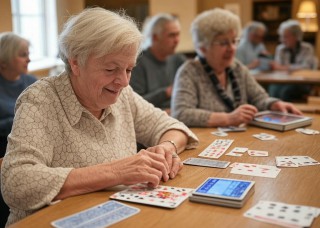
    Maintaining cognitive fitness through engaging in various brain games, both traditional and digital, is crucial for seniors as it enhances memory retention, problem-solving abilities, and emotional well-being while helping to protect against age-related decline. A holistic approach that includes diverse activities, physical exercise, a balanced diet, and social interaction further supports mental health and cognitive function.

  • brain games for seniorsEffective Strategies for Keeping Seniors' Minds Active: A Deep Dive into Brain Games and Apps

    The article outlines strategies for keeping seniors' minds active through brain games and apps, highlighting the importance of cognitive exercises, social engagement, and a healthy lifestyle in combating cognitive decline. It emphasizes the benefits of various types of games and offers practical tips for maintaining mental wellness through enjoyable activities while acknowledging their limitations.

  • aid and attendance vaIn-Depth Look at the VA Aid and Attendance Program
    The VA Aid and Attendance program offers financial assistance to veterans needing help with daily activities due to health issues, available through a pension for low-income wartime veterans or an allowance for 100% disabled individuals. Eligibility depends on medical documentation of care needs and navigating guidelines about income and service history, with funds being usable for various healthcare-related expenses.