
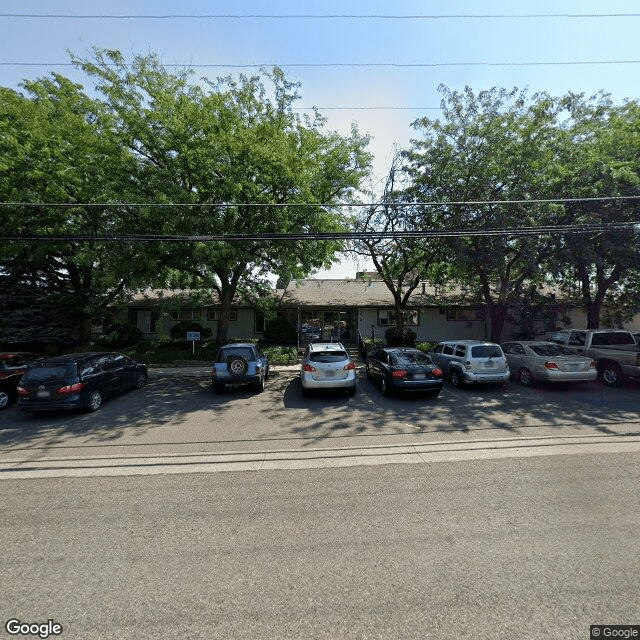
3315 8th Street, Lewiston, ID 83501
To contact a resident: (208) 743-9543
For more information about senior living options: (866) 208-4318
Lewiston Rehabilitation & Care Center Costs & Pricing
Lewiston Rehabilitation & Care Center offers semi-private accommodations at a monthly cost of $3,960, which is notably higher than both the Nez Perce County average of $3,187 and the state average of $3,026. For those seeking private rooms, the facility charges $4,140 - aligning with the county rate but exceeding the statewide average of $3,906. These figures suggest that while Lewiston Rehabilitation & Care Center provides quality care and amenities that may justify its costs, prospective residents should consider how these rates compare to more local options within both Nez Perce County and Idaho as a whole.
| Floor plans | Lewiston Rehabilitation & Care Center | Nez Perce County | Idaho |
|---|---|---|---|
| Semi-Private | $3,960 | $3,187 | $3,026 |
| Private | $4,140 | $4,140 | $3,906 |
Overall Review of Lewiston Rehabilitation & Care Center
Pros
 The facility is clean and neat.
- There were several outstanding nurses aides who made up for the rudeness and lack of compassion from others.
- The residents are receiving the privacy and care they are paying for.
Cons
 They outright refused to admit him.
- They were rude to the social worker about it.
- They describe the place as the worst in town.
- It is the same awful place that was unkind to the grandmother decades ago.
- They couldn’t keep up her care despite daily visits.
- The staff were lacking in nurturing the residents.
Review
Lewiston Rehabilitation & Care Center in Lewiston, Idaho is best suited for seniors who want a clean, orderly environment with privacy and routine, but do not require high-intensity rehabilitation or consistently proactive, highly compassionate staffing. The available feedback paints a clear line: the facility delivers the basics in a tidy setting, yet raises questions about admission flexibility and the depth of daily support. Families seeking robust post-acute rehab, complex medical management, or uniformly warm, attentive caregiving should look elsewhere. This is a setting that covers predictable needs, with the strong caveat that higher-acuity or emotionally demanding care may not be reliably met.
Those evaluating post-hospital rehabilitation, traumatic injuries, or high-level skilled nursing should consider alternatives. There is a notable example in the reviews of an admission denial for a patient who was an amputee with a brain injury, signaling a rigid admissions posture that can complicate transitions at critical moments. Interactions described as unkind toward a social worker further suggest potential friction in the facility’s operational culture. For families with pressing rehab goals or who require seamless, coordinated care, this center's record indicates it may not consistently deliver the partnership needed to achieve those outcomes.
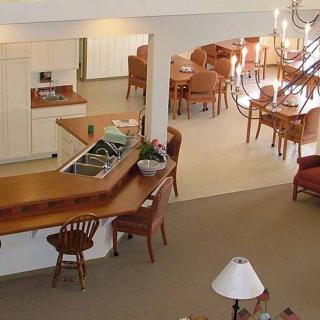
What Lewiston Rehabilitation & Care Center does well is maintain a clean, organized environment where residents enjoy privacy and the basic level of care they are paying for. The physical setting meets standard expectations for cleanliness and order, and personal routines appear to be respected within the bounds of routine care. Some staff members stand out for their attentiveness and reliability, providing the essential support that keeps daily life moving forward. For residents whose needs are straightforward, assistance with dressing, transfers, medication reminders, and limited rehab tasks, the facility can offer dependable, if not exceptional, service.
The flip side centers on staffing consistency and care depth. The reviews describe an uneven caregiving team, with aides varying in training, compassion, and engagement. While a number of aides do well, others come across as insufficiently prepared or disengaged, reflecting concerns about how local certification standards translate into daily practice. A perception that some staff view caregiving as merely a job rather than a vocation for nurturing creates a sustained risk to resident experience. The episode of rude behavior toward a social worker reinforces questions about the facility’s culture and how responsive it is when problems arise.
Netting the positives against the negatives yields a narrow fit. Cleanliness and privacy are meaningful advantages, and basic daily care can meet routine expectations, but those gains scarcely compensate for the inability to reliably handle rehab intensity, complex medical monitoring, or consistently proactive caregiving. For residents with stable, low-to-moderate needs, who prioritize privacy and predictable routines, the center can be a reasonable option, provided there is a clear, transparent admission policy and a plan to verify staffing reliability during a visit. For anyone seeking a care partner with robust rehabilitation pathways or uniformly warm, proactive staff engagement, this facility falls short.
In sum, Lewiston Rehabilitation & Care Center should be considered a secondary choice for families facing serious rehab or high-acuity needs, and for those who prize aggressive rehabilitation and consistently attentive caregiving. It is more appropriate for cost-conscious placements where privacy and routine are the primary criteria. Before making a commitment, prospective families should seek current information on staffing levels, training emphasis, and the facility’s willingness to accommodate specific rehab or medical requirements. If stronger rehabilitation options and steadier customer service are available elsewhere, those alternatives will generally prove the safer, more reliable route.
 Skilled Nursing Facility
 Private
 Lewiston-Nez Perce County (1 miles away)

 A Comprehensive Exploration of Common Misunderstandings about Powers of Attorney
 Senior Move Management: Understanding the Role, Value, and Associated Costs
 Weight Training for Seniors: Building Strength and Vitality