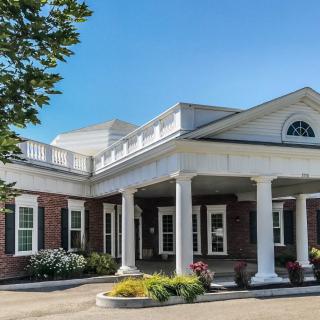
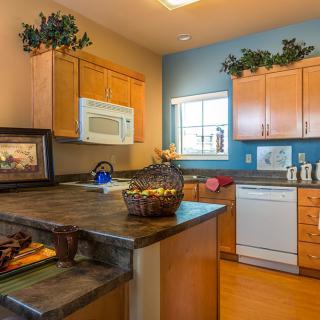
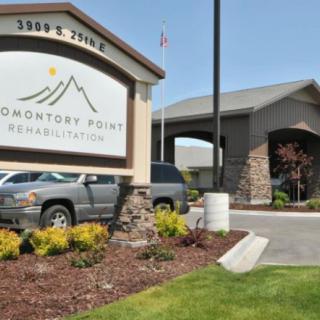
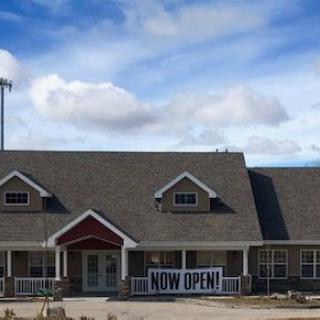
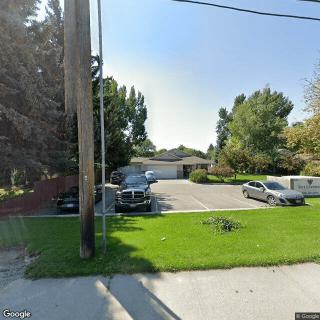
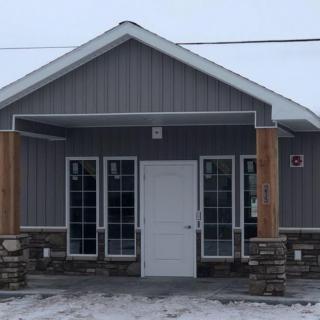
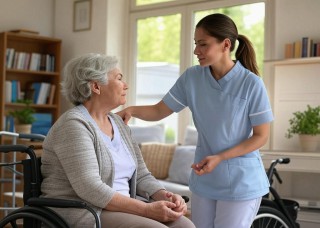
Teton Post Acute Care & Rehabilitation in Idaho Falls, ID

Save

  • Interior

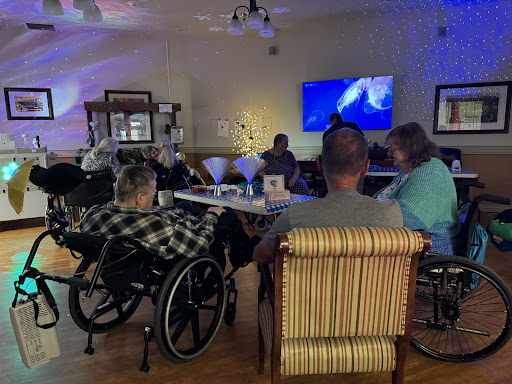
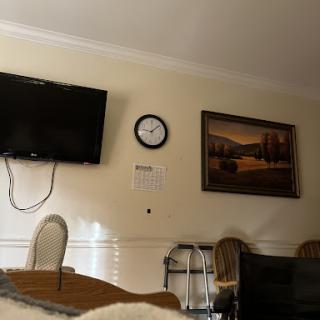
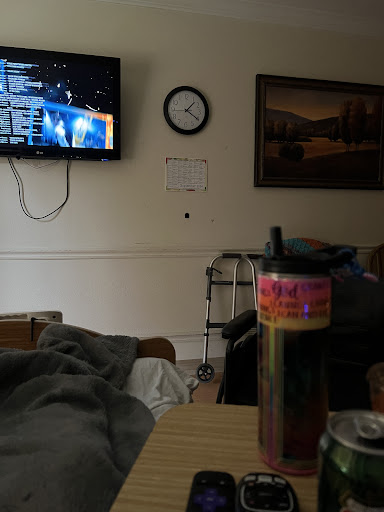
    A cozy interior space featuring a television, clock, and artwork.
  • Outdoors

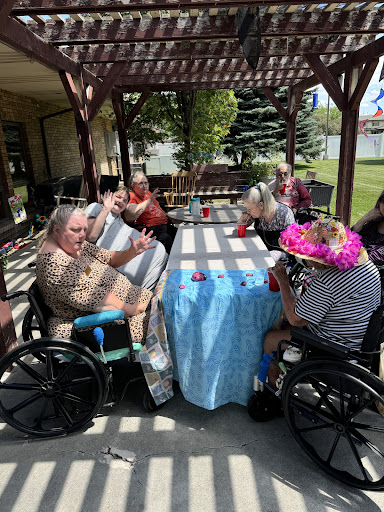
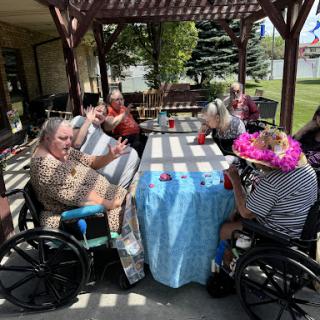
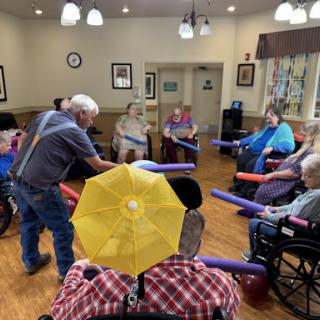
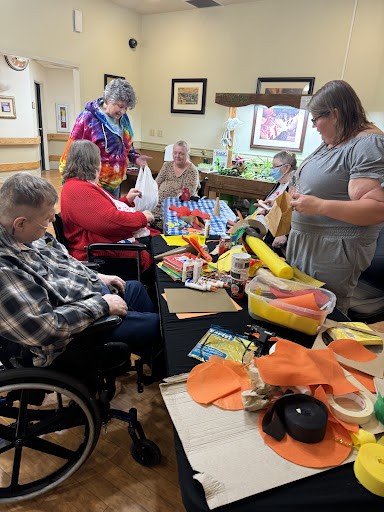
    A joyful gathering of elderly individuals enjoying a sunny day outdoors, surrounded by colorful decorations.
  • Bedroom

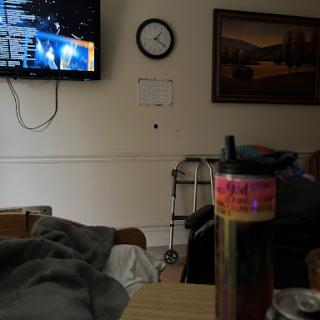
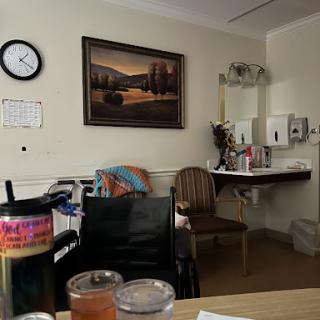
    A cozy room featuring a television, clock, and a colorful beverage on the table.
  • Outdoor

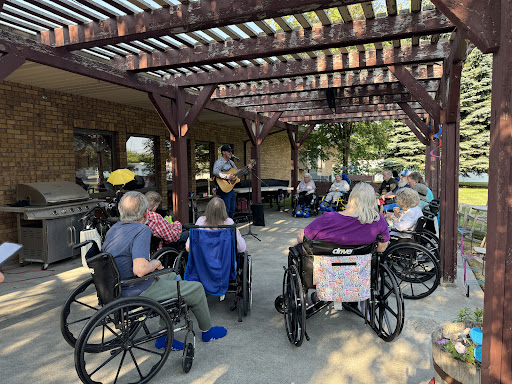
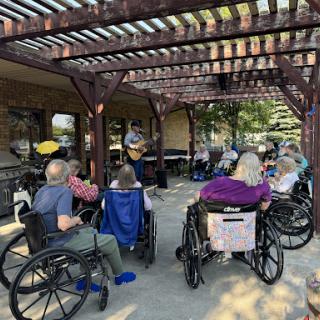
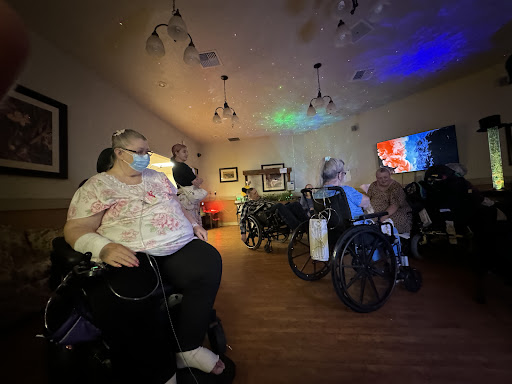
    Residents enjoying a musical performance in an outdoor setting.
  • Painting

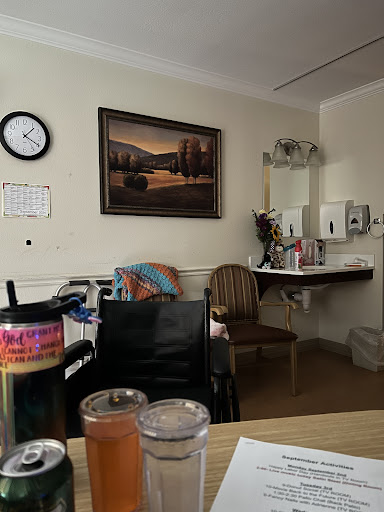
    A cozy hospital room featuring a painting, a clock, and various pieces of furniture.
  • Rehabilitation

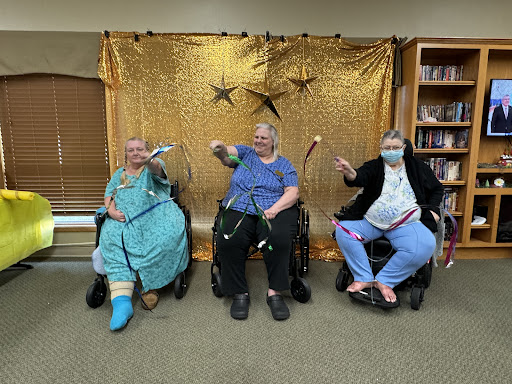
    Seniors participating in a fun exercise session at a community center.
  • Wheelchair

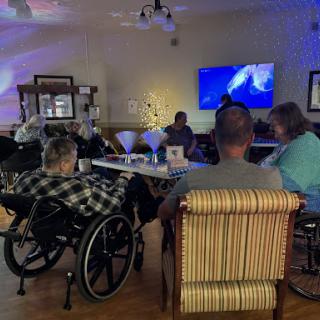
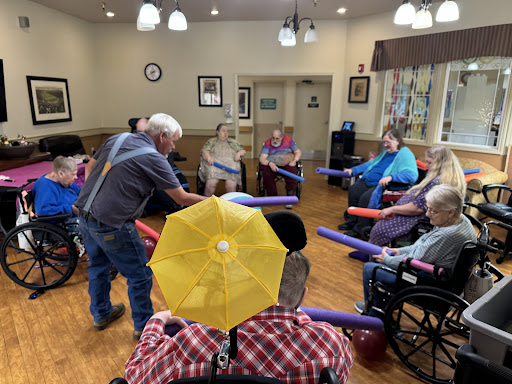
    Residents of a care facility enjoying an engaging social activity together.

Teton Post Acute Care & Rehabilitation in Idaho Falls, ID

Information last verified:

3111 Channing Way, Idaho Falls, ID 83404

For more information about senior living options: (844) 490-3973

4.1 from 78 reviews
5 stars
59
4 stars
2
3 stars
1
2 stars
0
1 stars
16

Overall Review of Teton Post Acute Care & Rehabilitation

Pros

  • pro The staff at Teton Healthcare of Cascadia are genuinely compassionate and professional.
  • pro The care delivered respects comfort, dignity, and emotional well-being.
  • pro The team communicates well, follows through, and consistently goes beyond routine expectations to make residents feel safe and valued.
  • pro The facility is clean, well-maintained, and feels like a homelike environment.
  • pro The activities program is outstanding, engaging, and enhances residents’ quality of life.
  • pro Administration and leadership are supportive, open to questions, and actively involved in resident care.
  • pro Residents are often seen smiling, engaged with one another, and happy in the community.
  • pro The therapy team is amazing, with a strong focus on helping residents regain strength and independence.
  • pro The facility is described as a wonderful place to recover or live, with staff who truly care.
  • pro New management and ongoing updates have improved the building and the resident experience.

Cons

  • pro One reviewer calls the facility a disaster, stating the staff did not provide enough PT/OT and ignored the grandfather's needs.
  • pro Another reviewer describes under-staffing, noting they waited over 45 minutes for help while CNAs ran around.
  • pro A reviewer asserts the food was awful and that residents were left sitting in their own urine for over an hour.
  • pro A parent reports that management did not report an accident and offered no compensation after the incident.
  • pro A reviewer states the director of nursing suggested withdrawing medications to “die in peace,” calling the facility a nightmare.
  • pro Someone says they would not recommend this place to anyone.
  • pro They question how the facility remains open under federal regulations.

Review

Teton Healthcare of Cascadia is best suited for families seeking a rehab- and recovery-focused environment where the culture is centered on warmth, teamwork, and everyday engagement. It works well for residents needing short-term rehabilitation after surgery or injury, as well as those aiming for a steady, dignified long-term stay in a setting that prioritizes activity, social connection, and steady clinical oversight. The facility earns its strongest advocates when the priority is a hands-on staff that communicates clearly, a robust activities calendar, and a therapist-led path back to independence. Those who want a polished, hospital-like ambiance or a memory-care–exclusive environment should look elsewhere, since this community does not present a dedicated dementia unit and may feel more homey than clinical.

Alternatives are worth weighing for families with particular safety or care needs. Residents with advanced cognitive impairment who require highly structured memory care may find a better fit in facilities offering dedicated memory-care wings. Families chasing flawless event-by-event consistency in administration or a perfectly manicured campus may encounter other communities that rate higher on those discrete levers. A few hard experiences recurred in reviews, perceptions of understaffing at peak times, mixed responses from management, and some dissatisfaction with dining quality or discharge processes. For a family prioritizing unbroken staffing coverage, precise escalation of concerns, or a pristine, boutique atmosphere, these factors would justify looking at rivals before committing.

The strongest positives here are hard to overlook: a staff that genuinely cares, a collaborative culture, and a sustained emphasis on meaningful activities. The reviews repeatedly highlight compassionate nurses and CNAs, leaders who appear engaged, and an activities director who energizes residents and families alike. The therapy team is repeatedly praised for progress and dedication, a critical predictor of successful rehab outcomes. Cleanliness and ongoing building updates contribute to a homelike feel rather than a sterile nursing environment, with families noting the “heartwarming” atmosphere and the sense that staff members treat residents with dignity. This combination, kindness paired with competent therapy and a proactive administration, creates a solid foundation for recovery and daily life.

However, certain drawbacks temper the otherwise favorable picture. Multiple accounts describe periods when staffing levels felt insufficient, leading to delays in getting help or completing simple tasks. A few families reported disconnects in communication during discharge planning or administrative missteps, and some diners found the meals less than appealing. The campus’s dated feel in some areas, even amid fresh improvements, can leave a caller wondering about long-term durability of the surroundings. While many residents flourish under the current model, these recurring pain points matter for residents with high levels of dependency, complex medical schedules, or strict dietary needs. In short, operations run well enough to support recovery and comfort, but not perfectly on every shift or in every department.

In practical terms, families evaluating options should weigh the rehab-versus-long-term balance against the local landscape. Teton Healthcare stands out for rehabilitation success, clean and welcoming spaces, highly engaged therapy and activity programs, and a leadership team that shows up in person to support care. Those needs align most closely with residents who benefit from structured rehab, social programming, and a care team that coordinates across disciplines. Yet for families prioritizing memory-care specialization, predictable administrative follow-through without gaps, or a dining program with consistently high ratings, alternatives may deliver a more predictable experience. The absence of a dedicated memory unit is a notable gap for certain seniors, and the reported occasional staffing strains can amplify risk in high-need situations.

For families moving forward with Teton, the prudent path is to verify expectations upfront. Request direct conversations with admissions, the director of rehab, and the activity director to map out a realistic care plan, therapy schedule, and daily routine. Probe staffing patterns for typical shifts and ask for a specific contact method for urgent questions. Visit during different times of day to observe call-light responsiveness, meal service, and the cadence of therapy sessions. Challenge admissions with a concrete plan for discharge or transition if rehab goals are met, including transportation and home support orders. In short, this community is a compelling pick for those seeking compassionate care, a strong pathway to independence, and an atmosphere that feels like home, provided the family understands where the gaps are and aligns expectations with the resident’s needs.

Overall, Teton Healthcare of Cascadia delivers more often than not on its promise of compassionate, team-based care, robust rehabilitation, and a lively, resident-centric environment. It is a practical choice for families prioritizing meaningful daily engagement, strong therapy outcomes, and a supportive, almost familial, staff culture. The notable caveats, intermittent staffing pressures, occasional administrative missteps, and the lack of a memory-care unit, mean this community may not be optimal for every resident, especially those with high-acuity needs or specialized dementia care. When the priorities align with recovery, engagement, and a caring atmosphere, this facility stands tall; when the priorities tilt toward flawless, unvarying administration or dedicated memory care, another option deserves serious consideration.

Features

Housing

  • 88 resident community capacity 88 resident community capacity

Types of Care

  • Skilled Nursing Facility Skilled Nursing FacilitySkilled Nursing Facilities are crucial for seniors as they provide round-the-clock medical care, rehabilitation services, and assistance with daily activities. These facilities ensure that seniors receive the specialized care they need to maintain their health and well-being as they age.

Amenities

  • Air-conditioning Air-conditioningAir conditioning is important for seniors as they are more vulnerable to heat-related illnesses and may have underlying health conditions that make it difficult for them to regulate their body temperature. It helps to keep them comfortable, safe, and healthy in hot weather.
  • Beauty salon Beauty salonBeauty salons are important for seniors because they provide a space for them to feel pampered, socialize, and maintain their personal grooming and hygiene. Regular visits to a beauty salon can help boost seniors' self-esteem and overall well-being.
  • Cable or satellite TV Cable or satellite TVCable or satellite TV is important for seniors because it provides entertainment, news, and companionship, helping to combat loneliness and boredom. It also offers a wide range of programming options tailored to different interests and preferences.
  • Computer center Computer centerA computer center is essential for seniors as it provides access to technology, communication tools, and resources that can enhance their daily lives. It allows them to stay connected with loved ones, engage in online activities, and learn new skills, ultimately promoting socialization and mental stimulation.
  • Dining room Dining roomDining rooms are important for seniors as they provide a space for socialization, connection, and nutritious meals. They offer opportunities for residents to bond over shared meals, foster a sense of community, and promote healthy eating habits. Dining rooms also ensure that seniors have access to well-balanced meals tailored to their dietary needs and preferences.
  • Fitness room Fitness roomHaving a fitness room in a senior living community is essential for seniors to stay active, maintain their physical health, and improve their overall well-being. Regular exercise can help prevent falls, reduce the risk of chronic diseases, and promote mental sharpness. It also provides social opportunities for residents to connect with others and enjoy a sense of community.
  • Fully furnished Fully furnishedFully furnished senior living communities are important for seniors because they provide convenience, comfort, and a hassle-free moving experience. Seniors can easily settle into their new living space without the stress of having to buy and move furniture. This allows them to focus on enjoying their new home and community.
  • Gaming room Gaming roomGaming rooms are important for seniors as they provide a fun and engaging environment for socializing, cognitive stimulation, and physical activity. Games can improve memory, problem-solving skills, and overall mental well-being while fostering friendships and reducing feelings of isolation.
  • Garden GardenGardens are important for seniors as they provide a peaceful and therapeutic environment for relaxation, physical activity, and socialization. Being in nature has been shown to reduce stress, improve mood, and promote overall well-being. Gardens also offer opportunities for seniors to engage in gardening activities, which can improve mobility, flexibility, and cognitive function. Additionally, gardens create a sense of community and connection with others who share a passion for plants and outdoor spaces.
  • Housekeeping services Housekeeping servicesHousekeeping services are important for seniors because they help maintain a clean and safe living environment, promote independence, and reduce the risk of accidents or illnesses. Additionally, having assistance with household chores can alleviate physical strain and allow seniors to focus on other aspects of their well-being.
  • Kitchenette KitchenetteKitchenettes are important for seniors living in senior living communities because they provide the convenience and independence of being able to prepare simple meals and snacks in the comfort of their own living space. This can help promote a sense of autonomy and well-being for seniors, allowing them to maintain some level of control over their dietary choices and daily routines.
  • Move-in coordination Move-in coordinationMove-in coordination is important for seniors because it helps ease the transition into their new living environment. It ensures that all logistics, such as packing, organizing movers, and setting up utilities are taken care of, allowing seniors to focus on settling in and adjusting to their new home. Having a smooth move-in process can alleviate stress and anxiety, making the transition smoother and more enjoyable for seniors.
  • Outdoor space Outdoor spaceOutdoor spaces are important for seniors as they provide opportunities for physical activity, social interaction, exposure to natural light and fresh air, and a sense of connection to nature. Having access to outdoor spaces can improve overall well-being and quality of life for older adults living in senior communities.
  • Private bathrooms Private bathroomsPrivate bathrooms are important for seniors in senior living communities because they provide independence, dignity, and comfort. Having a private bathroom allows seniors to maintain their personal hygiene routines without the need for assistance, promoting a sense of autonomy and privacy. Additionally, private bathrooms help prevent the spread of infections and provide a safe and clean environment for seniors to navigate safely.
  • Restaurant-style dining Restaurant-style diningRestaurant-style dining is important for seniors because it allows them to enjoy delicious, nutritious meals in a social and upscale setting. This enhances their dining experience, promotes healthy eating habits, and fosters socialization with fellow residents, ultimately contributing to their overall well-being and quality of life.
  • Small library Small librarySmall libraries are important for seniors as they provide access to a variety of reading materials, including books, newspapers, and magazines. This can help stimulate their minds, keep them engaged, and provide a sense of community through book clubs and other social activities. Additionally, reading has been shown to improve cognitive function and overall mental well-being in older adults.
  • Telephone TelephoneTelephones are important for seniors as they provide a lifeline for communication with loved ones, emergency services, and healthcare providers. They offer a sense of security and independence, enabling seniors to stay connected and access assistance when needed.
  • Wellness center Wellness centerWellness centers are important for seniors because they offer a variety of programs and services that promote physical, mental, and emotional well-being. These centers provide opportunities for exercise, socialization, education, and relaxation, helping seniors maintain their overall health and quality of life.
  • Wi-Fi/high-speed internet available Wi-Fi/high-speed internet availableWi-Fi/high-speed internet is important for seniors to stay connected with loved ones, access online resources, and participate in virtual activities to combat feelings of loneliness and isolation. It also allows them to easily manage healthcare needs, access entertainment, and engage in lifelong learning opportunities.

Transportation

  • Idaho Falls Regional (5 miles away) Idaho Falls Regional (5 miles away)
  • Community operated transportation Community operated transportationCommunity operated transportation is crucial for seniors as it provides them with the means to access essential services, social activities, and medical appointments. It allows seniors to maintain their independence and quality of life by ensuring they can participate in activities outside of their homes. Additionally, community-operated transportation services offer a safe and reliable way for seniors to travel without having to rely on family or friends for assistance.
  • Transportation arrangement Transportation arrangementTransportation arrangements are crucial for seniors as they may face challenges with driving, mobility, or access to public transportation. Having reliable transportation services ensures that seniors can easily attend appointments, social activities, and maintain their independence and quality of life.
  • Transportation arrangement (non-medical) Transportation arrangement (non-medical)Transportation arrangements are essential for seniors as they provide access to essential services, activities, and social interactions outside the home. This service helps maintain independence, mobility, and overall well-being for seniors who may have limited transportation options.
  • Transportation to doctors appointments Transportation to doctors appointmentsTransportation to doctors appointments is crucial for seniors as it ensures they have access to necessary medical care and support, promoting their health and well-being. It allows them to receive timely treatment, monitor existing conditions, and address any new health concerns efficiently. Additionally, transportation services can help seniors maintain their independence and quality of life by enabling them to stay connected with their healthcare providers.

Care Services

  • 12-16 hour nursing 12-16 hour nursing12-16 hour nursing care is crucial for seniors in order to ensure around-the-clock monitoring, timely medication administration, and prompt response to any health concerns or emergencies. This level of care helps to promote the overall well-being and safety of seniors living in senior living communities.
  • 24-hour call system 24-hour call system24-hour call systems are important for seniors because they provide peace of mind and immediate assistance in case of emergencies. This technology ensures that help is always available, promoting safety and security for elderly individuals living alone or in assisted living facilities.
  • 24-hour supervision 24-hour supervision24-hour supervision is important for seniors to ensure their safety, well-being, and access to immediate assistance in case of emergencies or health issues. This constant support provides peace of mind for both seniors and their loved ones, allowing them to age in place with dignity and security.
  • Activities of daily living assistance Activities of daily living assistanceActivities of daily living assistance are important for seniors because they provide essential support with tasks such as eating, bathing, dressing, and mobility. This assistance helps seniors maintain their independence, dignity, and overall quality of life as they age.
  • Assistance with bathing Assistance with bathingAssistance with bathing is crucial for seniors as it helps maintain personal hygiene, prevents infections, and ensures their overall well-being and comfort. It also provides a sense of dignity and independence for seniors who may struggle with this task on their own.
  • Assistance with dressing Assistance with dressingAssistance with dressing is important for seniors because it helps maintain their independence, promotes personal hygiene, prevents accidents and injuries, and improves overall quality of life. This service ensures that seniors can continue to dress comfortably and confidently, despite any physical limitations they may have.
  • Assistance with transfers Assistance with transfersAssistance with transfers is crucial for seniors as it helps prevent falls and injuries, maintains their independence, and ensures they can safely navigate their living environment. It also provides peace of mind for both seniors and their loved ones.
  • Diabetes diet Diabetes dietA diabetes diet is crucial for seniors as it helps manage blood sugar levels, reduce risks of complications, and improve overall health and well-being. By following a balanced and nutritious diet tailored to their specific needs, seniors can better control their diabetes and enhance their quality of life.
  • Meal preparation and service Meal preparation and serviceMeal preparation and service are crucial for seniors as they may have limited mobility or energy to cook nutritious meals. Having access to healthy and convenient food options can ensure they are getting the proper nutrition needed to maintain their overall health and well-being.
  • Medication management Medication managementMedication management is crucial for seniors to ensure they are taking the right medications at the correct dosages and times. This helps prevent adverse drug interactions, reduces the risk of medication errors, and promotes overall health and well-being. Proactive management also allows for adjustments as needed based on changing health conditions or new prescriptions.
  • Mental wellness program Mental wellness programMental wellness programs are essential for seniors as they promote cognitive stimulation, emotional support, and social engagement. These programs help prevent isolation, depression, and cognitive decline, ultimately enhancing the overall quality of life for older adults.
  • Special dietary restrictions Special dietary restrictionsSpecial dietary restrictions are important for seniors because age-related changes in metabolism and health conditions can make it difficult for their bodies to process certain foods. By following a diet tailored to their specific needs, seniors can maintain their overall health and well-being, manage chronic conditions, and reduce the risk of complications such as malnutrition or food interactions with medications.

Dining

  • Diabetes diet Diabetes dietA diabetes diet is crucial for seniors as it helps manage blood sugar levels, reduce risks of complications, and improve overall health and well-being. By following a balanced and nutritious diet tailored to their specific needs, seniors can better control their diabetes and enhance their quality of life.
  • Special dietary restrictions Special dietary restrictionsSpecial dietary restrictions are important for seniors because age-related changes in metabolism and health conditions can make it difficult for their bodies to process certain foods. By following a diet tailored to their specific needs, seniors can maintain their overall health and well-being, manage chronic conditions, and reduce the risk of complications such as malnutrition or food interactions with medications.

Activities

  • Community-sponsored activities Community-sponsored activitiesCommunity-sponsored activities are important for seniors as they provide opportunities for social interaction, mental stimulation, and physical activity. These activities can help improve overall well-being, combat loneliness and isolation, and promote a sense of belonging and purpose among older adults.
  • Concierge services Concierge servicesConcierge services are essential for seniors as they provide assistance with daily tasks and errands, enhance their quality of life by offering convenience and personalized care, and promote a sense of safety and security.
  • Fitness programs Fitness programsFitness programs are crucial for seniors as they help improve strength, flexibility, balance, and overall well-being. Staying active can reduce the risk of chronic diseases, improve mental health, and enhance quality of life in older adults.
  • Planned day trips Planned day tripsPlanned day trips are important for seniors because they offer opportunities for socialization, mental stimulation, and physical activity. They provide a change of scenery and help seniors stay engaged and connected to their community, promoting overall well-being and quality of life.
  • Resident-run activities Resident-run activitiesResident-run activities are important for seniors as they encourage social interaction, creativity, and a sense of autonomy. These activities empower seniors to stay engaged and active in their community while fostering meaningful connections with their peers.
  • Scheduled daily activities Scheduled daily activitiesScheduled daily activities are important for seniors because they provide structure, socialization, mental stimulation, and physical activity. Engaging in regular activities can improve overall well-being and quality of life for seniors living in a community setting.

Description

Teton Post Acute Care & Rehabilitation is an assisted living community located in Idaho Falls, ID. This community offers a range of amenities and care services to ensure the comfort and well-being of its residents.

The amenities at Teton Post Acute Care & Rehabilitation include a beauty salon, cable or satellite TV, community-operated transportation, a computer center, a dining room, a fitness room, fully furnished accommodations, a gaming room, a garden, housekeeping services, a kitchenette, move-in coordination assistance, outdoor space for leisure activities, private bathrooms in each unit, restaurant-style dining options, a small library for reading enthusiasts, telephone access in each unit, transportation arrangement (non-medical), transportation to doctors' appointments as needed, access to a wellness center for health-related activities and exercises, and Wi-Fi/high-speed internet connectivity.

In terms of care services provided at this facility, residents can expect 24-hour call system availability for emergencies or immediate assistance. There is also round-the-clock supervision to ensure the safety and security of all residents. Staff members are available to provide assistance with activities of daily living such as bathing and dressing. Additionally, help with transfers is provided when necessary. The staff specializes in assisting residents with diabetes diets and can accommodate special dietary restrictions. They also offer meal preparation and service to ensure that residents receive nutritious meals tailored to their needs. Medication management is available to help residents stay on track with their medications. A mental wellness program is offered to promote mental health among the residents.

Teton Post Acute Care & Rehabilitation also takes pride in offering various activities for the residents' enjoyment. These include concierge services to cater to individual preferences and needs. Fitness programs are available onsite to promote physical well-being. Planned day trips offer exciting outings for the residents. Resident-run activities provide opportunities for social engagement within the community. Scheduled daily activities keep everyone entertained and engaged.

This assisted living community benefits from a convenient location, with three cafes, two parks, seven pharmacies, 52 physicians, 30 restaurants, one place of worship, two theaters, and three hospitals situated nearby. This proximity to various amenities ensures that residents have easy access to essential services and entertainment options.

Overall, Teton Post Acute Care & Rehabilitation offers a comprehensive range of amenities and care services in a warm and inviting environment. The dedicated staff and abundance of nearby amenities make it an ideal choice for individuals seeking assisted living in Idaho Falls, ID.

Nearby Places of Interest

Physicians

  • Margaret C Huggins (0.1 miles)
  • Snake River Oncology (0.1 miles)
  • Gamma West Cancer Services (0.1 miles)
  • Miracle-Ear Center (0.1 miles)
  • Idaho Heart Institute (0.1 miles)
  • Eastern Id Medical Consultants (0.1 miles)
  • Miracle-Ear Hearing Aid Center (0.1 miles)

Restaurants

  • Tandoori Oven (0.2 miles)
  • The Cuban Table (0.2 miles)
  • Chick-Fil-A (0.3 miles)
  • Taco Bell (0.3 miles)
  • Cupbop - Korean BBQ (0.3 miles)
  • Johnny Carino's (0.3 miles)
  • Mo’ Bettahs (0.3 miles)

Cafes

  • Panera Bread (0.2 miles)
  • Starbucks (0.4 miles)
  • Dutch Bros Coffee (0.6 miles)

Hospitals

  • Creekside Ambulatory & Surgery Center (0.3 miles)
  • Idaho Falls Community Hospital (0.3 miles)
  • Mountain View Hospital (0.3 miles)

Theaters

  • Regal Edwards Grand Teton (0.4 miles)
  • Paramount Theatre (0.8 miles)

Pharmacies

  • Teton Pharmacy (0.5 miles)
  • Albertsons Sav-On Pharmacy (0.8 miles)
  • Teton Pharmacy (1.2 miles)
  • Walmart Pharmacy (1.2 miles)
  • Heartland Pharmacy (1.3 miles)
  • Pharmease (1.3 miles)
  • Walgreens (1.5 miles)

Parks

  • McCowin Park (1 miles)
  • Shamrock Park (1 miles)

Places of Worship

  • Church of Jesus Christ of Latter Day Saints (1.2 miles)

Frequently Asked Questions

Where is Teton Post Acute Care & Rehabilitation?
What photos are available for Teton Post Acute Care & Rehabilitation in Idaho Falls, Idaho?

Nearby Communities

  • Fairwinds - Sandcreek

    Fairwinds - Sandcreek

    Idaho Falls, ID

    4.7 from 97 reviews
    $3,180 to $3,890 / month

    pro Vibrant, friendly community with engaging activities and high-quality meals.
  • Fairwinds Sand Creek

    Fairwinds Sand Creek

    Idaho Falls, ID

    4.6 from 73 reviews
     

    pro Comprehensive care and abundant amenities with 24/7 safety support.

  • Tambree Meadows Assisted Living

    Tambree Meadows Assisted Living

    Idaho Falls, ID

    3.8 from 17 reviews
     

    pro Comprehensive memory care and 24/7 supervision in a furnished, small community.

  • Tambree Meadows

    Tambree Meadows

    Idaho Falls, ID

    4.1 from 42 reviews
    $3,495 to $4,295 / month

    pro Caring staff and welcoming atmosphere with engaging activities

  • MorningStar Of Idaho Falls

    MorningStar Of Idaho Falls

    Idaho Falls, ID

    4.4 from 118 reviews
    $2,800 to $3,805 / month

    pro Attentive, compassionate staff with strong communication and engaging activities, including memory-care programs.

  • Promontory Point Rehabilitation

    Promontory Point Rehabilitation

    Ammon, ID

    4.5 from 24 reviews
     

    pro Caring staff with praised care and quality meals.

  • The Gables of Idaho Falls

    The Gables of Idaho Falls

    Idaho Falls, ID

    4.2 from 62 reviews
    $2,700 to $3,300 / month

    pro Clean facility with attentive administration and engaging activities on-site.

  • Lily and Syringa

    Lily and Syringa

    Idaho Falls, ID

    4.4 from 13 reviews
    $2,200 to $2,450 / month

    pro Warm, memory-focused care with dedicated staff and a home-like atmosphere.

  • Broadway Fields Assisted Living

    Broadway Fields Assisted Living

    Idaho Falls, ID

    3.6 from 20 reviews
     

    pro Extensive amenities and round-the-clock supervision.

Skilled Nursing Facility in Nearby Cities

Related Resources

  • what is home health careUnderstanding Home Health Care: A Comprehensive Guide

    Home health care has become essential for supporting independence among the aging population, offering diverse services such as skilled nursing and rehabilitation in familiar environments, while also incorporating technology for personalized care. Despite its benefits, including improved recovery rates and emotional well-being, challenges like safety, staff availability, and insurance navigation must be managed for effective implementation.

  • what is home health careHome Health Care Demystified: A Comprehensive Guide for Families and Caregivers

    Home health care offers a range of clinical services provided in a patient's home, including nursing and therapy, tailored to individual needs, particularly for aging seniors with chronic conditions. This approach enhances patient independence, promotes better disease management, and utilizes technology for real-time monitoring while fostering collaboration among healthcare providers and family members.

  • uber for seniorsSeniors and Modern Transportation: Exploring Uber, Lyft, and Other Ride-Hailing Options
    Seniors benefit from ride-hailing services like Uber and Lyft, which provide convenient and accessible transportation options that promote independence and social engagement, while addressing mobility challenges. These platforms have adapted to meet senior needs with user-friendly features and safety measures, although costs can be a concern; community programs may help subsidize rides for older adults.