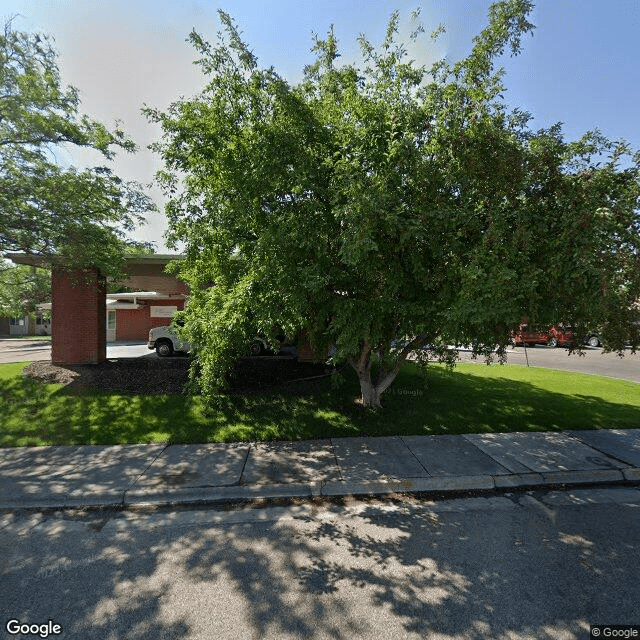
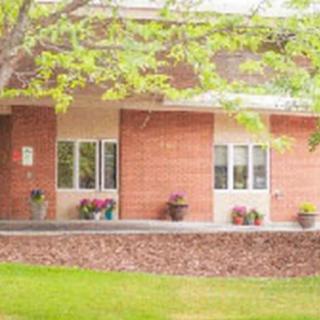
Good Samaritan Ctr in Idaho Falls, ID
Save
840 E Elva St, Idaho Falls, ID 83401
For more information about senior living options: (844) 490-3973
Good Samaritan Center in Idaho Falls is best suited for families seeking skilled nursing with a strong emphasis on personalized rehabilitation and hands-on, compassionate caregiving. This community tends to shine for residents who need short- to mid-term rehab after surgery or illness and who benefit from attentive meal planning, practical therapy, and nurses who genuinely treat residents like family. The environment can feel homey and the direct care staff are frequently described as warm and dedicated. However, this suitability comes with a caveat: demand for care can outpace supply on some shifts, and the experience can be uneven depending on how well the current leadership and staffing align with resident needs.
Owners and operators who may want to weigh alternatives are those who require near flawless, consistent safety supervision day and night, or who cannot accept the possibility of variability in staffing. Several reviewers point to periods of understaffing and inconsistent call-light responses, and a few accounts describe troubling care lapses. Families with residents who rely on steady, proactive monitoring or who require constant oversight should consider facilities with proven, sustained staffing models and fewer anecdotes of missed calls or delayed assistance. Also worth noting are the mixed long-term experiences cited when leadership changes have occurred; if continuity matters, exploring other options with a track record of steady administration may be prudent.
The strongest positives at Good Samaritan Center revolve around care partners who genuinely go above and beyond in daily interactions. The kitchen team, highlighted by a standout manager in one review, demonstrates a rare commitment to individual preferences, even when the broader kitchen staff struggle. Therapy programs are frequently praised as robust, practical, and capable of producing real gains that translate into safer, more independent living at home. Direct care staff receive repeated commendations for warmth, patience, and a willingness to tailor routines around the resident's goals. Cleanliness and a welcoming, home-like ambiance round out the advantages, and administrators with clinical backgrounds are noted as being more responsive to resident needs. Taken together, these strengths create a credible path to meaningful recovery and improved quality of life when the facility is functioning at its best.
Against these strengths stand significant concerns that cannot be ignored. Reports of understaffing, delayed responses to call lights, and inconsistent quality of care point to real risk on certain shifts. A pattern of negative experiences - ranging from perceived neglect to outright accusations of mistreatment - appears in several reviews, with some families feeling compelled to move loved ones elsewhere after traumatic incidents. The building's age and ongoing renovations are also cited; while renovations can improve the environment, they can temporarily disrupt routines and staff capacity. When safety lapses occur, they can undermine the advantages of excellent therapy and compassionate aides, making the overall experience less predictable and more stressful for families.
Those evaluating Good Samaritan Center should focus on concrete, current realities rather than past impressions. A practical approach is to verify current staffing levels, speak directly with front-line caregivers about their day-to-day duties, and request a candid tour of dining and therapy areas at various times. Prospective families should ask about CNA-to-resident ratios, average call-light response times, and how recent leadership changes have translated into day-to-day operations. Where the positives are strongest - rehab effectiveness, responsive nursing, and a kitchen that accommodates individual tastes - these should be reinforced with assurances of consistent staffing and reliable safety practices. In short, the center offers a compelling option for rehab-driven care delivered with real heart, but only where current leadership and staffing are aligned to sustain that momentum.
The bottom line is practical: Good Samaritan Center is a solid fit for families prioritizing hands-on rehab, personalized meals, and compassionate direct care, especially when recent leadership changes have yielded a more resident-centered environment. It is less suitable for families requiring unwavering, flawless operation across every shift or for residents who depend on constant, high-frequency monitoring. A well-timed, thorough on-site assessment - focusing on staffing stability, response times, and safety protocols - will determine whether this community truly matches a specific loved one's needs. If those conditions align, confident placement can be justified; if not, exploring alternatives with stronger, steadier day-to-day consistency becomes a prudent risk hedge.
The Good Samaritan Center in Idaho Falls, ID is an assisted living community that provides compassionate care and support for seniors. Located in a vibrant neighborhood with convenient access to various amenities, this community offers a fulfilling lifestyle for its residents.
With five cafes within close proximity, residents can enjoy leisurely outings for coffee or meet friends for a light meal. Additionally, there are three parks nearby, providing opportunities for outdoor relaxation, exercise, and socialization. These green spaces offer beautiful scenery and a peaceful atmosphere.
For any medical needs, the community is well-served by nine pharmacies and 29 physicians in the nearby vicinity. This ensures that residents have easy access to medications and healthcare services whenever required. In case of emergencies or specialized care needs, four hospitals are conveniently located nearby.
To cater to different culinary preferences, there are 44 restaurants in the area surrounding the Good Samaritan Center. Residents can explore a wide range of dining options from casual eateries to fine dining establishments, allowing them to indulge in diverse cuisines.
For spiritual nourishment, there are five places of worship nearby where residents can attend religious services based on their beliefs and preferences. These institutions provide opportunities for spiritual growth and a sense of community.
Furthermore, entertainment options are available with one theater located close by. Residents can enjoy movies, live performances, or cultural events without having to travel far from their home.
Overall, the Good Samaritan Center offers an ideal location for assisted living with ample amenities nearby that enhance quality of life for its residents. The combination of accessible healthcare facilities, recreational spaces, diverse dining choices, spiritual outlets, and entertainment options make this assisted living community an attractive choice for seniors seeking comfort and convenience.
This area of Idaho Falls, Idaho is a vibrant and convenient location for senior living. With several places of worship nearby, including the Southern Baptist Convention and Roman Catholic Diocese of Boise, residents have easy access to spiritual support. There are also a variety of restaurants to choose from, such as Pockets, Burger King, and Sukuru Basu Ramen, offering diverse dining options. In terms of healthcare, there are multiple hospitals and pharmacies within close proximity, ensuring that medical needs are easily met. Additionally, there are several physicians' offices and specialty clinics nearby for comprehensive healthcare services. For leisure activities, residents can enjoy cafes like Dutch Bros Coffee and Starbucks, as well as parks such as Sportsmen's Park and Community Park. Overall, this area provides a well-rounded living environment for seniors with a range of amenities and services readily available.
Good Samaritan Ctr is located at 840 E Elva St, Idaho Falls, ID 83401 in Jefferson County, Idaho
A Comprehensive Exploration of Common Misunderstandings about Powers of Attorney

The article clarifies common misconceptions about Powers of Attorney (POA), highlighting the necessity of the principal's consent, the limitations on an agent's authority, and the importance of mental capacity when signing. It also distinguishes between various types of POAs, addresses concerns about potential abuse, and emphasizes the need for legal consultation to ensure valid and up-to-date documents.
Senior Move Management: Understanding the Role, Value, and Associated Costs

Senior move management provides specialized support for older adults relocating by assisting with logistics, emotional challenges, and downsizing decisions to ensure a smooth transition to new living environments. These services address the unique needs of seniors and have become increasingly important as baby boomers retire and seek to downsize.
Weight Training for Seniors: Building Strength and Vitality
Weight training is vital for seniors to maintain muscle mass, bone density, and overall health, combating age-related declines through customized resistance exercises that enhance balance and well-being. Safe routines should start with realistic goals and proper form, while emphasizing gradual progress and consultations with healthcare providers to ensure safety and effectiveness.