
530 N Fanning Ave # 50, Idaho Falls, ID 83401
To contact a resident: (208) 522-4022
For more information about senior living options: (866) 208-4318
Overall Review of Garfield Apartments
Pros
 The reviewer describes the place as decent.
Cons
 The reviewer considers it one of the worst places they have ever lived, with a laundry room that never works and staff who do as little as possible.
- The property owner is described as stingy, unwilling to spend money on upgrades, and the apartments are not well maintained.
- A lot of the tenants are said to be sub-par for accepting Idaho Housing Vouchers, and the building is not properly maintained or upgraded.
- A lot of tenants smoke, making it not a good place to raise kids.
- There are cops on a regular basis and the landlord does not care.
- The reviewer was falsely accused of smoking, bullied to vacate, and the notice was unlawful; their family contracted COVID-19 due to the accusation, they were denied an extension, and their son—an honor student—was affected.
- They never smoked, but they lost their dog and faced over $3,000 in costs, feeling discriminated against; they warn to beware of neighborhood rentals.
- The area is described as ghetto, though with some decency.
Review
Garfield Apartments in Idaho Falls is best suited for renters who must have a roof over their heads at a very low cost and can tolerate a maintenance reality that feels chronically underfunded and unmanaged. The space serves as shelter for budget-restricted tenants who have few alternatives, not a place where reliable upkeep, safety, or respectful treatment can be counted on. In practical terms, it’s a last-resort option for those who prioritize affordability above all else and are prepared to live with noticeable service gaps and a challenging management posture.
Those who should seriously consider alternatives include families with children, seniors, or anyone with health issues or disabilities who depend on timely repairs, a clean living environment, and predictable rules. The pattern described by residents points to a rental experience where responsive maintenance, transparent fee practices, and tenant protections are unpredictable at best. Red flags abound: claims of unlawful notices, police presence, and alleged discrimination color the picture, suggesting a risk profile that complicates long-term residency or stability for vulnerable households. For anyone relying on housing vouchers, the combination of cost constraints and service gaps should prompt careful comparison with better-managed options.
The few clear positives feel almost incidental next to the overwhelming negatives. The most frequently cited potential upside is affordability, which may make Garfield appealing to someone with a strictly limited budget. Beyond that, the property is described as “decent” only in a bare-bones sense, a reminder that the baseline standard here is low. The real weight of the experience comes from maintenance neglect, an understaffed or stingy approach to upgrades, and a management stance that seems to prioritize balance sheets over resident well-being. When weighed against consistent maintenance, safe surroundings, and predictable enforcement, the pros barely register.
On the con side, the laundry room is repeatedly described as nonfunctional, with residents asked to “do the work” themselves while the management collects rent and offers minimal intervention. Maintenance requests are met with delays or dismissiveness, and the landlord’s reluctance to invest in upgrades translates into a property that feels aging and neglected. The environment is tangled with perceptions of harassment and uneven treatment, including instances that residents label as unlawful or discriminatory. The combination of low investment in the property, cost-cutting priorities, and a volatile atmosphere makes Garfield far from a steadying home life, especially for households that must balance school, work, and health needs.
From a decision-making perspective, the key is to determine whether the perceived savings justify the ongoing friction and risk. Prospects at Garfield do not convincingly offset the main drawbacks unless budget constraints are absolute and all other options are demonstrably worse in maintenance, safety, and governance. Prospective residents should enter with a clear plan: verify current maintenance responsiveness, seek candid input from multiple tenants, review any open or recent enforcement actions, and press the landlord for a written, enforceable maintenance schedule and fair lease terms. If these assurances cannot be secured, the balance tips toward alternatives.
In practical terms, families evaluating Garfield should prioritize three questions: Is there a credible path to reliable repairs within a reasonable timeframe? Are there transparent policies that protect residents from unfair notices or eviction actions? Does the community offer a safe, clean, and respectful living environment, with consistent upkeep and responsive management? If the answer to any of these questions is uncertain or negative, the prudent move is to continue the search. Garfield Apartments function as a shelter of last resort, available, affordable, but with enough red flags to merit moving on when another option can be found that delivers steadier service, cleaner facilities, and a fairer, more professional landlording experience.
 Independent Living
 Idaho Falls Regional (3 miles away)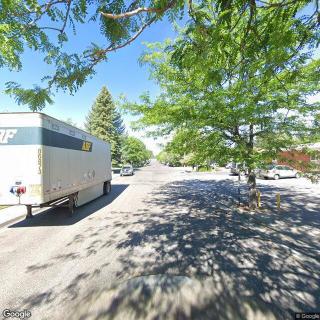

 Caring for Those Who Care: Recognizing, Understanding, and Overcoming Caregiver Burnout
 Caregiver Exhaustion: Recognizing the Signs and Restoring Your Well-Being
 Understanding Hospice Care at Home: Comprehensive Services, Key Benefits, and Eligibility