

820 Sprague Ave, Buhl, ID 83316
To contact a resident: (208) 543-6401
For more information about senior living options: (866) 208-4318

Overall Review of Snake River Rehabilitation Ctr
Pros
 The therapy staff works hard to strengthen patients and help them return home.
- The nursing staff and therapists are outstanding; they are congenial and friendly.
- Residents are busy with activities and smiling, and the facility is clean and inviting.
- The staff are very nice and attentive toward residents, making them feel at home.
- It is a great place to work and a great place to take loved ones for quality care.
- The care center provides very good care for residents, with love evident in the environment.
Cons
 The facility is described as sad and broken, with patients asking for help and being ignored.
- People are left in the hallway, soiled, because no one takes them to the bathroom.
- The administrator shows favoritism toward certain residents and treats others like second-class citizens.
- The reviewer would not recommend Dessert View to anyone.
Review
Snake River Rehabilitation Center in Buhl, Idaho is best suited for seniors who need short-term rehabilitation with a strong, goal-oriented therapy program and who thrive in an active, social environment. It works well for families that want visible nursing and therapy support and value staff who appear genuinely engaged with residents. This community is a solid fit for individuals who respond well to structured daily routines, regular activities, and rehab plans aimed at returning home. Those seeking near-continuous supervision, perfect consistency in leadership, or a consistently quiet setting should consider alternatives to avoid potential frustration or risk.
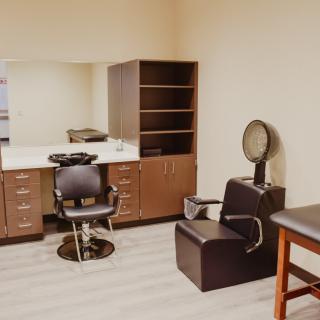
On the upside, the therapy team is repeatedly described as hardworking, focused on rebuilding strength, and driving discharge goals. Nursing and therapy staff are frequently noted as congenial, approachable, and attentive, making residents and families feel heard and supported. The environment is generally clean and inviting, with residents actively participating in activities and expressing smiles. Together, these elements create a credible pathway to meaningful functional gains and a positive daily experience, especially for those prioritizing recovery momentum and social engagement.
Yet there are troubling undercurrents that cannot be dismissed. Some reviews allege residents are left in hallways or in soiled conditions, with help not arriving promptly, which raises serious questions about safety, dignity, and day-to-day reliability. Additional concerns center on administrative conduct, with claims of favoritism toward certain residents and uneven treatment that undermines morale and trust. Taken as a whole, these issues strike at the heart of dependable care and equitable care delivery, complicating what might otherwise be a straightforward rehab decision.
These pros offset the cons only if the care delivery remains consistently high and leadership accountability is visible and sustained. When therapy excellence and a friendly, responsive nursing staff are present, residents can experience real progress and comfort, and families can feel confident about discharge planning and daily welfare. However, the negative reports, if validated, threaten to erode trust and stability, turning what should be a confidence-boosting rehab experience into a source of persistent concern. The contrast between strong clinical care and leadership lapses matters greatly in choosing this community.
For families weighing alternatives, the decision hinges on tolerance for potential leadership gaps and variability in day-to-day care. If unwavering ethical standards, transparent leadership, and uniformly reliable caregiving are non-negotiables, exploring other options is prudent. Those with residents who require near-constant supervision or who cannot tolerate even infrequent oversights may find a different setting more suitable. In short, this community can deliver solid rehab outcomes and a supportive atmosphere, but the risk of inconsistent care and perceived favoritism makes alternatives worth considering for a risk-averse or highly needs-dependent resident.
Practical next steps are clear. Schedule an in-person tour focused on daily routines, staffing patterns, and the speed and quality of responses to calls for help. Request a candid conversation with the therapy director about discharge planning and ask to observe interactions on the floor, watch for promptness, tone, and equitable treatment across residents. Inquire about leadership structures, accountability measures, and any recent changes aimed at addressing the cited concerns. With direct, concrete answers and observable consistency, Snake River Rehabilitation Center can be a strong, well-suited home for rehab-focused residents; if the responses fall short, families should pivot to safer, more consistently managed options.
 Skilled Nursing Facility
 Joslin Field - Magic Valley (15 miles away)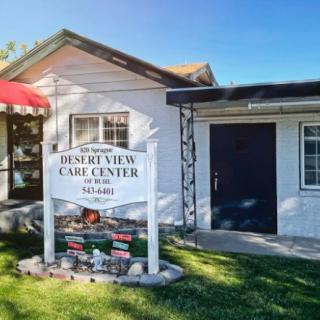



 Compassionate Conversations: How to Comfort Someone Who Is Grieving
 Home Health Care Aides: Understanding Their Role and Supporting Your Family
 Urinary Tract Infections in Older Adults: Comprehensive Insights on Symptoms, Treatment, and Prevention