

320 Collins Rd, Boise, ID 83702
To contact a resident: (208) 334-5000
For more information about senior living options: (866) 208-4318
Overall Review of Idaho State Veterans Home
Pros
 The staff provide compassionate care.
- The facility is always clean and pleasant.
- The facility cares for veterans.
- The staff are great and the environment is friendly.
- The service has thrilled a friend.
- The staff are awesome and the people are good.
- Volunteers love contributing and supporting fellow comrades.
- The place is great to volunteer, with friendly people and a welcoming atmosphere.
- The staff are very friendly and the volunteers are extremely active in the community.
- Great place to live for all veterans.
Cons
 They weren't allowed inside.
- The activities department is dog crap.
- There are staff members who don't care for their jobs.
- The new administrator Randell Barns is described as a PR-type person.
- Veterans are not easy to work for because some can be so demanding.
- They pay $1,375 to live there with little private time and feel held hostage by four daily med times.
- The sad fact is that veterans are forgotten by many.
Review
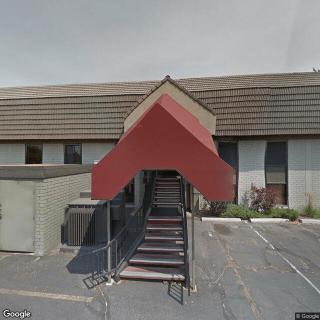
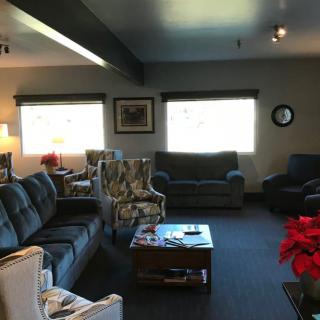
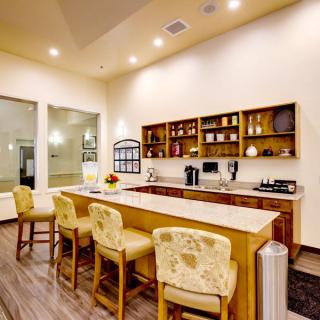
Idaho State Veterans Home in Boise is best suited for veterans who want a respectful, veteran-centered living environment where compassionate staff’s daily work translates into reliable care. The facility presents a clean, orderly, and homelike atmosphere that many residents and families describe as welcoming and stable. In practice, this means consistent attention from caregivers, dependable routines, and solid access to social work support. The culture here centers on honoring service, with staff and volunteers collaboratively sustaining a community where residents feel seen. For families seeking a facility with a pronounced emphasis on veteran identity and peer connection, this home delivers.
That said, it is important to acknowledge who may want to consider alternatives. Prospective residents who prize maximal private time and fewer daily restrictions may find the environment constraining. Others who require highly flexible, bedrock-level medical oversight, especially around medication management, or who want a broader, more varied activities calendar may want to compare options. While staff dedication is widely praised, the facility does operate within a federal-hospital framework that can limit autonomy and privacy. With those realities in mind, Boise’s veterans home remains a compelling choice for the right resident, particularly those who value continuity of care and a strong social support network.
The core strengths are unmistakable. Staff are described as consistently compassionate, patient, and responsive, with the care team’s commitment underpinning every resident interaction. The environment is clean, well maintained, and quiet enough to feel safe. Food is solid for the volume and dietary needs of residents, contributing directly to daily satisfaction and health. A robust social work program channels resources into planning, problem-solving, and family communication, earning particular praise for leadership and engagement. Volunteers and a proactive activities presence help cultivate an inviting atmosphere, reinforcing a sense of community that matters when evaluating long-term care options.
Yet several practical friction points temper the otherwise positive portrait. Private time can be limited, with residents paying a premium to live there and finding personal access restricted unless stepping out for the day. Medication administration can feel intrusive, with multiple daily doses and a sense of reduced autonomy over personal routines; requests to reclaim a med set have been voiced by residents. A few staff members are described as not fully engaged, and some observers view the administrator as more focused on presentation than durable problem resolution. The activities program, while supportive, receives critique for depth and consistency, suggesting uneven daily engagement despite an overall welcoming mood.
These tensions do not erase the value of the community, but they do shape who should choose it. The warm, dependable care and the veteran-focused culture can offset privacy and routine constraints for residents who prioritize trust, stability, and a social safety net. For families tracking strong social work involvement, volunteer engagement, and a clean, respectful environment, Idaho State Veterans Home stands out as a solid option. Those who navigate long hours alone, require streamlined privacy, or demand a more aggressive, flexible medical schedule may want to explore alternatives with less regulatory overhead or a broader activity slate.
Practically, prospective residents and families should approach a visit with clear questions about med-handling policies, private-time allowances, and how the staff responds to concerns. A tour should include conversations with current residents about daily life, alongside candid input from the social work team and frontline caregivers. When veteran identity, a consistently warm staff, and a clean, supportive environment are the priorities, this Boise home represents a high-quality choice with a proven track record. For households where maximum personal freedom, robust, varied programming, or tighter medical control are non-negotiables, alternatives will likely offer a tighter fit.
 Skilled Nursing Facility
 Boise Air Terminal (4 miles away)





 Fecal Incontinence in Older Adults: A Comprehensive Guide
 Recognizing the Journey: Understanding and Navigating Anticipatory Grief
 Encouraging Participation in Adult Day Care: A Guide to Supporting a Hesitant Parent