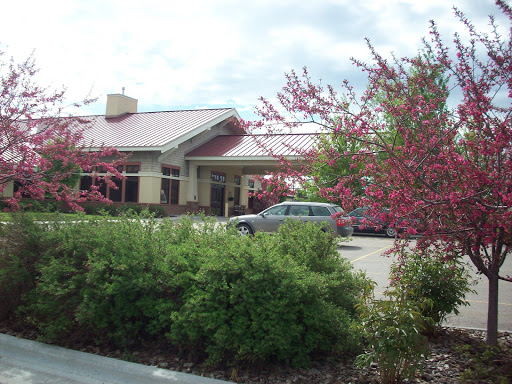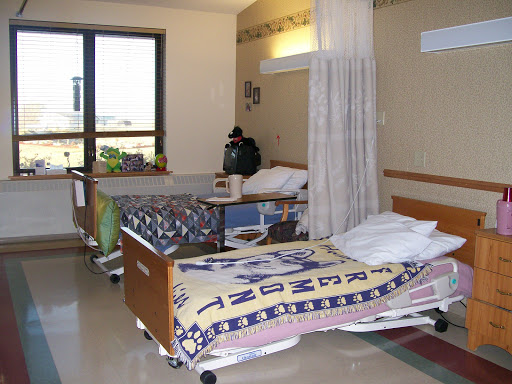





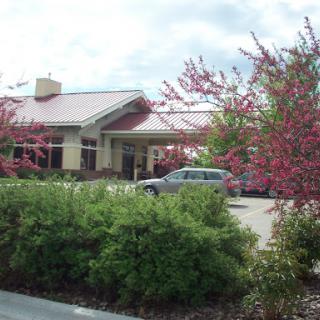
700 North Second Street, Ashton, ID 83420
For more information about senior living options: (866) 208-4318
Overall Review of Ashton Memorial Living Center
Pros
 The staff treat residents like family.
- The facility is an amazing place.
- Ashton Living Center is the most comfortable environment with the most caring people.
- The quality of care and treatment at all levels is consistently outstanding.
- The staff are knowledgeable, patient, and genuine.
- The staff truly love the residents and provide such great care.
Cons
 The staff are described as warehousing residents, waiting for them to die.
- She has been there for a year with limited physical therapy, limited work on getting her walking, and no activities to keep her mind working.
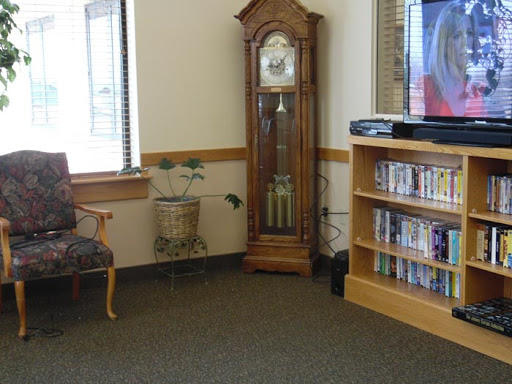
- She has deteriorated significantly because all she has to do is watch TV shows like Wheel of Fortune and The Price Is Right.
- The reviewer would give more stars if staff actively engaged all the seniors and made physical therapy a requirement.
- The reviewer believes she has given up due to a lack of hope.
Review
Ashton Memorial Living Center in Ashton, ID is best suited for seniors who want a warm, family-like care environment backed by solid skilled-nursing support and dependable short-term rehab potential. This community is particularly appealing to families and residents who place a premium on daily kindness, personalized attention, and the sense that staff truly treat residents as members of a close-knit household. For those whose primary goals include ongoing, highly structured activity calendars or aggressively proactive daily therapy, alternatives with more robust life-enrichment programs or more intensive therapy regimes may be a better fit.
The strongest endorsements center on the caregiving culture. Reviews consistently highlight staff, CNAs and nurses, as caring, patient, and genuine, delivering care that feels personal and attentive. The atmosphere is repeatedly described as comfortable and supportive, with anecdotes of staff going beyond basic duties to foster trust and a sense of safety. The rehab experience, in particular, is lauded when residents arrive from hospitalization or injury and find capable, compassionate hands guiding recovery. These elements, compassion, consistency, and skilled nursing, form the backbone of what families should expect here.
Yet, a recurring caveat exists. At least one review frames the center as “warehousing” and notes a troubling lack of proactive physical therapy and meaningful activities, implying a drift toward passive care for long-stay residents. The concern centers on insufficient opportunities to move, engage the mind, and maintain or improve function through structured programming. While not all residents experience this, the impression is powerful enough to warrant careful consideration for families prioritizing ongoing activity, routine mobility work, and cognitive stimulation.
Those pros and cons can be weighed against one another in a practical way. The standout caregiving quality and robust rehab potential help offset concerns about activity programming for many residents, especially in short-term or post-acute scenarios where recovery hinges on attentive hands-on care and dependable therapy. The consistent patient-centered approach can reduce loneliness and anxiety, which in turn supports physical healing and overall well-being. In environments where staff morale and resident trust are high, even days with lighter programming can still feel reassuring and meaningful.
For decision-makers, concrete questions can clarify fit. Ask about daily therapy hours and how PT is integrated into the routine, not just as a scheduled session but as an ongoing expectation. Request an up-to-date activity calendar and examples of individualized engagement plans for residents who are less mobile or more cognitively frail. Inquire about staff-to-resident ratios, how care plans are updated, and how family input is incorporated into long-term goals. Seeing an active, responsive schedule in practice is the clearest signal of alignment with expectations.
Overall, Ashton Memorial Living Center stands out as a compassionate, capable option with clear strengths in personalized care and skilled rehabilitation. The principal caveat, varying levels of emphasis on daily activities and proactive engagement, means it may not be the best match for residents whose priorities include a highly active social calendar or rigorous, constant physical therapy. With a 4.1 rating from eight reviews and a mix of strong five-star impressions alongside the noted concerns, this community constitutes a solid, trustworthy choice for the right resident: one who values warmth, reliability, and steady clinical care, and who can thrive with a caregiving team that treats daily care as a family affair. A thoughtful visit and candid discussions with staff will reveal how closely the atmosphere aligns with individual goals.
 38 resident community capacity
 Skilled Nursing Facility
 Beauty salon
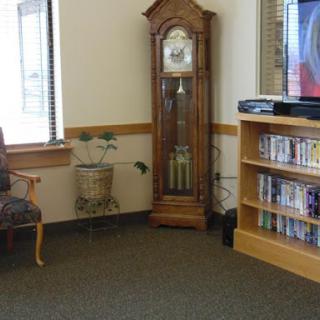
 Cable or satellite TV
 Dining room
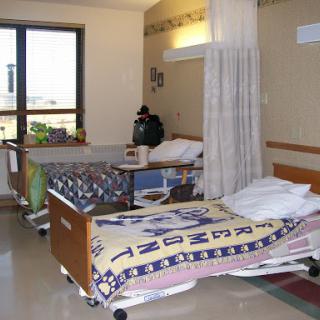
 Fully furnished
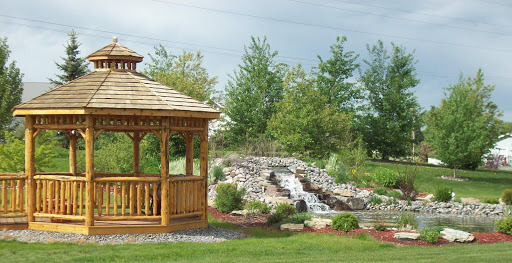
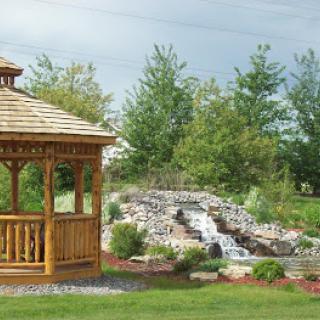
 Garden
 Housekeeping services
 Kitchenette
 Move-in coordination
 Outdoor space
 Restaurant-style dining
 Small library
 Telephone
 Wi-Fi/high-speed internet available
 24-hour call system
 Activities of daily living assistance
 Assistance with bathing
 Assistance with dressing
 Assistance with transfers
 Diabetes diet
 Medication management
 Mental wellness program
 Special dietary restrictions

 Comprehensive Approaches for Arthritis: A Detailed Guide to Symptoms, Causes, and Care
 Comprehensive Insights and Practical Strategies to Help Older Adults Avoid Falls
 6 Crucial Ways an Elder Law Attorney Assists Families