
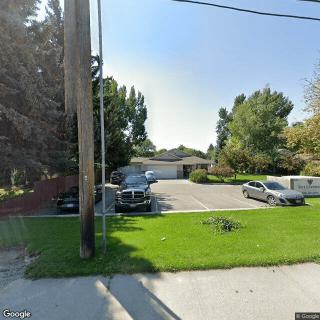
3685 West Highway 33, Rexburg, ID 83440
For more information about senior living options: (866) 208-4318
Overall Review of Briarwood Assisted Living
Pros
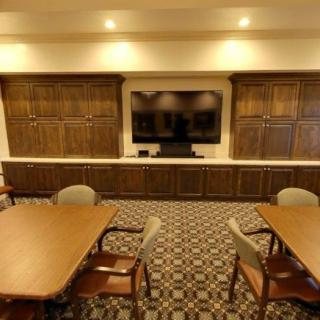
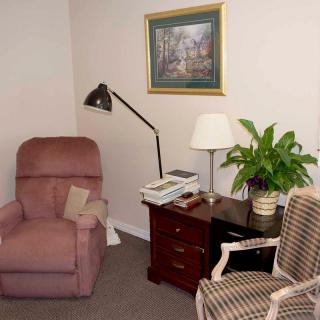
 The facility feels very homey and like a true home.
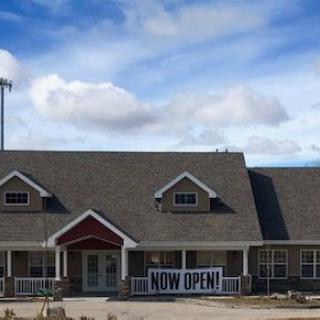
- It is a converted home that serves as a memory care unit, adding warmth.
- It offers a secure memory care environment with a locked yard and 24-hour CNAs.
- The staff, including owner/manager Hilary, are wonderful and attentive.
- Hilary explains everything clearly and answers questions well.
- They visit a resident's current home to assess needs before admission.
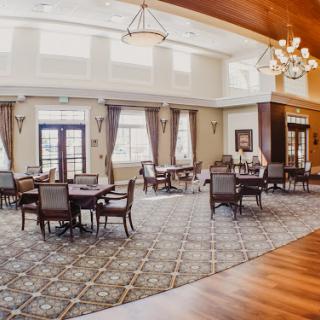
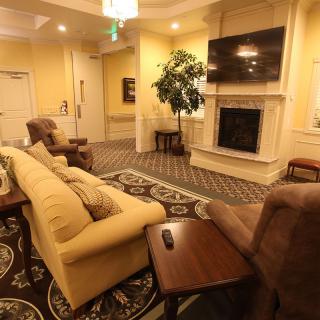
- The rooms are homey and not hospital-like, aiding transitions.
- Upkeep and cleanliness are excellent, and the on-site kitchen makes dining feel like home.
- The ownership and staff are involved, flexible, and trusted with loved ones.
Cons
 The memory care yard is locked in, so residents can’t escape or wander.
- There was no printed literature, no pricing sheets, and no fact sheets available; everything was verbal.
- The facility can only accommodate ten residents at most, indicating very limited capacity.
Review
Briarwood Assisted Living in Rexburg is best suited for families seeking a small, home‑style memory care option where staff‑to‑resident interaction remains intimate and straightforward. The facility feels like a house converted for care, so the atmosphere stays warm and noninstitutional. With a very limited resident count, roughly ten at most, the model is built for one‑on‑one attention and close supervision. A locked, contained yard for memory care reduces wandering risk, and 24‑hour CNAs are available to respond to needs without delay. Ownership involvement is a steady constant, and the leadership, notably Hilary, takes time to explain the path to admission and to tailor care before any move. For families prioritizing dignity, familiarity, and a smooth transition from home, Briarwood presents a compelling fit.
That said, Briarwood is not a universal answer for every care scenario. Several reviewers note a lack of printed literature, pricing sheets, or formal fact sheets, everything tends to be conveyed verbally rather than in a packet. The facility is undergoing management changes, which can create uncertainty for families seeking a stable, long‑term plan supported by transparent documents. The small footprint, while a strength for personalized care, also limits formal activities, amenities, and the breadth of programming available on site. These factors make Briarwood less attractive to families needing comprehensive cost transparency or a wide range of on‑site services.
The most persuasive positives, homey rooms, a genuine nonhospital vibe, and hands‑on ownership, consistently offset the potential drawbacks. Residents benefit from a setting that feels safer and more personal, with staff who know them by name and respond quickly to needs. The memory care configuration, including the secure outdoor space, directly supports safety and daily routine. Cleanliness and upkeep receive praise, and the kitchen‑style dining experience reinforces a sense of normalcy. The owners’ willingness to be flexible and to get involved in care planning creates a high‑trust environment; this, in turn, bolsters family confidence even when formal disclosures are less robust than desired.
That trust is a crucial offset to the cons. When pricing and service details aren’t laid out in advance, direct conversations with the owner or manager become essential; such conversations can still yield clear, practical guidance about what is included and what isn’t. The small size can be a strength, delivering individualized attention and quicker adjustments to changing needs, but it also means limited on‑site activities and a tighter inventory of furnishings or equipment. Yet these constraints often dissolve into advantages: caregivers know residents personally, transitions feel gentle, and the facility can pivot rapidly to accommodate evolving care plans without the bureaucracy of a larger campus.
For families evaluating Briarwood, the primary fit is clear: those who want a keeper‑style, low‑key environment for memory care, where a small team delivers consistent, personalized care and the owners stand behind the plan. It is especially well suited for seniors who benefit from a home atmosphere, families who value a direct, relationship‑driven intake process, and residents who don’t require expansive medical infrastructure or a wide menu of activities. Those seeking a large, highly structured community with expansive programming, formal pricing documentation, or advanced rehabilitation services may want to consider alternatives that better meet those expectations.
Actionable next steps are straightforward. Schedule a visit with Briarwood to observe the daily routine, meet the care team, and gauge the consistency of caregiver assignments. Request a detailed care plan, a current list of services included in the rate, and a written explanation of any additional charges. Inquire about staffing ratios during day and night shifts, and ask how care plans are updated as needs evolve. If possible, discuss a potential short trial period to assess fit, confirm space availability, and explore the process for coordinating with family on specific preferences. Briarwood’s strongest selling points, personalized attention, a homey environment, and engaged ownership, should be weighed against the need for more formalized documentation and a broader service footprint before making the final commitment.
 11 resident community capacity
 Assisted Living
 Cable or satellite TV
 Dining room
 Fully furnished
 Garden
 Housekeeping services
 Move-in coordination
 Outdoor space
 Respite or short term stays offered
 Telephone
 Wi-Fi/high-speed internet available
 24-hour supervision
 Activities of daily living assistance
 Assistance with bathing
 Assistance with dressing
 Assistance with transfers
 Diabetes diet
 Meal preparation and service
 Medication management
 Special dietary restrictions
 Transportation arrangement (medical)
 Transportation to doctors appointments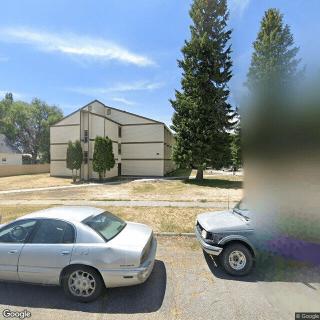
 Funding and Affording Assisted Living: A Thorough Overview
 Assisted Living Expenses and Long-Term Care Insurance: A Comprehensive Exploration
 Securing Financial Support for Assisted Living: A Comprehensive Overview