



290 North 4064 East, Rigby, ID 83442
For more information about senior living options: (866) 208-4318
Overall Review of Sage Grove Assisted Living
Pros
 The staff love and take care of residents as if they were family.
- The food is cooked daily and is not frozen.
- Laila and Amy are awesome and care about the residents.
- The environment is very good, and management takes good care of staff and residents.
- The facility is very clean, and the staff is very friendly.
- The staff treated the grandpa with personal care and dignity, took time to get to know him, and communicated well.
- Amy, the owner, is gentle and loving toward the residents and clearly cares about the people she is responsible for.
- The staff were really good to the mother and kept everything very clean and nice, taking very good care of her.
Cons
 They talk a big game but didn't deliver.
- They seemed incredibly short staffed and unable to care for residents.
- A nurse admitted to pushing the resident.
- They had no transition plan, so the resident became anxious and aggressive.
- When the mom was moved out, she had bruising and a UTI.
Review
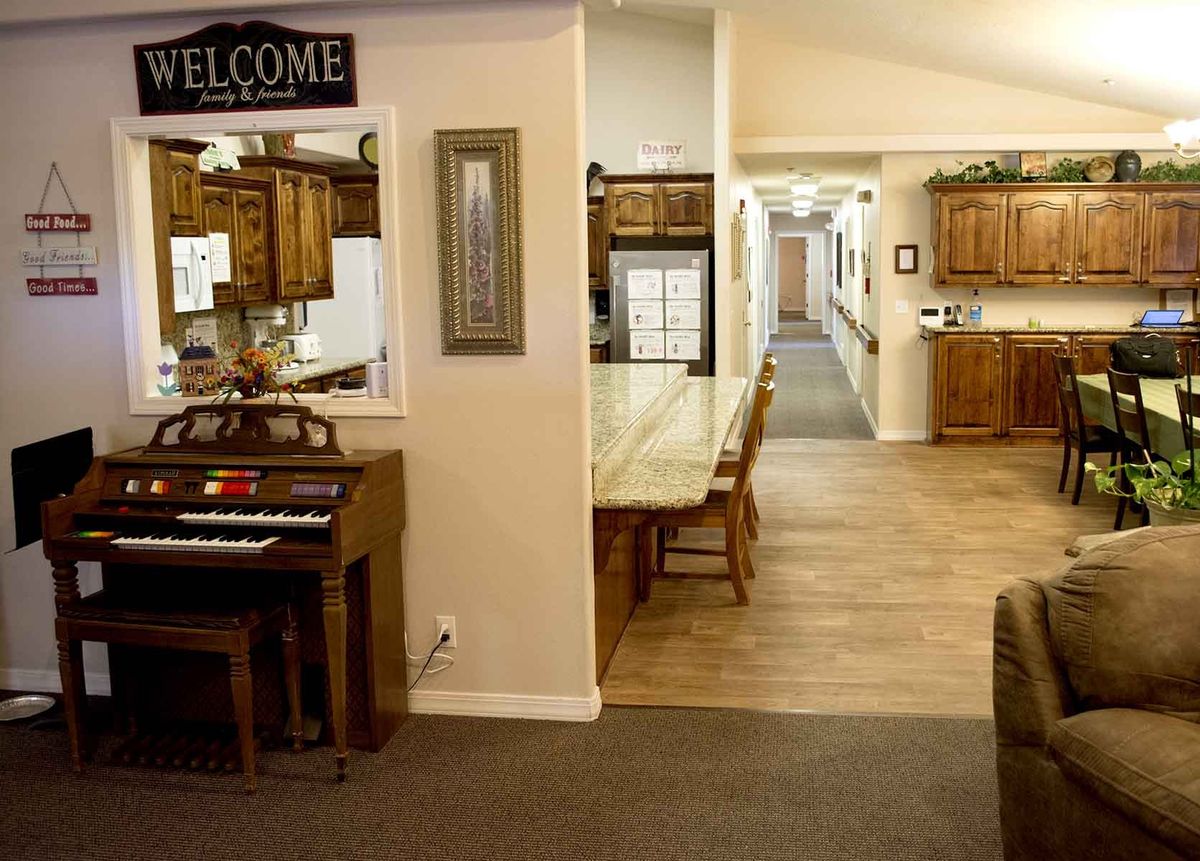
Sage Grove Assisted Living in Rigby is best suited for families that prize a warm, home-like atmosphere where care feels personal and residents are treated like family. The community shines for residents who thrive on tangible daily kindness from staff and for families willing to embrace a smaller, intimate operation where caregivers are approachable and readily communicate. Those needing highly regulated medical oversight, around-the-clock nursing, or a rigorously structured transition process may want to explore alternatives. The core appeal rests on a culture of genuine affection from caregivers and leadership that prioritizes everyday quality of life, supported by clean, comfortable spaces and on-site cooking that makes meals feel like home.
Multiple reviews underscore a strong, affection-driven caregiving core. Staff are described as loving and devoted, with owners who engage in a gentle, patient approach that treats residents with dignity. Laila and Amy are singled out for exceptional care, and families repeatedly note that the environment is friendly and well-maintained. Cleanliness is consistently highlighted as a strength, and on-site cooking, rather than frozen meals, conveys a commitment to routines residents recognize and appreciate. The combination of personal attention, open lines of communication with management, and visible respect for residents’ histories and preferences creates a sense of trust for families evaluating next steps.
Yet a meaningful counterweight appears in the area of staffing stability and transition management. A thread of understaffing is surfaced by several reviewers, with concerns about care plans not always being implemented smoothly during transitions. One particularly troubling account describes moving a mother in without a transition plan, leaving her anxious and aggressive, and a nurse allegedly pushing her. After the move, bruising and a urinary tract infection were reported in a separate incident. Another reviewer captures a perception that promises were made but not fulfilled. Taken together, these incidents raise legitimate questions about consistency, safety, and the capacity to sustain high-touch, patient-centered care on a steady basis.
Families who cannot tolerate even intermittent lapses in safety or who rely on robust clinical oversight should seriously consider alternatives. The same caution applies to residents with memory challenges or complex medical needs who require guaranteed, responsive nursing care around the clock, or families seeking formal, easily verifiable transition planning with dedicated care coordinators. Larger facilities with established staffing models and documented safety records may offer a more predictable level of medical support and incident management, reducing anxiety for those prioritizing clinical certainty over a homelike feel.
Despite the cons, Sage Grove’s strengths can offset the drawbacks for many families. The emotional warmth and genuine engagement from staff create a welcoming sanctuary where dignity is preserved and companionship flourishes. The on-site, home-cooked meals and the overall cleanliness contribute to a predictable daily rhythm that calms residents and reassures families. When care is consistently attentive and staff know residents’ histories and preferences, the risk of feel-good romanticizing of care diminishes; instead, families observe real, personal connections that can sustain a resident’s happiness even if staffing shifts occur on occasion.
For families weighing a solid, heart-centered option against the need for consistent clinical control, the recommended approach is concrete and purposeful. Schedule deliberate visits at different times of day, observe how staff interact with residents, and assess how transitions are managed in practice. Ask for the actual nurse-to-resident ratio, request a detailed transition plan template, and review any incident reporting processes and state inspection records. Seek references who can speak to safety, continuity of care, and day-to-day reliability. In the end, Sage Grove is a practical fit for those who value a compassionate, intimate setting and are comfortable with occasional staffing variability, while alternatives are a smarter choice for families prioritizing rigorous medical oversight and ironclad safety and transition planning.
 22 resident community capacity
 Assisted Living
 Board and Care Home
 Memory Care
 Respite Care
 Beauty salon
 Cable or satellite TV
 Dining room
 Fully furnished
 Garden
 Housekeeping services
 Kitchenette
 Move-in coordination
 Outdoor space
 Telephone
 Wi-Fi/high-speed internet available
 Idaho Falls Regional (14 miles away)
 24-hour call system
 Activities of daily living assistance
 Assistance with bathing
 Assistance with dressing
 Assistance with transfers
 Diabetes diet
 Hospice waiver
 Meal preparation and service
 Medication management
 Mental wellness program
 Special dietary restrictions
 Transportation arrangement (medical)
 Transportation to doctors appointments







 22 Remarkable Caregiver Support Groups Available Online and In-Person
 Understanding Medicaid Coverage for Assisted Living: A Comprehensive Guide
 How and When Medicaid May Cover Assisted Living Costs