Teton Valley Hospital Home
Save
23 S 8th St, Ashton, ID 83420
For more information about senior living options: (844) 490-3973
What level of care are you interested in?

Assisted Living

Memory Care

Independent Living

Skilled Nursing Facility

Continuing Care Retirement Community (CCRC)CCRC

Other
Teton Valley Hospital appears to be a place where some visitors have had life-affirming, compassionate care in urgent situations, while others have left with lasting frustration over billing, administrative missteps, and communication gaps. The stories cover a wide spectrum: awe at how quickly a child in distress is seen and soothed; gratitude for kind and professional nurses; and, on the other end, repeated complaints about opaque charges, unreturned phone calls, and a billing process that many describe as disjointed and unresponsive. Taken together, the accounts paint a hospital that can deliver excellent bedside care in moments of need, but struggle with the back-end systems that govern billing, follow-up, and client service.
On the most heartening end of the spectrum, several reviewers recount positive ER experiences that left them feeling cared for and supported during frightening moments. One family who was vacationing with a 5-year-old child described seeing the team quickly and attentively in a stridor situation, with every staff member they encountered showing care, professionalism, and compassion. The child even left with a sticker for bravery, a small gesture that meant a great deal in the moment. Another account highlights Dr. Mcune and the ER nurses as especially attentive the night of a scary fall, with the entire staff making the patient feel safe and well cared for from start to finish. There are repeated mentions of staff being welcoming, kind, and personable, and the overall vibe inside the hospital being described as positive and supportive even in high-stress circumstances.
Beyond the compassionate bedside care, some reviewers singled out specific departments and staff for their professionalism. The financial department, in particular, was praised by at least one person for assisting during a time of need, and a few patients noted that records staff and the transfer of imaging and reports to surgeons were handled efficiently. The overall sense is that when the hospital functions smoothly, the people working there want to help, listen, and move things forward in an empathetic way. This warmth and effectiveness in direct patient care contrast with the more critical notes about the hospital's administrative and billing processes, suggesting a split between in-room bedside experiences and back-office operations.
A substantial portion of the negative feedback centers on billing and administrative issues that left patients discouraged, overwhelmed, or financially strained. Several reviewers describe repeated problems with text communications and opt-out requests that were not honored, with one writing that the hospital's systems feel outdated and in need of modernization. Others report feeling nickel-and-dimed by charges that seemed excessive for what was received, including statements about significant bills for relatively short visits, and concerns that scans or test results were not meaningfully shared with them. The impression left by these accounts is of a billing process that is opaque, slow to respond, and frustratingly difficult to navigate, especially for patients who are not local and may have to communicate remotely.
The most pointed criticisms focus on the sheer cost of care and the lack of clarity around bills. One reviewer described a $10,000-plus charge for a single visit, with later issues in printing or sharing radiology images and a sense that the patient was left with little understanding of what drove the cost. Another account described a $1,300 bill for a cough, with tests and medications that supposedly would have amounted to far less in other settings, followed by ongoing difficulty in reaching anyone in billing to discuss the charges. The situation escalated to threats of collections, months of unanswered calls, and a feeling that the hospital was unresponsive to patient requests for explanations or adjustments. A recurring theme is the mismatch between the care received during the emergency encounter and the subsequent administrative experience that can feel punitive rather than supportive.
Several reviewers also describe experiences that undermine trust in the medical advice given. Comments about missed or questioned diagnoses appear in a few narratives, including one where a patient felt certain injuries were not acknowledged or treated adequately, and later, retrospective notes suggesting more serious injuries that may have been overlooked. Such anecdotes contribute to a broader sense of unease regarding communication and diagnostic thoroughness alongside claims of "missed" issues. In some cases, visitors also described the emotional impact of treatment decisions and a perception that suggestions or reassurances did not fully align with their lived experience of pain and injury.
There is also feedback about the social dynamics within the hospital setting. Some reviewers mentioned the front desk and ER staff as being distracted or loud at times, with complaints about conversations carried on in ways that felt disrespectful or interfere with a patient's ability to hear medical explanations. A few accounts describe personnel gossiping in view of patients, which further colored impressions of professionalism and respect in what should be a focused, patient-centered environment. These qualitative notes contribute to an overall impression that, while the clinical care can be excellent, the hospital's culture and environment can sometimes detract from the patient experience.
A notable thread in the collection is the recommendation that potential patients consider alternatives for certain services or when dealing with billing. Some reviewers explicitly compare Teton Valley Hospital unfavorably to other facilities, suggesting that St. John's in Jackson is a stronger option for some scenarios, and urging readers to weigh the costs and the efficiency of communications before seeking care. Others acknowledge that even those with positive clinical interactions still faced persistent administrative hurdles, leaving a mixed overall impression. This tension between high-quality clinical care and problematic administrative and billing experiences appears to be a defining feature of the hospital's consumer perception.
In sum, the experiences at Teton Valley Hospital range from highly commendable medical care delivered with warmth and efficiency, to frustrating, financially burdensome, and sometimes opaque administrative practices that erode trust. Families and individuals who needed urgent, compassionate care during frightening moments describe moments of relief and gratitude for the clinical teams, while those who navigated the billing and communications systems report ongoing frustration, perceived lack of transparency, and stress associated with costs and debt collection. The hospital, as reflected by these reviews, seems capable of extraordinary patient-facing care, but requires attention to administrative consistency, clear communication, and a more responsive approach to billing and outreach if it hopes to deliver a uniformly reassuring experience from intake to discharge.
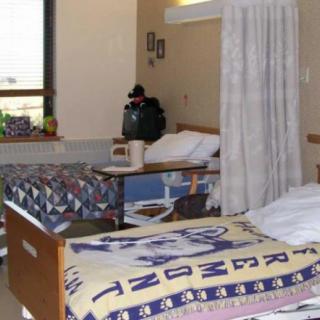
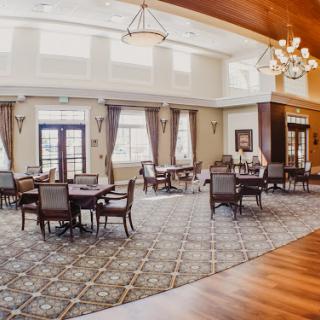
The Teton Valley Hospital Home in Ashton, ID is a welcoming assisted living community conveniently located near various amenities. With three cafes nearby, residents can easily enjoy a cup of coffee or meet friends for a casual meal. The presence of four nearby parks provides opportunities for outdoor leisure activities and peaceful nature walks.
For any medical needs, there is one pharmacy and one physician's office in close proximity to the community, ensuring prompt access to healthcare services. Additionally, nine restaurants nearby offer an array of dining options for residents to explore and enjoy.
Transportation options are readily available with one transportation service nearby, allowing residents to conveniently travel within the town or visit nearby areas.
For those seeking spiritual fulfillment, eight places of worship neighbouring the community cater to various religious affiliations, providing a sense of belonging and community support.
Overall, the Teton Valley Hospital Home in Ashton, ID offers an ideal location that combines convenience, leisure opportunities, and access to essential services for seniors in need of assisted living care.
Ashton, Idaho is a peaceful small town with a strong sense of community and access to essential services. The town has convenient amenities such as pharmacies like Ashton Community Pharmacy and Falls Drug and Hardware, as well as healthcare facilities like Ashton Medical Clinic and Upper Valley Community Health Services. Places of worship such as Ashton Community United Methodist Church and Berean Baptist Church offer spiritual support, while restaurants like El Rincon and Ott's Place provide dining options. For outdoor recreation, Ashton City Park and Targhee National Forest are nearby. With Madison Memorial Hospital located about 23.5 miles away, residents can rest assured knowing that quality healthcare is within reach. Overall, Ashton offers a quiet and supportive environment for seniors looking to enjoy their retirement years.
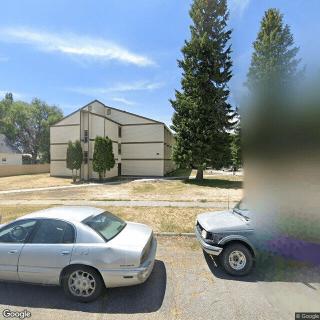
Teton Valley Hospital Home is located at 23 S 8th St, Ashton, ID 83420 in Fremont County, Idaho
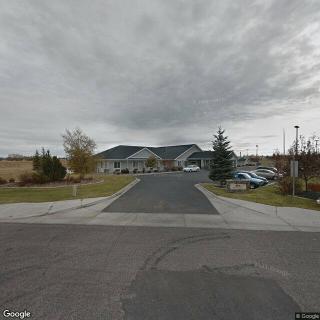
Ashton Memorial Living Center
Ashton, ID
24-hour supervision with comprehensive care (ADLs, medication management) and restaurant-style dining.

Ashton Memorial Living Center reviews
Ashton Memorial Living Center images
Homestead Assisted Living Centers Inc St Anthony
Saint Anthony, ID
Compassionate, family-owned staff with attentive care and home-cooked meals in a clean, welcoming setting.
Homestead Assisted Living Centers Inc St Anthony costs
Homestead Assisted Living Centers Inc St Anthony reviews
Homestead Assisted Living Centers Inc St Anthony images
Madison Carriage Cove Short Stay Rehabilitation
Rexburg, ID
Fully furnished rooms with restaurant-style dining and 24/7 care.
Madison Carriage Cove Short Stay Rehabilitation reviews
Madison Carriage Cove Short Stay Rehabilitation images
A Closer Look at Private Pay Home Care
Private pay home care offers a flexible caregiving option for older adults and families who don't qualify for government programs, allowing them to directly fund in-home care services that range from daily assistance to specialized support. This model's customization potential enables aging in place while addressing financial considerations through strategic planning options, though clients must navigate marketplace challenges and ensure quality compliance.
Comprehensive Approaches for Arthritis: A Detailed Guide to Symptoms, Causes, and Care

Arthritis encompasses over 100 joint disorders affecting people of all ages, leading to symptoms like pain and stiffness that impair mobility and quality of life. Effective management involves early diagnosis, lifestyle changes, medical treatments, emotional support, and ongoing monitoring with healthcare professionals.
Comprehensive Insights and Practical Strategies to Help Older Adults Avoid Falls
The article highlights the high risk of falls among older adults due to factors like muscle weakness, vision issues, and environmental hazards, with one in four experiencing a fall annually. It advocates for a comprehensive prevention approach that includes exercise, home safety modifications, medication management, social support, and caregiver involvement.