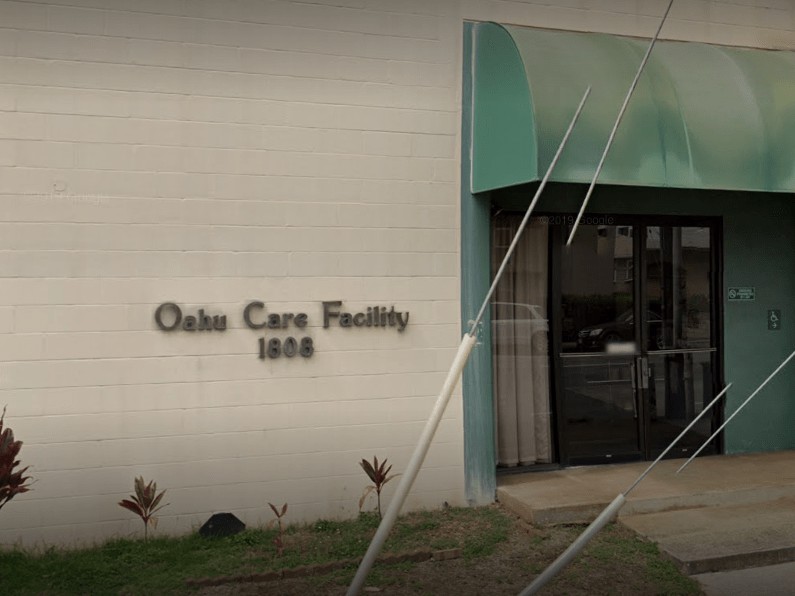
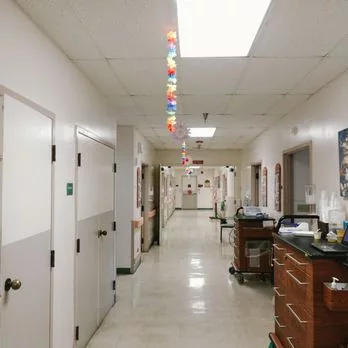
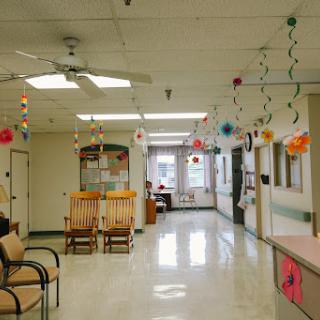
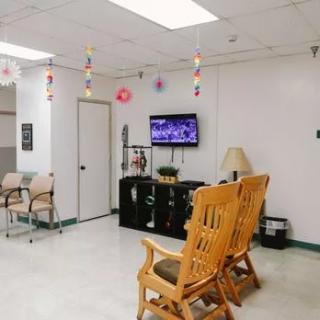
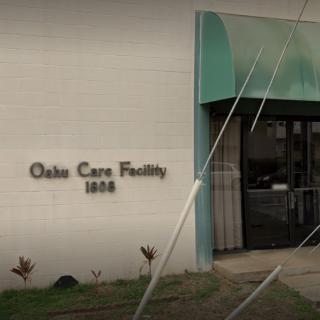



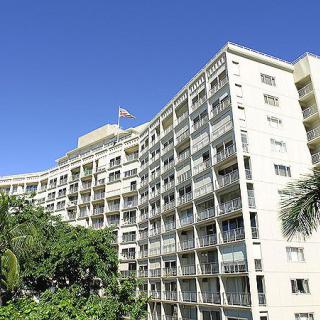
1808 South Beretania Street, Honolulu, HI 96826
For more information about senior living options: (866) 208-4318
Overall Review of Oahu Care Facility
Pros
 The staff is excellent and unfailingly kind and compassionate across all levels of care.
- The care team, from custodial personnel to doctors, demonstrates consistent kindness and compassion.
- During several weeks of recovery, the staff provided excellent, caring support.
- The overall experience reflects professional and compassionate care from the entire team.
Cons
 The facility failed to adhere to the primary care physician's specific care instructions.
- Their negligence led to the reviewer’s mother-in-law being transferred by ambulance to another facility.
- Questions and concerns raised by the reviewer were never addressed.
- There was a perceived lack of accountability during Covid.
- The experience was frightful; the isolation was unprofessional; and the care was questionable.
- The reviewer warns to avoid the facility at all costs, citing understaffing and poor prioritization, and notes that the grandmother is treated poorly and is miserable, with the place described as ghetto.
Review
Oahu Care Facility in Honolulu is best suited for seniors who have recently undergone surgery or need short-term skilled care and who prize a genuinely warm, hands-on staff environment. When staffing is adequate, residents benefit from a coordinated, approachable team across custodial staff, CNAs, RNs, therapists, and physicians who demonstrate steady kindness and attentiveness. For families seeking visible, person-centered care from frontline workers during recovery or early post-acute phases, this community can deliver meaningful reassurance and practical support that smooths the transition back to daily life.
Those with complex medical regimens or fragile health should consider alternatives. Several reviewers flagged lapses in following specific care instructions and unanswered questions, culminating in an ambulance transfer and relocation in at least one case. Safety and accountability concerns, especially around strict medical management, make this a riskier choice for residents who depend on rigorous oversight or who require precise adherence to physician orders to prevent deterioration.
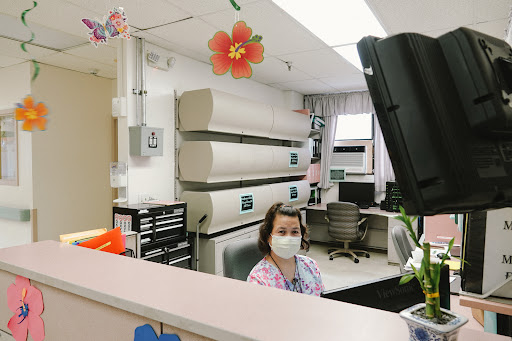
On the positive side, the staff culture stands out when operations are humming. A resident recovering from major surgery praised the entire team for unfailingly kind care, from housekeeping to CNAs, RNs, physical therapy, and doctors, creating a supportive atmosphere that can be essential to rehabilitation. The breadth of roles within the care team means a resident can access a broad spectrum of services without leaving the building, and the consistent warmth can ease anxiety during recovery or routine adjustment. This quality of interaction and accessibility is the facility’s core strength and a compelling argument for families who want visible, compassionate engagement.
Yet the red flags cannot be dismissed. Critics describe care instructions not being followed and questions going unaddressed, with consequences serious enough to require emergency transfer. Accountability appears uneven, and some residents perceived isolation or prioritization misaligned with well-being. Such impressions hint at staffing gaps or management challenges that undermine trust in everyday care and long-term safety. When these dynamics surface, they overshadow otherwise positive moments and erode confidence in consistent, high-quality outcomes.
In weighing the pros against the cons, the balance tilts toward care fidelity and reliability. The strong, compassionate staffing can offset many day-to-day frustrations for residents with moderate medical needs and robust family advocacy, but the same strengths have limited reach where medical instructions are at risk of being overlooked. For residents who can benefit from hands-on, nurturing staff and do not require highly intricate medical management, the facility can be a solid fit. For those with high medical complexity, fixed treatment protocols, or a history of accountability concerns, the cons are likely to outweigh the benefits.
Practical next steps matter. Families should schedule in-person visits, observe care workflows, and speak directly with the director of nursing about staffing levels, turnover, and how care plans are audited for adherence. Request recent incident reports and inquire about how physicians’ orders are tracked and enforced, including who oversees daily compliance and how concerns are escalated. Given the mixed reputation, strong praise for staff warmth paired with significant cautions about accountability and medical oversight, this community warrants careful, targeted vetting. In Honolulu, Oahu Care Facility represents a viable option for certain recovery-oriented residents, but the decision should rest on whether the priority is reliable medical adherence and proactive oversight, or whether a different setting with a clearer track record in those areas is more aligned with the family’s risk tolerance and care expectations.
 82 resident community capacity
 Skilled Nursing Facility
 Air-conditioning
 Beauty salon
 Cable or satellite TV
 Computer center
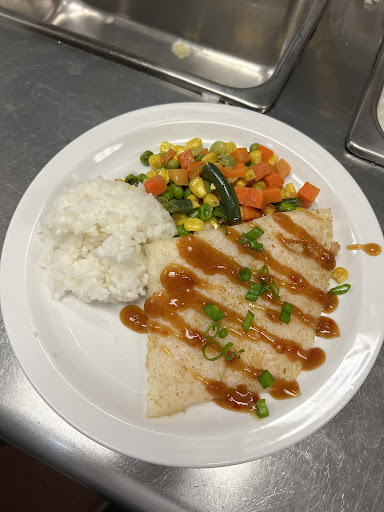
 Dining room
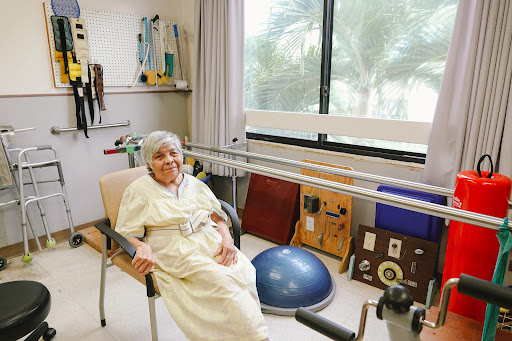
 Fitness room
 Fully furnished
 Gaming room
 Garden
 Housekeeping services
 Kitchenette
 Move-in coordination
 Outdoor space
 Private bathrooms
 Restaurant-style dining
 Small library
 Telephone
 Wellness center
 Wi-Fi/high-speed internet available
 Honolulu International (6 miles away)
 Community operated transportation
 12-16 hour nursing
 24-hour call system
 Activities of daily living assistance
 Assistance with bathing
 Assistance with dressing
 Assistance with transfers
 Diabetes diet
 Medication management
 Mental wellness program
 Special dietary restrictions
 Concierge services
 Planned day trips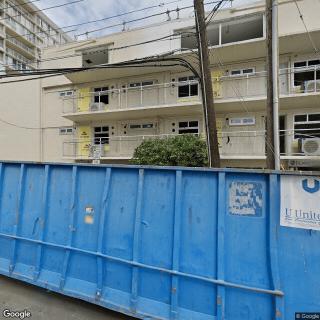





 Understanding the Nuances of Palliative Care and Hospice: A Comprehensive Exploration
 Is In-Home Healthcare Tax Deductible? Your Comprehensive Guide
 Nurturing Well-Being Through Gardening: A Detailed Guide for Senior Enthusiasts