Overall Review of Pruitthealth - Holly Hill
common
23 reviews mention this
Staff care feels consistent
Residents and families repeatedly describe staff as kind, helpful, and attentive.
Many reviewers highlight caring, responsive staff—CNAs, nurses, social services, and administrators—who keep families informed and prioritize residents’ well-being. Several mention smooth coordination from admission through the adjustment period. Others specifically describe patience, professionalism, and compassion toward both residents and families, along with staff that answers questions and treats residents like family. The community also offers a 24-hour call system and 24-hour supervision, which aligns with reviewers expecting around-the-clock care support.
caveat
11 reviews mention this
Communication and staffing concerns
Some residents’ experiences include understaffing and breakdowns between shifts.
A recurring concern is that staffing levels or shift coordination can affect care, with multiple reviewers describing being left waiting, limited interaction, or issues on night shift. Others report poor communication, including difficulty getting timely answers, concerns about how care is scheduled, or differences between day and night care. There are also direct complaints about problems handling patient needs during rehabilitation stays. At the same time, the community is described as offering 24-hour supervision and an around-the-clock call system, so these reports point to inconsistent day-to-night execution rather than the overall care model.
common
3 reviews mention this
Food quality stands out
Food is a frequent bright spot in resident and family feedback.
Some reviewers explicitly praise the quality of the food, describing it as great or excellent. Others mention themed activities and gatherings where the food was part of what residents enjoyed. The community also provides restaurant-style dining and meal preparation and service, which matches the positive dining experiences described in the reviews.
common
4 reviews mention this
Activities keep residents engaged
Residents and families often mention events and organized activities.
Several reviewers describe a calendar of engagement, including events and resident-centered entertainment like chair exercise and karaoke-style gatherings. One reviewer also mentions a community-hosted family holiday event, describing strong staff dedication to making it happen. The community offers scheduled daily activities, planned day trips, and resident-run activities, and the reviews reflect that residents are not just staying in rooms but participating in group moments.
caveat
7 reviews mention this
Cleanliness and repairs vary
Cleanliness and maintenance reports range from very clean to serious concerns.
A number of reviewers praise the facility as very clean and describe welcoming, tidy spaces. Other reviews raise sharp complaints involving bugs, mold, roaches, and unsanitary or unsafe personal care, along with issues like missing personal items and cleanliness problems noted on fixtures and surfaces. Separate mentions also point to updates and renovations, including new flooring and furniture, suggesting ongoing improvement alongside some unresolved maintenance concerns. The community’s housekeeping services and outdoor space availability may support upkeep, but the reviews indicate results aren’t consistent for everyone.
differentiator
5 reviews mention this
Care support for rehab
For rehab and skilled nursing, reviewers discuss both progress and service gaps.
Some families describe rehabilitation stays where staff show patience and professionalism, keep them informed about progress, and support recovery goals. Others report that rehab needs weren’t consistently met, including issues with how frequently care was delivered and medication or pain management during the stay. This aligns with the community being a skilled nursing facility offering services like medication management and assistance with daily activities, but the reviews show those services may not be experienced uniformly. Overall, reviewers treat the care model as capable, while calling out specific execution problems in some cases.
How we summarize
Counts show how many written reviews mention each theme; a review can touch several themes, and only frequently mentioned themes are displayed.

 100 resident community capacity
 Skilled Nursing Facility
 Air-conditioning
 Beauty salon
 Cable or satellite TV
 Computer center
 Dining room
 Fitness room
 Fully furnished
 Gaming room
 Garden
 Housekeeping services
 Kitchenette
 Move-in coordination
 Outdoor space
 Private bathrooms
 Restaurant-style dining
 Small library
 Telephone
 Wellness center
 Wi-Fi/high-speed internet available
 Valdosta Regional (6 miles away)
 Community operated transportation
 12-16 hour nursing
 24-hour call system
 Activities of daily living assistance
 Assistance with bathing
 Assistance with dressing
 Assistance with transfers
 Diabetes diet
 Medication management
 Mental wellness program
 Special dietary restrictions
 Concierge services
 Planned day trips
 Responsive staff, clean facility, good dietary accommodations, and engaging activities.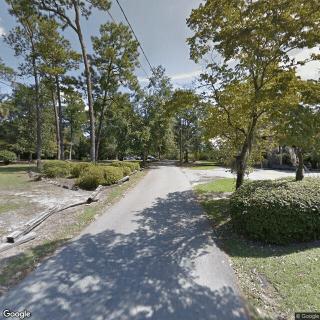


 A Detailed Exploration of Living Wills and Advance Directives
 Comprehensive Guide to Medicare Coverage for Hospice Care
 Caring for Those Who Care: Recognizing, Understanding, and Overcoming Caregiver Burnout