
26 Van Horne Street, Tybee Island, GA 31328
For more information about senior living options: (866) 208-4318
Overall Review of Savannah Beach Health And Rehab
Pros
 The team collaborates well to take care of their residents.
- Management and staff are caring and thoughtful.
- The staff's competency is great.
- The physical plant is older but clean.
- The facility is right on the beach and is a great place to live.
- Some staff members handle difficult situations admirably and earn respect.
Cons
 The facility is absolutely despicable and not suitable for a loved one.
 - There is a constant, overpowering smell of urine and sickness throughout the place.
- The staff are rarely seen and do not provide proper care, especially overnight.
- The food looks like mush and is served on flimsy paper plates with plastic wrap.
- The organization is predatory and preys on the less fortunate.
- The facility is dirty, run down, and poorly maintained, with a pervasive odor.
- There are serious safety issues, including an ant infestation, brown stains on walls, and non-working sinks or locked bathrooms.
- Personal items are stolen, such as clothes.
Review
Savannah Beach Health and Rehab is best suited for families who must prioritize location and cost, and who can tolerate a facility that carries significant questions about care quality. The beachfront setting on Tybee Island offers appeal for residents who want to stay connected to the coast, but this is not a place for those demanding rigorous, consistent clinical oversight or pristine, odor-free environments every day. It works for seniors whose families can stay actively involved, monitor daily care, and step in quickly if concerns arise. For anyone with high medical or safety needs, this community is not the ideal match.
Those weighing this option should seriously consider alternatives if a loved one requires dependable 24/7 skilled nursing, robust night coverage, or a consistently clean, well-maintained environment. The reviews collectively flag substantial red flags around safety, cleanliness, and reliable staffing. If memory care, severe mobility limitations, frequent assistance with complex medical tasks, or a history of aspiration risk exist, it is prudent to look at other facilities with stronger regulatory records and more predictable bedside care before deciding.
On the upside, the facility does receive occasional praise for supportive colleagues and a team that collaborates to care for residents, and some reviewers acknowledge caring management and staff. The physical plant is older, but several accounts describe it as clean, and the beachfront location remains a potential draw for families who can combine oversight with their own visits. These positives offer a glimmer of reliability in a setting that otherwise raises serious concerns, especially for families who can be present and engaged.
The dominant concerns, however, are hard to overlook. Multiple reviewers report pervasive odor, cleanliness lapses, and even infestations, with complaints about maintenance gaps, locked or malfunctioning bathrooms, and items like clothes going missing. Night shift coverage is described as insufficient, leaving residents without timely help at critical moments. One particularly grave accusation centers on a feeding-tube incident that allegedly led to aspiration and pneumonia, contributing to a resident’s death shortly after placement. Additional anecdotes claim overall neglect, poor meal quality, and a culture where staff turnover or disengagement undermines daily safety. Taken together, these themes signal a facility where risk to vulnerable residents can escalate quickly.
If the decision is to pursue this community, a disciplined due-diligence plan is essential. Demand a current, facility-specific inspection history and recent corrective actions; insist on transparent, up-to-date nurse-to-resident ratios and night-shift coverage schedules; request a tour during variable times to observe staffing in action and to gauge responsiveness, both in common areas and resident rooms. Talk to multiple families and, where possible, to current residents or family council members about ongoing care, cleanliness, and meal quality. Require concrete care plans, regular wound care or feeding-tiber management reviews, and evidence of robust infection control practices. And given the location, still compare with other nearby options that may offer stronger safety profiles, better staffing consistency, and a track record of clean, well-maintained environments.
In the end, Savannah Beach Health and Rehab presents a paradox: potential advantages from a favorable location and glimpses of competent, caring staff, offset by persistent reports of neglect, cleanliness failures, and unstable care. This is a facility to approach with extreme caution. It is most defensible for families who can assert daily, hands-on oversight and who have compelling reasons to stay in Tybee Island, while actively screening for improvements and ready to pivot if care quality declines. For most situations, especially where safety, cleanliness, and reliable caregiving are nonnegotiable, consider alternatives with stronger track records and verifiable standards.
 50 resident community capacity
 Skilled Nursing Facility
 Beauty salon
 Cable or satellite TV
 Dining room
 Fully furnished
 Garden
 Housekeeping services
 Kitchenette
 Move-in coordination
 Outdoor space
 Restaurant-style dining
 Small library
 Telephone
 Wi-Fi/high-speed internet available
 Savannah International (22 miles away)
 24-hour call system
 Activities of daily living assistance
 Assistance with bathing
 Assistance with dressing
 Assistance with transfers
 Diabetes diet
 Medication management
 Mental wellness program
 Special dietary restrictions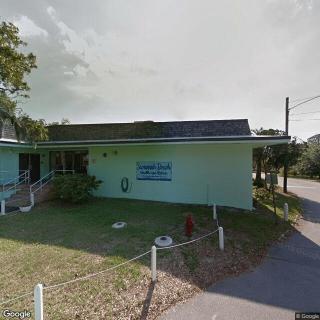






 Home Health Care Aides: Understanding Their Role and Supporting Your Family
 Urinary Tract Infections in Older Adults: Comprehensive Insights on Symptoms, Treatment, and Prevention
 California's Form 602A: An In-Depth Examination of Senior Care Assessment