124 Ropemaker Lane, Savannah, GA 31401
To contact a resident: (912) 323-8552
For more information about senior living options: (866) 208-4318
Paradise Adult Care Costs & Pricing
Paradise Adult Care offers competitive pricing for its residents, with monthly costs reflecting a commitment to affordability and quality care. For a semi-private room, residents pay $1,800, which is significantly lower than both the average cost in Chatham County at $2,830 and the state average of $2,529. Similarly, the private room option is priced at $2,000, again offering a more economical choice compared to Chatham County's average of $3,077 and Georgia's overall average of $2,864. These rates not only highlight Paradise Adult Care as an attractive option within the region but also underscore its dedication to providing accessible services without compromising on care quality.
| Floor plans | Paradise Adult Care | Chatham County | Georgia |
|---|---|---|---|
| Semi-Private | $1,800 | $2,830 | $2,529 |
| Private | $2,000 | $3,077 | $2,864 |
Senior living communities with a similar price nearby
-
About the same

The Seabrook of Hilton Head, a CCRC
$1,749 to $2,334 / month15.9 miles away -
from +$340 / mo
Magnolia Manor On The Coast
$2,140 to $3,629 / month19.0 miles away -
About the same
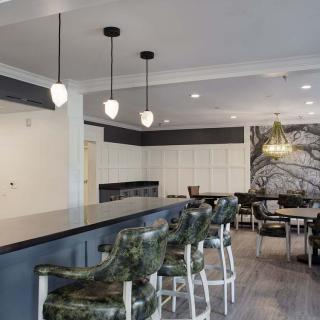
The Social at Savannah
$1,795 to $4,030 / month9.9 miles away -
from +$209 / mo
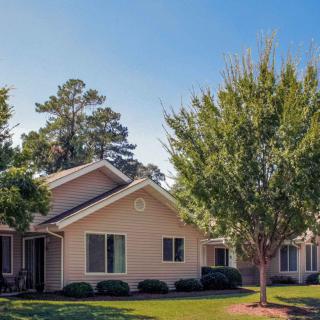
Holiday Rivers Edge
$2,009 to $3,099 / month5.9 miles away -
from +$200 / mo
AccordCare - Savannah, GA
$2,000 to $2,500 / month7.6 miles away
Overall Review of Paradise Adult Care
Pros
 The caregiver is very nice.
- The residents are very nice and enjoy having a visitor.
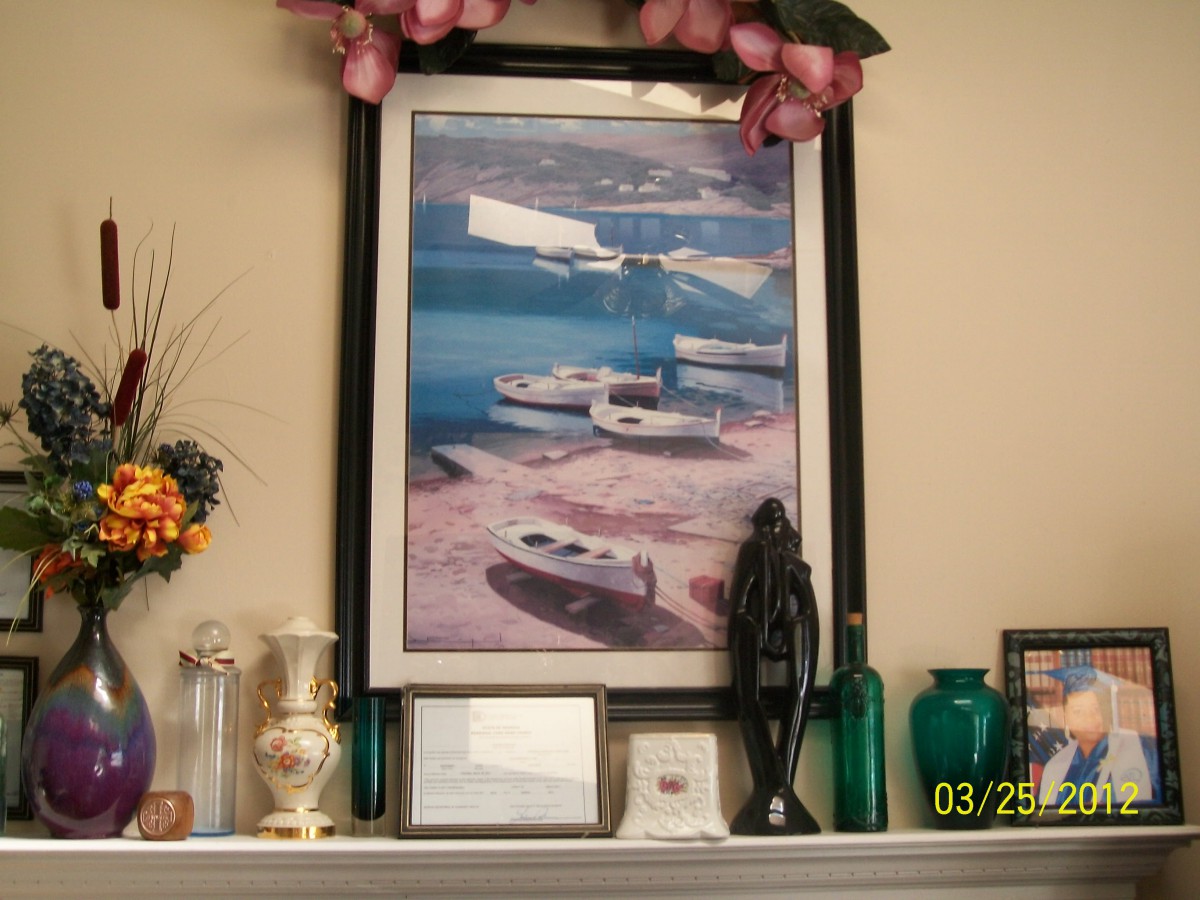
- Ms. Brown is very nice and shows references; credentials are displayed on the wall for viewing.
- They are very sweet people who came to the rescue when the reviewer was lost in Savannah.
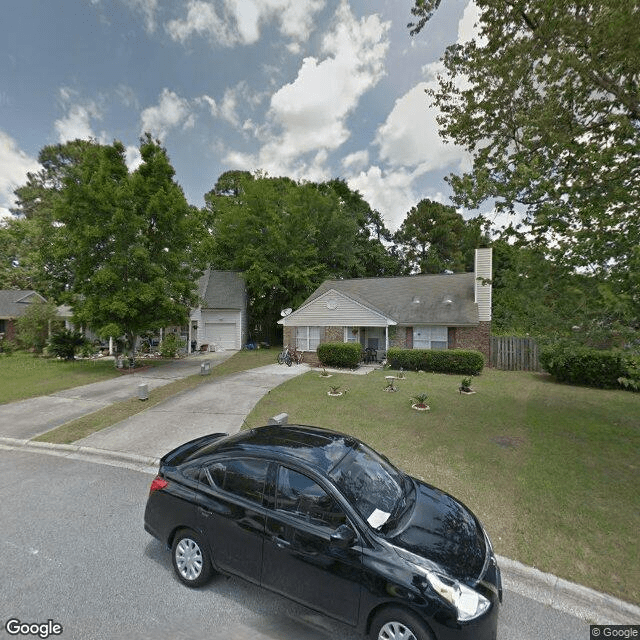
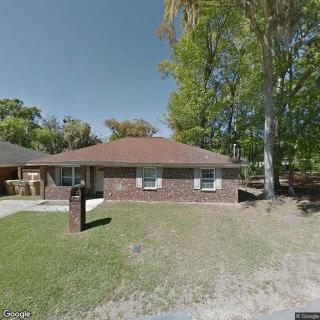
- They operate three resident homes, including one that appears to have been recently remodeled.
Cons
 The home seemed a little small for already having four residents there.
Review
Paradise Adult Care is best suited for families that prioritize an intimate, home-like atmosphere with highly accessible, attentive caregiving. The setting is clearly oriented toward interactions that feel personal and caring rather than institutional. With three resident homes in Savannah, one recently remodeled and the other two seemingly in stages of updates, the place communicates a willingness to adapt to improving surroundings while keeping care at the center. The presence of credentials on the wall and references shown to visitors signals a transparency and seriousness about caregiver qualifications. When a visitor was lost in Savannah, the staff’s quick, helpful response underscored a culture of trying to do right by families in real-world moments.
That said, alternatives deserve consideration for certain needs. Families seeking a broader social calendar, more formal medical oversight, or a larger community with structured activities may find Paradise too intimate. The small footprint of each home, described as a bit tight for four residents, can matter for those who want expansive common areas, robust programming, or high-volume social engagement. For seniors requiring complex medical management, memory-care specialization, or frequent on-site therapies, a larger, more defined operation could provide the level of coordination some situations demand. In short, if independence within a smaller, neighborly framework is paramount, Paradise shines; if scale and formalized programming are non-negotiable, look elsewhere.
The main strengths here are precisely the elements that mitigate the intimate nature of the setting. The caregivers come across as genuinely kind and reliable, with staff who make themselves available and respond to visitors’ needs. The visible credentials and references help families feel confident about the team’s qualifications, while the remodeled space in at least one home signals a commitment to comfort and safety improvements. The positive, welcoming demeanor of residents and the staff’s willingness to accommodate a guest’s needs, evidenced by the rescue when feeling lost, highlight a responsive, family-oriented culture. These factors collectively offset the potential downsides of a smaller environment by delivering high-touch, relationship-based care.
However, the smaller footprint can translate into trade-offs. Private space per resident may be more limited than in larger communities, and shared living areas could feel crowded during peak times. Ongoing renovations across some homes suggest occasional disruption to routines or noise, and it’s prudent to confirm the current construction status and which home would house the intended loved one. Staffing logistics across three homes warrant direct questions: how many caregivers are on site per shift, how care plans are individualized, and whether a resident’s daily routine can be anchored in a single, preferred living space. Prospective families should verify emergency procedures, daily schedule consistency, and how transportation, meals, and medication management are handled in practice.
To navigate the decision, approach Paradise with a targeted checklist during visits. Request a tour of each home to observe space, noise levels, and how staff interact with residents. Ask for recent references and proof of qualifications, and for a sample care plan that aligns with the loved one’s needs. Clarify the caregiver-to-resident ratio by shift, details about medication administration, and how activities are tailored to individual interests. Inquire about meal planning, dietary accommodations, and flexibility in daily routines. Finally, obtain a clear, written outline of costs, any potential additional charges, and how changes in care level would be addressed as needs evolve. A candid conversation around these points will reveal whether Paradise’s intimate model genuinely matches a specific senior’s lifestyle and care requirements.
In conclusion, Paradise Adult Care offers a credible, warm option for families prioritizing intimate, hands-on caregiving in a small, home-like setting. It is a strong fit for seniors who thrive on close relationships with caregivers, appreciate transparent credentials, and feel more secure in a neighborly environment than in a large campus. Those who require more extensive programming, larger-scale social opportunities, or sophisticated medical coordination should weigh alternatives that deliver higher capacity and structured services. A guided visit remains essential: confirm current occupancy, renovation status, and staffing details, then align these realities with the senior’s care plan and personal preferences before deciding.
 Board and Care Home
 Day Program
 Bath tubs
 Beautician on-site
 Devotional services off-site
 Indoor common areas
 Outdoor common areas
 Private
 Savannah International (13 miles away)
 Ambulatory care
 Diabetic care
 High acuity care
 Incontinence care
 Medication management
 Meals provided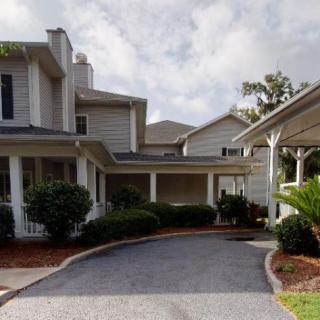


 Urinary Tract Infections in Older Adults: Comprehensive Insights on Symptoms, Treatment, and Prevention
 California's Form 602A: An In-Depth Examination of Senior Care Assessment
 Comprehensive Look at Senior Blood Pressure Charts: Normal and Elevated Levels by Age